


Scientists are boosting cellular metabolism and energy generation as longevity science advances. Five amino 1mq peptide and nicotinamide mononucleotide (NMN) have been examined for their effects on NAD+ metabolism, an energy, DNA repair, and metabolic health pathway. NAD+ is produced directly from NMN, while 5 amino 1mq peptide blocks NNMT to preserve NAD+ and methyl donor balance. Understanding these differences drives metabolic therapy. High-quality research and treatment materials come from reliable 5 amino 1mq peptide suppliers.
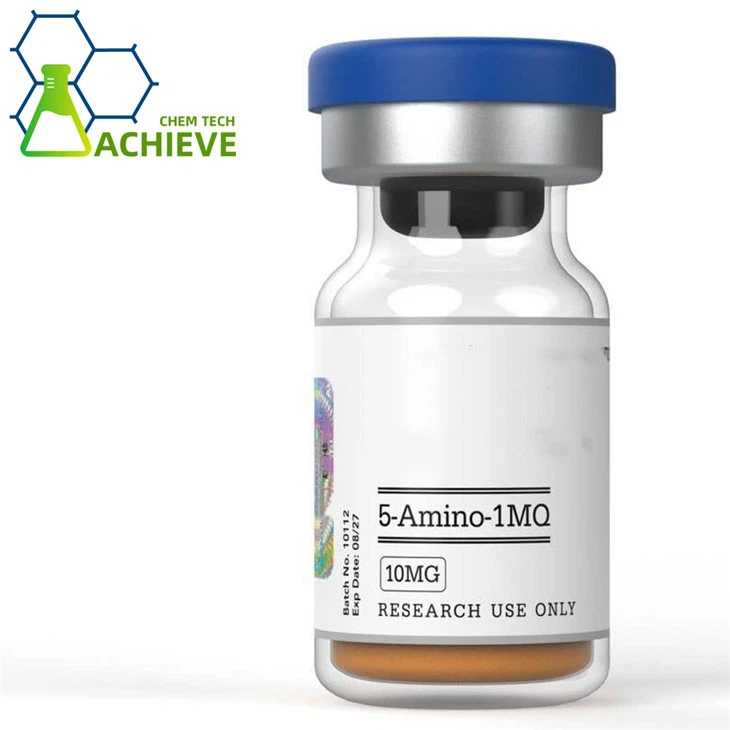
5-amino-1mq Injection
1.General Specification(in stock)
(1)API(Pure powder)
(2)Tablets
(3)Injection
(4)Capsules
(5)Oral Drops
2.Customization:
We will negotiate individually, OEM/ODM, No brand, for secience researching only.
Internal Code: BM-3-113
5-amino-1MQ\NNMTi\5-amino-1-methylquinolinium\5-Amino-1-methylquinolinium chloride CAS 42464-96-0
Manufacturer: BLOOM TECH Xi'an Factory
Main market: USA, Australia, Brazil, Japan, Germany, Indonesia, UK, New Zealand , Canada etc.
We provide 5 amino 1mq peptide, please refer to the following website for detailed specifications and product information.
Product:https://www.bloomtechz.com/oem-odm/injection/5-amino-1mq-injection.html

How do 5 amino 1mq peptide and NMN differ in targeting NAD+ metabolism pathways?
The NAD+ metabolism landscape and therapeutic intervention points
NAD+ is needed for hundreds of cellular metabolic processes. This molecule directly extracts energy from diet through glycolysis and oxidative phosphorylation and supports sirtuins, PARPs, and CD38, enzyme families that govern longevity, DNA repair, and immunological signaling. NAD+ reductions in tissues with age are connected to mitochondrial malfunction, metabolic flexibility loss, and cellular senescence. Two basic approaches to NAD+ depletion treatment exist.


First, biosynthetic precursors for salvage or de novo NAD+ production are provided. Second, inhibit consumption enzymes or breakdown mechanisms that drain NAD+ pools. Route preservation and substrate augmentation have different pharmacological effects.
NMN's direct precursor pathway to NAD+ biosynthesis
Nicotinamide mononucleotide is an immediate precursor in the NAD+ salvage pathway, one step before synthesis. NMNAT enzymes immediately adenylate NMN into NAD+ following cellular uptake.
Direct conversion avoids rate-limiting steps in precursor routes like the nicotinamide riboside pathway, which requires phosphorylation. In clinical trials, NMN supplementation enhances NAD+ in skeletal muscle, liver, and adipose tissue. This drug has favorable pharmacokinetics, attaining systemic distribution in 15-30 minutes after oral administration. The dose-dependent increase in NAD+ levels is maintained by continued administration. This substrate-based technique helps with absolute NAD+ depletion or biosynthetic capacity loss from aging, metabolic disease, or salvage pathway enzyme genetic variants.


5-amino-1-methylquinolinium's preservation approach through NNMT inhibition
NNMT inhibition causes the 5 amino 1mq peptide's unique mechanism. NNMT converts sirtuin and PARP NAD+ consumption product nicotinamide to N-methyl-nicotinamide.
SAM, the universal methyl donor, is used during this methylation event, diverting nicotinamide from salvage pathway recycling into NAD+.
Two metabolic benefits of NNMT inhibition for 5-amino-1-methylquinolinium.The molecule preserves nicotinamide for NAD+ resynthesis through the salvage pathway and SAM pools for thousands of methylation processes regulating gene expression, neurotransmitter synthesis, and detoxification. Obesity, insulin resistance, and aging increase NNMT expression, making its suppression crucial to metabolic dysfunction. Instead than adding substrate, the chemical optimizes NAD+ metabolism.


Mechanistic contrast: NNMT inhibition versus NAD+ precursor supplementation

Upstream versus downstream intervention philosophy
Due to mechanistic variations, these drugs have different metabolic biochemistry intervention philosophies. NMN feeds downstream NAD+ production regardless of upstream regulations. This technique operates in aged tissues with decreasing precursor salvage efficiency or greater NAD+ usage, when biosynthetic machinery is viable but substrate availability is limited. Upstream regulators like 5-amino-1-methylquinolinium regulate enzyme activity, affecting metabolic flow via competing pathways.Nicotinamide and methyl group diversion are prevented by NNMT inhibition, conserving metabolic resources.Metabolic syndrome, fatty liver disease, and NNMT overexpression in adipose tissue are targeted.
Methyl metabolism integration and systemic implications
Often overlooked is methyl metabolism integration. SAM is consumed by NNMT to link NAD+ metabolism to the methylation network. SAM becomes S-adenosylhomocysteine (SAH) after nicotinamide methylation, decreasing methyl donor capacity and increasing the SAH/SAM ratio, a methylation potential indicator. Research reveals that 5 amino 1mq peptide blocks NNMT to protect nicotinamide for NAD+ recycling and epigenetic control, phosphatidylcholine synthesis, and creatine production.Metabolic effects include methylation-dependent gene expression, membrane fluidity, and cellular energetics beyond NAD+ rise.


NMN supplementation elevates NAD+ levels but does not directly affect methylation capability. It may increase methylation demand by raising sirtuin and PARP NAD+ consumption.
Tissue-specific expression patterns and targeted applications
Liver, adipose, and metabolic disease tissues express NNMT more. Tissue-specific distribution focuses activity. Obesity, nonalcoholic fatty liver disease, and possibly energy homeostasis-affecting hypothalamic regions may benefit most from NNMT inhibition.
NMN's universal NAD+ precursor mechanism benefits all cell types that can salvage NAD+ throughout greater tissue. This applies to applications requiring systemic NAD+ rise in many organ systems. The compound's efficiency depends on transporter expression and salvage pathway enzyme function, not disease-associated enzyme dysregulation.


Which delivers stronger impact on cellular energy efficiency and metabolic turnover?

Mitochondrial respiration and ATP production capacity
Cellular energy efficiency depends on complex I electron transport chain activity in mitochondrial respiration capacity, which requires NAD+. Preclinical investigations suggest that NMN supplementation increases mitochondrial respiration, ATP production, and oxygen-ATP coupling. These boost thermogenic capacity, exercise endurance, and cellular stress resistance. 5-amino-1-methylquinolinium improves mitochondrial function by preserving NAD+ and reducing metabolic waste. Studies reveal that NNMT inhibition may help compound metabolic stress caused by enzyme activity depleting NAD+ and methyl donors.
In addition to NAD+ availability, metabolic efficiency benefits substrate consumption and methylated metabolite decrease, which may impair cellular signaling. Different experimental conditions, dosing regimens, and result measurements make quantitative comparison challenging. Both techniques increase mitochondrial function, however the advantage may depend on baseline metabolic state, tissue-specific NNMT expression, and whether NAD+ depletion is due to precursor shortage or overconsumption or diversion.
Metabolic flexibility and substrate utilization patterns
To adapt to substrate availability, healthy metabolism switches between glucose and fat oxidation. Adaptability requires NAD+/NADH ratios to indicate energy status and regulate metabolic enzyme activity.


NMN supplementation and NNMT inhibition influence critical ratios differently. NMN therapy increases total NAD+ pools, which may boost substrate-type oxidative metabolism. NMN boosts glucose tolerance, insulin sensitivity, muscle and hepatic fatty acid oxidation. Increased metabolic capacity, not substrate preference reprogramming, provides these benefits. NNMT inhibition by 5 amino 1mq peptide may improve metabolic inflexibility induced by abnormal overexpression. High NNMT activity is linked to poor lipid oxidation and glucose preference in insulin resistance. Inhibiting this enzyme normalizes substrate utilization, reduces fat, and boosts insulin signaling cascades, restoring metabolic flexibility.
Impact on metabolic turnover and cellular renewal processes
Beyond energy production, NAD+ regulates metabolic turnover, autophagy, mitochondrial biogenesis, and cellular quality through sirtuin activation. With adequate NAD+, SIRT1, SIRT3, and SIRT6 deacetylate longevity pathway target proteins. While both NMN and NNMT inhibitors boost sirtuin activity, NAD+ levels may differ. Emerging research suggests NNMT inhibition may sustain methyl metabolism. Methylation improves metabolic turnover by promoting protein turnover, neurotransmitter recycling, and detoxification. The combination of NAD+ preservation and methylation potential may stimulate cellular renewal more than NAD+ elevation alone.

Can combining 5 amino 1mq peptide with NMN create complementary metabolic effects?

Synergistic potential through orthogonal mechanisms
NMN supplementation and NNMT inhibition may act jointly due to their separate mechanisms. NMN improves NAD+ biosynthesis capacity by providing exogenous substrate, while 5-amino-1-methylquinolinium safeguards methylation resources and prevents precursor diversion. Orthogonal methods compare substrate availability and route optimization as NAD+ metabolism limits. Modeling suggests combo therapy may increase NAD+ more than either alone. NNMT inhibition maximizes nicotinamide retention and recycling, although NMN supplementation may deplete salvage pathway capabilities.
NNMT inhibition may prevent supplement-induced NAD+ turnover-induced methylation depletion by sparing methylation. Combination strategies may boost metabolism, according to early study. Studies suggest that combination medicines improve insulin sensitivity, lipid metabolism, and mitochondrial function better than monotherapy. To find suitable ratios, discover interaction effects, and confirm combination regimen safety across populations and metabolic circumstances, robust dose-optimization studies are needed.
Temporal dynamics and sustained metabolic benefits
Temporal metabolic dynamics aid combination methods. After using NMN, NAD+ levels peak within hours.


Cells may alter transporter expression or salvage pathway enzyme activity to continual supplementation. Continuous enzymatic blockade from NNMT suppression may complement acute substrate resupply by reprogramming metabolism. Sequential or alternating dose regimes can optimize metabolic benefits by leveraging acute NAD+ increases from NMN during high-demand periods and stabilizing metabolic optimization with NNMT inhibition. Precision scheduling could match intervention intensity to circadian metabolic rhythms, exercise timing, or feeding/fasting cycles. These temporal optimization methods may improve metabolism but are still being studied.
Considerations for combination therapy protocols
Combination techniques provide potential benefits but require careful consideration of many difficulties. NNMT inhibition may enhance NAD+ availability and lower the NMN dose needed to reach goal concentrations, hence dosing must account for interaction effects. Individual baseline NNMT expression, salvage pathway efficiency, and NAD+ consumption rates determine optimum combination ratios. Combination methods require safety monitoring since NAD+ and methyl metabolism changes may interact with medicines, nutrition, or health concerns. Working with reliable pharmaceutical-grade vendors with analytical documentation is essential. Researchers and clinical developers should use a verified 5 amino 1mq peptide source for regulatory support, batch consistency, and combination study protocol technical guidance.


Application scenarios comparison: selecting between pathway regulation and substrate replenishment

Metabolic disease contexts favoring NNMT inhibition
Enzyme inhibition targets metabolic illnesses with pathologically high NNMT expression. Obesity-related metabolic dysfunction, including insulin resistance and impaired lipid metabolism, is commonly caused by NNMT overexpression in Inhibiting metabolic dysregulation may not merely treat symptoms, as adipocyte NNMT activity inversely correlates with insulin sensitivity. Hepatic NNMT overexpression is also found in nonalcoholic fatty liver disease. Studies suggest that elevated hepatic NNMT causes fat accumulation, glucose metabolism issues, and liver damage.
In preclinical investigations, NNMT inhibition lowers hepatic steatosis, insulin signaling, and inflammation. 5-amino-1-methylquinolinium is appropriate for metabolic syndrome applications where pathogenic enzyme overexpression produces dysfunction due to its targeted effects on disease-relevant tissues. NNMT inhibition may also aid with methylation capacity issues such genetic polymorphisms in methylation pathway enzymes, nutritional deficiencies affecting methyl donor availability, or high methylation demand. To maintain neurotransmitter synthesis, detoxification, and epigenetic regulation, the molecule protects SAM pools. This metabolic benefit goes beyond NAD+ metabolism and improves cellular function.


Scenarios favoring direct NAD+ precursor supplementation
In severe NAD+ depletion without NNMT overexpression, NMN supplementation helps. Lower salvage pathway efficiency, higher NAD+ consumption by activated PARPs responding to DNA damage, and increased CD38 activity cause age-related NAD+ depletion in many organs. When broad NAD+ shortage occurs, direct precursor supplementation aids metabolism. NMM's rapid NAD+ elevation improves sports performance and recovery. The compound's rapid absorption and conversion support acute metabolic demands during exercise, increase mitochondrial ATP production, and speed cellular repair.
The temporal flexibility of supplements allows selective training session administration to maximize performance. NMN's direct, well-characterized mechanism makes it popular for NAD+ biology study. NMN is ideal for NAD+-dependent experiments due to its simple dose-response relationships and predictable pharmacokinetics Due to its wide published validation and clear mechanistic explanation, biotechnology companies and research institutions studying sirtuin biology, mitochondrial function, and aging use NMN to modulate NAD+.

Integrated decision framework for compound selection
Choosing between these substances or determining if combination tactics work requires extensive research. Baseline NNMT expression, NAD+, methylation, and metabolic dysfunction should be assessed. High NNMT with impaired methylation favors inhibition, while universal NAD+ depletion without enzyme dysregulation favors precursor supplementation. Application goals greatly impact selection. Research that requires mechanistic clarity and dose-response predictability may favor NMN's direct approach.Therapeutic development for NNMT metabolic diseases should target enzyme inhibition. Performance applications that require rapid metabolic support benefit from NMN's fast action, while NNMT inhibition's sustained enzymatic effects optimize metabolism. Practical factors like compound availability, regulatory status, analytical characterisation, and supply chain reliability affect decision-making. Pharmaceutical development and clinical research teams need high-quality vendors, thorough documentation, and regulatory assistance. Quality materials, batch-to-batch repeatability, and development support are provided by competent manufacturers.
Conclusion
NMN and 5 amino 1mq peptide boost NAD+ metabolism in different ways. Direct substrate supplementation by NMN efficiently boosts NAD+ via salvage pathway saturation. This method supports widespread NAD+ deficit, aids metabolism quickly, and is scientifically proven. Simple action and predictable pharmacokinetics make the compound useful for research and performance enhancement. 5-amino-1-methylquinolinium suppresses NNMT, enhancing metabolic route optimization over substrate addition. This method treats metabolic illness enzyme overexpression by preventing nicotinamide diversion and preserving methyl donor pools. NAD+ preservation and methylation capacity maintenance make NMT inhibitors ideal for obesity-related dysfunction, fatty liver disease, and methylation-compromised disorders. Rather than a single "winner," metabolic status, application goals, and pathophysiology suggest context-dependent selection. Combination therapies using both systems show synergistic promise, but proper methods need more research. As longevity science advances, both substances may find roles in biochemistry- and therapy-specific metabolic optimization strategies.
FAQ
1. What are the primary safety considerations when using 5 amino 1mq peptide compared to NMN?
+
-
NMN has large clinical trials, while 5 amino 1mq peptide is being tested. Safety is good for both. NMN is tolerated up to 500mg daily, but 5 amino 1mq peptide requires liver and methylation monitoring. Seek medical advice before using.
2. How do dosing strategies differ between these two compounds for optimal metabolic benefits?
+
-
Dosing depends on compound mechanism. For energy or exercise, 250–1000mg of NMN is taken daily due to fast NAD+ conversion. With prolonged low dose, 5 amino 1mq peptide, a NNMT inhibitor, may modulate enzyme activity. Personalization and professional help are advised.
3. Can these compounds support healthy aging research beyond metabolic applications?
+
-
NAD+ depletion, a major aging factor, is addressed by NMN and 5 amino 1mq peptide. 5 amino 1mq peptide increases insulin sensitivity and inflammation, while NMN activates sirtuins for cell repair and stress tolerance. They may aid metabolic optimization and healthy aging.
Partner with BLOOM TECH for Your Research and Development Needs
Chemical selection is key to metabolic research success. Also vital is working with experienced vendors like BLOOM TECH, which provides triple-layer quality control with 12 years of experience, GMP-certified facilities, and US FDA, EU, and CFDA compliance. Our compounds and supply chain solutions include analytical documentation, regulatory assistance, flexible packaging, and transparent pricing. Pharma and biotech giants trust us. Bloom TECH is a trusted 5 amino 1mq peptide supplier for advanced research because we provide personalized support to speed up research and ensure compliance. Contact our team at Sales@bloomtechz.com.
References
1. Yoshino J, Baur JA, Imai SI. NAD+ Intermediates: The Biology and Therapeutic Potential of NMN and Related Molecules. Cell Metabolism. 2018;27(3):513-528.
2. Kraus D, Yang Q, Kong D, et al. Nicotinamide N-methyltransferase knockout protects against diet-induced obesity. Nature. 2014;508(7495):258-262.
3. Mills KF, Yoshida S, Stein LR, et al. Long-Term Administration of Nicotinamide Mononucleotide Mitigates Age-Associated Physiological Decline in Mice. Cell Metabolism. 2016;24(6):795-806.
4. Komatsu M, Kanda T, Urai H, et al. NNMT activation can contribute to the development of fatty liver disease by modulating the NAD+ metabolism. Scientific Reports. 2018;8:8637.
5. Rajman L, Chwalek K, Sinclair DA. Therapeutic Potential of NAD-Boosting Molecules: The In Vivo Evidence. Cell Metabolism. 2018;27(3):529-547.
6. Ulanovskaya OA, Zuhl AM, Cravatt BF. NNMT promotes epigenetic remodeling in cancer by creating a metabolic methylation sink. Nature Chemical Biology. 2013;9(5):300-306.