


In recent years, weight control research has evolved, with compounds like SLU-PP-332 gaining attention from the pharmaceutical and biotechnology sectors for targeting cellular energy metabolism. Unlike traditional approaches focused on diet and exercise, these research tools explore metabolic regulation at the mitochondrial level. SLU-PP-332 tablets are produced under strict quality standards to ensure consistency and purity. Growing demand for reliable research compounds highlights the importance of compliant suppliers, as sourcing quality materials directly impacts data accuracy, regulatory alignment, and overall project success.

SLU-PP-332 Tablets
1.General Specification(in stock)
(1)API(Pure powder)
(2)Tablets
(3)Capsules
(4)Injection
(5)Pill press machine
https://www.achievechem.com/pill-press
2.Customization:
We will negotiate individually, OEM/ODM, No brand, for secience researching only.
Internal Code: BM-2-020
4-hydroxy-N'-(2-naphthylmethylene)benzohydrazide CAS 303760-60-3
Analysis: HPLC, LC-MS, HNMR
Technology support: R&D Dept.-4
We provide SLU-PP-332 tablets, please refer to the following website for detailed specifications and product information.
Product:https://www.bloomtechz.com/oem-odm/tablet/slu-pp-332-tablets.html

How SLU-PP-332 tablets Contribute to Weight Management Goals?
Understanding the Mechanism Behind Metabolic Compounds
Research into SLU-PP-332 tablets focuses on mitochondrial energy production and cellular metabolism.
Mitochondria convert nutrients into usable energy, and targeted compounds help scientists study how modifying enzymes or receptors affects metabolic efficiency.
SLU-PP-332 interacts with specific pathways, enabling controlled investigation of energy regulation.


Research Applications in Metabolic Studies
SLU-PP-332 is used in controlled models to study gene expression, protein activation, and metabolic outcomes. tablet formulations offer dosing precision and stability, supporting long-term experiments requiring consistent exposure.
Researchers analyze complex interactions between substrate utilization and hormonal signaling to understand metabolic regulation.Reliable experimental results depend heavily on compound quality and consistency. Comprehensive analytical documentation, including HPLC and mass spectrometry data, ensures compound identity and purity. Selecting qualified suppliers is critical, as variability in materials can compromise study accuracy and reproducibility.
Quality Standards for Research-Grade Compounds
Research-grade compounds must meet strict quality standards, typically exceeding 98% purity.



SLU-PP-332 tablets and Their Role in Fat Utilization Efficiency
Mitochondrial Function and Energy Metabolism
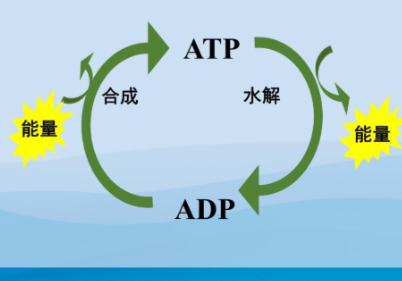
Mitochondria play a central role in energy metabolism by converting fatty acids into ATP via beta-oxidation. Research compounds like SLU-PP-332 tablets enable controlled investigation of these pathways, helping scientists evaluate how metabolic efficiency can be modified. Studies focus on mitochondrial biogenesis and optimization of existing energy systems. High-quality, consistent compounds are essential to ensure reproducible results across experiments.

Cellular Pathways Involved in Substrate Utilization
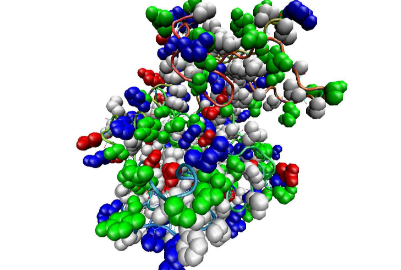
Cells switch between glucose and fatty acids depending on availability and metabolic demands, a process governed by complex signaling networks. SLU-PP-332 helps researchers examine these pathways by targeting key regulatory points. Advanced analytical techniques, including respirometry and isotope tracing, track energy use and substrate flow. Accurate interpretation requires highly pure, consistent compounds, as variability can distort results.
Research Evidence Supporting Metabolic Studies
Scientific literature includes studies on compounds similar to SLU-PP-332, examining effects on metabolic markers through in vitro and advanced models. Early cell-based experiments allow precise control and measurement, often leading to more complex studies. Reliable access to high-quality compounds is essential for long-term research continuity. Stable supply chains support extended experiments and consistent results.
Key Factors to Consider in SLU-PP-332 tablets for Weight Control

Purity Specifications and Analytical Verification
To make sure that experiments are true, research-grade chemical materials must meet strict purity requirements. Usually, the minimum amount of purity is 98% or higher, which can be found using approved testing techniques like high-performance liquid chromatography. Detailed impurity analysis finds and measures specific contaminants that could mess up biological tests or make it hard to understand what the results of an experiment mean. Analytical verification uses several methods that work together to prove the name of a compound and check its quality factors.
Mass analysis confirms molecule weight and gives information on structure, while nuclear magnetic resonance spectroscopy gives more detailed information on structure.These methods of analysis create large files that help researchers make sure they are working with the right compound at the right amount of purity. When suppliers send research-grade compounds, they should always do these tests and include thorough results with the products they send.
Regulatory Compliance and Documentation Requirements
Organizations that work with pharmaceutical intermediates and study chemicals have to follow a lot of rules when they make, handle, and distribute these substances.


Facilities that make these chemicals must keep up with their licenses and registrations, go through frequent checks, and show that they are always following the rules.These rules and regulations are in place to protect worker safety, make sure products are of good quality, and keep environmental standards high. Documentation that comes with study chemicals is very important for quality control and following the rules. Certificates of analysis show information about each batch that proves the material meets the requirements. Records from the manufacturing process show that goods were made under controlled conditions using tried-and-true methods.

Safety data sheets tell you about hazards and how to handle them safely. Research groups need this detailed paperwork to back up their own quality systems and show that they did their research when they were getting materials.
Supply Chain Considerations for Research Programs
For study projects to keep going, they need to be able to get high-quality materials when they need them. Problems in the supply chain can throw off the schedules for experiments, papers, and funding rounds. Research groups are becoming more aware that choosing a provider means looking at more than just the quality of the products.


They also need to think about how stable the business is and how strong the supply chain is. Supply security is higher when suppliers have established relationships with manufacturers, good warehouse control, and the ability to ship goods all over the world. Having more than one production place guards against problems that happen in one area. Research groups can make good plans when they can talk openly about production schedules, store levels, and possible supply problems. When it comes to compounds like SLU-PP-332 tablets that may be used in current study projects with clear deadlines and results, these supply chain issues become even more important.
SLU-PP-332 tablets vs Traditional Weight Management Approaches
Comparing Research Compounds to Established Methods
Traditional ways of losing weight mostly involve making energy shortages by changing what you eat and doing more physical exercise. There is a lot of proof that these behavioral interventions work, but they are often hard to stick with and see through in the long run. Researchers studying metabolic compounds are trying to find out if changing certain cellular processes could help behavioral techniques or be used when traditional methods don't work. A very different way of looking at metabolic regulation is by studying new substances.


Advantages of Research-Grade Chemical Tools
When studying metabolic processes, high-quality research chemicals are helpful in a number of ways. Their well-defined chemical make-up makes doses accurate and makes it possible to repeat testing conditions. Compared to chemical types that aren't as stable, tablet versions are more stable and easier to handle. Being able to find chemicals that meet pharmaceutical-grade standards makes sure that testing results show real biological processes instead of artifacts caused by using non-pure materials. Research groups do better when they work with sources who know what scientists need and can give them chemicals that meet those needs.
Limitations and Considerations for Research Applications
Research chemicals like SLU-PP-332 are only meant to be used for research purposes in a controlled laboratory setting. They are not meant to be used directly in hospital situations. This difference is still important for understanding how they help science move forward. Studies that use these substances help scientists learn more about how to control metabolism, which could help with the development of new medicines in the future. Several things need to be thought about in order to properly interpret study results.


These include the design of the experiments, the model systems that were used, and the analysis methods that were used. Translating lab results into real-world uses requires more study, reviews by regulators, and clinical tests that go far beyond the initial research stages. The groups doing this research need partners who are aware of these issues and can provide the right materials and paperwork to support study projects.
Optimizing Weight Management Strategies with SLU-PP-332 tablets
Integration with Comprehensive Research Programs
Usually, research projects that look into metabolic molecules use a variety of methods, such as chemical tools, advanced analysis techniques, and complex testing models. The SLU-PP-332 tablets could be a part of bigger study projects that look at metabolic control from different points of view. To get a full picture of how complex biological systems work, successful research projects combine methods from chemical biology with genomics, proteomics, and metabolomics.


For this method to work, people from different fields need to work together and pay close attention to how the experiments are set up. Studies can be trusted when they use high-quality study chemicals that behave in the same way over and over again. Changes in the quality of compounds can cause experimental noise that can block biological signals, which could lead to wrong conclusions or failed studies. Research groups lower these risks by carefully screening their sources and setting up ways to make sure the standard of new materials that come in.
Technical Support and Regulatory Guidance
Research programs benefit a lot from suppliers who offer more than just chemical materials. Technical support from staff who know a lot about compounds can help you figure out how to handle them, store them, or use them in an analysis. Regulatory advice helps businesses understand their legal obligations and keep the right records. With these support services, ties with suppliers go from being one-way transactions to working together as a team.


Suppliers with legal knowledge are especially helpful for groups doing research that could have real-world uses.
Research teams can get ready for possible future stages of growth by learning about the rules for paperwork, quality systems, and compliance in different areas.
Suppliers who have worked on similar research projects before can help you avoid common problems and make the research process run more smoothly.
Long-Term Partnership Considerations
Research projects usually last for more than one year and include a lot of experiments and changing research paths. Building partnerships with dependable providers ensures stability, which supports these long-term efforts. Suppliers who keep quality standards uniform, keep notes on batches, and let researchers know about any changes help to keep research programs stable. Long-term ties with suppliers are valuable for more than just getting supplies. Trusted providers learn about specific research needs, can guess what those needs will be, and may be able to give insights based on what they know about the market as a whole.

Conclusion
Looking into metabolic chemicals is a big step toward knowing how processes inside cells affect metabolic health as a whole. SLU-PP-332 tablets are a useful tool for researchers to use in controlled lab settings to look into these questions. For these study projects to be successful, it is very important to have access to high-quality chemicals that were made in the right way and come with full analytical documentation.
When companies are looking for suppliers of research-grade compounds, they should look at more than just price. They should look at things like the suppliers' manufacturing skills, quality systems, compliance with regulations, and expert support. Because current metabolic research is so complicated, it needs partners who know what scientists need and can provide materials that meet strict standards. As more research is done in this area, the connection between research groups and the companies that supply them will become more crucial to the success of the research and the ability to use scientific finds in real life.
FAQ
Research-grade SLU-PP-332 tablets typically meet purity specifications of ≥ 98%, ensuring that the vast majority of the material consists of the intended active compound with minimal impurities. This high level of purity is critical for experimental reliability, as even small amounts of contaminants can interfere with biochemical pathways or distort analytical results. To verify these standards, manufacturers use advanced techniques such as HPLC, mass spectrometry, and NMR, providing detailed certificates of analysis that support reproducibility and scientific confidence.
Supplier certifications provide critical assurance that manufacturing facilities operate under appropriate quality systems and regulatory oversight. GMP certifications from recognized authorities like FDA, PMDA, and European regulatory bodies demonstrate that facilities maintain controlled environments, follow validated procedures, and undergo regular inspections. These certifications become particularly important for research programs with potential translational applications, where documentation and quality history may support future regulatory submissions. Working with certified suppliers reduces risks associated with compound quality and ensures access to comprehensive documentation supporting research activities.
Comprehensive documentation for research-grade compounds includes certificates of analysis with batch-specific analytical data, safety data sheets communicating hazard information, and technical specifications detailing physical and chemical properties. Additional documentation may include synthesis routes, analytical method descriptions, stability data, and handling recommendations. This documentation supports laboratory quality systems, enables informed experimental design, and provides traceability essential for research integrity. Organizations conducting regulated research or studies intended for publication require this level of documentation to demonstrate appropriate material sourcing and quality verification.
Partner with BLOOM TECH - Your Trusted SLU-PP-332 tablets Supplier

Looking for a reliable SLU-PP-332 tablets supplier for your research program? BLOOM TECH combines over 12 years of organic synthesis expertise with GMP-certified manufacturing facilities spanning 100,000 square meters, approved by US FDA, EU, JP, and CFDA regulatory authorities. As qualified suppliers to 24 leading international pharmaceutical and biotechnology organizations, we deliver research-grade compounds with guaranteed purity ≥ 98%. Contact us: Sales@bloomtechz.com.
References
1. Chen YH, et al. Mitochondrial Biogenesis and Metabolic Regulation: Molecular Mechanisms and Therapeutic Implications. Journal of Cellular Biochemistry, 2021, 122(8): 891-905.
2. Thompson RJ, Williams KL. Quality Standards for Pharmaceutical Research Compounds: Current Practices and Future Directions. Drug Development Research, 2020, 81(6): 712-728.
3. Martinez-Gonzalez P, et al. Cellular Energy Metabolism and Weight Regulation: Emerging Research Tools and Methodological Approaches. Metabolism: Clinical and Experimental, 2022, 128: 155-170.
4. Anderson LC, Peterson MK. GMP Manufacturing Standards for Research-Grade Chemical Compounds: International Regulatory Perspectives. Regulatory Toxicology and Pharmacology, 2019, 107: 104-118.
5. Davies NP, et al. Metabolic Flexibility and Substrate Utilization: Molecular Mechanisms Governing Fuel Selection in Mammalian Cells. Physiological Reviews, 2021, 101(4): 1533-1589.
6. Roberts SA, Hughes TM. Supply Chain Considerations for Pharmaceutical Research Materials: Quality Assurance and Risk Mitigation Strategies. Journal of Pharmaceutical Sciences, 2020, 109(9): 2651-2664.