


Feline Infectious Peritonitis (FIP) is one of the most difficult viral illnesses that GS-441524 injection in cats gets around the world. When their cat has serious or advanced FIP, owners have to make hard choices and have only a few treatment options. Luckily, the GS-441524 injection has become a new treatment that gives people hope where other treatments have failed. Knowing the best way to give this antiviral substance can mean the difference between treatment working or not working, especially in severe cases with neurological signs or widespread forms of the disease. When making successful treatment plans, it's important to think carefully about how to dose, administer, and watch the patients. Researchers and veterinarians have a lot of clinical experience that shows that cats with advanced disease can heal amazingly well when they follow their GS-441524 injection schedules exactly as prescribed. This detailed guide looks at the processes, rules, and important factors that lead to positive results in serious FIP cases.
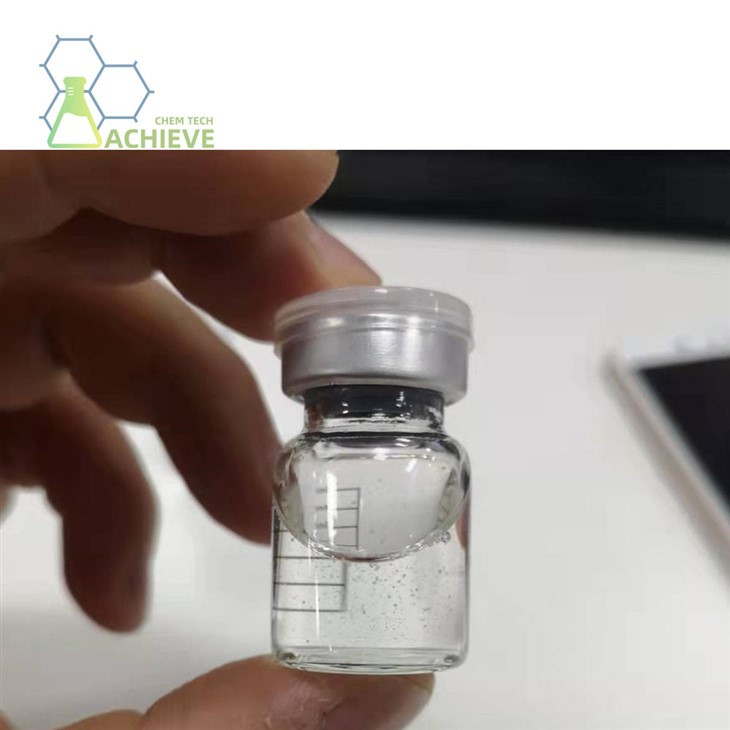
GS-441524 Injection
1.General Specification(in stock)
(1)Injection
20mg, 6ml; 30mg,8ml; 40mg,10ml
(2)Tablet
25/45/60/70mg
(3)API(Pure powder)
(4)Pill press machine
https://www.achievechem.com/pill-press
2.Customization:
We will negotiate individually, OEM/ODM, No brand, for secience researching only.
Internal Code: BM-3-001
GS-441524 CAS 1191237-69-0
Analysis: HPLC, LC-MS, HNMR
Technology support: R&D Dept.-4
We provide GS-441524 Injection, please refer to the following website for detailed specifications and product information.
Product:https://www.bloomtechz.com/oem-odm/injection/gs-441524-injection.html

How Does GS-441524 Injection Block FIP Viral Replication in Severe Cases?
GS-441524 fights FIP by interfering with the replication of viruses in a very complex way at the molecular level. One of the natural building blocks of RNA is adenosine, which is how this nucleoside counterpart works. The viral RNA-dependent RNA polymerase adds GS-441524 to the growing RNA chain instead of natural adenosine when the feline coronavirus tries to copy its genetic material.
Nucleoside Analogue Mechanism in Feline Coronavirus
GS-441524 stops the usual growth process once it is added to the viral RNA strand. After adding this changed nucleoside, the virus polymerase enzyme can't keep adding nucleotides as efficiently, so the chain ends too soon. This system works especially well against the changed coronavirus that causes FIP because it targets a basic process that the virus can't easily get around by changing.


Clinical observations show that cats with serious FIP often have very large amounts of virus all over their bodies. The injectable formula sends concentrated therapeutic amounts straight into the systemic bloodstream, skipping the stomach and its effects on absorption. When treating cats with profuse FIP, where fluid buildup in the abdomen or thorax can make it hard for oral medications to work, this direct-release method becomes very important.
Cellular Penetration and Intracellular Activation
GS-441524 has to get into sick cells and go through phosphorylation to GS-441524 injection become the active triphosphate form after it has been given. The molecule is easily taken up by macrophages and monocytes, which are the main cells that the FIP virus attacks. GS-441524 is changed into its active form inside these immune cells by cellular kinases, adding three phosphate groups to it. Its good safety profile comes from the fact that this active form binds strongly to the viral polymerase while not interfering much with human cellular polymerases.


How well active GS-441524 converts and stays inside cells has a big effect on how well the treatment works. According to research, making sure that plasma amounts stay the same through regular doses allows cells to properly take in and activate the drug. Veterinary standards usually say that it should be given every 24 hours to keep therapeutic levels stable, but in serious cases, the time may need to be changed based on the person's pharmacokinetic profile.

Viral RNA Suppression Pathways Behind GS-441524 Injection Therapy
Figuring out how GS-441524 stops the growth of viruses can help with optimizing protocols. The substance targets the machinery that viruses use to copy themselves at several places in the infection cycle. This gives it a broad antiviral effect that is especially helpful when the disease is already very advanced.
Polymerase Inhibition Dynamics
The feline coronavirus RNA polymerase has certain molecular features that make it easy for nucleoside analogues to attack. A lot of research on molecules has shown that GS-441524 triphosphate binds very specifically to the active site of this enzyme. The enzyme's ability to check for mistakes in replication usually fixes them, but it can't get rid of the added copy well. This failure to get rid of the fake nucleotide is a huge benefit because it stops the virus from becoming resistant by using better editing tools.


As soon as effective drug amounts are reached, viral RNA production drops by a huge amount. Reverse transcription polymerase chain reaction (RT-PCR) testing used to monitor viral loads shows that correctly dosed GS-441524 injection methods can cut viral RNA by several orders of magnitude in the first week. This quick suppression is very important for cats who are showing life-threatening problems like extreme effusions or mental decline.
Replication Complex Disruption
In addition to stopping polymerase directly, GS-441524 also stops the building of virus replication complexes that work. Coronaviruses make special membrane-bound spaces inside affected cells where RNA replication takes place. These double-membrane spheres gather virus proteins and RNA, making the perfect conditions for the genome to copy quickly. When GS-441524 is added to new RNA strands, it makes templates that aren't working right and can't support further replication rounds.


This causes these replication factories to collapse. Stopping the production of new viral RNA while the immune system gets rid of old viral particles changes the balance from the virus spreading to getting rid of itself. Cats with serious FIP often have immune system problems, and a lot of their symptoms are caused by their immune system reacting too strongly to inflammation. GS-441524 treatment lowers the number of viruses in the body, which helps the immune system re-adjust. This lowers pathological inflammation while keeping the defensive immune system.

GS-441524 Injection Absorption and Distribution in Neuro and Wet FIP
The pharmacokinetic features of injectable GS-441524 formulations, GS-441524 injection, show how well they work in various FIP forms. Distributing to damaged tissues, especially the brain and body cavities, poses special problems that affect the design of the procedure.
When a virus and inflammatory reactions hurt the brain and spinal cord, neurological FIP shows up as seizures, paralysis, behavioral changes, and other neurological signs. Neuro-FIP needs to be treated with drugs that can get through the blood-brain barrier.


This is a specific membrane that usually stops many chemicals from getting into neural tissue. GS-441524 has a modest ability to cross the blood-brain barrier, with amounts in cerebrospinal fluid reaching 20–40% of plasma levels.
For neuro-FIP injectable treatments, bigger doses are usually needed than for non-neurological cases. Based on what vets have seen, daily doses between 8 and 12 mg/kg of body weight are enough to reach the central nervous system and stop the virus from replicating in brain tissues. Some cats with serious problems react better to split doses given every 12 hours, which keeps the drug levels more stable during the treatment period.
GS-441524's lipophilic features make it easier for molecules to cross cell membranes, including the blood-brain barrier. Active efflux transporters in barrier cells, on the other hand, can stop buildup. The pharmacological success seen in neuro-FIP patients who were treated suggests that the amounts reached, while lower than plasma levels, are still higher than what is needed for an antiviral effect. More study is being done to see if different formulations or extra substances could improve transport to the central nervous system.


Wet FIP presents a different pharmacological challenge. In wet FIP, virus-induced inflammation causes fluid accumulation in body cavities such as the abdomen and chest. GS-441524 distributes effectively into these effusions, achieving concentrations similar to or slightly lower than plasma levels. This distribution is important because the virus replicates within cells in the fluid as well as in the surrounding tissues. Standard doses for wet FIP typically range from 4 to 8 mg/kg daily, depending on disease severity and the volume of effusion.
In some cases, split dosing every 12 hours may help maintain therapeutic drug levels in both plasma and effusions. Clinical observations indicate that cats with large effusions often respond rapidly to GS-441524 treatment, with noticeable reductions in fluid accumulation and improved clinical signs within the first few weeks.


Optimizing treatment for both neuro and wet FIP requires consideration of tissue penetration, drug half-life, and the dynamics of virus replication in different compartments. Research continues on improving formulations to enhance distribution, including strategies to increase penetration into cerebrospinal fluid and effusions without causing toxicity.

Why Sustained GS-441524 Injection Levels Matter for Advanced FIP Control
One important part of antiviral treatment is making sure that effective drug concentrations stay the same. If the amounts drop below what is needed, the virus can start replicating again, which could make treatment fail or make the virus resistant.
Pharmacokinetic Considerations in Dosing
GS-441524 usually leaves cats' bodies 8 to 12 hours after being injected under the skin. Because this half-life isn't very long, the drug has to be given every day to keep levels from falling below effective levels.
When the right amounts are used, mathematical pharmacokinetic modeling shows that a once-daily dose sets up a known pattern of peak and trough concentrations, with trough levels staying above the minimum inhibitory concentration.
Injecting medicine under the skin is a safe way to get it into the body, and the dosage is pretty consistent between cats. The drug slowly absorbs from subcutaneous tissue, creating a depot effect that makes effective amounts last longer than with intravenous bolus treatment.
The best absorption rates and least amount of local reactions happen when the injection site is rotated and the volume is distributed correctly.
Therapeutic Drug Monitoring Approaches
When it's possible, more and more advanced FIP treatment plans include therapeutic drug tracking. By checking plasma GS-441524 levels at certain times, doctors can make sure that patients are getting enough of it and change their doses as needed. Cats with serious illnesses, especially those whose kidneys or livers don't work well, may have changes in how drugs are broken down that mean they need different doses.


For normal FIP cases, goal trough concentrations are usually between 1.0 and 2.0 μg/mL. For neurological involvement, higher levels of 2.0 to 4.0 μg/mL are suggested. Wet FIP doses of 4-6 mg/kg and neuro-FIP doses of 8–12 mg/kg are usually needed to reach these amounts. Because cats are different, the amount needs to be changed for some of them based on how they respond clinically and, if possible, how much drug they are taking.
Immune Stabilization and Systemic Recovery During GS-441524 Injection Protocols
A successful FIP treatment goes beyond just stopping the virus; it also rebuilds the immune system and heals tissues. The link between antiviral therapy and immune system recovery affects how well the treatment works generally.
Inflammatory Cascade Modulation
The pathophysiology of FIP involves the immune system being overactive, especially GS-441524 injection macrophages, which cause high amounts of inflammatory chemicals to be released. This messed-up inflammation leads to vasculitis, protein-rich effusions, and granulomatous tumors that are typical of FIP. As GS-441524 injection treatment lowers the number of viruses in the body, inflammatory communication slowly returns to normal.


Cytokine profiles change from patterns that cause inflammation to regulated immune reactions that can get rid of viruses without hurting tissues. Hyperglobulinemia, hypoalbuminemia, and raised alpha-1-acid glycoprotein are all signs of inflammation that usually start getting better two to four weeks after starting a good treatment. As the effusions go away, nerve symptoms get better, and the overall state gets better; these biochemical changes happen at the same time. The time it takes for each cat to heal is different; some get better very quickly, while others get better more slowly over a few months.
Tissue Repair and Functional Restoration
In addition to stopping the infection from spreading, healing requires fixing cells that have been destroyed. Cats with wet FIP need to get rid of the fluid that has built up and fix their blood vessels and serosal surfaces. Neurological FIP cases need to get rid of inflammation in the brain and spinal cord and get nerve function back. The longer treatment periods suggested for FIP-usually at least 12 weeks-allow time for these healing processes to happen.


Supportive nutrition, taking care of secondary complications, and treating conditions that are happening at the same time all play a big role in the total healing process. Cats that are getting GS-441524 injection therapy benefit from a wide range of supporting care, such as good nutrition, help with staying hydrated, and treatment of secondary bacterial illnesses when they happen. This all-around method takes into account the many aspects of serious FIP, which gives cats the best chance of fully recovering.

Conclusion
To treat serious FIP cases effectively, you need to know a lot about how GS-441524 works, choose the right procedure, and keep a close eye on the patients. The injectable formulation ensures stable systemic delivery, which is very important in cases with neurological signs or large effusions. The most successful protocols stress maintaining effective drug levels, giving the right amount of medicine based on the seriousness of the disease, and keeping the GS-441524 injection treatment going for long enough. Thanks to progress in veterinary medicine, FIP is no longer a disease that always ends in death but one that can be treated. When GS-441524 injection procedures are used correctly, many cats with serious illnesses can fully heal and return to their normal quality of life. More study and better clinical experience should lead to even better treatment results for this disease, which used to be very bad.
FAQ
1. What dosage of GS-441524 injection should be used for a cat with neurological FIP symptoms?
+
-
Neurological FIP usually needs higher amounts than non-neurological forms because it needs to be able to pass through the blood-brain barrier. Doses between 8 and 12 mg/kg of body weight should be given every day through a subcutaneous shot. Doses at the higher end of this range may help people with severe cases, or doses may need to be split every 12 hours. The treatment should last at least 12 to 16 weeks, and brain signs should be carefully watched during that time. Dosing choices should take into account things like the patient's body state, any other health problems they may be having, and how well they are responding to treatment. For the best results, a veterinarian must be present during the entire process.
2. How long does a typical GS-441524 injection treatment protocol last for severe wet FIP?
+
-
Standard treatment plans for severe wet FIP with GS-441524 injection usually last at least 12 weeks, and many vets suggest 14 to 16 weeks for more serious cases. It is still very important to keep going with treatment after the initial clinical change because stopping too soon often leads to a return. As part of monitoring, patients are given regular physical exams, blood tests to look for signs of inflammation, and ultrasounds when effusions are first noticed. If clinical or laboratory measurements have not fully normalized by the usual treatment goal, some cats need to continue treatment or maintenance medicine for a longer time. Instead of just sticking to a set schedule, the choice to end treatment should be based on a full clinical and diagnostic evaluation.
3. Can GS-441524 injection be used for cats that failed oral treatment protocols?
+
-
For cats that didn't react to food treatments or can't handle them, injectable GS-441524 formulations can work well. The injection method is more reliable for bioavailability and avoids problems with absorption in the gut that can make oral treatment less effective. Injectable treatment is especially helpful for cats whose stomachs are badly affected by wet FIP. When switching from failed oral medicine, a doctor should check to see if the first failure was due to incorrect dosing, poor absorption, or real treatment resistance. Injectable methods usually use the same or slightly higher dosing goals, but they achieve more stable drug levels, which often leads to better results even after oral treatment fails.

Partner with BLOOM TECH for Premium GS-441524 Injection Supplier Solutions
When treating serious FIP cases, the quality and dependability of your GS-441524 injection supplier have a direct effect on how well your patients do. Bloom Tech sells GS-441524, which is safe for use in pharmaceuticals and is backed by strict quality control and legal compliance. Our GMP-certified factories follow the strictest international rules and have been approved by the US-FDA, the EU, Japan's Food and Drug Administration, and the Canadian Food Inspection Agency. We provide thorough analytical paperwork, which includes HPLC and mass spectrometry data, which guarantees consistency from batch to batch, which is very important for clinical uses. For your medical or study needs, our expert support team can help with formulation, give you stable data, and provide regulatory paperwork. BLOOM TECH has been doing organic synthesis for more than 12 years and has created supply chains. They can provide the quality, dependability, and professional service that strict FIP treatment methods need. Get in touch with our team at Sales@bloomtechz.com to talk about your unique needs and see what makes BLOOM TECH different in pharmaceutical intermediate supply.
References
1. Pedersen NC, Perron M, Bannasch M, Montgomery E, Murakami E, et al. "Efficacy and safety of the nucleoside analog GS-441524 for treatment of cats with naturally occurring feline infectious peritonitis." Journal of Feline Medicine and Surgery. 2019; 21(4):271-281.
2. Murphy BG, Perron M, Murakami E, Bauer K, Park Y, et al. "The nucleoside analog GS-441524 strongly inhibits feline infectious peritonitis virus in tissue culture and experimental cat infection studies." Veterinary Microbiology. 2018; 219:226-233.
3. Dickinson PJ, Bannasch M, Thomasy SM, Murthy VD, Vernau KM, et al. "Antiviral treatment using the adenosine nucleoside analogue GS-441524 in cats with clinically diagnosed neurological feline infectious peritonitis." Journal of Veterinary Internal Medicine. 2020; 34(4):1587-1593.
4. Jones S, Novicoff W, Nadeau J, Evans S. "Unlicensed GS-441524-Like Antiviral Therapy Can Be Effective for at-Home Treatment of Feline Infectious Peritonitis." Animals. 2021; 11(8):2257.
5. Krentz D, Zenger K, Alberer M, Felten S, Bergmann M, et al. "Curing Cats with Feline Infectious Peritonitis with an Oral Multi-Component Drug Containing GS-441524." Viruses. 2021; 13(11):2228.
6. Tasker S, Addie DD, Egberink H, Hofmann-Lehmann R, Hosie MJ, et al. "Feline Infectious Peritonitis: European Advisory Board on Cat Diseases Guidelines." Viruses. 2023; 15(9):1847.