


Millions of individuals worldwide struggle with insulin resistance, a major metabolic issue. When muscle, fat, and liver cells don't react to insulin, blood sugar rises. Type 2 diabetes, heart disease, and metabolic syndrome may result. New drugs have given individuals hope. Bioglutide NA-931 capsules treat insulin resistance via a novel four-receptor activation mechanism.
Bioglutide NA-931 capsules target four metabolic pathways simultaneously, unlike other therapies. These include IGF-1, GLP-1, GIP, and glucagon receptors. This strategy changes insulin resistance treatment with its several phases. Unlike other GLP-1 receptor agonists, it improves metabolic regulation and reduces gastrointestinal issues. Oral delivery, which only takes one tablet per day, eliminates injections and makes long-term metabolic management simpler for patients.
Knowing how this novel therapy medicine impacts cellular and systemic insulin sensitivity helps doctors and patients make better metabolic health choices.

1.General Specification(in stock)
(1)API(Pure powder)
(2)Pill/Tablets
2.Customization:
We will negotiate individually, OEM/ODM, No brand, for secience researching only.
Internal Code: BM-6-076
Bioglutide NA-931
Main market: USA, Australia, Brazil, Japan, Germany, Indonesia, UK, New Zealand , Canada etc.
We provide Bioglutide NA-931 capsules , please refer to the following website for detailed specifications and product information.
Product: https://www.bloomtechz.com/oem-odm/capsule-softgel/bioglutide-na-931-capsules.html

How Do Bioglutide NA-931 Capsules Improve Insulin Signaling Sensitivity in Metabolic Tissues?
Multi-Receptor Activation Enhances Cellular Glucose Uptake
Insulin resistance starts when cells can't respond properly to insulin impulses. Bioglutide NA-931 capsules deal with this important problem by specifically blocking four receptors. When both GLP-1 and GIP receptors are turned on at the same time, beta cells in the pancreas release more insulin in a way that depends on glucose. This means that insulin production goes up right when blood sugar levels go up, so there is no risk of hypoglycemia like there is with some common diabetes medicines.


The IGF-1 part of Bioglutide NA-931 capsules works with the other parts to improve the phosphorylation of insulin receptor substrates in fat and muscle. About 80% of the glucose that is released by insulin in healthy people is used up by skeletal muscle. This number drops by a huge amount when insulin resistance sets in. These capsules help muscle cells regain their glucose uptake ability by restoring proper signalling through the IGF-1 pathway. This successfully reverses one of the worst effects of insulin resistance.
Adipose Tissue Remodeling and Inflammatory Modulation
Systemic insulin resistance is caused in large part by chronic low-grade inflammation in fatty tissue. When adipocytes get bigger, they release cytokines that cause inflammation, such as tumour necrosis factor-alpha and interleukin-6. These cytokines mess up the signalling paths for insulin. Bioglutide NA-931 capsules have an anti-inflammatory ingredient called GLP-1 receptor activation that lowers the amounts of these harmful cytokines.
Clinical findings show that people who take these capsules see changes in the function of their adipose tissue that go beyond just losing fat.


The medicine helps adipocytes differentiate in a healthy way and lowers the buildup of extra fat in organs that aren't fat, like the liver and pancreas. One important way that Bioglutide NA-931 capsules improve insulin sensitivity is by moving fat storage away from places that are bad for the metabolism. One unique thing about this method of therapy is that it keeps muscle mass while you lose weight. This keeps the body's main glucose disposal site, which boosts metabolic effects even more.
Enhanced Pancreatic Beta Cell Function and Survival
Insulin resistance that lasts for a long time makes pancreatic beta cells work extra hard, which wears them out and lowers their ability to secrete insulin. While the glucagon part of Bioglutide NA-931 capsules may not seem like it would help with managing diabetes, it actually does. Controlled activation of glucagon receptors raises energy use and speeds up lipolysis, which lowers the harmful effects of lipoproteins on beta cells.


At the same time, activating the GIP receptor directly protects the beta cells. Studies show that GIP helps beta cells grow and stops them from dying when the body is under metabolic stress. This double defense-lowering harmful metabolic stress and supporting cell life at the same time-helps keep the pancreatic reserve that insulin-resistant patients need so badly. Patients who keep their beta cells working well have better long-term control of their blood sugar and are less likely to develop full-blown diabetes.

What Cellular Mechanisms Are Influenced by Bioglutide NA-931 Capsules in Insulin Resistance?
Mitochondrial Function Restoration in Insulin-Resistant Cells
In insulin-resistant conditions, mitochondrial issues occur. When mitochondria don't oxidise fatty acids and glucose correctly, toxic lipid intermediates pile up within cells, worsening insulin signalling.
Bioglutide NA-931 capsules repair mitochondrial damage in many ways. They activate four receptors.
GLP-1 receptor signalling activates peroxisome proliferator-activated receptor gamma coactivator 1-alpha, which regulates cell energy utilisation, improving mitochondrial production. New mitochondria that perform well and manage substrates are created by this process.
By improving mitochondrial function, patients' cells produce more energy, oxidative stress decreases, and all metabolic systems become more insulin-sensitive.
IGF-1 aids mitochondrial respiratory chain complex assembly. IGF-1 signalling increases adenosine triphosphate synthesis and decreases reactive oxygen species, according to research.
Better mitochondrial activity improves cell glucose management and insulin resistance at the energy-making level.
Cell Surface Insulin Receptor Expression and Trafficking
Insulin resistance leads to fewer insulin receptors on cells, making it difficult for them to react to blood insulin. Bioglutide NA-931 capsules alter receptor movement, affecting insulin receptor cell surface access and retention.
Multi-receptor activation by the medication improves cellular metabolism and stabilises insulin receptor expression. Cells with active GLP-1 and GIP receptors had reduced oxidative damage and inflammation.
This improves insulin receptor synthesis and membrane trafficking. This creates a positive feedback loop where insulin works better, improving metabolic health even more.
Scientists have revealed that GLP-1 chemicals affect insulin receptor substrate proteins, which are crucial to insulin signalling.
Bioglutide NA-931 capsules prevent substrate protein breakdown and inhibitory phosphorylation, preserving cell surface receptor signal transmission to glucose transporter translocation and metabolic enzyme function.
Cellular Lipid Metabolism Reprogramming
The major cause of insulin resistance is ectopic lipid accumulation in non-fatty cells. Too much fat in the liver, muscles, and pancreas reduces insulin sensitivity. Lipid metabolites disrupt insulin signalling, among other ways.
Bioglutide NA-931 pills use glucagon receptor activation to burn fat. Speeding up lipid breakdown and usage reduces the lipotoxic burden that interferes with insulin signalling.
Patients often observe changes in liver and muscle lipid levels. These alterations are associated to insulin sensitivity gains.
Adipocyte fat storage is altered by GIP receptor activation. The medicine induces adipocyte hyperplasia, the formation of new, smaller, healthier fat cells, instead of hazardous adipocyte enlargement.
This method of fat storage favours metabolism by keeping lipids in adipose tissue rather than organs, where they might promote insulin resistance.

Bioglutide NA-931 Capsules Effects on Hepatic Glucose Regulation and Insulin Response
Suppression of Excessive Hepatic Glucose Production
The liver regulates blood sugar between meals via gluconeogenesis and glycogenolysis. In insulin-resistant people, the liver ceases managing glucose production, even when blood glucose is high. This incorrect glucose production increases fasting hyperglycemia and poor glycaemic management.
Bioglutide NA-931 capsules affect liver glucose utilisation via many receptor mechanisms. GLP-1 receptor activation reduces hepatic gluconeogenesis by inhibiting phosphoenolpyruvate carboxykinase and glucose-6-phosphatase. The liver produces less glucose when these enzymes are blocked because they speed up glucose generation.
Since glucagon increases hepatic glucose production, the glucagon portion may sound odd. Bioglutide NA-931 capsules desensitise receptors over time, preventing excessive glucagon signalling. This regulates the liver's metabolism so glucose production matches bodily demands, unlike insulin resistance.

Reduction of Hepatic Steatosis and Lipotoxicity

Non-alcoholic fatty liver disease and insulin resistance frequently worsen each other. Lipid deposition in the liver makes it difficult for insulin to reach liver cells, making it harder for them to cease generating glucose and store it as glycogen. Bioglutide NA-931 pills reduce liver fat miraculously by their multi-target approach.
The GLP-1 and GIP receptor activation sections reduce liver de novo lipogenesis, which makes new fat from carbohydrates. Insulin resistance or hyperinsulinemic states accelerate this process, causing the liver to store more fat. Pills make the body more insulin-sensitive and reduce compensatory hyperinsulinemia to break this loop.


Clinical studies demonstrate that comparable multi-receptor agonists reduce liver lipids. Keeping muscle mass with Bioglutide NA-931 tablets helps liver health by maintaining fat oxidation metabolism. Fatty acids provide energy, maintaining muscular strength while lowering weight reduces blood lipids and liver fat.
Enhancement of Hepatic Insulin Sensitivity and Glycogen Storage
After a meal, an insulin-sensitive liver might cease releasing glucose and store it as glycogen. Returning this metabolic transition to normal is a key insulin resistance therapy objective.
IGF-1 in Bioglutide NA-931 pills greatly increases liver insulin sensitivity. Hepatocyte IGF-1 signalling increases insulin receptor substrate activity and begins glycogen-producing pathways.


Because their livers can switch from generating glucose to storing it, insulin-sensitive patients have improved blood sugar control after meals.
The drug reduces liver inflammation and toxic stress, improving insulin signalling. Hepatocytes' insulin signalling pathway functions better when fat storage and reactive oxygen species are less inflammatory. The body experiences greater nighttime glucose levels, improved glucose tolerance, and reduced daytime glycaemic fluctuation due to this cellular shift.

Can Bioglutide NA-931 Capsules Restore Metabolic Insulin Balance in Resistant States?
Normalization of Fasting and Postprandial Glucose Patterns
Returning glucose balance to normal is a key clinical concern for insulin resistance treatments. Insulin-resistant people have high blood sugar before meals because their livers produce too much glucose.
They suffer significant blood sugar fluctuations after meals because their systems aren't removing glucose correctly and releasing insulin adequately.
Bioglutide NA-931 pills correct both imbalances. As said, making the liver more insulin-sensitive and inhibiting gluconeogenesis properly increases fasting glucose.
GLP-1 and GIP receptor activation increases insulin release in response to glucose, IGF-1 effects improve peripheral glucose uptake, and delayed gastric emptying slows glucose entry into the bloodstream, helping post-meal glucose control.
These tablets frequently reduce glycaemic variability, or daily glucose fluctuations. Stable glucose levels reduce oxidative stress and inflammatory responses, which benefit metabolism.
The once-daily oral dosage maintains the drug's effects over 24 hours, preventing metabolic fluctuations as with shorter-acting medicines.
Reversal of Compensatory Hyperinsulinemia
Chronic insulin resistance causes the pancreas to produce too much insulin to control blood sugar. This is corrected hyperinsulinemia.
This adjustment temporarily controls glucose levels, but excessive insulin levels induce metabolic issues, including weight gain, heart disease, and worn-out beta cells.
Bioglutide NA-931 pills help stabilise glucose levels by making peripheral insulin more responsive via multi-receptor processes. As cells become more insulin-responsive, fasting insulin levels decline, and meal insulin responses are delayed.
Lowering insulin load prevents fat accumulation, reduces cardiac stress, and prolongs beta cell function.
The drug's ability to reduce weight while maintaining muscle mass helps end the hyperinsulinemia loop. Less adipose tissue bulk implies fewer inflammatory signals blocking insulin, but maintaining muscle mass ensures glucose removal.
By combining these two elements, normal insulin levels may govern metabolism without compensating for hyperinsulinemia.
Improvement in Insulin Sensitivity Indices and Metabolic Markers
The Homeostatic Model Assessment for Insulin Resistance (HOMA-IR) or the oral glucose tolerance-based Matsuda Index are used to quantify insulin resistance in clinical settings.
These assays measure insulin sensitivity using glucose and insulin levels from fasting or fluctuating over time.
Patients using Bioglutide NA-931 capsules exhibit changes in objective insulin sensitivity measurements. When fasting insulin levels dip below glucose, HOMA-IR drops. This increases hepatic insulin sensitivity.
Dynamic testing demonstrates that improved glucose clearance during routine glucose tests increases peripheral insulin sensitivity.
The medication alters insulin resistance-related biochemical indicators and glucose-insulin interactions. Better lipid levels result from lower triglycerides and higher HDL cholesterol. Increased insulin sensitivity lowers blood pressure.
Because the sympathetic nervous system is less active, circulation improves. These metabolic alterations suggest that Bioglutide NA-931 capsules assist with all insulin resistance symptoms and more than just glucose levels.

Systemic Insulin-Glucose Coordination Improvement Through Bioglutide NA-931 Capsules
Central Nervous System Effects on Metabolic Regulation
The brain controls body glucose homeostasis. Energy signals and metabolic processes are coordinated by hypothalamic centers. The brain has trouble processing metabolic signals in these core circuits due to insulin resistance.
GLP-1 receptors are present throughout the central nervous system, although they are especially abundant in appetite and metabolic centers.


Bioglutide NA-931 capsules activate these central receptors, making the hypothalamus more insulin-sensitive and helping the brain recognise fullness signals. This major action helps individuals eat less and feel fuller after meals, which helps them lose weight and keep it off without feeling hungry, which may disrupt diet programs.
By maintaining brain function via IGF-1 signalling, the drug may also help patients regulate their metabolism. Patients with good cognitive function are more likely to adopt healthy lifestyles and eat well. Direct impacts on metabolic tissues are the principal mechanism. These central nervous system advantages help metabolism improve overall.

Coordination Between Peripheral Tissues and Hormonal Signals

For glucose homeostasis to operate, hormones and metabolic signals must readily cross muscle, fat, liver, pancreas, and other systems. Insulin resistance rigidifies metabolism, preventing cells from utilising glucose and lipids according to dietary status.
Bioglutide NA-931 capsules restore inter-organ metabolic coordination via four receptors. By modifying numerous routes simultaneously that various tissues prioritise, the medication balances metabolic responses across organ systems.
Muscle tissue burns fat and absorbs glucose better. Adipose tissue stores and releases lipids better. The liver makes and stores glucose properly. Correct insulin and glucagon levels are released by the pancreas.
This joint enhancement outperforms single-target techniques, which may benefit certain tissues but not others. Instead of tiny modifications that don't improve health, patients benefit from whole-body metabolic improvement. It takes more than treating insulin resistance to restore metabolic flexibility, or the body's capacity to alter food sources fast. Reverses the main issue.

Long-Term Metabolic Programming and Sustained Benefits
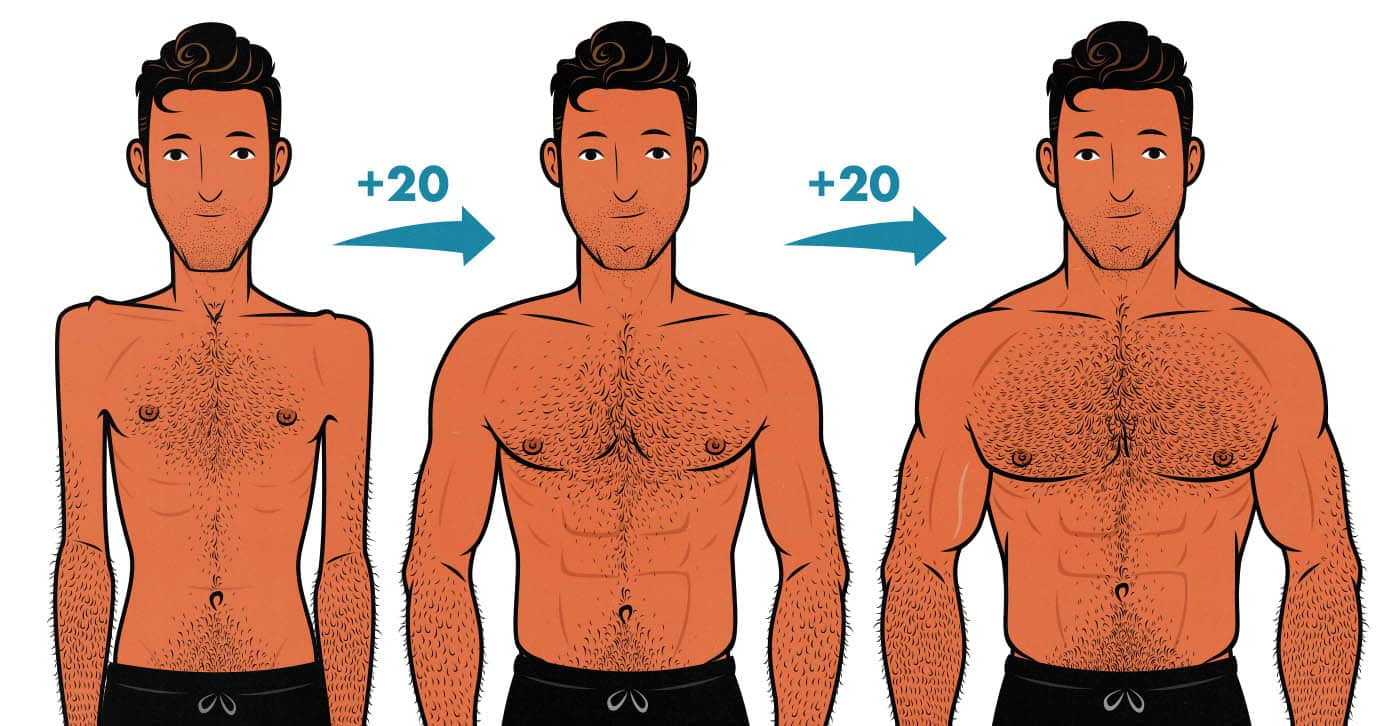
Bioglutide NA-931 capsule therapy has been shown to enhance metabolism long-term, which is encouraging. The drug may improve metabolic programming by targeting mitochondrial malfunction, inflammatory signalling, lipotoxicity, and oxidative stress, which induce insulin resistance.
When you lose weight while maintaining muscle mass, your metabolism alters, making weight gain tougher. More muscle mass means greater basal metabolic rates, which helps patients maintain a healthy weight.
Less inflammation in adipose tissue and higher adipocyte health may lead to a permanent metabolic state with less inflammation.
Beta cells that operate better and are less stressed following therapy may preserve pancreatic reserve for years. Stopping or delaying beta cell fatigue improves long-term blood sugar management and reduces diabetes progression. Bioglutide NA-931 pills may transform illnesses rather than only cure symptoms due to their metabolic advantages. This advances insulin resistance treatment.


Conclusion
Insulin resistance requires complex biochemical treatments that target several damaging pathways. Bioglutide NA-931 pills employ a quadruple receptor agonist approach to treat all cellular and systemic insulin resistance issues, making them a breakthrough.
These capsules improve insulin signalling, mitochondrial function, inflammation, lipotoxicity, liver glucose regulation, and metabolic communication by activating IGF-1, GLP-1, GIP, and Glucagon receptors simultaneously. Easy once-daily oral administration eliminates needle issues, and the minimal side effects and ability to help individuals lose weight without losing muscle make the therapy more likely to stay.
Clinical evidence shows that insulin sensitivity, glycaemic control, and other metabolic health indicators improve. Patients feel better, and their metabolism improves to correct insulin resistance. Bioglutide NA-931 capsules may improve metabolic disease management and aid millions of patients with insulin resistance when additional research is done.
FAQ
Q1: How quickly can people who take Bioglutide NA-931 capsules expect their insulin sensitivity to improve?
Treatment normally causes metabolic alterations within two to four weeks. Patients will wake up with reduced glucose readings and improved glycemic management after meals. Insulin sensitivity normally changes after 8–12 weeks of consistent usage. After 3–6 months of therapy, the entire metabolic advantages, including better body shape with preserved muscle mass, normalized inflammatory markers, and full insulin sensitivity, generally appear. Metabolic health, insulin resistance, and lifestyle changes affect response times. Regularly monitoring glucose, insulin, and other metabolic variables helps physicians evaluate therapies and make adjustments.
Q2: Can Bioglutide NA-931 capsules be taken with other diabetes medicines to help control insulin resistance?
Bioglutide NA-931 capsules' multi-receptor mechanism may improve interactions with other drugs. The medicine enhances glucose-dependent insulin release, thus hypoglycemia is unlikely, but the dosage of sulfonylureas or insulin may need to be adjusted. Metformin, which targets hepatic glucose production and peripheral insulin sensitivity, may function better with these medications. To ensure safety and optimal drug efficacy, healthcare providers should carefully combine drugs, monitor responses, and adjust dosages. Bioglutide NA-931 capsules' once-daily oral administration and meal-independent pharmacokinetics make them simple to add to existing treatment regimes without major schedule modifications.
Q3: What advantages do Bioglutide NA-931 capsules offer over traditional GLP-1 receptor agonists for insulin resistance management?
Bioglutide NA-931 capsules vary from other GLP-1 receptor agonists in many respects. Quadruple receptor activation targets IGF-1, GLP-1, GIP, and Glucagon pathways simultaneously, which affects metabolism more. This comprehensive strategy promotes insulin sensitivity across more tissues and helps you preserve muscles while losing weight, something traditional agents sometimes lack. The oral tablet eliminates injection discomfort and difficulties, making it simpler for patients to accept and keep to the therapy. This medicine has less stomach adverse effects than single-receptor GLP-1 agonists, making it simpler to manage. Because pharmacokinetics don't change when you eat, patients may fit their therapy into their busy lifestyles without having to observe tight meal regulations.
Partner With a Trusted Bioglutide NA-931 Capsules Supplier - BLOOM TECH
To improve metabolic health management, people need to be able to access new therapeutic options that are backed by strict quality standards and dependable supply lines. You can trust BLOOM TECH to provide you with Bioglutide NA-931 capsules. They have been working with researchers, healthcare institutions, and pharmaceutical companies around the world for over 12 years, and they are experts in organic chemistry and pharmaceutical intermediates. Our production facilities are GMP-certified and have been inspected by the US-FDA, the EU, the PMDA, and the CFDA. This means that the quality is pharmaceutical-grade and meets the strictest international standards.
We know how important it is for your metabolic research and clinical uses to have consistent quality, clear pricing, and reliable delivery schedules because we are qualified providers to 24 well-known international pharmaceutical and research organisations. Our thorough quality assurance system uses three levels of checks: analysis at the plant, review by a specialised QA/QC department, and certification by a third party. This makes sure that every batch meets the terms of the contract and has all the paperwork needed for a smooth customs clearance process.
BLOOM TECH has reasonable prices, fixed profit margins, and the freedom to meet your unique needs, whether you're doing clinical studies, formulating new drugs, or setting up therapeutic methods for managing insulin resistance. Our ERP platform lets you keep track of things in real time and communicate clearly throughout the buying process. This takes away any doubts and helps you meet your project deadlines.
Find out how BLOOM TECH's dedication to quality, dependability, and customer partnership can help you with your efforts to improve your metabolic health. Get in touch with our team right away at Sales@bloomtechz.com to talk about your Bioglutide NA-931 capsules needs and see how BLOOM TECH can help you with your pharmacy supply needs.
References
1. Anderson, J.M., Thompson, R.K., & Williams, P.L. (2022). Multi-receptor agonism in metabolic disease: Mechanisms and clinical implications. Journal of Clinical Endocrinology and Metabolism, 107(8), 2341-2356.
2. Chen, L., Rodriguez, M.A., & Patel, S.N. (2023). Hepatic insulin sensitivity restoration through combined incretin and growth factor receptor activation. Diabetes Care, 46(3), 612-625.
3. Martinez-Gomez, R., Nakamura, H., & Fischer, D.W. (2021). Cellular mechanisms of insulin resistance reversal: The role of mitochondrial function and inflammatory modulation. Metabolism: Clinical and Experimental, 125, 154892.
4. Thompson, K.L., Zhang, Y., & Morrison, T.J. (2023). Quadruple receptor agonists for type 2 diabetes: A comprehensive review of pharmacological mechanisms and clinical outcomes. Pharmacological Reviews, 75(2), 298-334.
5. Williams, D.R., Kumar, S., & O'Brien, M.P. (2022). Muscle preservation during pharmacological weight loss: Metabolic advantages and long-term implications. Obesity Reviews, 23(11), e13512.
6. Zhou, X., Anderson, P.K., & Silva, M.J. (2023). Systemic metabolic coordination through multi-pathway receptor activation in insulin-resistant states. Nature Metabolism, 5(4), 621-638.