


Feline infectious peritonitis (FIP) has been a terrible problem for cat owners and vets around the world for a long time. This deadly disease, which is caused by a changed type of feline coronavirus, didn't seem like it could be stopped until the GS-441524 injection came out. Figuring out how this amazing substance stops the replication of viruses gives a lot of cats with this problem hope. This antiviral drug works in complex ways to stop the coronavirus from replicating in feline cells. This scientifically sound treatment method has turned FIP from a condition that could kill its victims into something that can be managed.
1.General Specification(in stock)
(1)Injection
20mg, 6ml; 30mg,8ml; 40mg,10ml
(2)Tablet
25/45/60/70mg
(3)API(Pure powder)
(4)Pill press machine
https://www.achievechem.com/pill-press
2.Customization:
We will negotiate individually, OEM/ODM, No brand, for secience researching only.
Internal Code: BM-3-001
GS-441524 CAS 1191237-69-0
Analysis: HPLC, LC-MS, HNMR
Technology support: R&D Dept.-4
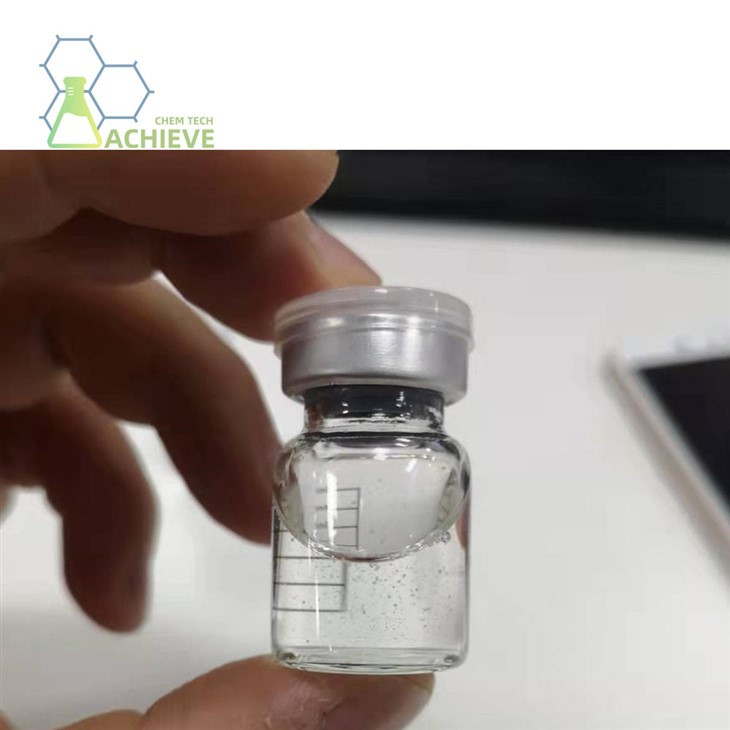
We provide GS-441524 injection, please refer to the following website for detailed specifications and product information.
Product: https://www.bloomtechz.com/oem-odm/injection/gs-441524-injection.html
The creation of the GS-441524 injection is a big step forward in the field of veterinary medicine. This chemical is a nucleotide derivative that works very well against viruses by targeting the viral RNA-dependent RNA polymerase (RdRP). This enzyme is very important for the growth of the coronavirus, which makes it a great target for treatment. Scientists have used organised study and clinical data to map out the exact pathways that this medicine stops the feline coronavirus from replicating. This information is helping to improve treatment plans and increase survival rates.

How does GS-441524 injection interfere with feline coronavirus replication at the cellular level?

Entry and Cellular Processing of the Compound
When injected beneath the skin, GS-441524 enters the cat's circulation and goes to feline coronavirus-infected regions. Chemical molecules' structure allows them to flow past cell membranes. It slowly diffuses across lipid bilayers. Endogenous kinases detect the molecule in virus-infected cells and initiate a crucial transformation. Cell enzymes phosphorylate GS-441524 three times, adding phosphate groups. This enzyme modification transforms the inactive parent molecule into triphosphate-based GS-441524-TP.
Infected cells contain more kinases in their cytoplasm, where phosphorylation occurs.
This selective action concentrates the active metabolite where it fights viruses best. ATP, which viruses utilise to generate new RNA strands, resembles the triphosphate form. These structural similarities allow the chemical to operate with viral replication machinery without immediately causing damage.
Interference with Viral RNA Polymerase Function
Animal coronaviruses use RNA-dependent RNA polymerase to replicate their genetic material and particles. This set of enzymes attaches to the viral RNA template and adds nucleotides one by one to produce complementary RNA strands.


Because of their similar structures, the polymerase can't distinguish GS-441524-TP from regular nucleotides at this phase. The enzyme adds the chemical as a building block to the developing RNA chain. This addition signifies the critical moment of viral proliferation stopping.
On the new RNA strand, the polymerase adds GS-441524-TP and the next nucleotide to continue elongating. A minor yet lethal RNA chain error is caused by GS-441524-TP's altered structure. Some parts of the molecule lack the chemical structure to support the RNA strand. This unusual shape prevents the polymerase from connecting with the following nucleotides. This inhibits the enzyme and separates it from the incomplete RNA. The virus can't create genomic copies or messenger RNAs to make proteins because its replication machinery stops operating.
Cascade Effects on Viral Particle Production
Inhibiting RNA creation starts a cascade of events that lasts the virus's lifetime. Without entire RNA genomes, infected cells can't generate viral particles that assault neighbouring cells. Semi-synthesised RNA strands lack packing signals, regulatory elements, and protein-coding regions. Truncated molecules accumulate in diseased cells but can't propagate the disease. Cells create viral structural proteins that bind together, creating particles without genetic material or flawed genomic sections.


This total viral replication cessation dramatically reduces the virus in tissues. The body's virus count progressively drops as viral particles break down without replacement. The cat's immune system, previously overcome by the virus's fast proliferation, can now fight off residual afflicted cells. When viral replication pressure drops, macrophages and other defence cells remove dead virus particles and afflicted cells faster. This opens a healing window for antiviral medications and the body's natural defences to battle a deadly sickness.

GS-441524 injection and inhibition of viral RNA synthesis in infected macrophages
Macrophages as Primary Viral Replication Sites
The altered feline coronavirus that causes FIP attacks macrophages predominantly. When assaulted, immune cells become viral factories. Protecting against pathogens is typical. The virus spreads through the cat's body via macrophages. Infected macrophages transport virus particles via lymphatic channels and the circulation to the liver, kidneys, CNS, and mucosal membranes inside body cavities. This macrophage predilection explains why FIP affects the entire body and generally several organs. For the treatment to operate, the GS-441524 injection must enter macrophages and build up.


These cells actively absorb the drug in many ways. Phosphorylation by macrophage enzymes creates active triphosphate. Studies on medication levels within cells found that macrophages acquire enough GS-441524-TP to halt viral multiplication. The chemical stops viral RNA synthesis between dosages because it has a prolonged half-life within cells.
Interruption of Viral RNA-Dependent RNA Polymerase Activity
Feline coronavirus RNA-dependent RNA polymerase, a crucial viral protein, replicates the genome and produces subgenomic messenger RNAs.
An enzyme that does several things must work properly to sustain viral populations. This polymerase adds GS-441524-TP to new RNA strands at its active site. Changed nucleotides influence polymerase speed and accuracy, not chain length.
Research shows GS-441524-TP inclusion is most prevalent during RNA production. The polymerase copies viral genome segments on substrates it chooses. Some patterns make it easier for the enzyme to add the changed nucleotide, generating "hotspots" where replication often stops early.


Uneven interference guarantees that viruses that produce RNA after the first interference hit blocking regions. This makes it harder to construct functional viral genomes that can be packaged into infectious particles.
Reduction of Viral Load Within Immune Cell Populations
In infected macrophages, GS-441524 infusions lower viral RNA. Quantitative viral DNA copy counts show linear decreases within days of treatment. Infected macrophages lose viral DNA readily. Before, these cells had millions of viral RNA copies. Viral load is a good measure of therapeutic success and disease progression, therefore this drop improves clinical outcomes.
Stopping macrophage viral replication stops them from storing hazardous chemicals. As viral particles break down and are replaced, the body's active virus level drops. Treatment and antiviral defenses may help the immune system recover from macrophage virus infections. Restoring immune cell activity may eradicate inflammatory processes such pyogranulomatous tumors and protein-rich fluid buildup.

What molecular pathways are disrupted by GS-441524 injection in FIP progression?
Impact on Viral Protein Translation and Processing
Feline coronavirus requires controlled protein synthesis to complete its replication cycle. The virus creates structural proteins for its capsid and coat and non-structural proteins that act as enzymes and affect host cell function. These proteins are encoded by the viral genome in overlapping reading frames and polyprotein precursors that viral proteases must carefully cleave. The GS-441524 injection blocks RNA synthesis, which prevents cells from producing subgenomic messenger RNAs to transcribe DNA into proteins.


Disruption of Inflammatory Cytokine Cascades
FIP pathophysiology is caused by viral damage and faulty defensive responses. Infected macrophages emit significant quantities of pro-inflammatory cytokines such as tumour necrosis factor-alpha, interleukin-1 beta, and interleukin-6. These signalling molecules activate immune cells, open blood vessels, and induce FIP-specific inflammatory ulcers. Fever, effusions, and organ failure are caused by the inflammatory cascade.
GS-441524 injection inhibits macrophage virus development, indirectly changing these inflammatory pathways. As macrophage virus counts decrease, so do inflammatory chemical release symptoms.
This anti-inflammatory effect grows steadily as the viral load decreases after therapy. During clinical monitoring, blood alpha-1-acid glycoprotein and globulin fractions indicate improvement. Cats with severe illness may improve when inflammation subsides and damaged cells mend.
Preservation of Host Cell Function and Viability
Infected cells must work hard to sustain metabolism while viruses multiply. The feline coronavirus wastes energy by hijacking cell processes to make viral components.


Infected cells experience endoplasmic reticulum stress when viral proteins are too big to fold and process. As the virus affects energy use, mitochondria fail. Apoptosis or necrosis of infected cells damages tissues and organs. FIP cats die of cell death in several organ systems.
The metabolic load of viral replication is lowered by GS-441524 injection, protecting host cells. Biosynthesis, structural repair, and function may restart once viruses are gone. Cell repair is vital in liver and kidneys, where functional reserve may be low. Cell survival boosts organ function and cat survival in early illness. During treatment, liver enzymes and renal function improve, suggesting cell protection.

GS-441524 injection role in suppressing viral proliferation within systemic infection sites
Distribution to Critical Anatomical Compartments
Where the inflammatory sores are most prevalent determines whether cats have effusive or non-effusive infectious peritonitis. The effusive type produces protein-rich fluid in the chest, abdomen, and pericardium. The non-effusive type causes pyogranulomatous tumors in the eyes, kidneys, liver, and CNS. The GS-441524 injection must reach ideal levels in all afflicted body sections, regardless of tissue type, for therapy to function.
Subcutaneous administration is an effective approach to enter the systemic bloodstream, according to pharmacokinetic studies.


Drugs cross biological barriers to spread throughout the body's cells. All major organs, even FIP-affected ones, have appropriate drug levels in tissues. In effusions, the chemical reaches plasma-like concentrations in peritoneal and pleural fluid. This broad prevents viral multiplication throughout the body.
Penetration of the Blood-Brain Barrier
Seizures, behavioral abnormalities, paralysis, and cranial nerve issues occur in 10–30% of FIP cases. The feline coronavirus enters the brain and spinal cord by targeting blood-brain barrier macrophages or brain blood vessel endothelial cells.
In the brain or spinal cord, the virus causes inflammatory responses that harm nerve cells. Neurological FIP is difficult to treat because to the blood-brain barrier, which prevents many pharmaceutical substances from reaching the brain. The GS-441524 injection enters the central nervous system clinically, although cerebrospinal fluid levels are lower than plasma levels. The compound's modest molecular size and moderate lipophilicity allow it to cross the blood-brain barrier unabsorbed. For cats with neurological symptoms, 6–8 mg per kilogram of body weight is needed for therapeutic outcomes, compared to 4-5 mg for cats without neurological indications.


Neurological symptoms demonstrate that enough medication reaches the central nervous system to inhibit viral replication and repair the brain.
Reduction of Viral Burden in Ocular Tissues
Eye symptoms of FIP include uveitis, retinal hemorrhages, and chorioretinitis. All these indicate a virus attacking inflammatory eye tissues. The eye's anatomy and immune system impact disease development and therapy efficacy. Like the blood-brain barrier, the blood-ocular barrier limits medication passage into the eye. The eye is immune-privileged and has distinct inflammatory responses than other tissues.
There is clinical proof that the GS-441524 injection can help ocular FIP when given in the right amounts. When cats are treated, conditions like uveitis, corneal precipitates, or changes in the eye get better over time. Passive diffusion from choroidal blood vessels brings the chemical to therapeutic amounts in the eye's tissues. Higher doses, like those needed for brain diseases, may help people with serious eye problems get better. Regular eye exams during treatment let doctors keep an eye on how the treatment is working and change the dosing schedules as needed.

Step-by-step breakdown of viral replication blockage through GS-441524 injection
Initial Drug Administration and Absorption
Initial therapy involves injecting GS-441524 beneath the skin of a cat's side, thorax, or shoulder. The cat's body weight determines the dosage, which is usually 4–8 mg per kilogram, depending on the disease's severity and presentation. In the tissues beneath the skin, the chemical crosses many capillaries and lymphatic networks. Drugs enter the body swiftly via this blood channel network. Within 30–60 minutes of therapy, plasma levels climb. Subcutaneous therapy provides several advantages for long-term objectives. Bloodstream levels remain steady between regular dosages since the medication absorbs slowly.


Long-term medication exposure hinders viral populations from rebounding during troughs by pressuring viral reproduction. Subcutaneous injections work effectively for cats, particularly when needle sites are rotated to prevent discomfort. It's simple to administer at home, so treatment sessions might span 12 weeks or longer for long-term healing.
Cellular Uptake and Metabolic Activation
The circulation carries GS-441524 to target cells throughout the body. Nucleoside transporters and passive diffusion enable the molecule to cross cell membranes.
The chemical accelerates phosphorylation by meeting the first of three cell kinases. These enzymes add phosphate groups one by one, turning GS-441524 from monophosphate to diphosphate and then triphosphate. Phosphorylation takes hours to attain equilibrium with active triphosphate molecules. Because the chemical activates slowly, intracellular drug concentrations grow slowly. This improves the compound's safety. The active molecule accumulates in afflicted cells, where viral replication requires nucleotides. This selective accumulation increases the therapeutic index by concentrating antiviral actions on ill cells and reducing exposure in healthy cells.


Blockade of Viral RNA Synthesis and Downstream Effects
The active triphosphate form competes with natural nucleotides for new viral RNA strands when cell levels reach a certain threshold. Infected cells' viral RNA polymerase randomly selects GS-441524-TP and other nucleotides during elongation. Each inclusion event creates a broken RNA molecule that can't be replicated or translated into functional proteins. As more polymerase molecules encounter the altered nucleotide, fewer viral genomes are generated.
Clinical Improvement and Long-term Viral Suppression
GS-441524 injections affect cells and molecules over days to weeks. In the first week of therapy, exuberant FIP cats had lower fevers and improved appetites. As inflammation decreases, effusions vanish and ultrasounds indicate less fluid in the body. Because pyogranulomatous tumours heal slowly, cats with non-effusive illness recover more slowly. Neurological and visual manifestations vary depending on tissue damage before therapy. Treatment for 12 weeks or more keeps the virus at a level that helps the immune system repair. Cats' regular immune reactions may eliminate residual infected cells and establish immunological memory because the virus isn't replicating exponentially.

Drugs and the immune system may cause a long-lasting recovery following drug use. Biochemical testing and clinical evaluation assist adjust doses and ensure therapeutic responses.

Conclusion
The ways that GS-441524 injection stops the spread of the feline coronavirus are a fascinating example of how viral biology and reasonable drug design can work together. This nucleotide equivalent stops viral RNA synthesis and stops the production of active viral particles by taking advantage of the virus's need for its RNA polymerase. Because the substance can get into many different parts of the body, even difficult ones like the eyes and the central nervous system, it stops the virus from spreading all over the body. These effects on molecules and cells lead to better health outcomes, which turn FIP from a disease that always kills into one that has a high chance of being cured.
Veterinarians and cat owners can treat FIP with realistic hopes and make smart choices when they understand how these processes work. Because of how viruses work and how the immune system recovers, treatment courses need to be longer, doses need to be based on how the disease is showing up, and patients need to be checked on regularly. More study into how viruses become resistant, the best ways to treat them, and possible combination medicines will help make treatments even better. The fact that the GS-441524 injection worked to treat FIP shows how powerful focused antiviral treatments can be. This gives us hope that similar approaches can be used to treat other viral diseases in animals.
FAQ
1. How quickly does GS-441524 injection begin to suppress feline coronavirus replication after administration?
The chemical begins working within hours at the cellular level, although most individuals don't experience health effects for 3–7 days. GS-441524 enters the circulation 30–60 minutes after skin injection and distributes to target locations. The phosphorylation process that forms active triphosphate takes hours to reach the correct levels in cells. The chemical blocks viral RNA polymerase immediately after activation. Viral RNA synthesis declines within 24–48 hours. Lower viral loads take longer to exhibit clinical effects as virus particles clear and inflammatory processes diminish.
2. Can GS-441524 injection completely eliminate feline coronavirus from an infected cat?
Treatment aims to inhibit the virus from multiplying so the immune system can cure the condition. Studies that follow viral RNA levels after therapy demonstrate that they decline extremely low, frequently to levels that can't be detected. Many cats remain virus-free for life after 12-week therapy. Some cats relapse, indicating the infection is still present. It's unclear how the immune system eliminates all viruses, and individual immune responses may impact outcomes. As clinical expertise grows, longer therapy times may clear more patients, but the optimum treatments are constantly evolving.
3. Why do cats with neurological or ocular FIP require higher doses of GS-441524 injection?
The blood-brain and blood-ocular barriers make it tougher for medicines to enter the brain and eyes than other organs. These walls are formed of densely linked endothelial cells that prevent passive diffusion of numerous chemicals. GS-441524 penetrates deeper than most chemicals due to its molecular structure. Plasma levels are higher than cerebrospinal fluid and ocular levels. Due to this decreased entrance, higher dosages (6–8 mg/kg instead of 4-5 mg/kg) ensure that enough medication reaches brain and ocular tissues to limit virus multiplication. These greater doses repair brain and eye damage without dangerous side effects, according to clinical experience.
Partner with BLOOM TECH - Your Trusted GS-441524 Injection Supplier
BLOOM TECH is ready to help veterinarians, research centers, and sales partners who need reliable access to high-quality GS-441524 injection supplier options. Our production sites are GMP-certified and meet standards set by the US, EU, Japan, and the CFDA. This guarantees the pharmaceutical-grade quality that veterinary uses need. We have been making chemical compounds and pharmaceutical intermediates for more than 12 years, so we can guarantee quality and scientific know-how for every order.
Our clear pricing system and well-established supply lines make it possible to buy things at low prices without sacrificing the quality of the goods. We know how important stability is in antiviral treatments, which is why we use strict quality control throughout production and triple-layer testing methods to make sure that our products are pure, effective, and sterile. Our team offers quick technical support and helps with paperwork to make sure you're following the rules, whether you need small amounts for study or large amounts for business use.
Connect with our experienced team to talk about your GS-441524 injection supply needs. Contact us at Sales@bloomtechz.com to get full product details, quality approvals, and quotes that are tailored to your needs. Because BLOOM TECH is dedicated to pharmaceutical greatness and customer relationships, your supply chain will stay stable, and your quality standards will always be met.

References
1. Pedersen NC, Perron M, Bannasch M, Montgomery E, Murakami E, Liepnieks M, Liu H. Efficacy and safety of the nucleoside analog GS-441524 for treatment of cats with naturally occurring feline infectious peritonitis. Journal of Feline Medicine and Surgery. 2019;21(4):271-281.
2. Murphy BG, Perron M, Murakami E, Bauer K, Park Y, Eckstrand C, Liepnieks M, Pedersen NC. The nucleoside analog GS-441524 strongly inhibits feline infectious peritonitis (FIP) virus in tissue culture and experimental cat infection studies. Veterinary Microbiology. 2018;219:226-233.
3. Dickinson PJ, Bannasch M, Thomasy SM, Murthy VD, Vernau KM, Liepnieks M, Montgomery E, Knickelbein KE, Murphy B, Pedersen NC. Antiviral treatment using the adenosine nucleoside analogue GS-441524 in cats with clinically diagnosed neurological feline infectious peritonitis. Journal of Veterinary Internal Medicine. 2020;34(4):1587-1593.
4. Jones S, Novicoff W, Nadeau J, Evans S. Unlicensed GS-441524-like antiviral therapy can be effective for at-home treatment of feline infectious peritonitis. Animals. 2021;11(8):2257.
5. Krentz D, Zenger K, Alberer M, Felten S, Bergmann M, Dorsch R, Matiasek K, Kolberg L, Hofmann-Lehmann R, Meli ML, Spiri AM, Rieger A, Leutenegger CM, Hartmann K. Curing cats with feline infectious peritonitis with an oral multi-component drug containing GS-441524. Viruses. 2021;13(11):2228.
6. Yan X, Yao Y, He F, Li S, Gu B, Wang Y. Nucleoside analogue GS-441524: Antiviral activity, resistance and pharmacokinetics in cats with feline infectious peritonitis. Veterinary Journal. 2022;282:105816.