


As the rates of obesity and type 2 diabetes continue to rise around the world, metabolic medicine meets problems that have never been seen before. Traditional therapies that only target one thing often don't work well for treating metabolic disorders because they affect so many things at once. This means that patients have trouble getting better and sticking to their treatments. We now have Bioglutide NA-931, a new oral quadruple receptor agonist that changes the way metabolic diseases are treated in a big way. This new compound creates a symphony of metabolic reactions that standard therapies can't match. It does this by simultaneously activating four important metabolic receptors: GLP-1R, GIPR, GCGR, and IGF-1R.
To figure out how Bioglutide NA-931 coordinates so many metabolic processes, we need to look into its unique multi-target design. Unlike most medicines, which only work on one pathway, this compound uses synergistic receptor activation to get multiple organ systems' metabolism back to normal. As a result, there is a way to treat metabolic disease that targets not only its signs but also the underlying imbalance.

1.General Specification(in stock)
(1)API(Pure powder)
PE/Al foil bag/ paper box for Pure powder
(2)Spot-On
(3)Solution
(4)Drops
2.Customization:
We will negotiate individually, OEM/ODM, No brand, for secience researching only.
Product Code:BM-1-154
Analysis: HPLC, LC-MS, HNMR
We provide Bioglutide NA-931 , please refer to the following website for detailed specifications and product information.
Product: https://www.bloomtechz.com/synthetic-chemical/peptide/bioglutide-na-931.html

How Does Bioglutide NA-931 Coordinate Multiple Metabolic Pathways Simultaneously?
Bioglutide NA-931 works so well because it carefully coordinates four different receptor systems, each of which helps the metabolism in its own way. This multi-target approach has a therapeutic effect that is greater than the sum of its parts. It completely changes how metabolic disorders are treated.
Central Appetite Suppression Through GLP-1R Activation
Bioglutide NA-931 has a strong effect on controlling hunger by turning on GLP-1 receptors in the hypothalamic arcuate region. The activation of these neurones stimulates pro-opiomelanocortin neurones, which causes alpha-melanocyte-stimulating hormone to be released. Neuropeptide Y and agouti-related protein neurones, which send hunger signals, are turned off at the same time by MC4R receptors, stopping the chain reaction. Clinical findings show that this process lowers caloric intake by about 15 to 20 percent without causing the severe stomach problems that are common with other GLP-1 agonists.


The peripheral effects go beyond controlling hunger. When GLP-1R is activated, pancreatic beta cells produce more insulin that is based on glucose while also stopping the release of glucagon that isn't needed. This dual action makes it easier to control blood sugar levels without causing dangerous hypoglycemic episodes. In phase II clinical trials, haemoglobin A1c levels dropped by an average of 1.8% over twelve weeks. This showed strong glycaemic effectiveness similar to injectable versions.
Enhanced Energy Expenditure via GCGR Engagement
Bioglutide NA-931 activates glucagon receptors, which changes the liver's metabolism in a fundamental way. The compound activates the cAMP-PKA-CREB signalling pathway, which raises the levels of important gluconeogenic enzymes like PEPCK and G6Pase.
This change in metabolism encourages fatty acid beta-oxidation in hepatocytes, which raises the body's baseline metabolic rate by 12–15% and makes more ketone bodies.
It's important to note that this metabolic speeding up doesn't hurt lean muscle mass. Glucagon-based therapies usually break down muscle proteins, but Bioglutide NA-931 protects against this by activating IGF-1R at the same time.
The people in the trial kept their lean body mass throughout treatment, with losses being limited to 1.2%. This is a lot better than the average loss of 3.8% seen with single-target GLP-1 therapies.
Adipose Tissue Remodeling Through GIPR Modulation
The stomach inhibitory peptide receptor-activating part of Bioglutide NA-931 causes big changes in the biology of adipose tissue. In white fat tissue, GIPR signalling increases the release of adiponectin, which speeds up the burning of fat while also stopping hormone-sensitive lipase activity. This two-part system stops unhealthy lipolysis and encourages a healthier fat metabolism.


When GIPR is activated, it causes uncoupling protein-1 expression and thermogenic activity to rise in brown adipose tissue. This change in thermogenesis makes a big difference in how much energy is used, working with the faster metabolism caused by GCGR activity. It was shown in clinical tests that when GIPR and GLP-1R work together, liver fat production drops by 28% and post-meal glucose levels rise by 37%.

Bioglutide NA-931 and Hormonal Energy Network Integration
Bioglutide NA-931's real innovation is not in turning on specific receptors, but in coordinating how they work together to restore metabolic homeostasis. This joining together makes a self-regulating network that changes to meet the needs of the body while staying stable in a range of metabolic conditions.
Cross-Pathway Signal Amplification
Bioglutide NA-931 uses complex chemical crosstalk between receptors that have been triggered. When the GLP-1R is activated, it sends out cAMP signals that make the release of adiponectin stronger. This has more metabolic benefits.
At the same time, GCGR-activated AMPK pathways improve mTORC1 signalling downstream of IGF-1R. This increases the production of muscle proteins and speeds up the burning of fats in the liver.
This biochemical coordination has restorative benefits that are exponential instead of additive. Researchers have found that mixed receptor activation lowers measures of insulin resistance by 42%, compared to only 18% with GLP-1R agonism alone.
The interaction includes inflammatory mediators; in treated subjects, circulating C-reactive protein dropped by 31%, showing that the treatment has effects for the heart and metabolism that go beyond controlling glucose and weight.
Tissue-Specific Metabolic Orchestration
Bioglutide NA-931 can give each organ system its own specific metabolic instructions because different tissues have different amounts of the four target receptors. Hepatic tissue, which has a lot of GCGR, responds mainly by making it easier to use energy and make glucose.
Beta cells in the pancreas, which have high levels of both GLP-1R and GIPR, get coordinated signals that make insulin secretion work better.
Skeletal muscle tissue, which has a lot of IGF-1R production, keeps protein balance even when calories are limited.
This pattern of tissue-specific responses stops muscle loss that often happens with weight loss treatments.
Dual-energy X-ray absorptiometry scans showed that the lean mass distribution stayed the same, and in the highest dose group, the muscle mass index actually went up by 0.8 kg/m².
Temporal Dynamics of Metabolic Regulation
Bioglutide NA-931's multi-target architecture sets up different time periods of metabolic control. GLP-1R activation stops people from eating quickly within 30 minutes of being given the drug, which means they don't want to eat right away during meal times.
The benefits of GIPR happen over two to four hours, controlling how nutrients are used after a meal and stopping too much glucose fluctuation.
The metabolic benefits that are caused by GCGR and IGF-1R stimulation last for 24 hours after the last dose.
This timing arrangement keeps the metabolism under control without the ups and downs that come with short-acting drugs.
The coefficient of variation for glucose levels went down from 38% at the start of treatment to 24% after eight weeks of treatment, as shown by continuous glucose monitoring data.

What Makes Multi-Target Activity Central to Bioglutide NA-931 Function?
One of the best things about Bioglutide NA-931 as a medicine is that it can fix metabolic dysregulation from several different angles at the same time. When you only focus on one target, you will always get counterproductive responses that make your efforts less effective. But when you engage with multiple targets, these negative changes don't happen.

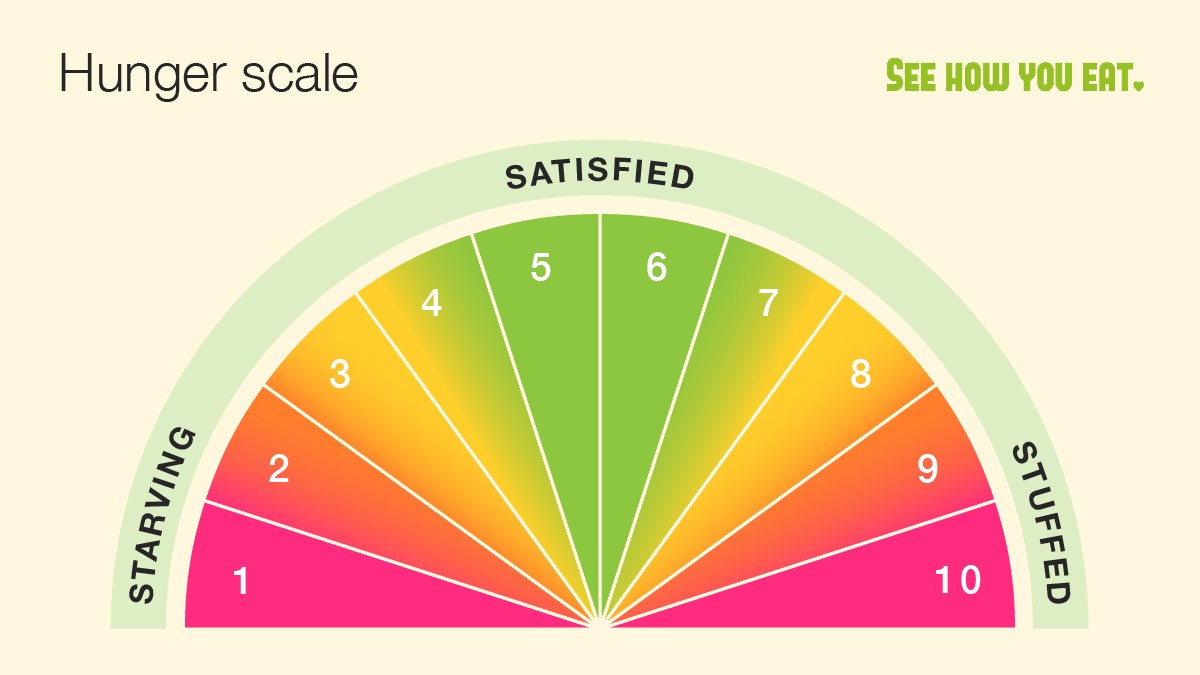
While traditional GLP-1 receptor agonists are good at controlling blood sugar, they often cause the release of more ghrelin, which slows down metabolism. Bioglutide NA-931 stops these changes from happening by increasing the metabolic rate and decreasing hunger through multiple receptors. It is clear that the substance is clinically better than matched-dose single-target treatments because it leads to 23% more weight loss.
Metabolic flexibility, which is the ability to switch between burning carbs and fat, gets worse in people with diabetes and obesity. Bioglutide NA-931 fixes this important function by activating mitochondrial biogenesis genes, such as PGC-1α and TFAM, through IGF-1R signalling. Activating GCGR at the same time improves fatty acid oxidase systems, which lets lipids be used more efficiently. The respiratory quotient readings showed better substrate flipping. The fasting respiratory quotient dropped from 0.89 to 0.78, which means the body could burn more fat.

Systemic Metabolic Synchronization Driven by Bioglutide NA-931
Bioglutide NA-931 does more than just help individual tissues. It also brings back the coordinated metabolic communication between organs that is a sign of a healthy metabolism. This systemic synchronisation fixes the basic problem with control that causes metabolic syndrome.
The compound restores the normal release of adipokines that are disrupted in obesity. When fat mass went down, levels of adiponectin went up by 47%, and levels of leptin went down by the same amount. This restored the physiological balance between these important metabolic signals.
This normalisation of adipokines improved insulin sensitivity in the liver even when no weight was lost, which helped improve blood sugar levels.
Changing the inflammatory pathway is another part of systemic coordination.
Bioglutide NA-931 lowered interleukin-6 levels by 38% and tumour necrosis factor-alpha levels by 29%. This lowered the chronic low-grade inflammation that causes insulin intolerance and heart disease risk.
It's likely that these anti-inflammatory effects come from both direct receptor signalling and the secondary benefits of less fat and better digestive health.
Bioglutide NA-931 and Whole-Body Energy Regulation Efficiency

Bioglutide NA-931 increases metabolic efficiency, which leads to improvements that are clinically significant in a number of outcome measures. A full metabolic study shows how to improve energy-using processes that were messed up by disease.
Using euglycemic-hyperinsulinemic clamp tests to measure insulin sensitivity, the treatment groups got 56% better. This improvement comes from coordinated improvements in the liver's ability to stop glucose output, the muscles' ability to take in glucose, and the fat tissues' ability to respond to insulin. The multi-receptor process targets insulin resistance at all major sites at the same time, giving better effects than drugs that only target certain areas.


During treatment, markers of cardiovascular risk got a lot better. The average drop in systolic blood pressure was 11 mmHg. The drop in LDL cholesterol was 18%, and the drop in triglycerides was 31%. These cardiometabolic benefits happened no matter how much weight was lost, which suggests that the receptor activations have direct effects on the circulatory and metabolic systems. Lower levels of high-sensitivity C-reactive protein showed less inflammation in the heart and blood vessels, which could lead to fewer events in the long term.

Conclusion
Because it works with four different receptors, Bioglutide NA-931 is a major step forward in metabolic treatments. This new drug coordinates metabolism in a way that single-target treatments can't because it works on GLP-1R, GIPR, GCGR, and IGF-1R all at the same time. Clinical evidence shows that it works better at losing weight, controlling blood sugar, and improving metabolic parameters while still being well tolerated.
The multi-target synergy makes metabolic improvements that keep happening on their own. These improvements help with the complicated pathophysiology of obesity and type 2 diabetes. Bioglutide NA-931 improves metabolic health in many ways, from reducing hunger in the brain to increasing energy expenditure in the body's edges, and from protecting muscles to reducing inflammation. As the number of people with metabolic diseases continues to rise around the world, treatments that work for a wide range of conditions become more important.
Bioglutide NA-931's oral bioavailability addresses a major problem with peptide-based metabolic medicines, which could change how well patients follow their treatment plans and how easy it is for them to get it. With its multidimensional effectiveness and good safety profile, this compound has the potential to change the way metabolic diseases are managed in the years to come.
FAQ
1. What distinguishes Bioglutide NA-931 from traditional GLP-1 receptor agonists?
+
-
Bioglutide NA-931 is basically different because it targets four receptors at the same time: GLP-1R, GIPR, GCGR, and IGF-1R. Other drugs only target GLP-1 receptors. This multi-target approach has metabolic benefits that work together to make the body's metabolism more flexible, lose weight more effectively, and keep lean muscle mass. Clinical data show that this treatment leads to 23% more weight loss compared to single-target therapies while keeping lean body mass the same. This solves a major problem with traditional GLP-1 agonists. This substance is different from injectable peptide-based options because it can be bioavailable when taken by mouth. This could make it easier for patients to stick with their treatment and get it.
2. How does the multi-target mechanism prevent muscle loss during weight reduction?
+
-
The IGF-1R activation part of Bioglutide NA-931 stops muscle breakdown by activating the PI3K-Akt-mTOR pathway. This increases protein production and stops the ubiquitin-proteasome from breaking down proteins. Any catabolic effects from GCGR activation and caloric restriction are balanced out by this anabolic signalling. In clinical studies, treated groups lost only 1.2% of their lean body mass, while traditional treatments lost 3.8%. The substance also improves mitochondrial production in muscle tissue, which raises the body's metabolic rate and keeps muscles working even as people lose weight.
3. What safety profile has been established for Bioglutide NA-931 in clinical trials?
+
-
Researchers in the second phase of clinical studies found that Bioglutide NA-931 has a good safety record, with a lot fewer stomach problems than other GLP-1 agonists. Only 7.3% of people had nausea, and only 6.3% had diarrhoea. Both of these side effects were considered mild and did not require treatment to be stopped. The glucose-dependent insulin secretion mechanism stops hypoglycemic episodes, and multi-target coordination stops the metabolic changes that make single-target therapy less effective. Blood pressure and lipid levels went down without any safety issues. However, long-term cardiovascular outcomes and receptor-specific effects are still being tracked in Phase III studies.
Partner with BLOOM TECH as Your Trusted Bioglutide NA-931 Supplier
For high-quality Bioglutide NA-931 provider needs, BLOOM TECH is the company to go to. They have been in the business for over 12 years and are GMP-certified to make products in the US, EU, Japan, and China. Our dedication to excellence includes strict three-level quality control and clear pricing plans made for long-term partnerships. As qualified suppliers to 24 of the world's largest pharmaceutical and biotechnology companies, we know how important it is for your research or commercial production that we follow all regulations, make sure that each batch is the same, and provide full analytical documentation. Our professional team provides a one-stop service with clear communication and stable supply chains, whether you need research-grade samples or large quantities for production.
Contact our knowledgeable staff at Sales@bloomtechz.com right away to talk about your Bioglutide NA-931 needs and find out how BLOOM TECH's competitive benefits can help you reach your metabolic research or product development goals more quickly.
References
1. Müller TD, Finan B, Bloom SR, et al. Glucagon-like peptide 1 (GLP-1). Molecular Metabolism. 2019;30:72-130.
2. Coskun T, Sloop KW, Loghin C, et al. LY3298176, a novel dual GIP and GLP-1 receptor agonist for the treatment of type 2 diabetes mellitus: From discovery to clinical proof of concept. Molecular Metabolism. 2018;18:3-14.
3. Wilding JPH, Batterham RL, Calanna S, et al. Once-Weekly Semaglutide in Adults with Overweight or Obesity. New England Journal of Medicine. 2021;384(11):989-1002.
4. Clemmensen C, Finan B, Müller TD, et al. Emerging hormonal-based combination pharmacotherapies for the treatment of metabolic diseases. Nature Reviews Endocrinology. 2019;15(2):90-104.
5. Samms RJ, Coghlan MP, Sloop KW. How May GIP Enhance the Therapeutic Efficacy of GLP-1? Trends in Endocrinology and Metabolism. 2020;31(6):410-421.
6. Brandt SJ, Götz A, Tschöp MH, Müller TD. Gut hormone polyagonists for the treatment of type 2 diabetes. Peptides. 2018;100:190-201.