


Scientists are always looking for new tools that can work like the body does naturally and give them more ways to do experiments. This means that metabolic research is always changing. The Bioglutide NA-931 peptide is a one-of-a-kind research molecule that can be used to simultaneously examine several metabolic pathways. Scientists from all over the world are interested in this new compound. The peptide that was made in a lab is a great way for scientists to study changes in metabolism, hormonal signaling, and energy balance at the tissue level.
Researchers need advanced tools to model human metabolic complexity, as single-target approaches are limited. Bioglutide NA-931, a dual GLP-1 and glucagon receptor peptide, enables study of coordinated hormonal regulation. It helps researchers examine glucose metabolism, lipid use, and appetite control in integrated metabolic systems.
1.General Specification(in stock)
(1)API(Pure powder)
PE/Al foil bag/ paper box for Pure powder
(2)Spot-On
(3)Solution
(4)Drops
2.Customization:
We will negotiate individually, OEM/ODM, No brand, for secience researching only.
Product Code:BM-1-154
NA-931
Analysis: HPLC, LC-MS, HNMR
Technology support: R&D Dept.-3

We provide bioglutide NA-931, please refer to the following website for detailed specifications and product information.
Product: https://www.bloomtechz.com/synthetic-chemical/peptide/na-931-peptide.html

Why Is Bioglutide NA-931 Peptide Considered a Systems-Level Innovation in Metabolic Studies?
Modern research on metabolism is showing that biological systems don't work in separate pathways, but rather through networks that are linked to each other. You can see this in action with the Bioglutide NA-931 peptide, which targets two groups of receptors that work together in the incretin system. This interaction with two receptors makes it possible to do research that single-target compounds can't, especially when studying how the body balances using energy and getting rid of glucose.

Understanding Dual Receptor Engagement in Research Models
Bioglutide NA-931 peptide enables researchers to study simultaneous activation of glucose-dependent insulin secretion and hepatic glucose output, creating a more physiologically realistic model of postprandial metabolism. By engaging multiple receptor systems at once, it helps simulate coordinated hormonal regulation seen in vivo. Animal studies show improved glucose clearance compared with single-receptor agonists, suggesting synergistic pathway activation. This makes it valuable for investigating how integrated receptor signaling influences insulin dynamics, glucose balance, and metabolic disease mechanisms, especially in diabetes research contexts.
Expanding Experimental Windows for Metabolic Observations
The peptide's improved structural stability allows longer observation periods in metabolic experiments compared with rapidly degraded conventional peptides. This extended activity enables researchers to monitor metabolic changes over days or weeks rather than hours, improving study depth. It also reduces experimental repetition and helps distinguish acute pharmacological effects from sustained physiological adaptations. Such stability is particularly useful for investigating chronic metabolic regulation, disease progression, and long-term system-level adaptations in energy balance and glucose metabolism research models.


Cross-Talk Between Hormonal Pathways Enabling Coordinated Metabolic Responses
GLP-1 and glucagon signaling pathways interact to maintain metabolic balance across feeding and fasting states. This cross-talk ensures coordinated regulation of insulin secretion, glucose production, and energy utilization. Bioglutide NA-931 enables simultaneous activation of these systems, allowing researchers to study integrated hormonal responses more directly. GLP-1 primarily enhances insulin activity and satiety, while glucagon supports energy mobilization. Together, they model natural endocrine balance, providing insights into how multi-pathway signaling maintains systemic metabolic homeostasis under varying nutritional conditions.

Pancreatic Signaling and Glucose Homeostasis Research
In pancreatic islets, Bioglutide NA-931 helps examine coordinated activity between insulin-secreting beta cells and glucagon-secreting alpha cells. Dual receptor stimulation enhances glucose-responsive insulin release while modulating glucagon suppression, improving overall glycemic coordination. Experimental findings suggest more physiological hormone release patterns compared with single-pathway activation. This helps researchers understand how pancreatic dysfunction develops in diabetes and how intercellular signaling imbalance disrupts glucose homeostasis. It also supports studies on restoring synchronized endocrine responses in metabolic disease models.
Hepatic Metabolism and Energy Substrate Utilization
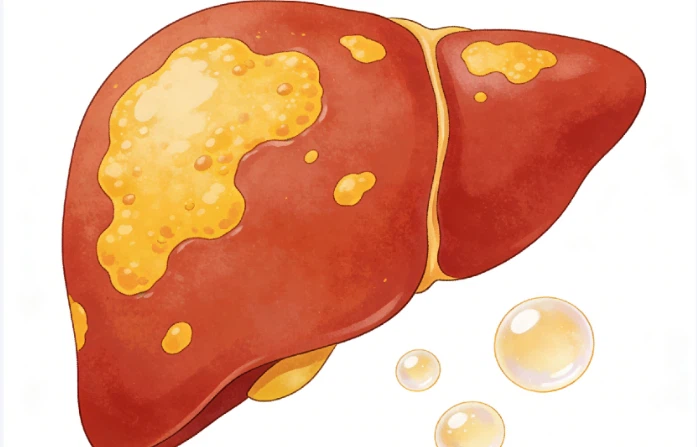
In the liver, Bioglutide NA-931 influences both glucose production and lipid metabolism through combined glucagon and GLP-1 pathway modulation. Glucagon signaling promotes fat oxidation and glucose output, while GLP-1 helps regulate excessive catabolic activity, maintaining metabolic balance. Research indicates reduced lipid accumulation and improved hepatic energy utilization under dual activation. This makes it useful for studying fatty liver disease and metabolic flexibility, as it reveals how coordinated receptor signaling influences liver substrate switching between carbohydrates and fats.

How Does Blood-Brain Barrier Penetration Influence Appetite Regulation Research Models?
How the brain and the spinal cord control hunger and energy balance is a very important area of metabolic research. How useful research compounds are in neuroscience-based metabolic studies depends on how well they can get to parts of the brain that control how people eat. Bioglutide NA-931 peptide's molecular properties change how it interacts with hunger centers in the brain. This lets scientists look into how the body and brain talk about metabolism.

Central Melanocortin System Engagement in Experimental Settings
The melanocortin system in the hypothalamus integrates peripheral metabolic signals to regulate hunger and energy expenditure. Bioglutide NA-931 enables researchers to examine how dual-pathway signaling influences neuronal activity in appetite-regulating nuclei. Studies show altered feeding patterns and satiety signaling when both peripheral and central pathways are engaged. This helps map interactions between vagal inputs and hypothalamic circuits, providing insight into how coordinated hormonal signals regulate energy intake and maintain systemic metabolic balance in experimental models.
Reward Pathways and Hedonic Feeding Research Applications
Metabolic regulation involves not only homeostatic hunger control but also reward-based eating behavior. Bioglutide NA-931 allows investigation of how metabolic signals interact with brain reward circuits that govern food pleasure and motivation. Research suggests potential modulation of hedonic feeding responses, though mechanisms remain under study. This dual influence helps researchers explore how metabolic and neural systems interact to drive overeating, particularly in environments with high-calorie food availability, contributing to obesity and metabolic imbalance.

Oral Small-Molecule Design Driving Stable Pharmacokinetics in Daily Study Conditions
It makes a big difference how experiments are set up, how good the data is, and even whether the study is even possible. Molecular design is making progress toward making peptide-based research tools that can be taken by mouth instead of having to be injected. To pick the right compounds for their experiments, scientists need to know how changes in the structure affect how the compounds are absorbed, distributed, broken down, and flushed out of the body.
Gastrointestinal Stability and Absorption Considerations
Peptides typically face degradation in the gastrointestinal tract due to enzymes and acidic conditions, limiting oral effectiveness. Research on Bioglutide NA-931 examines structural strategies that enhance resistance to breakdown and improve absorption across intestinal barriers. Studies focus on formulation, timing, and physiological variability affecting bioavailability. These insights help design more stable research compounds with improved pharmacokinetic behavior. Understanding gastrointestinal stability is essential for developing peptides suitable for long-duration metabolic experiments requiring consistent systemic exposure.
Plasma Half-Life Extension for Prolonged Experimental Observations
Extending plasma half-life improves the ability to study sustained metabolic effects without frequent dosing. Bioglutide NA-931's structural properties support prolonged circulation time, reducing concentration fluctuations during experiments. This allows clearer separation of immediate pharmacological responses from long-term metabolic adaptations. Researchers can better analyze chronic effects on glucose regulation, lipid metabolism, and energy balance. Stable exposure also improves reproducibility in metabolic models, making it valuable for studying time-dependent physiological changes in experimental systems.

From Energy Partitioning to Lean Tissue Retention: Expanding Research Value in Metabolism
Changing your weight is just one part of keeping your metabolism healthy. The way that energy is split between keeping muscle and storing fat is a big part of how well the metabolism works and how likely someone is to get sick. A more in-depth study of metabolic interventions can be done with compounds that change both body weight and body composition.

Adipose Tissue Dynamics in Controlled Research Environments
Fat tissue not only stores energy, but it also releases hormones that change the body's metabolism. Research on the Bioglutide NA-931 peptide enables us to examine how coordinated metabolic signaling alters adipocyte function, fat distribution, and adipose tissue inflammation. To learn a lot about how fat tissue responds to changes in metabolism, we can do experiments that check its mass, size, and the expression of inflammatory markers. Lab researchers have found that dual-receptor engagement may help people lose fat more quickly while keeping lean tissue or even making it easier to keep it. This is not the same as limiting calories, which usually causes the same amount of fat and muscle loss.
Researchers need to know how selective tissue effects work in order to come up with ways to help people change their body composition instead of just losing weight.
Skeletal Muscle Metabolism and Protein Synthesis Pathways
During rest, muscle tissue controls a large part of the metabolic rate. It is also where insulin-mediated glucose elimination takes place. It is very helpful to find ways to prevent and treat diabetes to look into how changes in metabolism affect protein synthesis rates, muscle mass, and insulin sensitivity. Researchers who used Bioglutide NA-931 peptide have added to this body of knowledge by showing how combined receptor activation changes the way muscles use energy.


Scientists have found that balanced metabolic signaling may help anabolic processes even when there is an overall negative energy balance. They did this by measuring things like muscle protein synthesis, glucose uptake capacity, and mitochondrial function. These results are interesting to people who study metabolic syndrome and the loss of muscle that comes with getting older. To keep muscle mass while lowering fat buildup is one of the main goals of treatment for metabolic syndrome. There are two types of effects that the peptide seems to have: direct metabolic effects on muscle tissue and indirect effects that happen because it makes insulin work better.
Bone Health Considerations in Long-Term Metabolic Studies
Changing your metabolism in ways that make you lose weight quickly can sometimes weaken and break your bones. When scientists look into how metabolic compounds affect bones, they help us learn about safety and find ways to keep bones healthy. Bioglutide NA-931 peptide is used in longer-term studies that check bone density and look for signs of bone turnover to see how it impacts the skeleton. It seems that metabolic interventions that keep lean tissue mass may also better keep bone density than those that make people lose a lot of muscle. Scientists are still trying to figure out how the health of muscles, bones, and metabolism are linked. To help them do this, peptides like Bioglutide NA-931 peptide are being used. When researchers know how metabolic signaling pathways affect skeletal tissue, they can come up with better ways to help.

Conclusion
That being said, in the field of metabolic research, tools are always getting better so that scientists can study the complex networks that manage glucose homeostasis, body composition, and energy balance. The Bioglutide NA-931 peptide is a big step forward in this area. It lets scientists study coordinated metabolic responses that are more like how the body works. It interacts with two receptors, which means that scientists can study a wide range of topics, from metabolic phenotypes in whole organisms to molecular signaling pathways. The compound can be used in many types of research to study things like pancreatic hormones, liver metabolism, appetite control in the brain, and metabolic changes that only happen in certain tissues. In each of these areas, we learn something new that helps us understand how metabolic diseases happen and think of ways to stop them. To study metabolism in a more integrated, systems-level way, compounds like Bioglutide NA-931 peptide will become more important. Labs all over the world find them very useful because they can turn on multiple pathways at once and keep the experiment stable so it can be done again and again. Using these high-tech research chemicals in studies keeps metabolic science on the cutting edge. Now scientists know more about how the body keeps its energy balance and how this balance can be thrown off by diseases.
FAQ
1. What makes Bioglutide NA-931 peptide different from other compounds used in research on single receptors?
When Bioglutide NA-931 peptide binds to both GLP-1 and glucagon receptors at the same time, it makes the lab work like the body, where hormones work together. It's possible to study metabolic cross-talk between pathways with this two-action method, rather than just receptor systems that work on their own. Traditional chemicals that connect to just one receptor are useful, but they only tell you a little bit. Dual-agonist peptides, on the other hand, let you look into how pathways interact and how effects work together. This may be important for fully understanding how metabolism works.
2. Which research applications benefit most from using Bioglutide NA-931 in experimental protocols?
This peptide is very helpful for research that looks into the pathophysiology of diabetes, obesity, controlling body composition, and metabolic responses that work together. This compound can work on many pathways, which helps researchers that are looking into how hormones are released in the pancreas, how glucose and lipids are used in the liver, how appetite is controlled, and how metabolism changes only in some tissues. People who study metabolic syndrome and insulin resistance also use this peptide to look into how coordinated receptor activation affects how diseases get worse and if there are ways to stop them.
3. How does the peptide's stability profile influence experimental design considerations?
To keep an eye on Bioglutide NA-931 peptide for longer, researchers can because it is more stable. The compound will still have the same level of activity after that time. This longer pharmacokinetic profile cuts down on the number of times a dose needs to be given and the changes in concentration that cause experiments to be less reliable. Plan studies that look at long-term changes in body composition, circadian metabolic patterns, and chronic metabolic adaptations. This way, researchers can be more sure that the effects they see are caused by real biological responses and not just the effects of unstable compound exposure.
Partner with BLOOM TECH – Your Trusted Bioglutide NA-931 Peptide Supplier for Advanced Metabolic Research
Bioglutide NA-931 peptide from BLOOM TECH is ready to be your only source when your research needs the best quality and dependability. Since more than 12 years ago, we've been making organic compounds and pharmaceutical intermediates. We also offer research-grade peptides with full analytical documentation, such as HPLC, MS, and batch consistency reports. Our facilities are GMP-certified and have been carefully checked by the CFDA, US-FDA, PMDA, and EU. In other words, each compound is completely pure enough for your metabolic research. We know that important discoveries depend on materials that are always the same high quality and can be sent quickly and cheaply. There is only one place to go for help from our professional team. We offer clear pricing, a variety of flexible packaging options, and technical support that is tailored to your research goals.

BLOOM TECH has solutions that can be scaled up or down and comes with the regulatory compliance paperwork you need for your lab protocols. You can get small amounts for preliminary studies or large amounts for long-term research programs. There are 24 international research and pharmaceutical companies that trust us, and you can too. We can help you with your metabolic research projects. Get in touch with us right away to talk about your Bioglutide NA-931 peptide needs and learn how BLOOM TECH's commitment to quality, low prices, and expert support can help you get to your metabolic research goals more quickly. Please email us at Sales@bloomtechz.com with specifics, reports, and quotes that are made just for your research needs.
References
1. Finan B, Yang B, Ottaway N, et al. A rationally designed monomeric peptide triagonist corrects obesity and diabetes in rodents. Nature Medicine. 2015;21(1):27-36.
2. Müller TD, Finan B, Bloom SR, et al. Glucagon-like peptide 1 (GLP-1). Molecular Metabolism. 2019;30:72-130.
3. Drucker DJ. Mechanisms of action and therapeutic application of glucagon-like peptide-1. Cell Metabolism. 2018;27(4):740-756.
4. Nauck MA, Meier JJ. Incretin hormones: Their role in health and disease. Diabetes, Obesity and Metabolism. 2018;20(Suppl 1):5-21.
5. Holst JJ, Rosenkilde MM. GIP as a therapeutic target in diabetes and obesity: insight from incretin co-agonists. Journal of Clinical Endocrinology and Metabolism. 2020;105(8):e2710-e2716.
6. Tschöp MH, DiMarchi RD. Mammalian metabolism: unimolecular polypharmacy for treatment of metabolic syndrome and type 2 diabetes. Annual Review of Pharmacology and Toxicology. 2021;61:443-459.