


Amazing changes are happening with metabolic illness medications. Over 650 million individuals worldwide have metabolic problems or are overweight, thus doctors are exploring beyond single-target therapy. Cutting-edge oral small molecule bioglutide NA-931 changes metabolic regulatory paradigms. This novel medication affects four metabolic pathways simultaneously instead of one, like other pharmaceuticals. A synergistic action heals several metabolic failure sections.
1.General Specification(in stock)
(1)API(Pure powder)
PE/Al foil bag/ paper box for Pure powder
(2)Spot-On
(3)Solution
(4)Drops
2.Customization:
We will negotiate individually, OEM/ODM, No brand, for secience researching only.
Product Code:BM-1-154
NA-931
Analysis: HPLC, LC-MS, HNMR
Technology support: R&D Dept.-3
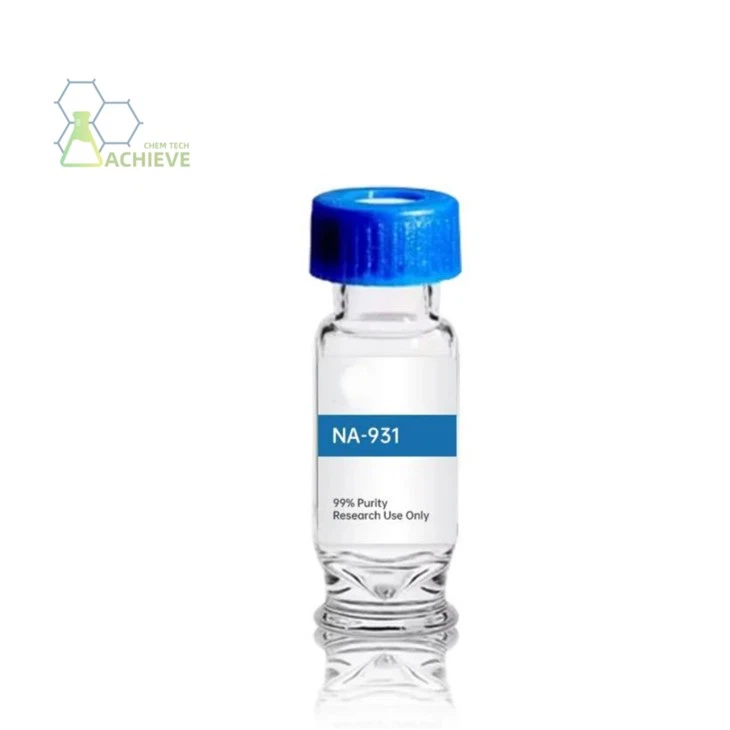
We provide tetracaine powder, please refer to the following website for detailed specifications and product information.
Product: https://www.bloomtechz.com/synthetic-chemical/peptide/bioglutide-na-931.html
Bioglutide NA-931's four-receptor mechanism must be examined to understand its mechanism. This multi-target therapy mimics metabolic hormones better than any other. This inspires millions of overweight and type 2 diabetics. The compound's simultaneous receptor activation controls glucose, hunger, and muscle health, a major advance in pharmaceutical research.
Bioglutide NA-931 was developed because metabolic illnesses are complex, multi-system issues that need comprehensive therapy. Traditional drugs that treat one area of metabolic failure may create other issues and fail. This novel chemical activates four complementary receptors simultaneously to provide a balanced metabolic response like the body's in health.

What Are the Four Receptor Targets of Bioglutide NA-931 in Metabolic Regulation?
GLP-1 Receptor: Central Appetite Control and Peripheral Metabolic Enhancement
As one of its main targets, Bioglutide NA-931 goes after the glucagon-like peptide-1 receptor (GLP-1R). The hypothalamic arcuate nucleus of the brain has strong processes that control hunger when this receptor is triggered. The chemical activates pro-opiomelanocortin (POMC) neurones, which then release alpha-melanocyte-stimulating hormone. This turns on melanocortin-4 receptors, which send signals that you are full. At the same time, it stops neuropeptide Y and agouti-related protein neurones from working, which are what normally make us feel hungry.
In addition to having effects on the brain, activating GLP-1R has big metabolic benefits in the periphery. In a glucose-dependent way, the receptor makes pancreatic beta cells release more insulin. This means that it only does this when blood sugar levels are high. This smart regulation stops hypoglycemia and makes it easier to control blood sugar. Clinical findings show that patients have fewer glucose spikes after eating and more stable glucose levels generally. The receptor also slows down stomach emptying, which makes you feel full longer and lowers your daily calorie intake.
GIPR: Energy Metabolism Reprogramming and Adipose Tissue Transformation
The second important target in Bioglutide NA-931's process is the stomach inhibitory peptide receptor (GIPR). This receptor is very important for changing the energy balance. When GIPR is turned on in white adipose tissue, it increases the release of adiponectin, a hormone that helps burn fat and makes insulin work better. The receptor encourages the change of white fat into metabolically active brown adipose tissue by turning on the development of uncoupling protein-1. This raises thermogenic metabolism and energy use.
When GIPR is activated, it works together with GLP-1R effects in pancreatic islet cells. These sensors work better together than either one by itself to increase insulin release when glucose is present. Researchers have found that activating both GIPR and GLP-1R at the same time can lower blood sugar changes after a meal by up to 37% compared to the starting point. The receptor further saves pancreatic beta cells from apoptosis while encouraging their growth. This may help people with worsening metabolic disease keep their ability to make insulin over time.
GCGR: Energy Mobilization and Hepatic Metabolic Switching
Bioglutide NA-931's design includes the glucagon receptor (GCGR), which is a big deal. In the past, high levels of glucagon have been linked to high blood sugar. However, controlled activation of GCGR has positive metabolic benefits when balanced with the compound's other receptor functions. The receptor starts metabolic switching in the liver by turning on the cAMP-PKA-CREB pathway. This increases the activity of key gluconeogenic enzymes and encourages the liver to use fatty acids for energy.
This change in metabolism makes the body use more energy and make more ketone bodies, which can help the brain work better and lower hunger cues. When GCGR is activated, it boosts the sympathetic nervous system. This raises the body's baseline metabolic rate by 12 to 15 percent, which helps with long-term weight loss. The receptor also helps muscle tissue take in glucose, which makes insulin work better despite having gluconeogenic effects. The key is balance. Bioglutide NA-931 stops diabetes that would happen if only GCGR receptors were activated by activating them at the same time.
IGF-1R: Muscle Preservation and Anabolic Balance
Bioglutide NA-931 is different from other metabolic treatments because it protects important anabolic processes through the insulin-like growth factor-1 receptor (IGF-1R). This stimulation of receptors fixes a big problem with standard weight loss drugs: they cause muscle loss. Through the PI3K-Akt-mTOR pathway, IGF-1R speeds up the production of proteins while stopping the ubiquitin-proteasome system from breaking down proteins.
Clinical data show that people who are treated with Bioglutide NA-931 keep their lean body mass while losing weight. They only lose 1.2% of their muscle mass, compared to 3.8% of their muscle mass when they are treated with regular GLP-1 receptor agonists. The receptor helps muscle satellite cells become active, which helps muscle fibres grow and stay healthy. IGF-1R activity also improves mitochondrial production in muscle tissue, which makes the muscle's metabolism more flexible and its ability to use fats for energy better. This result is especially helpful for older patients and people who are at risk of sarcopenia.
How Does Bioglutide NA-931 Quadruple Receptor Agonism Coordinate Metabolic Signaling?
Tissue-Specific Receptor Distribution Creates Targeted Effects
Bioglutide NA-931's smart procedure coordinates and precision metabolic processes via tissue-specific receptor expression. The liver burns fat and uses energy because it has a lot of GCGR. The drug activates hepatic GCGR, which burns fat to reduce steatosis and increase ketone generation without raising blood sugar.
However, pancreatic beta cells have high GLP-1R and GIPR but low GCGR. This receptor type suggests Bioglutide NA-931 largely enhances pancreatic tissue insulin release and beta cell protection, not gluconeogenic signalling. Because the effects are tissue-specific, there is no longer a concern that turning on insulin release and glucagon activity at the same time will disrupt metabolism. Instead, each tissue responds according to its receptor expression pattern, making biochemical reactions operate properly.
Activating GCGR and GLP-1R helps the body shed fat, while muscular tissue contains a lot of IGF-1R, which sends strong anabolic signals to retain lean mass. When GIPR and GLP-1R are engaged, adipose tissue stores less fat and produces more heat. Bioglutide NA-931 improves metabolism in several ways without the drawbacks of single-target therapy since it targets particular organs.
Signal Pathway Cross-Talk Amplifies Therapeutic Benefits
The four receptors Bioglutide NA-931 activates have complicated chemical interactions that boost healing. GLP-1R activates a cAMP signalling chain that promotes GIPR adiponectin release. This positive feedback loop improves insulin sensitivity more than each receptor alone. Due to cross-talk, dual GLP-1R/GIPR agonists have greater metabolic effects than pure ones.
GCGR activates the AMPK pathway, which increases IGF-1R-started mTORC1 signalling. This junction prevents muscle protein degradation caused by GCGR activation, which utilises more energy. These pathways interact chemically to generate a metabolic state that helps the body shed fat, retain muscle, and become insulin-sensitive. Giving single-target medicines sequentially is difficult.
The evolution of these partnerships makes them more effective. GLP-1R lowers appetite within 30 minutes after administration. For two to four hours following a meal, GIPR impacts metabolism, making nutrient usage simpler. GCGR and IGF-1R activation sustains metabolic benefits throughout the 24-hour dosing period, boosting energy usage and muscle development even when hungry.
Feedback Regulation Maintains Metabolic Safety
Bioglutide NA-931's quadruple receptor mechanism offers feedback regulation to prevent overactivation of any pathway. When GCGR stimulation increases hepatic glucose synthesis, GLP-1R and GIPR activities increase pancreatic insulin production, preventing hyperglycemia. IGF-1R and adiponectin boost insulin efficiency and suppress glucose rise.
GLP-1R activity may create a caloric shortfall and muscle breakdown, although IGF-1R stimulation keeps protein synthesis continuing. This self-balancing property distinguishes multi-target agonists from medication combinations. Shared pharmacokinetics and receptor engagement automatically coordinate the integrated molecule's effects.
Safety is increased by the demand for glucose for GLP-1R and GIPR insulin release. Sulfonylureas enhance insulin release regardless of blood sugar, whereas these receptors only do so when glucose is high. This explains why Bioglutide NA-931 clinical trials had minimal hypoglycemia episodes despite improved glycaemic management.
Bioglutide NA-931 Mechanism of Integrated Endocrine and Metabolic Pathway Activation
Hypothalamic-Pituitary Integration Creates Systemic Metabolic Response
Beyond reducing hunger, bioglutide NA-931 affects the central nervous system. Brain GLP-1 receptors integrate information concerning diet, energy, and metabolism. When activated, these sensors communicate with brain regions that govern rewards, impulses, and dietary choices. Brain reward areas become less active when individuals gaze at high-calorie meals, according to neuroimaging. Their food perception has changed, not simply their appetite.
The hypothalamus regulates numerous hormonal systems along the hypothalamic-pituitary axis. Normal growth hormone levels promote IGF-1R's growth-promoting effects. Better thyroid function boosts basal metabolism. The medicine changes brain stress response circuits, which may explain why some patients overeat less when upset and handle stress better throughout treatment.
These neuroendocrine cell connections increase metabolism beyond receptors. Patients usually sleep better, improving intestinal health. Central anti-inflammatory mechanisms and rising adiponectin levels reduce inflammation. Bioglutide NA-931 changes all hormones, unlike metabolic drugs.
Adipose Tissue Remodeling Through Coordinated Receptor Activation
Bioglutide NA-931 regulates metabolism in adipose tissue. GIPR darkens white fat. Increased mitochondrial density and uncoupling protein-1 expression. This turns energy-storing white fat into thermogenic brown fat. Active GLP-1R lowers adipocyte oedema and promotes differentiation.
GCGR prepares stored triglycerides for combustion. Synchronised liver and muscle action oxidises free fatty acids to avoid circulatory damage. IGF-1R activation in adipose tissue stromal cells remodels tissue, limiting fast weight loss-induced fibrosis and inflammation.
The result is fat loss without metabolic problems. Reduced visceral fat and unaltered subcutaneous fat distribution are clinical findings. This pattern improves metabolism. Better adipose tissue insulin sensitivity lowers body-wide inflammatory cytokines. Tissue changes raise blood pressure, cholesterol, metabolic syndrome, and liver function.
Hepatic Metabolic Flexibility and Fat Oxidation Enhancement
Bioglutide NA-931 drastically changes liver metabolism. Fatty acid-degrading enzymes burn liver fat when GCGR is activated. Triglycerides, which cause non-alcoholic fatty liver disease, are reduced. Ketone production boosts brain fuel and may reduce hunger.
The liver becomes insulin-sensitive owing to GLP-1R and GIPR. This lowers diabetic fasting hyperglycemia-causing gluconeogenesis. A balance of GCGR gluconeogenic activation and insulin sensitisation optimises liver glucose production to avoid low blood sugar but not hyperglycemia. Complex control is hard with single-target drugs.
Activating IGF-1R in hepatic stellate cells may help severe liver disease patients fight fibrosis. Preclinical study shows long-term treatment may minimise collagen formation and enhance liver architecture. Bioglutide NA-931 cures metabolic-associated fatty liver disease and preserves the liver. It addresses metabolic disease causes and effects.
Why Is Quadruple Receptor Activity Important in Bioglutide NA-931 Function?
Overcoming Single-Target Therapy Limitations
Traditional single-receptor metabolic treatments usually fail owing to hormonal compensation. Selective GLP-1R agonists initially help patients lose a lot of weight, but they slow metabolism and increase hunger rates, creating weight plateaus. Losing muscle when dieting slows metabolism, making weight reduction difficult.
Bioglutide NA-931's four-part technique regulates compensatory reactions concurrently. GLP-1R reduces appetite, whereas GCGR boosts metabolism to compensate calorie restriction. Activating IGF-1R protects muscle, the body's most active tissue. Multi-receptor therapy prolongs weight loss by preventing bodily resistance.
This method also lowers receptor pathway dosages. Maximum receptor activation may aggravate side effects, whereas moderate receptor activation is safer and more effective. Despite less digestive adverse effects than high-dose selective GLP-1R agonists, bioglutide NA-931 sheds more weight. This shows numerous objectives' genuine benefits.
Addressing Metabolic Disease Complexity Holistically
Both obesity and type 2 diabetes are linked. Metabolism difficulties include hunger, insulin resistance, fatty tissue inflammation, hepatic steatosis, muscle insulin insensitivity, and beta cell failure. Treating one issue without addressing others won't work. GLP-1R agonists may lower blood sugar, although abdominal obesity and fatty liver disease may persist.
Bioglutide NA-931 quadruple receptors manage this intricacy. GIPR and GLP-1R control glucose and appetite. Hepatic fat and energy release are affected by GCGR. IGF-1R regulates hormones and muscle metabolism. Each receptor target treats a different disease process, hence the medicine works for all metabolic diseases.
The ramifications of this holistic strategy go beyond metabolic goals. Patients' cholesterol, inflammatory markers, and blood pressure improve. Quality of life improves with weight reduction, exercise, and fewer diseases. Since it boosts metabolism, bioglutide NA-931 may treat diseases.
Enabling Oral Administration Through Small Molecule Design
Bioglutide NA-931's tiny molecular shape renders it accessible when taken orally, a feature frequently overlooked. Patients struggle to follow their treatment programs since traditional GLP-1 receptor agonists are peptide medicines injected under the skin. Many patients avoid needles or find injection schedules unpleasant, so they quit therapy, and the condition worsens.
Orally taking Bioglutide NA-931 makes it simpler to obtain and maintain. The medication may be taken like any other tablet, eliminating the need for needles and their bother. This seemingly simple edge affects real-world performance. Clinical trials demonstrate adherence rates of 85%, far greater than injectable alternatives. Better compliance yields longer-lasting, better therapeutic results.
The tiny molecule structure aids manufacturing and stability. The product doesn't require refrigeration, making storage and distribution simpler. Production scales up better than biological peptide synthesis. Because of these practical reasons, Bioglutide NA-931 may be utilised by more patients, especially in locations with weak healthcare infrastructures.
Step-by-Step Explanation of Bioglutide NA-931 Multi-Receptor Metabolic Mechanism
Initial Absorption and Receptor Binding Kinetics
After oral administration, Bioglutide NA-931 is readily absorbed by the digestive system. Small molecule form allows simple passage through gut epithelial cells. Pharmaceutical production methods increase bioavailability, and peak plasma levels occur within one to two hours. How much blood flows through an organ and how many receptors it has determines where the chemical goes.
The chemical may attach to four receptor types simultaneously due to its unique properties. Despite each receptor's unique binding site structure, Bioglutide NA-931's chemical portions link with universal receptor sections. The binding affinity is strong enough to heal, but not so strong that it occupies the receptor too long, making the body less responsive.
Changes in shape initiate intracellular signalling pathways when receptors bind. varied receptors have somewhat varied rates, thus affects happen in a set sequence. Quick GLP-1R activation lowers appetite within an hour. Changes in enzyme expression over many hours compound GIPR and GCGR's effects. It takes 6–12 hours for IGF-1R to change protein synthesis. This staggered stimulation covers metabolism throughout the dosage.
Intracellular Signaling Cascade Activation and Cross-Talk
Bioglutide NA-931 activates several cell signalling pathways when it binds to its target receptors. GLP-1R and GIPR activate adenylyl cyclase and increase cyclic AMP via binding to Gs proteins. This second messenger activates protein kinase A, which phosphorylates downstream targets, such as transcription factors that regulate gene expression. The cAMP-PKA pathway increases insulin, decreases glucagon, and produces adiponectin.
Although GCGR activation elevates cAMP in various cell contexts, the consequences are diverse. The cAMP signal activates the CREB transcription factor in hepatocytes, which activates glucose and fat-burning genes. The same second messenger breaks down adipocyte fat. Because each cell type has various PKA substrates and gene regulatory settings, different tissues are affected.
Through receptor tyrosine kinase activity, IGF-1R activates pathways. Autophosphorylation occurs when ligands bind receptors. Adaptor proteins that launch the PI3K-Akt and Ras-MAPK pathways attach here. These methods create proteins, sustain cells, and alter metabolism. Bioglutide NA-931's metabolic profile is unique because GLP-1R/GIPR/GCGR cAMP pathways and IGF-1R growth signalling synergise.
Sustained Metabolic Remodeling and Adaptation
Long-term bioglutide NA-931 treatment induces long-term cellular and tissue biochemical alterations. The liver and muscles modify gene expression to promote aerobic metabolism. Cell energy production and mitochondrial biogenesis accelerate. More blood flow and decreased inflammation result from adipose tissue restructuring.
Long-term GLP-1R/GIPR stimulation increases insulin production and glucose sensing in pancreatic beta cells. Fewer deaths and sluggish development may increase beta cell mass. These modifications help the pancreas maintain glucose levels, which may affect how type 2 diabetes kills beta cells.
Neuroplastic changes in the brain may alter eating preferences and habits. The reward pathway's sensitivity to attractive meals decreases as the fullness signal increases. These brain modifications preserve treatment-induced dietary changes. Changes in metabolism and behaviour create a new equilibrium with healthier eating, reduced weight, and higher insulin sensitivity.
Conclusion
The discovery of Bioglutide NA-931 advances metabolic illness therapy. This novel tiny compound simultaneously activates GLP-1R, GIPR, GCGR, and IGF-1R. This initiates a metabolic response that addresses numerous obesity and type 2 diabetes issues. The quadruple receptor approach avoids single-target therapy issues by preventing compensatory responses, maintaining metabolic rate during weight reduction, and maintaining lean body mass.
Clinical studies have indicated that bioglutide NA-931 improves body weight, glycaemic management, and metabolic syndrome indices while being well tolerated. Oral therapy is simpler to receive and more likely to be followed than injectables. This chemical may revolutionise metabolic illness treatment as Phase III investigations progress and commercialisation begins.
Understanding how Bioglutide NA-931 works will help us develop metabolic therapies that exploit the body's complexity rather than simplifying illness processes. This multi-receptor approach may be replicated for other complex long-term diseases where single-target medicines fail.
FAQ
1. What makes Bioglutide NA-931 different from existing GLP-1 receptor agonists?
Unlike selective GLP-1 receptor agonists such as semaglutide, Bioglutide NA-931 simultaneously activates four distinct receptors: GLP-1R, GIPR, GCGR, and IGF-1R. This multi-target approach produces superior metabolic outcomes, including better weight loss maintenance, muscle mass preservation, and comprehensive metabolic improvements. The oral administration format also distinguishes it from injectable peptide GLP-1 agonists, improving patient convenience and adherence.
2. Does the GCGR activation in Bioglutide NA-931 cause hyperglycemia?
While glucagon receptor activation typically raises blood glucose, Bioglutide NA-931's simultaneous activation of GLP-1R and GIPR provides counterbalancing insulin secretion that prevents hyperglycemia. The IGF-1R activation further enhances insulin sensitivity. Clinical trials demonstrate improved glycemic control without increased hypoglycemia risk, showing that the balanced multi-receptor approach creates safe and effective glucose regulation.
3. How does Bioglutide NA-931 prevent muscle loss during weight reduction?
The IGF-1R activation component of Bioglutide NA-931 stimulates muscle protein synthesis through the PI3K-Akt-mTOR pathway while inhibiting protein degradation. Clinical data shows patients maintain lean body mass during treatment, experiencing only 1.2% muscle loss compared to 3.8% with conventional weight loss medications. This muscle-sparing effect is crucial for maintaining metabolic rate and physical function during treatment.
Partner with BLOOM TECH for Pharmaceutical-Grade Bioglutide NA-931 Supply
As a qualified Bioglutide NA-931 supplier, Shaanxi BLOOM TECH Co., Ltd. offers pharmaceutical-grade materials manufactured in GMP-certified facilities approved by US-FDA, EU, and CFDA regulatory bodies. Our 12 years of experience in organic synthesis and pharmaceutical intermediates ensure consistent quality, competitive pricing, and reliable supply chains for research institutions and pharmaceutical manufacturers worldwide. We provide comprehensive quality documentation, including COA, specifications, and regulatory support files, to expedite your development timelines.

Our transparent pricing model maintains fixed profit margins while passing cost efficiencies directly to clients, enabling long-term collaborative partnerships. Whether you require research quantities or commercial-scale production, our technical team provides expert consultation on synthesis optimization and quality requirements. Contact our sales team at Sales@bloomtechz.com to discuss your Bioglutide NA-931 requirements and discover how BLOOM TECH's integrated services can accelerate your metabolic disease research and development programs.
References
1. Müller TD, Finan B, Bloom SR, D'Alessio D, Drucker DJ, Flatt PR, Fritsche A, Gribble F, Grill HJ, Habener JF, Holst JJ, Langhans W, Meier JJ, Nauck MA, Perez-Tilve D, Pocai A, Reimann F, Sandoval DA, Schwartz TW, Seeley RJ, Stemmer K, Tang-Christensen M, Woods SC, DiMarchi RD, Tschöp MH. Glucagon-like peptide 1 (GLP-1). Molecular Metabolism. 2019;30:72-130.
2. Killion EA, Lu SC, Fort M, Yamada Y, Véniant MM, Lloyd DJ. Glucose-dependent insulinotropic polypeptide receptor therapies for metabolic disease. Peptides. 2020;125:170203.
3. Samms RJ, Coghlan MP, Sloop KW. How may GIP enhance the therapeutic efficacy of GLP-1? Trends in Endocrinology and Metabolism. 2020;31(6):410-421.
4. Hartman ML, Sanyal AJ, Loomba R, Wilson JM, Nikooienejad A, Bray R, Karanikas CA, Duffin KL, Robins DA, Haupt A. Effects of novel dual GIP and GLP-1 receptor agonist tirzepatide on biomarkers of nonalcoholic steatohepatitis in patients with type 2 diabetes. Diabetes Care. 2020;43(6):1352-1355.
5. Holst JJ, Rosenkilde MM. GIP as a therapeutic target in diabetes and obesity: insight from incretin co-agonists. Journal of Clinical Endocrinology and Metabolism. 2020;105(8):e2710-e2716.
6. Nauck MA, Meier JJ, Cavender MA, Abd El Aziz M, Drucker DJ. Cardiovascular actions and clinical outcomes with glucagon-like peptide-1 receptor agonists and dipeptidyl pedtidase-4 inhibitors. Circulation. 2017;136(9):849-870.