


In the past few years, antiviral medicines have come a long way in both the veterinary and pharmaceutical communities. One of the most exciting new discoveries is GS-441524 injection, a nucleoside variant that has shown a lot of promise against different RNA viruses. This compound was first known for its ability to treat feline infectious peritonitis (FIP), but it has since become clear that it could also be used to treat other viral infections. Researchers and drug companies are becoming more and more interested in its therapeutic potential as they learn more about how it works against viruses.

GS-441524 Injection
1.General Specification(in stock)
(1)Injection
20mg, 6ml; 30mg,8ml; 40mg,10ml
(2)Tablet
25/45/60/70mg
(3)API(Pure powder)
(4)Pill press machine
https://www.achievechem.com/pill-press
2.Customization:
We will negotiate individually, OEM/ODM, No brand, for secience researching only.
Internal Code: BM-3-001
GS-441524 CAS 1191237-69-0
Analysis: HPLC, LC-MS, HNMR
Technology support: R&D Dept.-4
We provide GS-441524 Injection, please refer to the following website for detailed specifications and product information.
Product:https://www.bloomtechz.com/oem-odm/injection/gs-441524-injection.html
The molecule works through a complex biochemical process. After being given, it changes inside cells into an active triphosphate molecule. This active form stops the production of viral RNA by looking like natural nucleotides. This tricks the viral replication machinery. As veterinary medicine improves and new viruses appear, it becomes clearer how important broad-spectrum antivirals are. Because of its special features, this substance could be used to help with a wide range of viral problems in animal medicine and maybe even in human medicine.

Can GS-441524 Injection Affect Multiple RNA Virus Pathways?
GS-441524 injection works against viruses by interacting with RNA-dependent RNA polymerase (RdRP), an enzyme that is needed for RNA viruses to replicate. This enzyme is a target that is very similar across many viral families, which makes it an appealing place to target for therapy. When the active triphosphate form of the chemical gets into cells that are infected, it competes with natural adenosine triphosphate to join the growing RNA chains of viruses.
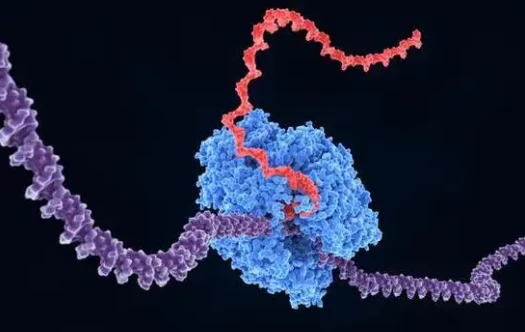

The chemical can get past the virus polymerase's proofreading systems because its structure is similar to that of natural nucleotides. Once it is added, it breaks the chain or makes mistakes that stop the viral RNA from working. This mechanism explains why the compound works against viruses with similar RdRP structures, even if the viruses are from different taxonomic families. In lab tests with coronaviruses, caliciviruses, and other RNA virus families, this blocking action has been shown to happen.
The therapeutic value of any antiviral compound depends a lot on how well it can enter target cells and start up the right metabolic processes. The compound has good pharmacokinetic properties that make it easier for it to get into cells. Once the molecule gets into cells, host kinases phosphorylate it one step at a time, turning it into the bioactive triphosphate form. This process of change works well in many different types of cells, which adds to the compound's wide range of uses.


There may be differences in how well this metabolic conversion works in different tissues, which may help explain why some antivirals work better in some infection sites than others. Studies that looked at how the chemicals are distributed in tissues found that they reach places that are often affected by viral infections, like the respiratory epithelium, the gastrointestinal mucosa, and the nerve tissues. This pattern of distribution suggests that it could be used for more than just the main purpose in feline medicine right now.
Researchers in the lab have shown that the compound can stop viruses that affect a lot of different species. Besides being known to treat feline coronavirus infections, research shows that it may also work against canine coronaviruses and other animal pathogens. These results come from the fact that RdRP is very similar in many different types of coronavirus and viruses that are linked to them.


In vitro studies have shown that different cell culture methods can block viruses in different ways depending on the dose. Quantitative polymerase chain reaction (qPCR) or viral plaque tests are often used to measure the decrease in viral load in these studies. There is more faith in the compound's broad-spectrum potential because the results are the same across different experimental models. Because of this evidence, researchers are looking into how it can be used to treat new viral diseases in both animals and people.

GS-441524 Injection and Cross-Strain Viral Inhibition Mechanisms
The chemical structure of GS-441524 injection shows how it can successfully target multiple types of viruses. Crystallographic studies of viral polymerases mixed with nucleoside mimics have shed light on the binding interactions that happen when the two are combined. The ribose sugar and nucleobase parts of the compound interact with conserved amino acid residues in the polymerase active site to make stable but ultimately blocking complexes.


During replication, changes can happen in viral polymerases that can change how well drugs bind, which could lead to resistance. Because the compound's structure is similar to that of natural substrates, this risk is kept to a minimum. A high genetic barrier stops resistance from developing because it takes a relatively low mutation rate to keep the polymerase working while avoiding the compound. Because of this, it is different from some other antiviral drugs that quickly build up tolerance.
The coronavirus family has a lot of genetic diversity, and different members can infect a wide range of hosts, from chickens to people. Even with all of this variation, the core replication machinery has changed very little over time. Multiple types of coronavirus have been shown to be inhibited by the chemical in controlled laboratory settings. Besides the feline coronavirus that causes FIP, these also include SARS-CoV, MERS-CoV, and SARS-CoV-2 in lab tests.


Different strains have varying levels of inhibition, which is due to small structural differences in their polymerases. Researchers have measured these differences by finding the half-maximal effective concentration (EC50), which is the amount of drug that is needed to stop the replication of a virus by 50%. Even though EC50 values vary between types, the substance has significant antiviral action against a large number of coronaviruses, which supports its classification as a broad-spectrum agent.
Understanding how resistance builds up is a top priority in the development of antiviral drugs. Viruses that change a lot might be able to develop ways to avoid being killed by drugs. Researchers looking into tolerance to nucleoside analogues have found certain polymerase changes that make drugs less effective. These changes usually happen in parts of the compound that are directly involved with binding nucleotides or the catalytic mechanism.


Resistance changes often lead to viruses that can't copy themselves as well because they hurt fitness. Because of this trade-off, resistant variants might not be able to copy as well as wild-type strains, which could make them less important for epidemiology. Long-term studies on cats that were treated with medicine have shown that relatively low rates of virological breakthrough are seen. This suggests that clinically useful resistance is still rare under normal treatment circumstances. This compound's therapeutic value is helped by its good resistance profile.

What Defines Broad Antiviral Activity in GS-441524 Injection?
GS-441524 injection has mostly been shown to work with RNA virus types that use RdRP for genome replication. The coronaviridae family is the most studied target, but there is evidence that activity also happens in other groups. From what we know so far, caliciviridae, which includes important veterinary pathogens like feline calicivirus, may also be vulnerable.


Unfortunately, the compound doesn't work on DNA or RNA viruses because they copy themselves in very different ways. This uniqueness is due to the way it works, not because it limits its healing potential. Within its active range, the compound is better than narrow-spectrum drugs because it can fight more than one pathogen with a single treatment action. This trait is especially helpful when a definitive viral diagnosis is still pending or when multiple infections happen at the same time.
A big part of the compound's broad-spectrum potential comes from its pharmacological profile. Adequate bioavailability after administration ensures that target tissues get enough of the drug. Because the compound is stable in bodily fluids, therapeutic amounts are kept at all times. Because of how they are distributed, they can get into different parts of tissue, even places that are covered by biological boundaries.


When drugs are injected under the skin, they are absorbed consistently and stay in the blood for a long time, which makes the dose easier. The compound's half-life allows for once-daily administration in most cases, which makes it easier for people to stick with their treatment. These good pharmacokinetic properties work with the compound's natural antiviral activity to make a therapeutic agent that can be used in a wide range of clinical situations. Pharmaceutical companies that are working on developing antivirals know that these qualities are necessary for both clinical and business success.
Nucleoside analogue antivirals are a larger group of compounds that all have different levels of activity. When you look at the compound next to similar molecules, you can see that it has some unique properties that help make it broad-spectrum. Some nucleoside compounds work better against certain viruses but have a smaller general spectrum. Others show a wider range of activities, but their bioavailability or toxicity profiles aren't as good.


The substance is in a good spot in this therapy class because it has a wide range of activities and good safety features. Its chemical structure makes it easy for cells to take it in and start their metabolism, and it stays specific to viral polymerases instead of host polymerases. This selectivity keeps interference with normal cellular nucleic acid synthesis to a minimum, which lowers the risk of toxicity. More and more, drug developers are working to make these traits better so they can make the next generation of antiviral drugs.

Multi-Virus Replication Blocking via GS-441524 Injection
The main way that GS-441524 injection fights viruses is by stopping the production of viral RNA. Once the modified nucleotide is added to new RNA chains, it stops them from growing any longer. The short RNA molecules that are left over can't do their jobs in viral reproduction, either as genetic material or as guides for translating proteins. At a crucial point, this interruption stops the viral replication cycle for good.


Researchers have used quantitative methods to find out how much RNA synthesis is blocked in different types of viruses. Radiolabeled nucleotides or other detection methods are often used in these studies to keep track of how much RNA is being made in infected cells. Based on known pharmacological relationships, the level of reduction is related to the amount of drug present and the length of time it is exposed to the body. Such information guides the best dose plans that get the job done of fighting viruses while minimising any possible side effects.
In the end, clinical results rely on whether antiviral action leads to lower viral loads and better disease progression. Studies of treatment for cats with FIP have shown that the viral load drops significantly after treatment starts. These virological reactions are linked to better health in the patient, such as the disappearance of effusions, normalisation of biochemical markers, and an overall better state of health.


The rate at which the virus load drops can help us understand how treatments work. During the first week of therapy, there are usually rapid initial decreases followed by more gradual ongoing suppression. For some people, especially those with serious cases or problems with their central nervous system, it may take longer to get rid of the virus completely. Knowing these patterns helps clinicians set realistic goals for treatment and figure out the best lengths of therapy.
Even though the compound works well as a single agent, using it with other agents may have more benefits. Combining nucleoside analogues with antivirals that work in different ways can make them more effective and maybe even stop resistance from building up. Immunomodulatory drugs may work with direct antiviral effects by helping the host's immune system fight off remaining virus populations.


There isn't a lot of clinical experience with combining treatments that include the compound, but it seems like they might help in tough cases. These could be people with advanced disease, people who don't respond well to single-agent therapy, or situations where resistance concerns arise. A topic that needs more research is the systematic study of combination tactics. As standard practice in antiviral drug development, pharmaceutical development programs are looking into these kinds of methods more and more.

GS-441524 Injection and RNA Virus Family Targeting Potential
Currently, GS-441524 injection is mostly used to target members of the coronavirus family. This taxonomic group includes a lot of very important medical pathogens for both humans and animals. The fact that coronaviruses share the same reproduction machinery makes it possible to develop a wide range of therapies for this family. Feline coronavirus, canine coronavirus, and some human coronaviruses all have RdRP enzymes that are structurally very similar.


The compound's effectiveness against common coronaviruses has been thoroughly tested in experiments. These studies show that the blocking effects are the same for both alpha- and beta-coronaviruses, which are the two groups that have the most therapeutically important species. The molecule works well because it can target both the wrapped virus entry and the steps that follow, which lead to replication. This two-part process causes redundancy, which makes the antiviral more effective.
In addition to coronaviruses, early research suggests that the compound may also be able to stop caliciviruses. Feline calicivirus makes cats sick in the mouth and breathing system, which is a common problem in veterinary medicine. The virus's RdRP has some structural similarities with coronavirus polymerases, which suggests that it might be easy to block with nucleoside analogues. Early results from lab studies that looked into this idea were promising.


It's possible that other RNA virus families that affect pets will also be susceptible. Viruses that cause immune deficiencies, respiratory diseases, and gastrointestinal illnesses are always a problem in veterinary medicine. Unmet medical needs in this field can be met by expanding the therapeutic uses of antiviral compounds that have already been shown to work. It is easier to look into new uses for the compound in veterinary medicine because it has already been shown to be safe in cats.
Broad-spectrum antiviral development has become more important because of the effects human coronavirus infections have on people around the world. At first, the compound was being worked on for use in animals, but its ability to fight human coronaviruses in lab models has caught people's attention. Scientists have shown that stopping the replication of SARS-CoV-2, the virus that causes COVID-19, can be done in cell culture systems and animal models.


These results have led to talks about how they might be used to treat people. Regulatory routes for using drugs meant for animals on people require a lot of development work, such as safety assessments and clinical studies. The compound's good performance in animal uses is promising, but a lot more research needs to be done before it can be considered for therapeutic use in humans. Pharmaceutical study groups are still very interested in what's happening in this area and are keeping a close eye on it.

Conclusion
The ability of GS-441524 injection to fight a wide range of viruses is a big step forward in the development of treatments for RNA viruses. This chemical works against a wide range of virus types and groups by specifically blocking viral RNA-dependent RNA polymerase. Laboratory studies and clinical experience in veterinary medicine back up the idea that it is a useful broad-spectrum agent within its active spectrum.
The compound's good pharmacological properties, such as its ability to efficiently enter cells, distribute properly in tissues, and have a manageable safety profile, make it useful for therapy. As more study into broader uses continues, it becomes clearer that these compounds could be used to treat more viral diseases in animals and maybe even people. The creation of these broad-spectrum antivirals meets important goals in the control of infectious diseases.
Understanding how the compound works sheds light on principles that can be used to make more targeted antiviral drugs. The fact that nucleoside analogues can target conserved viral enzymes shows that this medicinal method works and encourages more research. As viral threats change, it is still important to keep a steady supply of effective antiviral drugs on hand to protect both human and animal health.
FAQ
1. What makes the GS-441524 injection effective against multiple viruses?
+
-
The chemical is successful against many viruses because it targets RNA-dependent RNA polymerase, an enzyme that is very similar in many RNA virus families. It joins growing viral RNA chains after being taken up by cells and changed into its active triphosphate form. This stops viral genome synthesis before it's finished. This method works because the target enzyme has a structure that is similar to those of many virus types, especially those in the coronavirus family and related groups.
2. How does subcutaneous administration of GS-441524 injection compare with other delivery methods?
+
-
Putting the drug under the skin makes sure that it is absorbed and stays at a therapeutic level between doses. This method has functional benefits, such as being easy to administer, having known pharmacokinetics, and not going through first-pass hepatic metabolism. When a shot is given under the skin, it is bioavailable, which means that it can get into the tissue and reach places where viruses are replicating. In veterinary settings, this method of administration has been shown to reliably treat animals, which supports its continued use in approved situations.
3. What quality parameters should pharmaceutical companies prioritize when sourcing GS-441524 injection?
+
-
Pharmaceutical companies should make sure that their products are at least 98% pure, that they have been fully analysed using HPLC and mass spectrometry, and that their manufacturing processes are in line with GMP standards. As part of a supplier's qualifications, the product should have the right regulatory approvals for its intended use, a stable supply chain, and technical support for formulation. Full sets of paperwork that go with regulatory entries, like certificates of analysis and stable data, are important quality standards for buying pharmaceutical-grade materials.
Partner with BLOOM TECH for Premium GS-441524 Injection Supply
BLOOM TECH stands as a qualified GS-441524 injection supplier with over 12 years of specialized experience in pharmaceutical intermediates and organic synthesis. Our manufacturing sites are GMP-certified and meet standards set by the US-FDA, EU-GMP, PMDA, and CFDA, ensuring that the quality is pharmaceutical-grade and the purity levels are higher than 98%. We help pharmaceutical companies, biotechnology research organizations, and CDMOs around the world stay in line with regulations by providing full scientific paperwork that includes HPLC and MS data.
Our dedication goes beyond just supplying products; it also includes technical help, knowledge of cold-chain logistics, and the ability to make products on a large or small scale. Our professional team offers a one-stop service with clear pricing and reliable wait times, whether you need small amounts for study purposes or a lot for business use. Triple-layer analysis is done at our production facilities, by our own QA/QC department, and by authorized third-party agencies to make sure the quality of our products.
Email our team at Sales@bloomtechz.com right now to talk about your unique needs for GS-441524 injection and other medicinal substances that are similar. Let BLOOM TECH help you reach your research and development goals by giving your projects the quality assurance and technical know-how they need.

References
1. Murphy BG, Perron M, Murakami E, Bauer K, Park Y, Eckstrand C, Liepnieks M, Pedersen NC. The nucleoside analog GS-441524 strongly inhibits feline infectious peritonitis (FIP) virus in tissue culture and experimental cat infection studies. Veterinary Microbiology. 2018;219:226-233.
2. Pedersen NC, Perron M, Bannasch M, Montgomery E, Murakami E, Liepnieks M, Liu H. Efficacy and safety of the nucleoside analog GS-441524 for treatment of cats with naturally occurring feline infectious peritonitis. Journal of Feline Medicine and Surgery. 2019;21(4):271-281.
3. Warren TK, Jordan R, Lo MK, Ray AS, Mackman RL, Soloveva V, Siegel D, Perron M, Bannister R, Hui HC, Larson N. Therapeutic efficacy of the small molecule GS-5734 against Ebola virus in rhesus monkeys. Nature. 2016;531(7594):381-385.
4. Sheahan TP, Sims AC, Leist SR, Schäfer A, Won J, Brown AJ, Montgomery SA, Hogg A, Babusis D, Clarke MO, Spahn JE. Comparative therapeutic efficacy of remdesivir and combination lopinavir, ritonavir, and interferon beta against MERS-CoV. Nature Communications. 2020;11(1):222.
5. Agostini ML, Andres EL, Sims AC, Graham RL, Sheahan TP, Lu X, Smith EC, Case JB, Feng JY, Jordan R, Ray AS. Coronavirus susceptibility to the antiviral remdesivir (GS-5734) is mediated by the viral polymerase and the proofreading exoribonuclease. mBio. 2018;9(2):e00221-18.
6. Gordon CJ, Tchesnokov EP, Woolner E, Perry JK, Feng JY, Porter DP, Götte M. Remdesivir is a direct-acting antiviral that inhibits RNA-dependent RNA polymerase from severe acute respiratory syndrome coronavirus 2 with high potency. Journal of Biological Chemistry. 2020;295(20):6785-6797.