


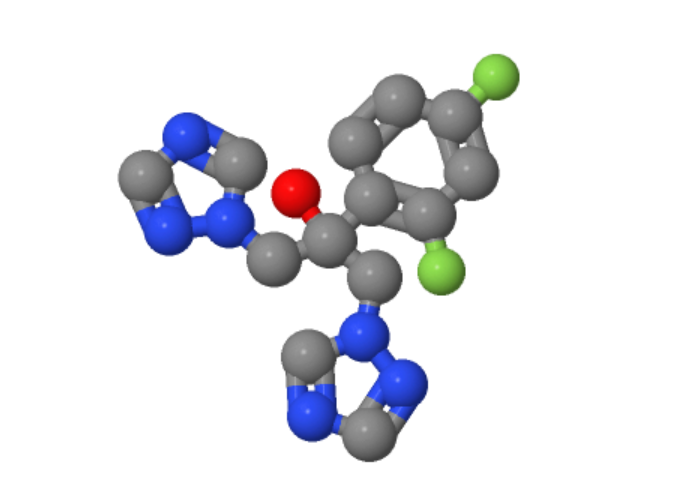
Fluconazole is an antifungal drug that is frequently prescribed to treat a variety of fungal infections, including those that affect the skin, mouth, throat, and genital area. Although it is effective in treating these infections, some women have expressed concerns about the possible effects of Fluconazole on their menstrual cycle, specifically whether or not it can cause a delay in menstruation. In this blog, we will delve into this topic in greater detail, looking at the potential effects of Fluconazole on the menstrual cycle and answering frequently asked questions by women.
 |
 |
how does fluconazole affect the menstrual cycle?
Understanding how Fluconazole interacts with the menstrual cycle is crucial for women who are concerned about potential delays in their period.
Hormonal Interactions
Fluconazole itself isn't known to clearly influence hormonal levels, which are in a general sense responsible for coordinating the month to month cycle.
- No Hormonal Interference: Fluconazole is a medication that kills fungi rather than human hormones by attacking them. It has no effect on the hormones estrogen and progesterone, which control the menstrual cycle.
- Effects of the roundabout: However, the Fluconazole-treated underlying infection may indirectly affect the menstrual cycle. For instance, severe infections or the stress they cause may disrupt menstrual regularity and hormonal balance.
Impact of Infections
The infections treated by Fluconazole might contribute to menstrual irregularities.
- Vaginal Infections: Vaginal yeast infections, a common condition treated with Fluconazole, can cause significant discomfort and stress. The physical and emotional stress from these infections might influence the menstrual cycle.
- Systemic Infections: More severe systemic fungal infections that require Fluconazole treatment can also lead to physical stress, which in turn may affect menstrual cycles. The body's response to infection, including inflammation and immune system activation, can sometimes cause delays in menstruation.
Side Effects of Fluconazole
Some side effects of Fluconazole might indirectly influence menstrual regularity.
- Gastrointestinal Disturbances: Fluconazole can cause side effects such as nausea, vomiting, and stomach pain. Severe gastrointestinal symptoms could potentially impact appetite and nutrition, which might, in turn, affect menstrual health.
- General Well-being: Any medication that impacts overall well-being, leading to significant discomfort or stress, can potentially have secondary effects on menstrual cycles.
While Fluconazole does not directly affect hormonal regulation of the menstrual cycle, infections and side effects related to its use might indirectly influence menstrual regularity. Women experiencing significant delays or irregularities should consult their healthcare provider.
can stress from infections treated with fluconazole cause menstrual delays?
Stress is a well-known factor that can disrupt menstrual cycles. Infections treated with Fluconazole might contribute to stress, which in turn can cause delays in menstruation.
Physiological Stress Response
Menstrual cycles can be significantly affected by the body's response to stress.
- Cortisol Creation: Cortisol, a hormone that can hinder the production of reproductive hormones, is made when stress is present. Elevated degrees of cortisol can disturb the harmony between estrogen and progesterone, possibly prompting postponed or missed periods.
- Inhibitory Response: The activation of the immune system is necessary for fighting an infection, which can be a significant source of physical stress. The hypothalamus, the part of the brain that controls menstruation, may be affected by this immune response.
Emotional and Psychological Stress
Infections and the discomfort they cause can lead to emotional and psychological stress.
- Anxiety and Discomfort: Vaginal infections, in particular, can cause significant discomfort and anxiety, impacting daily activities and overall quality of life. This emotional strain can contribute to hormonal imbalances and menstrual irregularities.
- Worry About Health: Concerns about the infection itself, the effectiveness of the treatment, and potential complications can add to stress levels, further influencing menstrual cycles.
Impact of Treatment Duration
The duration of Fluconazole treatment can also play a role in stress levels and menstrual health.
- Short-term Treatment: For minor infections treated with a single dose or short course of Fluconazole, the impact on stress and menstrual cycles might be minimal. However, any significant discomfort during this period could still have a temporary effect.
- Long-term Treatment: For more severe or persistent infections requiring prolonged Fluconazole use, the ongoing stress and side effects might have a more pronounced impact on menstrual cycles. Women undergoing long-term treatment should monitor their menstrual health and consult their healthcare provider if irregularities occur
Stress from infections treated with Fluconazole can indeed cause menstrual delays. Both physiological and psychological stressors associated with the infection and its treatment can disrupt hormonal balance, leading to irregular or delayed periods.
should you consult a doctor if your period is delayed after taking fluconazole?
It is important to know when to seek medical advice if you experience menstrual irregularities after taking Fluconazole.
Assessing the Delay
Whether a medical consultation is required can be determined by assessing the severity and duration of the menstrual delay.
- Temporary Delays: When they occur occasionally and resolve on their own, even brief delays of a few days may not necessitate immediate medical attention. Temporary disruptions can result from stress and minor infections.
- Long-term Delays: It is best to see a doctor if your period is delayed for more than a week or if you miss multiple cycles. It's possible that prolonged delays point to a deeper problem that calls for a medical evaluation.
Other Symptoms to Watch For
Symptoms can provide additional context for determining whether medical attention is required.
- Pain or severe anxiety: If menstrual delays are accompanied by severe abdominal pain, cramping, or other symptoms, see a doctor. These aftereffects could show complexities from the infection or other clinical issues.
- Negative Long-Term Effects: Counsel your doctor on the off chance that you experience diligent Fluconazole incidental effects, like gastrointestinal issues or different distresses. These side effects may have an effect on your menstrual cycle in some way.
Medical History and Underlying Conditions
It's important to take into account your medical history and any underlying conditions.
- Conditions that Existed Before: Menstrual delays may necessitate closer monitoring and consultation if you have a history of menstrual irregularities or underlying conditions like polycystic ovary syndrome (PCOS) or thyroid disorders.
- Combinations of Drugs: Discuss potential interactions and their impact on your menstrual cycle with your healthcare provider if you are taking Fluconazole alongside other medications.
conclusion
If you experience prolonged menstrual delays, severe accompanying symptoms, or have underlying health conditions, you should see a doctor. A medical services supplier can assess your general wellbeing, think about possible connections, and give customized suggestions.
references
1. Sobel, J. D. (2007). Vulvovaginal candidosis. The Lancet, 369(9577), 1961-1971.
2. Kadir RA, Economides DL, Sabin CA. The use of fluconazole as a prophylactic agent against systemic fungal infections in neutropenic patients. Br J Haematol. 1999 Nov;107(2):343-6.
3. Maybin, J. A., & Critchley, H. O. D. (2015). Menstrual physiology: Implications for endometrial pathology and beyond. Human Reproduction Update, 21(6), 748-761.
4. Cumming, G. P., Parry, G. D., & Scott, S. J. (2011). The impact of stress on the menstrual cycle. Human Reproduction, 26(11), 2955-2963.
5. Ghannoum MA, Rice LB. Antifungal agents: mode of action, mechanisms of resistance, and correlation of these mechanisms with bacterial resistance. Clin Microbiol Rev. 1999 Jan;12(4):501-17.