


Modern laboratory research demands precision tools and compounds that enable scientists to explore cellular mechanisms with unprecedented clarity. SLU-PP-332 powder has emerged as a valuable research compound in experimental biology, offering researchers a selective pharmacological tool for investigating specific cellular pathways. This synthetic compound serves as a selective agonist that helps scientists understand fundamental biological processes at the molecular level. Laboratories worldwide incorporate this research-grade material into diverse experimental protocols, from basic mechanistic studies to complex cellular assays. Understanding proper application methods, handling procedures, and experimental design considerations ensures researchers maximize the scientific value of this compound while maintaining data integrity across studies.
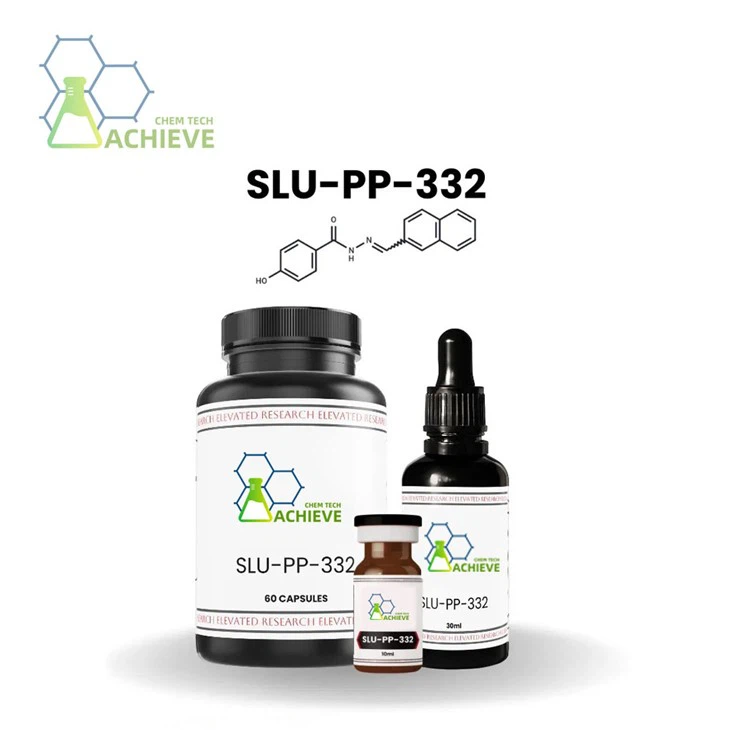
SLU-PP-332 Powder
1.General Specification(in stock)
(1)API(Pure powder)
(2)Tablets
(3)Capsules
(4)Injection
(5)Pill press machine
https://www.achievechem.com/pill-press
2.Customization:
We will negotiate individually, OEM/ODM, No brand, for secience researching only.
Internal Code: BM-1-033
4-hydroxy-N'-(2-naphthylmethylene)benzohydrazide CAS 303760-60-3
Analysis: HPLC, LC-MS, HNMR
Technology support: R&D Dept.-4
We provide SLU-PP-332 powder, please refer to the following website for detailed specifications and product information.
Product:https://www.bloomtechz.com/synthetic-chemical/peptide/slu-pp-332-powder.html

What Are the Core Uses of SLU-PP-332 Powder in Lab Experiments
Researchers mostly use SLU-PP-332 Powder as a specific pharmacological tool to study REV-ERB nuclear receptors, which are very important for controlling the circadian cycle and metabolic processes. Scientists use this substance to turn on the REV-ERBα and REV-ERBβ receptors. This lets them study in more depth how these nuclear receptors change the way genes are expressed. Because the molecule is selective, it can be used to study specific signaling pathways without having any unwanted effects that could mess up the results of experiments.


Exploring Circadian Biology and Metabolic Regulation
When it comes to practical uses, this study compound really shines in the field of circadian rhythm studies. Scientists who are studying how biological clocks work use the chemical to change the activity of REV-ERB and watch how that changes the expression of clock genes. These studies show how molecular timekeeping systems make sure that different tissues' natural processes work together. Metabolic research labs also use this tool to look into the links between circadian regulation and energy balance. This helps them find links between gene expression and metabolic pathway activity over time.
Studying Cellular Differentiation and Development
Labs that study developmental biology use this research material as part of their methods to look into how nuclear receptor signaling affects cell fate decisions. Researchers have learned more about how different types of cells, like adipocytes and immune cells, differentiate by using this substance. Being able to selectively trigger REV-ERB pathways lets researchers figure out what role these receptors play in developmental programs and separate them from other regulatory factors that work at the same time during differentiation.


How SLU-PP-332 Powder Is Applied in Controlled Experimental Setups

To use this study compound correctly, you need to carefully SLU-PP-332 Powder think about the experimental design factors, such as choosing the right concentration, treatment time, and control conditions. Most of the time, researchers mix the powder with the right organic solvents to make stock solutions. These solutions can then be reduced to concentrations that are useful for cellular tests. Depending on the experiment model and endpoints being observed, concentration values are often between nanomolar and low micromolar levels.
Establishing Appropriate Dosing Protocols
To find the best amounts for different types of research, dose-response studies are used as a starting point. Scientists put cells in growing amounts of the substance and watch for changes in gene expression, protein levels, or functional tests that show how the cells are working. These tests find the concentration range of the substance that has strong biological effects without killing cells or causing general cellular stress reactions. Temporal factors are also very important. For example, some studies need short-term treatments that last a few hours, while others use long-term contact that lasts several days to look at long-term changes in regulation.


Integrating with Complementary Experimental Approaches
In advanced study methods, this pharmacological tool is often used with other techniques that help build a full picture of how things work. Genetic methods like receptor knockdown or knockout can show that the effects seen depend on the molecular target that was intended. To be sure that the drug works through these specific nuclear receptors, researchers might treat both normal cells and cells that don't have REV-ERB receptors. When you combine drug activation with transcriptome profiling, proteomic analysis, or metabolomic assessment, you can learn more about how cells respond and what happens after a pathway is activated.

Role of SLU-PP-332 Powder in Cellular and Molecular Studies
Researchers who study cells and molecules can learn a lot from specialized pharmacological tools that let them precisely change certain signaling paths. This research chemical makes it easier to study mechanisms in great detail by letting researchers control when REV-ERB is activated. This lets them look at both short-term effects and long-term adaptive reactions. Because these nuclear sensors can be turned on in live cells, it is possible to study dynamic regulatory processes that would be hard to study using only genetic methods.


Examining Signal Transduction Pathways
This compound is used in signal transduction studies to figure out how activating REV-ERB affects other cells' reactions. Scientists can follow signaling chains by looking at phosphorylation events, protein-protein interactions, and changes in secondary messenger systems when they use the chemical to turn on these receptors. These studies show that when nuclear receptors are activated, they cause changes in the behavior of cells that are coordinated across many regulatory layers. Scientists can better understand how cells use time information along with other environmental and biological cues when they understand these communication networks.
Investigating Protein-DNA Interactions
This drug trigger is helpful for biochemical studies that look at how nuclear receptors interact with DNA regulatory elements. Scientists can use the substance to treat cells and then separate nuclear protein complexes to study how activating SLU-PP-332 Powder receptors changes the binding of chromatin and the building of regulatory complexes. These studies show how ligand binding changes the shape of molecules and how those changes affect how they interact with co-regulatory proteins and chromatin remodeling complexes. Learning about these molecular details helps us understand how small chemicals affect gene expression at the most basic level.

Best Practices for Handling SLU-PP-332 Powder in Laboratory Workflows
The right way to handle materials protects their purity, makes sure that experiments can be repeated, and keeps the lab safe. For research-grade chemicals to stay in good quality throughout their use span, they need to be carefully stored, prepared, and documented. Laboratories should make standard working procedures that cover how to receive materials, store them, make solutions, and get rid of them. This way, all staff members and trial sessions will handle materials the same way.
Storage and Stability Considerations
To keep compounds stable, you need to pay attention to things in the surroundings that could cause them to break down. To keep the powder from absorbing water, which could lower the quality of the material, it should be kept in cases with tight lids in a dry place. Controlling the temperature is very important. Many study chemicals stay stable at -20°C for long periods of time, but storing them at room temperature may cause them to break down slowly over time. To make sure materials are used within the recommended limits, labs should set up inventory keeping systems that keep track of when they were received, how they were stored, and how many times they were used.
Solution Preparation and Quality Control
To get exact ratios and full dissolution, you need to be very careful when making stock solutions. Researchers should choose solvents that work well with both the chemical qualities of the substance and the experiments that will be done afterward. Dimethyl sulfoxide is often used as a solvent for many study chemicals that don't like water, but other solvents may be needed for certain tasks. Short sonication or vortexing can make sure that solutions are all the same after they have been dissolved. By dividing stock solutions into single-use amounts, frequent freeze-thaw cycles that could damage the material's structure are avoided.
Documentation and Experimental Record-Keeping
Full writing helps with repeatability of experiments and following the rules. Laboratories should keep thorough records that include the lot numbers of the materials they use, the times they were prepared, how they were stored, and how to figure out the concentrations. Researchers can keep track of possible batch-to-batch differences and figure out why some results were unexpected by writing down these details along with the trial results. Digital laboratory notebook systems can make paperwork easier while keeping records safe so they can be used again in the future or for regulatory checks.

Ensuring Experimental Consistency with SLU-PP-332 Powder
Controlling factors that could bring unwanted variability are needed for experimental results so that SLU-PP-332 Powder can be repeated. Consistency in outcomes is affected by the quality of the research, the methods used for planning, the rules for care, and the methods used for analysis. Standardizing methods across these areas makes sure that the results of experiments are based on real biological phenomena and not on technology glitches.

Validating Material Identity and Purity
The first step in quality assurance is making sure that the materials you receive meet the requirements for identity and cleanliness. High-performance liquid chromatography, mass spectrometry, and nuclear magnetic resonance spectroscopy are some of the analytical methods that can be used to prove chemical structure and measure levels of purity. Most of the time, research-grade materials should be purer than 98% so that flaws or breakdown products don't mess up the results. When labs work with outside suppliers, they should ask for certificates of analysis that list these readings and prove the material's specs.
Standardizing Treatment Protocols Across Experiments
Protocol uniformity gets rid of variables that weren't meant to be there and could change the results of an experiment. In writing instructions, specific concentrations, treatment times, cell densities, growth conditions, and other factors that affect the results of an experiment should be listed. Standardized methods make sure that studies can be compared when more than one researcher does the same kind of experiment. Protocols are reviewed and updated on a regular basis to include new results and technology improvements while staying true to the work that has already been done.


Implementing Internal Controls and Reference Standards
Internal testing tests help find technical issues and confirms that the assay works. When testing systems regularly gives the expected results, this is a sign that they are working correctly. Reference chemicals, which have effects that are well understood, are used to compare test conditions to. Researchers can quickly find technical problems and tell the difference between real testing results and assay variability when these controls are used in every experiment.

Conclusion
In conclusion, SLU-PP-332 Powder is used in many types of lab studies, ranging from circadian biology to metabolic control and cellular development. This specific pharmacological tool lets researchers look into how the REV-ERB nuclear receptor works very precisely. It gives them molecular insights that help us understand basic biological processes better. To make execution work, you need to pay attention to how the experiments are set up, how they are handled, and how quality control methods are used to make sure that the results can be repeated. Even as study methods change, compounds like this will still be needed to figure out how complicated cellular processes work and how to use basic findings in real life. When researchers set strict rules and work with dependable suppliers, they are better able to get high-quality data that improves science and upholds the highest standards of experiment ethics.
FAQ
1. What cell types are commonly used in experiments with SLU-PP-332 Powder?
+
-
Different types of cell models are used by researchers based on the questions they want to answer. Because REV-ERB receptors play such an important role in liver metabolism, hepatocytes and cell lines generated from the liver are often used for metabolic studies. Adipocyte models help researchers find links between circadian control and the way fat cells work. Neuronal cells and cell lines generated from the brain make it possible to study how the circadian clock works in neural tissues. Models of immune cells, such as macrophages, show how these receptors affect reactions to inflammation. The substance works well in all of these different cell situations, but the best amounts and treatment times may need to be tweaked for different types of cells.
2. How should researchers determine the appropriate concentration for their experiments?
+
-
Choosing the right concentration varies depending on a number of things, such as the type of cell, the length of treatment, and the goals of the experiment. A methodical technique starts with reading about previous experiments that used similar dose ranges. Dose-response studies with pilot compounds that try concentrations covering several orders of magnitude help find the range that has biological effects without being toxic. To find the best working range, researchers should keep an eye on both the molecular reactions they want to see and the effects that could kill cells. Time-course experiments that look at reactions at different points in time give us more information about how fast impacts happen and how long they last. This empirical optimization makes sure that the amounts used have strong, repeatable effects that are right for the study project.
3. Can this compound be used in combination with other experimental treatments?
+
-
When planned correctly, combined treatment methods can give us useful information about how things work. This REV-ERB agonist is often used with other pathway modulators by researchers to look at how different signaling systems interact with each other. When metabolic inhibitors, kinase inhibitors, or other nuclear receptor ligands are mixed together, they can show how regulatory pathways talk to each other. When researchers plan combination tests, they should think about how the drugs might interact with each other. To keep cellular systems from being overloaded, they should change the concentrations or the time of the experiments. Sequential treatment methods, in which chemicals are given to cells at different times, can help figure out how one event can cause another to happen. Using the right controls, such as situations with only one drug, makes it easy to tell the difference between the effects of a combination and the effects of a single compound.

Partner with BLOOM TECH: Your Trusted SLU-PP-332 Powder Supplier
You can trust BLOOM TECH to give you high-quality study chemicals, such as SLU-PP-332 Powder. Our production facilities, which are 100,000 square meters and GMP-certified, meet strict US, EU, JP, and CFDA standards. This makes sure that every batch meets the purity and stability needs of your study. We have been making organic chemicals and pharmaceutical intermediates for more than 12 years. We offer full analytical paperwork, a variety of package choices, and reasonable prices that make cutting-edge research easy to access. Our skilled R&D team is here to help you with technical issues at every step of your testing journey, from the first question to mass production scale-up. As approved providers to 24 foreign biotechnology and pharmaceutical businesses, we know how important it is for the supply chain to be reliable and follow all the rules. If you need a reliable SLU-PP-332 Powder provider, BLOOM TECH has clear pricing, accurate lead times, and quality guarantees backed by triple-layer analysis proof. Email our team at Sales@bloomtechz.com right now to talk about your research needs and find out how our all-in-one service platform can help you reach your science goals faster.
References
1. Johnson CH, Elliott JA, Foster R. Entrainment of circadian programs in cellular and molecular biology. Annual Review of Physiology. 2015;77:345-368.
2. Solt LA, Wang Y, Banerjee S, Hughes T, Kojetin DJ, Lundasen T, Shin Y, Liu J, Cameron MD, Noel R, Yoo SH. Regulation of circadian behaviour and metabolism by synthetic REV-ERB agonists. Nature. 2012;485(7396):62-68.
3. Kojetin DJ, Burris TP. REV-ERB and ROR nuclear receptors as drug targets for metabolic disease. Current Opinion in Pharmacology. 2014;16:15-20.
4. Zhang Y, Fang B, Emmett MJ, Damle M, Sun Z, Feng D, Armour SM, Remsberg JR, Jager J, Soccio RE, Steger DJ. REV-ERBα and REV-ERBβ coordinately protect the circadian clock and normal metabolic function. Genes & Development. 2015;29(4):379-393.
5. Burris TP, Solt LA, Wang Y, Crumbley C, Banerjee S, Griffett K, Lundasen T, Hughes T, Kojetin DJ. Nuclear receptors and their selective pharmacologic modulators in metabolic regulation. Pharmacological Reviews. 2013;65(2):710-778.
6. Welch RD, Billon C, Valfort AC, Burris TP, Flaveny CA. Pharmacological modulation of REV-ERB nuclear receptors in health and disease. Pharmacology & Therapeutics. 2017;178:144-157.