


Feline infectious peritonitis remains one of the most challenging viral diseases for cat owners worldwide, and many who have seen their cats recover naturally wonder about recurrence. GS-441524 injectionhas transformed FIP management by blocking viral RNA replication, but initial treatment is only half the concern. Research from multiple veterinary schools shows that completing full treatment courses significantly reduces relapse rates compared to short-term therapy. This protective effect involves several biological mechanisms working together to place the virus into a long-lasting dormant state, providing sustained remission and peace of mind for cat owners.
1.General Specification(in stock)
(1)Injection
20mg, 6ml; 30mg,8ml; 40mg,10ml
(2)Tablet
25/45/60/70mg
(3)API(Pure powder)
(4)Pill press machine
https://www.achievechem.com/pill-press
2.Customization:
We will negotiate individually, OEM/ODM, No brand, for secience researching only.
Internal Code: BM-3-001
GS-441524 CAS 1191237-69-0
Analysis: HPLC, LC-MS, HNMR
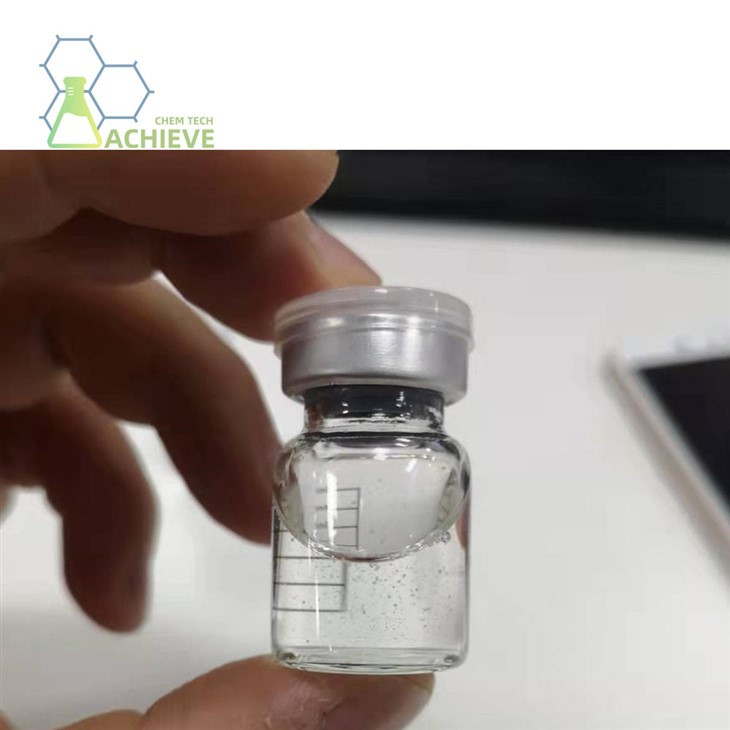
We provide GS-441524 injection, please refer to the following website for detailed specifications and product information.
Product: https://www.bloomtechz.com/oem-odm/injection/gs-441524-injection.html

How GS-441524 Injection Supports Long-Term Viral Suppression Stability?

Molecular Mechanisms Behind Sustained Antiviral Action
GS-441524 injection undergoes intracellular phosphorylation to its active triphosphate form, which remains stable within infected cells at therapeutic levels long after initial dosing. This prolonged retention creates a biochemical barrier preventing dormant viral particles from initiating new replication processes. The ribonucleotide analogue structure allows persistence in RNA synthesis compartments, effectively disrupting viral production multiple times and providing sustained antiviral protection.
Treatment Duration and Relapse Prevention Correlation
Clinical studies demonstrate strong correlation between treatment length and relapse rates. Cats completing standard 12-week protocols show significantly lower recurrence compared to shorter courses. Extended treatment windows target viral reservoirs throughout the body, including sanctuary sites. Neurological and ocular cases may require up to 20 weeks of therapy due to slower drug penetration. Continuous therapeutic pressure is essential for complete viral clearance.


Dose Optimization Strategies for Maximum Protection
Standard dosing at 5-7 mg/kg subcutaneously every 24 hours requires individual adjustments based on metabolism, disease severity, and viral load. Wet form cases may need higher initial doses for effusion compartment penetration. Pharmacokinetic studies show consistent plasma levels prevent resistant mutant emergence. Irregular dosing creates subtherapeutic windows potentially allowing drug-insensitive variants to develop, emphasizing strict adherence to administration schedules.

GS-441524 Injection and Sustained Control of Viral Replication Activity
Inhibition of Viral RNA Polymerase Function
The antiviral agent targets viral RNA-dependent RNA polymerase essential for coronavirus replication. By mimicking natural nucleotides, it incorporates into growing viral RNA chains causing premature termination. This prevents production of functional genetic material for infectious particles. Biochemical assays demonstrate high specificity for viral polymerases over mammalian enzymes, ensuring favorable side effect profiles while maintaining robust antiviral efficacy even at moderate therapeutic concentrations.


Prevention of Viral Mutation and Resistance Development
GS-441524 injection presents a high genetic barrier to resistance, requiring multiple simultaneous mutations for significant viral escape. Viral sequence analysis from treated cats shows minimal genetic drift, indicating sustained drug efficacy. Broad-spectrum activity against diverse coronavirus strains provides additional protection against emerging variants. The highly conserved polymerase active site target makes viral adaptation difficult without compromising replication fitness.
Clearance of Viral Reservoirs in Sanctuary Sites
Certain body compartments including peritoneal cavity, central nervous system, and ocular chambers harbor persistent viral populations difficult to clear initially. Extended treatment protocols specifically target these sanctuary sites, gradually reducing viral loads until elimination. Tissue distribution studies demonstrate accumulation in hard-to-reach areas through repeated dosing. Lipophilic properties facilitate membrane penetration, enabling access to sequestered viral populations.


Why Consistent Viral Load Management Matters for GS-441524 Injection Outcomes?
Regular clinical monitoring provides essential information about treatment efficacy. Veterinarians track protein levels, liver enzymes, and inflammatory markers. Improving indicators suggest effective viral suppression while stagnant or declining values may indicate poor response or resistance. Physical examination findings including effusion resolution, appetite improvement, activity increase, and temperature stabilization guide dose adjustments. This individualized approach accommodates FIP's variable presentations.
Decreasing serum globulin levels indicate reduced inflammation and viral replication slowing. Albumin-to-globulin ratio normalization represents a strong positive prognostic sign, reflecting restored protein production and reduced immune activation. PCR testing enables direct viral load measurement. Cats reaching undetectable viral levels by mid-treatment demonstrate superior long-term outcomes. These objective measures guide optimal therapeutic decisions.
Maintaining adequate drug concentrations throughout treatment prevents viral relapse. Missed or irregular doses allow residual viral populations to resume replication. Even brief subtherapeutic exposure periods can compromise outcomes. Proper injection technique ensures reliable absorption through appropriate tissue plane placement and site rotation. This attention to administration detail maintains consistent therapeutic levels essential for complete viral suppression.
Post-Treatment Viral Control Mechanisms of GS-441524 Injection

Residual Antiviral Activity After Treatment Completion
After treatment stops, drug molecules that are still in the body keep fighting viruses for days or weeks. This prolonged action creates a transitional time during which the immune system of cats takes over controlling any leftover viral particles. As the quantity of drugs slowly drops, the immune system can get stronger without having to deal with too much virus replication.
Studies of intracellular chemistry show that phosphorylated metabolites have longer half-lives inside of sick cells. This long-lasting retention forms a protected window during the important phase after treatment, filling the void between actively administering medications and fully controlling the immune system on one's own.
The planned timing of this shift lowers the risk of relapse during the most sensitive time, right after treatment ends.
Immune System Restoration and Memory Response
When treatment with GS-441524 injection is successful, the immune system of the cat can heal from the severe inflammatory reaction that is typical of FIP. As the amount of virus drops, the number of lymphocytes returns to normal, and the production of antibodies changes from being harmful to helpful. This resetting of the immune system sets up long-lasting defenses against a possible virus comeback.
During treatment and healing, memory T cells that are specific for coronavirus proteins grow. These specific immunity cells stay alert and are ready to act quickly if the virus tries to replicate again.

In addition to the direct antiviral benefits of the medicine, the presence of these memory populations adds another layer of defense.

Long-Term Surveillance and Relapse Detection
When someone is monitored after treatment, possible relapses are caught early, when the treatment is still most likely to work. Veterinarians usually suggest that pets get follow-up exams at regular times in the year after treatment is over. During these meetings, the patient's health is checked, and lab tests may be done to make sure the recovery is still going strong.
Cat owners are very important for tracking because they watch their pets for small changes that could mean the virus is coming back. If your cat loses weight, loses its hunger, stops moving around, or gets a fever again, you should take them to the vet right away.
When a return is caught early, treatment can be started right away, which often leads to successful re-establishment of viral control.

How GS-441524 Injection Supports Durable Feline Immune Recovery Balance?
Reduction of Inflammatory Cascade Activation
The severe inflammation response that FIP causes is a big part of how the disease shows up in the body. The GS-441524 injection stops the inflammatory reaction by quickly stopping the growth of viruses. This lets the damaged tissues start to heal. As the abundance of virus antigens drops, cytokine levels return to normal, vascular permeability goes down, and immune complex formation slows down.
This anti-inflammatory action does more than just lower the number of viruses in the body. Tissue samples from cats that were treated show less stiffness and less involvement by inflammatory cells than samples from cats that were not treated.


The medicine's ability to stop the disease from getting worse protects organ structure, which makes full functional healing more likely.
Restoration of Normal Immune Cell Populations
FIP seriously messes up the normal function and spread of immunity cells. When monocytes and macrophages get infected, they spread the virus throughout the body without being able to build a strong antiviral reaction. Treatment helps these groups of cells get better, regaining their protective roles and getting rid of sick cells that act as viral reservoirs.
The rates of helper and cytotoxic T cells become normal as the treatment goes on, according to lymphocyte subset research. Rebalancing means that the adaptable immune system is working again, which is important for keeping viruses under control in the long run. B cell numbers also get better, which lets the body make enough antibodies to protect against any possible viral return.
Tissue Repair and Functional Recovery
In addition to stopping the virus from replicating, effective treatment also lets damaged cells grow back.


When an inflammatory damage stops, peritoneal membranes, liver tissue, kidney structures, and nerve tissues all heal very quickly. The length of healing is related to when treatment starts, which shows how important it is to start treatment early.
Functional tests show that cats who reach full remission usually go back to their normal levels of exercise and life expectancy. In the months after treatment, liver function tests, kidney measures, and brain exams return to normal. This means that the tissues have really been repaired, not just the symptoms have been controlled. This all-around healing is what sets successful FIP treatment apart from palliative care methods.

Conclusion
The question of whether GS-441524 injection helps lower the chance of FIP relapse is strongly answered in the positive by both clinical experience and study. The medicine works in several different ways to stop the virus from replicating at the molecular level and help the immune system heal. Following the right dosing instructions, treatment for the right amount of time, and careful tracking after treatment all work together to lower the risk of viral return.
Cat owners who have been told their cat has FIP should know that full treatment courses are the best way to keep their cat from relapsing. Following through with daily shots for 12 to 20 weeks is a big commitment, but the long-term benefits make it worth it. Cats that follow full routines have amazing recovery rates and stay healthy for long amounts of time without getting sick again.
Scientists are still learning more about how to treat FIP, and ongoing study is improving methods and results. The data we have now strongly supports the fact that using this antiviral compound correctly stops the virus for a long time. This turns FIP from a disease that always kills into one that can be managed and has a good outlook when treated correctly.
FAQ
1. How long after completing treatment should I monitor my cat for potential relapse?
Veterinarians recommend monitoring cats for 12 months following therapy. The risk is highest in the first three to six months after drug treatment. Schedule follow-up examinations one, three, six, and twelve months following therapy. Check your cat's appetite, energy, weight, and behavior daily between vet appointments. Check any concerning indications with a doctor immediately. Many veterinarians often test blood to detect subtle changes before they become clinical indications. Cats without symptoms for a year have a favorable long-term prognosis and a low relapse rate.
2. What factors increase the likelihood of FIP relapse after treatment?
Risk of return depends on several things. Since short-term therapies don't eliminate all virus pools, incomplete treatment sessions are the main cause. Cats with eye or nerve system issues repeat more because medications have trouble entering these regions. Leftover viral groups might remain if the dosage was too low or inconsistent. Weakened immune systems or simultaneous disorders may make it tougher for the immune system to manage viruses following therapy. Pre-treatment ill cats may have greater virus loads and need lengthier therapy. Working together with medical providers to optimize treatment settings reduces these dangers.
3. Can changing injection formulations during treatment affect the chance of relapse?
Consider when to alternate between water- and oil-based solutions during treatment. Both formulations contain the same active substance but absorb and distribute differently in tissues. Sudden changes may cause medication levels to drop, allowing virus replication to resume. If supply issues or side effects need formulation adjustments, veterinarian consultation ensures the proper dose changes are made to keep the medication effective. The best strategy to stop the virus is to utilize the same effective formulation throughout therapy. Another concern is that vendor quality might fluctuate, so it's crucial to purchase from trusted organizations with constant manufacturing standards.
Partner with BLOOM TECH for Premium GS-441524 Injection Supply Solutions
You can trust BLOOM TECH as your GS-441524 injection supplier. They have over 12 years of experience in the pharmaceutical industry and are now working to improve animal medicine. Our production sites are GMP-certified and meet foreign standards such as US-FDA, EU-GMP, and CFDA approvals. This makes sure that every batch meets the strictest purity requirements. We know how important it is for veterinary uses to have a reliable supply of antiviral drugs.
That's why we use triple-verification methods to keep an eye on quality. We offer reasonable prices because we want to build long-term relationships with our customers instead of just making quick gains. Our margins are clear, and we can make arrangements that work with your study or distribution needs. No matter how many samples you need for study or how many you need for production, our ERP-tracked services will make sure you get them on time and with all the paperwork you need to clear customs. For more information on how BLOOM TECH can meet your GS-441524 injection supplier needs, please email Sales@bloomtechz.com. Our commitment to quality, price, and service has won us relationships with 24 big international pharmaceutical and research organizations.

References
1. Pedersen NC, Perron M, Bannasch M, Montgomery E, Murakami E, Liepnieks M, Liu H. Efficacy and safety of the nucleoside analog GS-441524 for treatment of cats with naturally occurring feline infectious peritonitis. Journal of Feline Medicine and Surgery. 2019;21(4):271-281.
2. Murphy BG, Perron M, Murakami E, Bauer K, Park Y, Eckstrand C, Liepnieks M, Pedersen NC. The nucleoside analog GS-441524 strongly inhibits feline infectious peritonitis virus in tissue culture and experimental cat infection studies. Veterinary Microbiology. 2018;219:226-233.
3. Dickinson PJ, Bannasch M, Thomasy SM, Murthy VD, Vernau KM, Liepnieks M, Montgomery E, Knickelbein KE, Murphy B, Pedersen NC. Antiviral treatment using the adenosine nucleoside analogue GS-441524 in cats with clinically diagnosed neurological feline infectious peritonitis. Journal of Veterinary Internal Medicine. 2020;34(4):1587-1593.
4. Krentz D, Zenger K, Alberer M, Felten S, Bergmann M, Dorsch R, Matiasek K, Kolberg L, Hofmann-Lehmann R, Meli ML, Hartmann K. Curing cats with feline infectious peritonitis with an oral multi-component drug containing GS-441524. Viruses. 2021;13(11):2228.
5. Jones S, Novicoff W, Nadeau J, Evans S. Unlicensed GS-441524-like antiviral therapy can be effective for at-home treatment of feline infectious peritonitis. Animals. 2021;11(8):2257.
6. Tasker S. Diagnosis of feline infectious peritonitis: Update on evidence supporting available tests. Journal of Feline Medicine and Surgery. 2018;20(3):228-243.