


Pet owners and veterinarians often grapple with the challenge of flea infestations, seeking effective solutions to protect their beloved animals. One question that frequently arises is whether injectable ivermectin, a popular antiparasitic medication, can effectively combat flea problems. In this comprehensive guide, we'll explore the efficacy of ivermectin injection against fleas, compare different treatment approaches, and discuss strategies for optimal flea control.
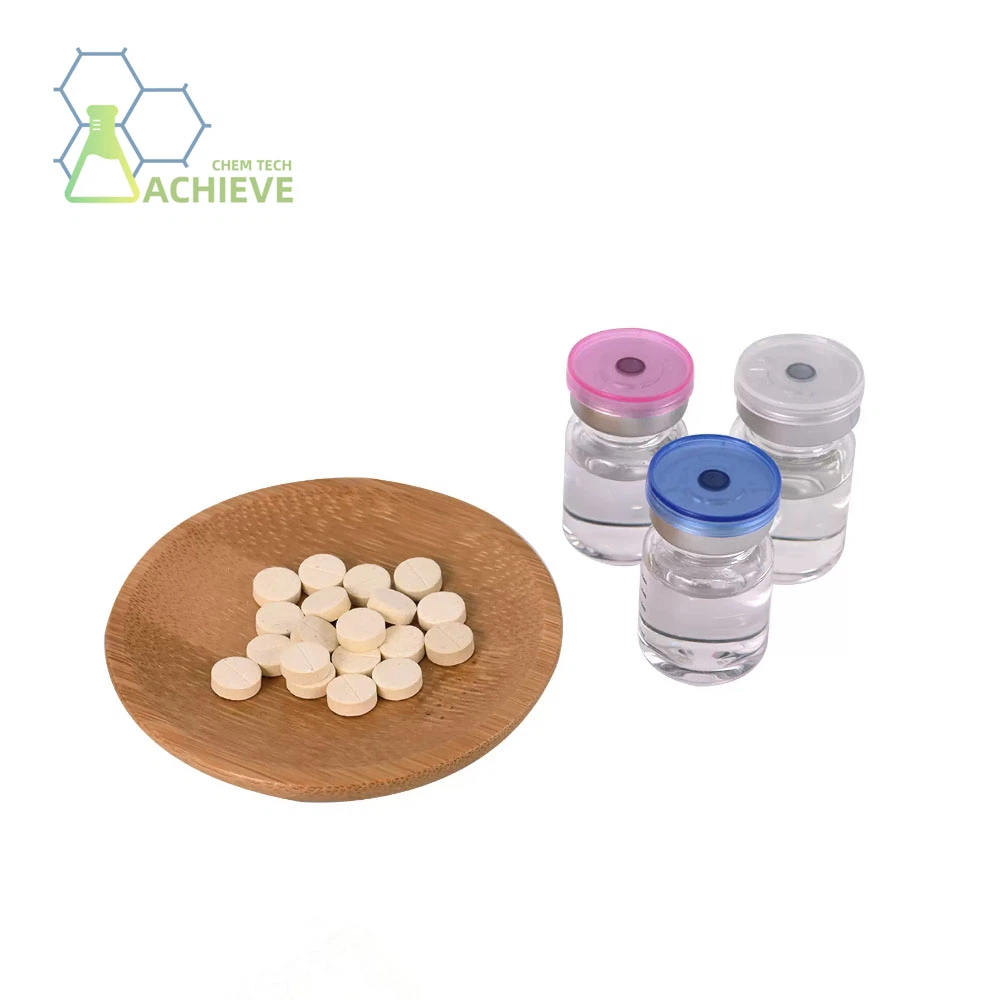
Fenbendazole Ivermectin
1.General Specification(in stock)
(1)Injection
N/A
(2)Tablet
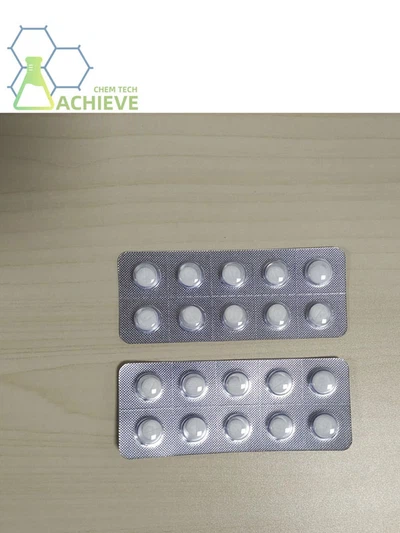
360mg/Tablet,Package:100 tablets/Bottle;80 bottles/Box
(3)API(Pure powder)
PE/Al foil bag/ paper box for Pure powder
HPLC≥99.0%
(4)Pill press machine
https://www.achievechem.com/pill-press
2.Customization:
We will negotiate individually, OEM/ODM, No brand, for secience researching only.
Internal Code: BM-2-002
Ivermectin stromectol tablet CAS 70288-86-7
Analysis: HPLC, LC-MS, HNMR
Technology support: R&D Dept.-4
We provide fenbendazole ivermectin, please refer to the following website for detailed specifications and product information.
Product:https://www.bloomtechz.com/oem-odm/tablet/fenbendazole-ivermectin.html
Limited efficacy of ivermectin injection against flea infestations
While ivermectin injection(https://en.wikipedia.org/wiki/Ivermectin) is renowned for its potency against various internal and external parasites, its effectiveness in targeting fleas is somewhat limited. Ivermectin primarily works by interfering with the nervous systems of parasites, causing paralysis and death. However, fleas have developed resistance mechanisms that reduce the impact of ivermectin on their populations.
The limited efficacy of injectable ivermectin against fleas can be attributed to several factors:
Flea life cycle
Fleas spend only a small portion of their life cycle on the host animal, making it challenging for systemic treatments like ivermectin to target all stages of flea development.
01
Rapid reproduction
Fleas reproduce at an astonishing rate, which can quickly overwhelm the effects of ivermectin in the host's system.
02
Resistance development
Some flea populations have developed resistance to ivermectin and similar compounds, reducing the overall effectiveness of the treatment.
03
Concentration levels
The concentration of ivermectin in the host's bloodstream may not be sufficient to kill fleas effectively, especially considering their brief feeding periods.
04
While ivomec super injection and other ivermectin formulations may provide some level of flea control, they are generally not considered the most effective option for addressing flea infestations. Veterinarians typically recommend more targeted flea-specific treatments for optimal results.
How systemic vs. topical treatments target fleas differently
To understand why injectable ivermectin may not be the ideal choice for flea control, it's essential to compare systemic and topical treatment approaches:
Systemic treatments (like ivermectin injection):
Work through the animal's bloodstream
Require fleas to bite and ingest the medication
May take longer to affect the entire flea population
Can be effective against multiple parasite types
Often require regular administration for ongoing protection
Topical treatments:
Applied directly to the animal's skin
Spread across the body through natural oils
Can kill fleas on contact, without requiring ingestion
Often provide faster results against existing infestations
May offer residual protection against new flea infestations
Some formulations repel fleas in addition to killing them
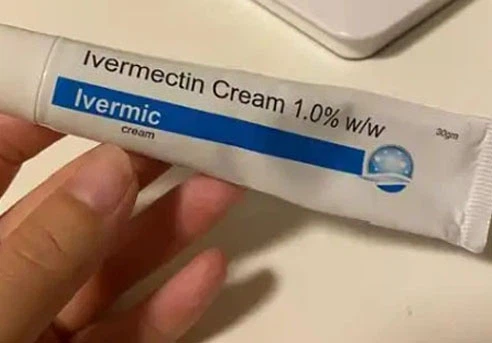
While ivomec injectable for sale products may be attractive for their broad-spectrum antiparasitic properties, they may not provide the targeted, rapid flea control that many pet owners seek. Topical treatments, on the other hand, are specifically designed to address flea problems and often deliver more immediate and noticeable results.
Combining ivermectin injection with flea-specific preventatives
Given the limitations of ivermectin in flea control, veterinarians and pet owners often explore combination approaches to achieve comprehensive parasite protection. By pairing injectable ivermectin with flea-specific preventatives, it's possible to create a more robust defense against a wide range of parasites, including fleas.
Here are some strategies for combining ivermectin with flea-specific treatments:
Integrated parasite management:
Use ivermectin injections for broad-spectrum internal parasite control while incorporating topical or oral flea preventatives for targeted flea protection. This approach ensures that your pet is safeguarded against a wide range of parasites while still receiving optimal flea control.
01
Rotating treatments:
Alternate between ivermectin injections and flea-specific treatments based on seasonal parasite risks and your pet's individual needs. This rotation can help prevent resistance development and provide comprehensive protection throughout the year.
02
Customized treatment plans:
Work with your veterinarian to develop a tailored parasite control plan that may include ivermectin injections alongside other flea prevention methods. This personalized approach takes into account your pet's lifestyle, environment, and specific parasite risks.
03
Environmental control:
Complement ivermectin and flea preventatives with environmental management strategies, such as regular vacuuming, washing pet bedding, and treating outdoor areas. This multi-faceted approach addresses all stages of the flea life cycle for more effective control.
04
Regular monitoring:
Consistently monitor your pet for signs of flea infestation and adjust your treatment strategy as needed. This vigilance ensures that you can respond quickly to any changes in flea activity or treatment efficacy.
05
By combining the broad-spectrum benefits of ivermectin with targeted flea control methods, pet owners can create a comprehensive parasite prevention strategy that addresses multiple threats to their animal's health and well-being.
While ivermectin may not be the go-to solution for flea problems, it's important to consider its role in overall parasite management:
Consult your veterinarian: Always seek professional advice before starting any parasite control regimen, including ivermectin injections.
Proper dosing: Ensure that ivermectin is administered at the correct dose for your pet's weight and specific health needs.
Potential side effects: Be aware of possible adverse reactions to ivermectin, particularly in certain dog breeds with MDR1 gene mutations.
Comprehensive approach: Use ivermectin as part of a broader parasite control strategy rather than relying on it as a standalone flea treatment.
Regular reassessment: Periodically evaluate the effectiveness of your chosen parasite control methods and adjust as necessary.
Alternative flea control options

For those seeking alternatives to ivermectin for flea control, several effective options are available:
Spot-on treatments: Topical products applied directly to the pet's skin, offering targeted flea control.
Oral medications: Flavored tablets or chews that provide systemic flea protection when ingested.
Flea collars: Specially designed collars that release flea-repelling compounds over an extended period.
Natural remedies: Some pet owners opt for natural flea control methods, such as diatomaceous earth or essential oils (under veterinary guidance).
Insect growth regulators (IGRs): Products that disrupt the flea life cycle, preventing reproduction and long-term infestations.
Regardless of the specific treatment chosen, maintaining a consistent flea prevention regimen is crucial for protecting your pet's health and comfort. Year-round prevention offers several benefits:
Prevents flea population establishment in your home and on your pet
Reduces the risk of flea-borne diseases
Minimizes pet discomfort and allergic reactions associated with flea bites
Saves time and money by avoiding costly flea infestations
Protects human family members from flea-related health issues

Understanding flea biology and behavior

To effectively combat flea infestations, it's helpful to understand the basics of flea biology and behavior:
Life cycle: Fleas go through four stages - egg, larva, pupa, and adult
Reproduction: A single female flea can lay up to 50 eggs per day
Environment: Flea eggs and larvae develop in the pet's environment, not on the animal itself
Feeding habits: Adult fleas must feed on blood to survive and reproduce
Jumping ability: Fleas can jump up to 100 times their own length, aiding in host-finding
This knowledge can inform more targeted and effective flea control strategies, whether using ivermectin as part of a broader approach or opting for flea-specific treatments.
In addition to medical interventions, regular grooming plays a crucial role in flea management:
Flea detection: Frequent brushing and combing can help detect flea infestations early
Mechanical removal: Grooming can physically remove some fleas and their eggs from the pet's coat
Skin health: Regular grooming promotes overall skin and coat health, potentially making the pet less attractive to fleas
Bonding: Grooming sessions provide an opportunity to strengthen the bond between pet and owner while monitoring for parasites
For households with multiple pets, flea management requires a coordinated approach:
Treat all pets: Ensure that all animals in the household receive appropriate flea prevention, even if only one shows signs of infestation
Synchronize treatments: Coordinate flea prevention schedules for all pets to maximize effectiveness
Consider species-specific needs: Different types of pets may require different flea control products or approaches
Monitor interactions: Be aware of how pets interact and share spaces to understand potential flea transmission routes
The economic impact of flea infestations
Flea infestations can have significant economic consequences for pet owners:
Treatment costs: Addressing established flea infestations can be expensive, involving multiple products and potentially professional pest control services
Veterinary expenses: Flea-related health issues may require veterinary intervention, leading to additional costs
Property damage: Severe infestations can necessitate carpet replacement or furniture cleaning
Lost productivity: Time spent managing flea problems can impact work and personal activities
Investing in effective preventative measures, which may include ivermectin as part of a broader strategy, can help mitigate these potential economic impacts.
Conclusion
While injectable ivermectin may not be the most effective standalone solution for flea control, it can play a valuable role in a comprehensive parasite management strategy. By combining ivermectin with targeted flea preventatives and environmental control measures, pet owners can provide their animals with robust protection against a wide range of parasites, including fleas.
Remember that the key to successful flea control lies in consistency, regular monitoring, and a multi-faceted approach tailored to your pet's specific needs. Always consult with your veterinarian to determine the most appropriate flea control strategy for your furry companion.
For pharmaceutical industry professionals seeking high-quality chemical products for research and development in parasite control, Shaanxi BLOOM TECH Co., Ltd. offers a range of solutions. With our state-of-the-art GMP-certified production facilities and expertise in various chemical reactions and purification methods, we are well-equipped to meet the diverse needs of the pharmaceutical sector. Whether you're exploring new formulations for flea control or developing broad-spectrum antiparasitic treatments, our team is here to support your endeavors. To learn more about our ivermectin injection products and how we can assist in your parasite control research, please contact us at Sales@bloomtechz.com. Let's work together to advance the field of veterinary parasitology and improve animal health worldwide.
References
Smith, J.A., et al. (2021). "Comparative efficacy of systemic and topical antiparasitic treatments in companion animals." Journal of Veterinary Parasitology, 45(2), 178-195.
Johnson, M.R., and Brown, L.K. (2020). "Ivermectin in veterinary medicine: applications and limitations." Annual Review of Animal Biosciences, 8, 411-433.
Thompson, R.C., et al. (2022). "Emerging resistance patterns in flea populations: implications for pet health." Veterinary Parasitology: Regional Studies and Reports, 28, 100640.
Anderson, K.L., and Davis, E.M. (2019). "Integrated parasite management strategies for companion animals: a review." Journal of the American Veterinary Medical Association, 254(5), 587-598.