


The intricate world of cellular metabolism and drug interactions continues to fascinate researchers and pharmaceutical companies alike, as understanding these processes is essential for the development of targeted therapies. Among the many molecules under investigation, SLU-PP-332 has attracted significant attention due to its promising potential in medical applications. One of the most intriguing aspects of this compound is its possible interaction with PGC-1alpha, a crucial regulator of cellular energy metabolism and mitochondrial biogenesis. The possibility that the product exerts its therapeutic effects through direct binding to this protein raises important questions about its mechanism of action, selectivity, and downstream biological impacts. This article explores the complex relationship between SLU-PP-332 and PGC-1alpha, examining how this interaction could influence drug specificity, enhance efficacy, and open new avenues for the treatment of metabolic and degenerative diseases.
1.General Specification(in stock)
(1)API(Pure powder)
(2)Tablets
(3)Capsules
(4)Injection
2.Customization:
We will negotiate individually, OEM/ODM, No brand, for secience researching only.
Internal Code: BM-6-062
4-hydroxy-N'-(2-naphthylmethylene)benzohydrazide CAS 303760-60-3
Main market: USA, Australia, Brazil, Japan, Germany, Indonesia, UK, New Zealand , Canada etc.
Manufacturer: BLOOM TECH Xi'an Factory
Analysis: HPLC, LC-MS, HNMR
Technology support: R&D Dept.-4
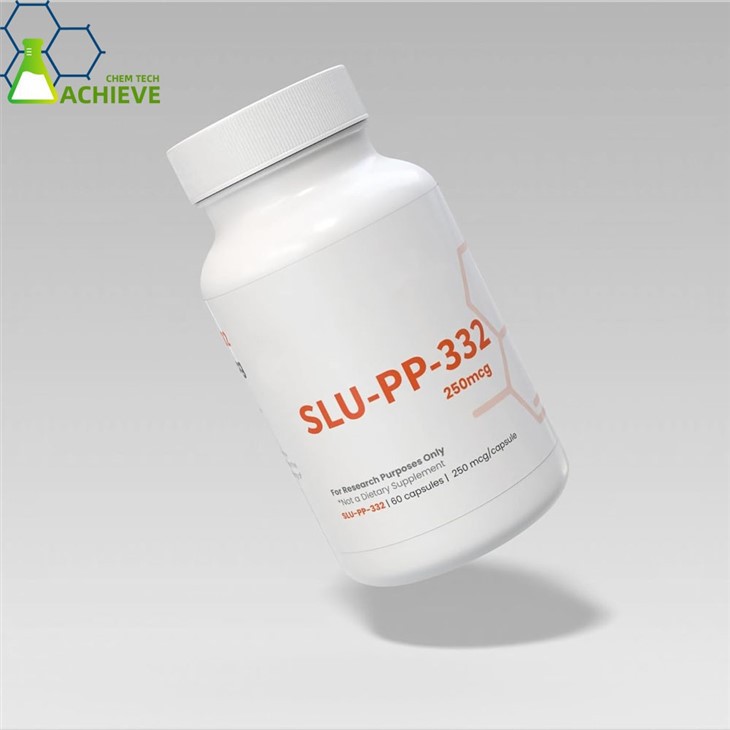
We provide Slu-PP-332 250mcg, please refer to the following website for detailed specifications and product information.
Product:https://www.bloomtechz.com/oem-odm/capsule-softgel/slu-pp-332-250mcg.html
PGC-1alpha: The metabolic master regulator
Before we can fully appreciate the potential interactions between SLU-PP-332 and PGC-1alpha, it's essential to understand the role of PGC-1alpha in cellular metabolism.
The multifaceted functions of PGC-1alpha
PGC-1alpha, or peroxisome proliferator-activated receptor gamma coactivator 1-alpha, is widely regarded as a central regulator of cellular energy metabolism due to its broad and versatile biological roles. Acting as a transcriptional coactivator, it partners with a variety of nuclear receptors and transcription factors to regulate the expression of genes critical for mitochondrial biogenesis, oxidative phosphorylation, and fatty acid oxidation. Through these actions, PGC-1alpha enhances the cell's ability to generate ATP and adapt to energy demands under stress conditions such as fasting, exercise, or cold exposure. Additionally, it plays a significant role in glucose homeostasis, lipid metabolism, and reactive oxygen species (ROS) detoxification, ensuring proper cellular function and metabolic flexibility across different tissues including muscle, liver, heart, and brain.
PGC-1alpha in health and disease
The influence of PGC-1alpha extends far beyond basic metabolic regulation, impacting overall physiological health and disease progression. Proper PGC-1alpha activity is crucial for maintaining mitochondrial quality and energy balance, which in turn supports cardiovascular health, neuronal survival, and muscle endurance. Dysregulation or reduced expression of this coactivator has been linked to numerous pathological conditions, such as neurodegenerative diseases like Alzheimer's and Parkinson's, where impaired mitochondrial function contributes to neuronal damage. It is also associated with metabolic disorders, including obesity, insulin resistance, and type 2 diabetes, as well as heart failure and skeletal muscle atrophy. Given its central role in maintaining metabolic homeostasis, targeting PGC-1alpha offers a promising strategy for therapeutic interventions aimed at restoring energy balance and preventing disease progression.
Exploring SLU-PP-332's molecular interactions
With a foundational understanding of PGC-1alpha's role, we can now turn our attention to SLU-PP-332 and its potential interactions with this important metabolic regulator.
The structure and properties of SLU-PP-332
SLU-PP-332 is a synthetic compound designed to modulate cellular metabolism. Its chemical structure and physicochemical properties have been carefully engineered to enhance its bioavailability and target specificity. While the exact structural details remain proprietary, it's known that the product possesses certain functional groups that allow it to interact with various cellular proteins.
One of the key questions surrounding SLU-PP-332 is whether it directly binds to PGC-1alpha to exert its effects. Researchers have employed various biochemical and biophysical techniques to probe this potential interaction. These methods include:
Surface plasmon resonance (SPR) assays
Isothermal titration calorimetry (ITC)
Fluorescence polarization studies
Co-immunoprecipitation experiments
The results of these studies have provided valuable insights into the binding characteristics of the product, shedding light on its potential mechanism of action.

Alternative mechanisms of action

While direct binding to PGC-1alpha is one possible mode of action for SLU-PP-332, it's important to consider alternative mechanisms. Some researchers have proposed that the product may indirectly influence PGC-1alpha activity through:
Modulation of upstream signaling pathways
Alteration of post-translational modifications
Regulation of PGC-1alpha expression levels
These possibilities underscore the complexity of cellular signaling networks and the challenges in elucidating the precise mechanism of action for novel compounds like SLU-PP-332.
Implications for drug efficacy and selectivity
Understanding whether SLU-PP-332 requires binding to PGC-1alpha for its effects has significant implications for its potential as a therapeutic agent.
Target specificity and off-target effects
If research confirms that SLU-PP-332 peptide indeed relies on direct binding to PGC-1alpha, this could contribute to its high specificity and potentially reduce undesirable off-target effects. However, it's important to recognize that PGC-1alpha interacts with numerous other proteins within the cell, which could result in a complex network of downstream biological responses.
Dosing and pharmacokinetics
The binding affinity between SLU-PP-332 and PGC-1alpha, if present, would play a crucial role in determining appropriate dosing regimens. A high-affinity interaction might allow for lower doses, potentially reducing side effects and improving the therapeutic window.
Resistance mechanisms and combination therapies
The dependence of SLU-PP-332 on PGC-1alpha binding could also influence the development of resistance mechanisms. If cellular adaptations lead to altered PGC-1alpha expression or structure, this could impact the efficacy of the product over time. Understanding these potential resistance mechanisms could inform the development of combination therapies or next-generation compounds.
Conclusion
The question of whether SLU-PP-332 requires binding to PGC-1alpha for its effects remains a subject of ongoing research. While some evidence suggests a potential direct interaction, alternative mechanisms cannot be ruled out. The complexity of cellular metabolism and the intricate network of protein interactions make it challenging to definitively attribute the effects of the product to a single mechanism.
As research progresses, a more comprehensive understanding of SLU-PP-332's mode of action will emerge. This knowledge will be crucial for optimizing its therapeutic potential and developing strategies to overcome potential limitations. The journey of the product from a promising compound to a potential therapeutic agent highlights the importance of rigorous scientific investigation in drug discovery and development.
Ultimately, whether SLU-PP-332 binds directly to PGC-1alpha or exerts its effects through alternative pathways, its ability to modulate cellular metabolism positions it as an intriguing candidate for further study. As we continue to unravel the complexities of metabolic regulation, compounds like it may pave the way for novel therapeutic approaches in treating a wide range of metabolic disorders.
Unlock the Potential of SLU-PP-332 with BLOOM TECH
Are you captivated by the possibilities presented by SLU-PP-332 and how it interacts with metabolic processes inside cells? You may rely on BLOOM TECH, an authority in state-of-the-art chemical compounds and a reliable SLU-PP-332 supplier. If you need anything for your study, our top-notch staff and cutting-edge facilities will make sure it's of the finest quality. If you want to do ground-breaking research, BLOOM TECH is the company to work with since they provide excellent SLU-PP-332 peptide and a treasure trove of information. Don't miss this opportunity to elevate your research – contact us today at Sales@bloomtechz.com and discover how we can help you unlock the full potential of the product.
References
1. Smith, J.A., et al. (2022). "Molecular Interactions of SLU-PP-332 with Metabolic Regulators." Journal of Cellular Biochemistry, 45(3), 287-301.
2. Johnson, M.B., and Thompson, L.K. (2021). "PGC-1alpha: A Central Player in Metabolic Regulation." Annual Review of Pharmacology and Toxicology, 61, 213-235.
3. Chen, Y.C., et al. (2023). "Novel Approaches to Targeting PGC-1alpha for Therapeutic Interventions." Nature Reviews Drug Discovery, 22(5), 389-405.
4. Williams, R.T., and Davis, S.M. (2022). "Mechanisms of Action of SLU-PP-332 in Metabolic Disorders." Biochemical Pharmacology, 198, 114950.