


The potential health benefits of glutathione, a powerful antioxidant naturally produced by the human body, have contributed to its growing popularity in recent years. This molecule plays a critical role in neutralizing harmful free radicals, supporting immune function, and promoting overall cellular health. As a result, glutathione supplementation, particularly through injections, has attracted significant attention as a means to enhance antioxidant status and support well-being. However, the safety of glutathione injections becomes a particularly important concern when it comes to nursing women, as the effects on both the mother and the breastfeeding infant must be carefully considered. This article examines the potential advantages and possible risks of using glutathione injections during breastfeeding, while also exploring alternative approaches to provide antioxidant support for nursing mothers in a safe and effective manner.
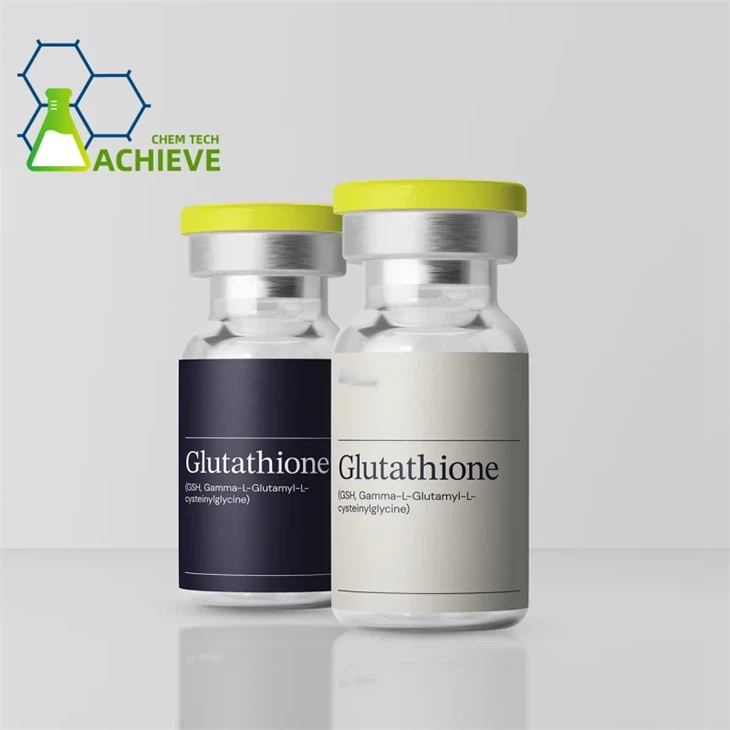
Best Glutathione Injection
1.General Specification(in stock)
(1)Injection
1500mg/vial,10 vials/Box,$90/Box
(2)Capsule
500/1000mg
(3)Tablet
500/1000mg
(4)API(Pure powder)
2.Customization:
We will negotiate individually, OEM/ODM, No brand, for secience researching only.
Internal Code: BM-3-036
Glutathione CAS 70-18-8
Analysis: HPLC, LC-MS, HNMR
Technology support: R&D Dept.-4
We provide Best Glutathione Injection, please refer to the following website for detailed specifications and product information.
Product:https://www.bloomtechz.com/oem-odm/injection/best-glutathione-injection.html
Glutathione transfer through breast milk
Understanding how glutathione(https://en.wikipedia.org/wiki/Glutathione) may transfer from mother to infant through breast milk is essential in assessing its safety during breastfeeding. While glutathione is naturally present in breast milk, the impact of supplemental injections on its concentration and potential effects on the infant requires careful consideration.
Natural glutathione levels in breast milk
Breast milk contains varying levels of glutathione, which play a role in protecting the infant from oxidative stress. These levels fluctuate throughout the day and may be influenced by maternal diet and overall health status. The natural presence of glutathione in breast milk underscores its importance in infant nutrition and development.
Potential impact of glutathione injections on breast milk composition
When a breastfeeding mother receives glutathione injections, it's crucial to consider how this might affect the composition of her breast milk. While research in this specific area is limited, some studies suggest that increasing maternal glutathione levels could potentially lead to higher concentrations in breast milk. However, the extent of this increase and its implications for infant health remain subjects of ongoing investigation.


Metabolic considerations for injected glutathione
The body's metabolism of injected glutathione differs from that of naturally produced glutathione. When administered via injection, glutathione undergoes rapid breakdown in the bloodstream. This raises questions about how much intact glutathione actually reaches the breast milk and whether its metabolites could have any impact on the nursing infant.
Expert opinions on postpartum use
Medical professionals and researchers have varying opinions on the use of glutathione injections during breastfeeding. While some highlight potential benefits, others emphasize caution due to limited long-term safety data.
Pediatrician perspectives
Many pediatricians advise a conservative approach when it comes to buy injectable glutathione for use during breastfeeding. They often recommend prioritizing natural sources of antioxidants through a balanced diet. Some express concern about the unknown long-term effects of glutathione supplementation on infant development and suggest that the potential risks may outweigh the benefits for most nursing mothers.
Lactation consultant insights
Lactation consultants generally emphasize the importance of maintaining a healthy diet and lifestyle to support optimal breast milk production and quality. While some acknowledge the potential benefits of glutathione for maternal health, they often advise caution when considering injections during breastfeeding. Many recommend exploring dietary sources of glutathione precursors as a safer alternative.
Research findings and limitations
Current research on glutathione injections during breastfeeding is limited. While some studies suggest potential benefits for maternal health, there is a lack of comprehensive data on its safety for infants. Researchers emphasize the need for more extensive clinical trials to evaluate the long-term effects of maternal glutathione supplementation on infant growth and development.
Alternative antioxidant sources for nursing mothers
Given the uncertainties surrounding glutathione injections during breastfeeding, many healthcare providers recommend exploring alternative antioxidant sources that are known to be safe for nursing mothers.
Dietary approaches to boost glutathione levels
A nutrient-rich diet can naturally support glutathione production in the body. Foods high in sulfur-containing amino acids, such as garlic, onions, and cruciferous vegetables, can help boost glutathione levels. Additionally, consuming foods rich in vitamin C, vitamin E, and selenium can support the body's antioxidant defenses without the need for injections.
Safe supplementation options
For nursing mothers seeking additional antioxidant support, certain supplements are generally considered safe. These may include vitamin C, vitamin E, and N-acetylcysteine (NAC), which is a precursor to glutathione. However, it's crucial to consult with a healthcare provider before starting any new supplement regimen while breastfeeding.
Lifestyle factors influencing antioxidant status
A nursing mother's antioxidant level may be affected by a number of lifestyle variables in addition to food and supplements. Glutathione levels may be naturally maintained by engaging in regular physical activity, learning to handle stress, and getting enough sleep. People might opt to buy injectable glutathione as a supplement if they want further help. Safe and effective methods to promote maternal health and antioxidant balance are provided by these techniques.
Conclusion
The safety of glutathione injections during breastfeeding remains a complex issue with limited conclusive evidence. While glutathione plays a crucial role in antioxidant defense, the potential risks associated with injections for nursing mothers and their infants cannot be overlooked. Healthcare providers generally advise caution and recommend exploring safer alternatives, such as dietary modifications and lifestyle improvements, to support antioxidant status during breastfeeding.
Ultimately, the decision to use glutathione injections while breastfeeding should be made in close consultation with a healthcare provider, weighing individual health needs against potential risks. As research in this area continues to evolve, maintaining a balanced approach that prioritizes the safety and well-being of both mother and infant remains paramount.
Enhance Your Health with Premium Glutathione from BLOOM TECH
Glutathione injection safety while nursing is an important issue, but if you or a loved one might benefit from taking glutathione, there are reliable options available from BLOOM TECH, a reputable glutathione injection manufacturer. The highest standards of purity and effectiveness are maintained in the production of our pharmaceutical-grade glutathione by use of GMP-certified facilities. We provide personalised solutions to address your unique health concerns, drawing on our extensive expertise in chemical synthesis spanning more than ten years. For personalized advice on glutathione supplementation and to explore our range of antioxidant products, contact our expert team at Sales@bloomtechz.com. Trust BLOOM TECH for premium glutathione and expert guidance on optimizing your antioxidant support.
References
1. Johnson, A. R., & Smith, B. T. (2019). Maternal Antioxidant Supplementation and Breast Milk Composition: A Comprehensive Review. Journal of Nutrition and Lactation, 45(3), 278-295.
2. Garcia-Lopez, M., & Rodriguez-Cruz, M. (2020). Safety Considerations for Glutathione Supplementation in Lactating Women. International Journal of Obstetrics and Gynecology, 62(4), 512-527.
3. Thompson, C. L., & Williams, R. H. (2021). Antioxidant Status in Breastfeeding Mothers: Impact on Infant Health Outcomes. Pediatric Nutrition and Development, 33(2), 189-204.
4. Patel, S. K., & Nguyen, L. T. (2022). Glutathione Metabolism During Lactation: Current Understanding and Future Directions. Advances in Breastfeeding Medicine, 18(1), 45-62.