


Fluralaner is one of the most potent methods in current parasite management, and its potency derives from a precise molecular target: GABA receptors. Whether you're a pet owner, veterinarian or chemical shopper, you want to know how this substance works at the cellular level before you trust it for flea and tick management. In this article we will take you through the science that underlies how fluralaner works – explaining how it attaches to arthropod nerve receptors yet does not damage mammals. We will discuss binding locations, molecular interactions, receptor selectivity and downstream consequences on parasite nervous systems. Whether you're a researcher seeking raw material, a formulator producing new products, or a buyer evaluating vendors, this book gives you a clear picture of why fluralaner continues to be a trusted choice in the pharmaceutical and animal health industries today.
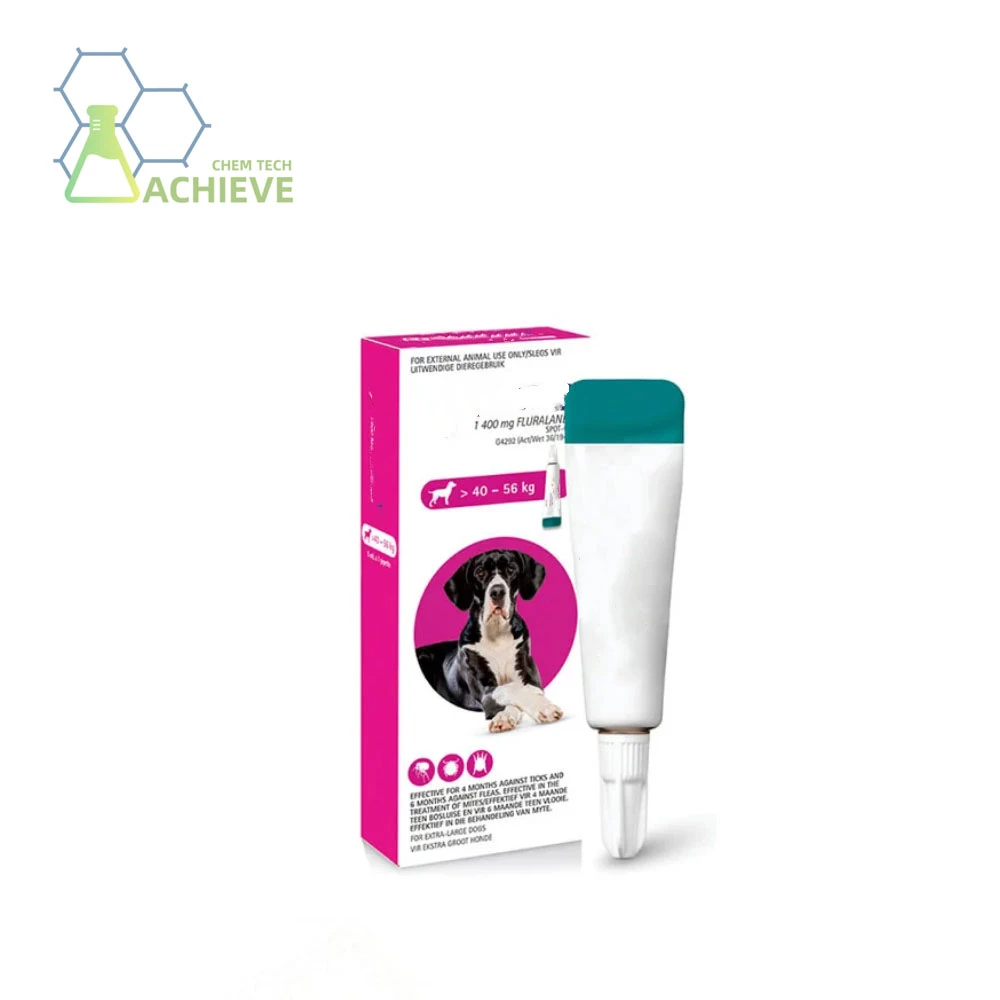
Fluralaner Drops
1.General Specification(in stock)
(1)Solution
(2)Tablet
(3)Injection
(4)Spray
(5)Drops
2.Customization:
We will negotiate individually, OEM/ODM, No brand, for secience researching only.
Internal Code:BM-9-007
Fluralaner CAS 864731-61-3
Main market: USA, Australia, Brazil, Japan, Germany, Indonesia, UK, New Zealand , Canada etc.
Manufacturer: BLOOM TECH Xi'an Factory
Analysis: HPLC, LC-MS, HNMR
Technology support: R&D Dept.-4
How Does Fluralaner Bind to GABA Receptors in Arthropods?
Fluralaner belongs to a class of chemicals called isoxazolines. These are chemicals developed to interfere with the transmission of nerve signals in insects and arachnids. When given orally, the chemical moves via the animal's bloodstream to areas where parasites feed. When the flea or tick bites the treated pet, the parasite takes up fluralaner with the blood meal and the substance starts to act on the nervous system almost instantly.
The Role of Ligand-Gated Chloride Channels
GABA receptors are ( ligand gated ) chloride channels . Gamma-aminobutyric acid usually binds to these receptors and opens a channel that enables chloride ions enter nerve cells. This flow calms the neurone activity, keeping the nervous system balanced. Fluralaner binds to a location close to the channel opening, blocking the passage of chloride ions even when GABA is present, so interfering with this function. The nerve cells do not cool off but remain agitated and the neurological system of the parasite becomes overloaded quickly.
Binding Kinetics and Onset of Action

In vitro experiments utilising radioligand binding tests demonstrate that the pruduct binds strongly to insect GABA receptors, i.e. it "locks on" and is not readily released.This is why fleas start dying within hours of exposure, not days.Fleas have a firm grasp. The compound's persistence in the circulation also means a single oral dose may interfere with parasite nervous systems for weeks, part of why this tablets give longer-lasting protection compared with prior topical treatments.
Why Binding Location Matters
Depending on where fluralaner binds on the receptor protein, the level of blocking will vary.
The researchers have located this site within the transmembrane region of the receptor, along the usual pathway of chloride ions.This region is well preserved in many arthropod species hence fluralaner has broad activity against fleas, ticks and mites. Giving pet owners a wide-spectrum not a narrow one.Consistency between species offers producers the confidence to develop treatments to address varying parasite concerns around the world.
Fluralaner and Arthropod GABA Receptors: Key Molecular Interaction Sites
Understanding where and how the pruduct physically interacts with receptor proteins helps us to understand why it is such a reliable antiparasitic. Scientists working in the area of insect neurobiology have identified certain amino acid residues that play major roles in this interaction. Mapping these locations has altered how newer isoxazoline drugs are developed.
Amino Acid Residues That Anchor the Molecule
Amino acids in the chloride channel pore of the GABA receptor generate a pocket that matches the molecular framework of fluralaner. Mutational investigations changing individual amino acids and observing changes in drug sensitivity indicated that residues lining the second transmembrane domain are crucial for binding. "Change these residues in lab models and fluralaner loses a lot of its grip. That tells you how specific and intentional this interaction really is."
Structural Fit Between Fluralaner and the Receptor Pocket

The trifluoromethyl and chlorine-substituted phenyl groups in the molecular architecture of Fluralaner fit perfectly into the receptor pocket like a key made for a specific lock.This structural complementarity is not coincidental, but the result of years of chemical refinement to maximise binding strength while minimising the chances that parasites will quickly acquire resistance. The close fit also makes it less likely that natural GABA molecules will be able to push this out once it is bound.
Comparing Binding Sites Across Parasite Species
Fleas, ticks and some mites are sufficiently similar in their receptor architecture for fluralaner to act on all three groups, although the strength of binding may vary a little between species.
This variety is why label claims vary significantly depending on which parasite is targeted, with fleas often having the fastest kill times.Researchers are still examining these slight changes to refine dose recommendations and optimise formulations for veterinary usage, enhancing the overall reliability of fluralaner-based medicines in the marketplace.
Why Are GABA Receptors Important Targets for Fluralaner?
The central nervous system of insects and arachnids is controlled by GABA receptors, which are therefore a good target for antiparasitics. Disruption of this single receptor type sets off a chain of reactions throughout the parasite's body that results in fast incapacitation and death.
Central Role in Nervous System Regulation
GABA signalling is critical to maintain the balance between excitement and inhibition in virtually all neurones in an arthropod's nervous system. If the GABA receptors are not working, the neurones can't stop firing. They just keep firing and firing, sending uncontrolled signals. This continual activity exhausts the neurological system of the parasite, causing paralysis, tremors and ultimately death within a short time after exposure.
Reduced Risk of Cross-Species Toxicity
GABA receptors in mammals are physically different from those in insects and arachnids, which is an inherent safety benefit in targeting GABA receptors.
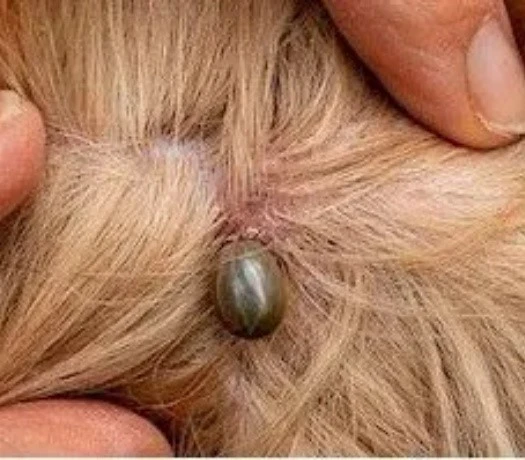
This difference enables fluralaner to target parasites while being spared the nervous system of the treated animal . This is the trait that sets isoxazolines apart from prior families of antiparasitic drugs that sometimes had larger toxicity issues . Veterinary researchers said this selectivity is among the most compelling grounds for continued use of fluralaner in companion animal care.
Supporting Broader Parasite Control Strategies
Fluralaner is a key ingredient in integrated flea and tick control regimens since it rapidly and reliably disrupts GABA receptors. Veterinarians may often use it in combination with environmental management methods such as treating bedding and outdoor spaces to disrupt the parasite life cycle altogether.
The fast action on the GABA receptors results in fewer live parasites that survive long enough to reproduce; this helps to lower the reinfestation rates in households with pets. This makes this pills a feasible option for long-term parasite control, rather than a quick remedy.
Fluralaner Receptor Selectivity: How Do Arthropod and Mammalian GABA Receptors Differ?
A question that is often posed regarding fluralaner is if it is safe. Pet owners want to know that a substance that will kill fleas and ticks will not be harmful to their dogs or cats. The answer is that arthropod and mammalian GABA receptors differ in structure and function.
Structural Variations in Receptor Subunits
Mammalian GABA-A receptors are assembled from different combinations of subunits than invertebrate GABA-gated chloride channels. These structural variations modify the geometry of the binding pocket, making it far less hospitable to the molecular architecture of the pruduct. The arthropod receptor pocket fits the molecule nicely . The mammalian receptor pocket has a different shape and fluralaner is not able to interact as strongly with it, which significantly limits any possible impact on the nervous system of the host species.
The Blood-Brain Barrier as an Additional Safeguard
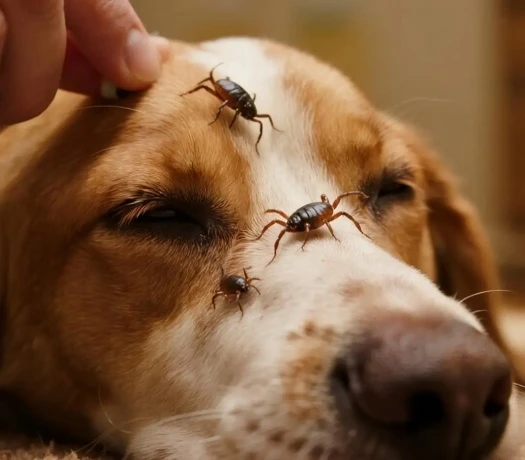
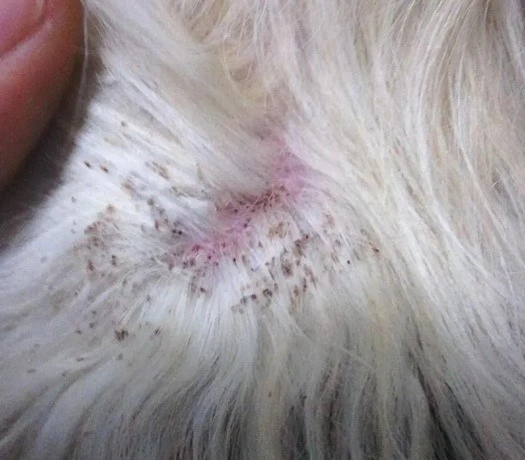
Add to these anatomical distinctions the fact that mammals have a blood brain barrier that limits the amount of fluralaner that can make its way into central nervous system tissue .This barrier works as a filter, preventing many big or lipophilic chemicals from entering sensitive brain tissue, unless they are engineered to traverse it. Fluralaner's distribution pattern directs it toward peripheral tissues and blood circulation where it is available to effect feeding parasites, and minimum exposure of the central nervous system.
Clinical Safety Data Supporting Selectivity
Veterinary studies in thousands of dogs and cats have demonstrated a good safety profile for fluralaner when provided at the label dose.
Fluralaner has been exhaustively studied by the regulatory agencies in many countries prior to being approved for use in companion animals.This collection of research supports the fact that receptor selectivity is not just theoretical but proven via actual clinical use, assuring veterinarians and pet owners when choosing fluralaner tablets for routine parasite prevention.
How Does Fluralaner Antagonism Disrupt GABA Receptor Channel Function?
Fluralaner is a noncompetitive antagonist of GABA receptors . This means that it inhibits channel function but does not directly compete with GABA for the same binding site . Understanding this system in detail helps explain the significant physical symptoms found in the impacted parasites.
Blocking Chloride Ion Flow
When this binds to its binding site the gate of the channel is locked even if GABA can still bind elsewhere on the receptor. Chloride ions cannot enter into the neurone hence the soothing effect that GABA would typically have does not occur. The hyperexcitation causes fleas, ticks and mites to develop tremors and paralysis within hours of exposure as their neurones keep firing wildly.
Downstream Effects on Parasite Behavior
Disruption is the rapid change in parasite behaviour caused by the pruduct. Affected fleas may often show uncoordinated movement, paralysis and death, usually within twelve to forty-eight hours depending on the species of parasite and intensity of exposure.
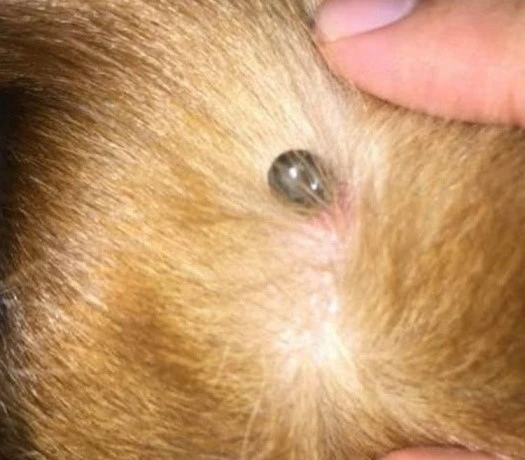
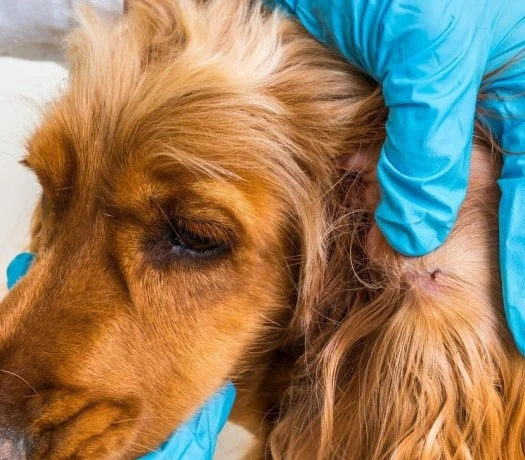
Ticks connected to a treated host will often drop off and die before they finish a full blood meal, thus minimising the time of potential disease transmission. This sudden shift in behaviour is a direct , and obvious effect of the underlying disruption at the receptor level .
Long-Term Implications for Resistance Management
Fluralaner works differently than older chemical classes such as organophosphates and pyrethroids, therefore it's useful against some parasite populations that have gained tolerance to those older compounds. Researchers are continuing to monitor field populations for any emerging patterns of resistance, which is a crucial component of competent antiparasitic stewardship.
Rotation strategies and adherence to label guidance will help ensure the long-term efficacy of fluralaner across veterinary markets worldwide.
Conclusion
Fluralaner is a scientifically proven and extensively documented option for the treatment of fleas, ticks and mites acting specifically on GABA receptors. Host-specific architecture of the receptor and protective barriers in the host body allow the virus to preferentially target arthropod neural systems without harming the mammalian host. Evidence for the reliability of fluralaner as an active substance in veterinary formulations spans from molecular binding sites to clinical safety studies. This mechanism immediately supports marketing claims, regulatory documentation and product development decisions across the animal health sector and is therefore of advantage to businesses procuring raw material or finished tablets.
Frequently Asked Questions
1. Does fluralaner affect a pet's own nervous system?
+
-
Fluralaner acts on receptor sites that are specific to insects and arachnids and the blood-brain barrier further limits central nervous system exposure in mammals, therefore ensuring safety at the labelled doses.
2. How quickly does fluralaner start working after a parasite bites?
+
-
Signs of paralysis are usually observed within hours after the ingestion of fluralaner via a blood meal, and death usually occurs within forty-eight hours.
3. Can fluralaner be used across multiple parasite species?
+
-
Yes fluralaner is active against fleas, some ticks and some mites since these parasites have similar GABA receptor design.
Partner with Bloomtechz for Reliable Fluralaner Supply
At Bloomtechz, we add over a decade of organic synthesising skill to every batch of fluralaner we create. Every shipment from our GMP-certified Xi'an plant, approved by CFDA, US-FDA, PMDA, and BGV-Hamburg, fulfils stringent international quality standards. Being a renowned Fluralaner Supplier, we guarantee a 3-layer quality check, transparent pricing with defined profit margins and accurate ERP tracked lead-times for smooth customs clearance. We provide HPLC, LC-MS and HNMR studies with full documentation assistance. Our R&D staff can help with bulk powder, tablet or injectable formulations. Contact us immediately at Sales@bloomtechz.com to discuss your sourcing needs and learn why pharmaceutical firms worldwide chose Bloomtechz as their long-term manufacturing partner.
References
1. Gassel, M., Wolf, C., Noack, S., Williams, H., & Ilg, T. (2014). The novel isoxazoline ectoparasiticide fluralaner: Selective inhibition of arthropod gamma-aminobutyric acid- and L-glutamate-gated chloride channels. Insect Biochemistry and Molecular Biology.
2. Zhao, C., Casida, J. E. (2014). Insect GABA receptors: Important targets for essential oil constituents and commercial insecticides. Journal of Agricultural and Food Chemistry.
3. Weber, T., Selzer, P. M. (2016). Isoxazolines: A novel chemotype highly effective on ectoparasites. ChemMedChem.
4. Rohdich, N., Roepke, R. K., Zschiesche, E. (2014). A randomized, blinded, controlled and multi-centered field study comparing the efficacy and safety of fluralaner against fleas and ticks in dogs. Parasites & Vectors.
5. Walther, F. M., Allan, M. J., Roepke, R. K., Nuernberger, M. C. (2014). Safety of fluralaner, a novel systemic antiparasitic drug, in dogs after oral administration. Parasites & Vectors.
6. Shoop, W. L., Hartline, E. J., Gould, B. R. (2014). Discovery and mode of action of afoxolaner, a new isoxazoline parasiticide for dogs. Veterinary Parasitology.