


One of the hardest things about this terrible disease is that it can show up as neurological feline infectious peritonitis (FIP). When the FIP virus gets into the brain and affects the central nervous system, cats have very bad symptoms like seizures, loss of balance, changes in their behavior, and a gradual loss of neural function. Figuring out how the GS-441524 injection fights this strong type of FIP gives pet owners and veterinarians who are looking for good treatment options relief. For more information on how GS-441524 injection gets to important infection sites, helps the brain heal, and gives useful tips for handling advanced cases, read this complete guide. This piece gives you evidence-based information about this antiviral compound's role in neurological FIP management, whether you're a veterinarian looking for treatment choices or a researcher looking for reliable pharmaceutical intermediates.
1.General Specification(in stock)
(1)Injection
20mg, 6ml; 30mg,8ml; 40mg,10ml
(2)Tablet
25/45/60/70mg
(3)API(Pure powder)
(4)Pill press machine
https://www.achievechem.com/pill-press
2.Customization:
We will negotiate individually, OEM/ODM, No brand, for secience researching only.
Internal Code: BM-3-001
GS-441524 CAS 1191237-69-0
Analysis: HPLC, LC-MS, HNMR
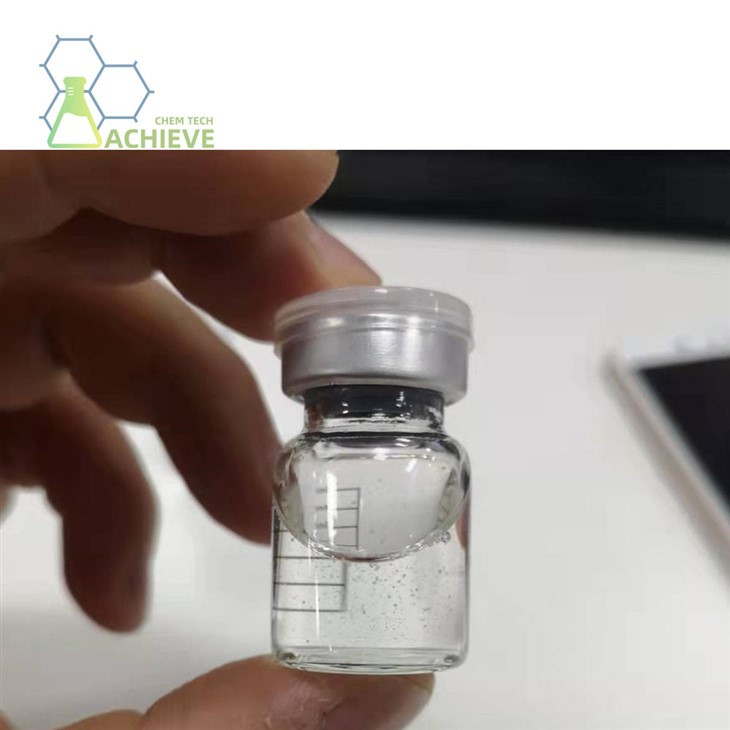
We provide GS-441524 injection, please refer to the following website for detailed specifications and product information.
Product: https://www.bloomtechz.com/oem-odm/injection/gs-441524-injection.html

How GS-441524 Injection Reaches Viral Infection Sites in Neurological FIP

Crossing the Blood-Brain Barrier
The blood-brain barrier makes it hard to treat diseases in the brain and spinal cord. Many medicines can't get into the brain and spinal cord cells because of this protective layer. The amazing qualities of GS-441524 injection make it possible for it to pass through this barrier. The chemical structure of this nucleoside analog seems to allow enough entry into the central nervous system when injected, according to research.
When GS-441524 is given subcutaneously or intravenously, it moves through the system and reaches high amounts. The compound's lipophilic properties make it easier for it to pass through cell walls, such as the endothelial cells that make up the blood-brain barrier. This ability to penetrate makes GS-441524 injection different from many other antiviral chemicals that can't reach therapeutic levels in nerve cells.


Sustained Therapeutic Concentrations
It is still important to keep therapeutic amounts of GS-441524 injection throughout treatment in order to stop the virus from replicating in nervous system cells. The compound's metabolic profile shows a half-life that is long enough to support either twice-daily or once-daily doses, depending on how bad the condition is. Regular dosing keeps the FIP virus under constant antiviral pressure, stopping repeat replication that could make neurological signs worse.
Based on what doctors have seen, neurological FIP may need higher doses than wet or dry types that affect other systems. The higher dose makes up for how hard it is to get enough amounts in the central nervous system and deals with the higher virus loads that are common in advanced cases.


GS-441524 Injection for Supporting Mobility and Neurological Function in Cats

Reducing Neuroinflammation and Tissue Damage
Neurological FIP causes brain and spinal cord tissues to become very inflamed after GS-441524 injection. This inflammatory reaction hurts nerves and causes sores that make it hard for the body to work normally. By stopping the growth of viruses, GS-441524 injection indirectly lowers the chain of inflammation that destroys tissue. As the number of viruses drops, the immune system's overactive reaction slows down.
This lets damaged brain cells start to heal. Cats that get care on time usually get better within a few weeks. Ataxia, the wobbly walking that is common in people with cerebellar problems, may get better over time as the inflammation goes away. It is common for seizure behavior to get less regular and less severe as treatment goes on. These cognitive gains show that the compound can stop the disease from getting worse and let the brain heal.


Improving Quality of Life Parameters
In addition to making it easier for cats to move around, GS-441524 injection often helps them regain their hunger, normal grooming habits, and social contacts. The compound's ability to stop widespread viral replication takes care of the whole disease, not just the neurological signs. This all-around method helps the body repair and improve health as a whole. Keeping an eye on brain function during treatment is a good way to see how well the treatment is working.
Veterinary workers keep an eye on certain factors, such as the quality of the animal's gait, its proprioceptive reactions, its cranial nerve function, and any changes in its behavior. Improvements seen in these areas show that the treatment is working and help with choices about how long to continue treatment and how much to change the amount.


Can GS-441524 Injection Improve Recovery in Cats With Neurological FIP?

Evidence From Clinical Observations
GS-441524 injection has been shown to help cats with neurological FIP get better over time through clinical experience. Many case studies show that cats went from having serious neurological damage to being able to function normally after long treatment programs. Success rates depend a lot on how far along the disease is when treatment starts; starting treatment earlier is linked to better results.
The best results are seen in cats with mild to moderate neurological signs, such as slight weakness, mild behavioral changes, or early-stage seizures. The best chance of healing is starting treatment before permanent damage to the nerves happens. On the other hand, cats with advanced diseases like severe weakness, regular seizures, or coma have less certain outcomes, though some do still get better.


Long-Term Outcomes and Relapse Prevention
Neurological FIP needs to be treated for a longer time in order to be successful. Wet and dry FIP may go away after 84 days of treatment, but neurological cases usually do better with longer courses that last up to 16 or 20 weeks. If you stop treatment too soon, the virus could come back and cause the disease to return; this time, it could be worse.
Monitoring after treatment is still necessary to find early signs of return. Regular checkups with the vet in the months after treatment are over can help find small changes in the brain that could mean an infection is coming back. Restarting therapy right away after a return increases the chance of getting long-term recovery.


How GS-441524 Injection Helps Control Viral Replication in Nervous System Tissues

Mechanism of Antiviral Action
GS-441524 injection works as a nucleoside analog, GS-441524 injection which means it acts like the building blocks of RNA. Viral RNA polymerase adds GS-441524 injection to growing RNA chains when the FIP virus tries to copy its genetic material. This addition stops regular chain elongation, which stops virus replication for good. Because the compound only targets the virus polymerase and not the host cell enzymes, it has selective antiviral action with little harm to cells.
In the nervous system, this process goes straight to sick neurons and glial cells that have viruses that are replicating. GS-441524 injection lowers the amount of viruses in damaged brain regions by stopping the production of viruses at the cellular level. This drop lessens the direct cell-damaging effects of viral replication and the antigenic stimulation that causes immune reactions that are harmful.


Preventing Secondary Complications
In neurological FIP, unchecked virus replication destroys tissues over time, causes secondary bacterial infections, and damages neurons in a way that can't be fixed. By lowering the amount of viruses in the body, the GS-441524 injection stops these problems from getting worse. When viruses are less active, the immune system can return to normal. This lowers dangerous inflammation while keeping the immune system's defensive function.
Long-term outcomes are much better when secondary problems are avoided. Cats that don't have a lot of tissue damage during treatment keep their brain function better and heal more completely. This result shows how important it is to get a diagnosis and start treatment right away, before a lot of damage happens that can't be fixed.


GS-441524 Injection Treatment Approaches for Advanced Neurological FIP Cases
Neurologically advanced FIP cases need strong ways to treat them. It may take higher doses-sometimes more than what is recommended-to get therapeutic amounts high enough to control high viral loads in tissues of the central nervous system. To decide on a dose, doctors should look at how bad the disease is, the person's weight, and how they usually react to medicines. For brain cases, treatment plans usually last longer than the standard length of time for other types of FIP. For effusive or non-effusive FIP, the average length of treatment is 84 days. However, neurological cases usually need 12 to 20 weeks or longer. Longer treatment makes sure that all viruses are removed from the difficult environment of the central nervous system, GS-441524 injection, and lowers the chances of return.
Antiviral medicine is only one part of a full treatment plan for cerebral FIP. For the best results, supportive care measures like food support, anti-inflammatory drugs, anticonvulsants for managing seizures, and physical therapy should all be used. Combining GS-441524 injection treatment with the right supporting measures takes care of both the virus infection itself and the side effects that lower quality of life. Nutritional support is especially important because many cats with neurological FIP lose their appetite and have trouble eating. Making sure you get enough calories and water helps your body heal and makes it easier for it to handle treatment. During the early stages of treatment, you may need help feeding yourself or drugs that make you hungry.
Protocol changes are made based on regular evaluations of treatment reaction. A vet checks the animal's neurological function, does blood work on a regular basis to see how the organs are working and to look for signs of inflammation, and looks at the animal's general clinical health. If nerve symptoms get worse despite treatment, it could mean that the dose isn't right, resistance is building up, or there is permanent tissue damage that needs palliative care.
On the other hand, steady growth supports the treatment method and helps people stay in treatment for as long as they are supposed to. Some cats get temporarily worse during early treatment. This may be because of inflammatory reactions that happen when infected cells die and release viral proteins. To tell the difference between this short-term effect and real treatment failure, you need professional knowledge and the right amount of time to watch the patient.
Conclusion
If your cat has neurological FIP, it's a serious sign of infectious peritonitis in cats that needs effective treatment. Cats with this terrible disease have real hope thanks to the GS-441524 injection. This nucleoside analog targets the basic pathological processes that cause neurological FIP by being able to cross the blood-brain barrier, reach therapeutic amounts in nervous system tissues, and stop the growth of viruses. A lot of things affect how well treatment works, such as getting diagnosed early, giving the right dose, treating the illness for long enough, and providing lots of supporting care.
Not every cat fully recovers, but a lot of them have big changes in their quality of life and brain function. As more clinical trials with GS-441524 injection are done, treatment plans are being improved, and success rates are rising.
Veterinary workers and experts can make better choices when they know how the GS-441524 injection works in neurological tissues, what factors affect treatment results, and how to handle advanced cases in the real world. The outlook for cats with cerebral FIP keeps getting better as the study goes on and treatment plans change.
FAQ
1. What makes the GS-441524 injection effective for neurological FIP specifically?
Scientists have found that GS-441524 injection can help fight neurological FIP because it can get to beneficial amounts in the brain and other parts of the central nervous system. Because it can go deep, the substance can reach places where the FIP virus multiplies in the brain and spinal cord, where it causes infections. The nucleoside analog process stops the viral RNA polymerase from working. This stops viral replication directly in affected brain cells and lowers the viral loads that cause neurological symptoms.
2. How long does treatment typically last for cats with neurological FIP?
The length of treatment for neurological FIP is usually longer than that used for wet or dry types of the disease. Normal cases of FIP may get better after 84 days of treatment, but brain symptoms usually need 12 to 20 weeks or longer. The longer period takes into account how hard it is to get rid of viruses completely from the brain and the spinal cord, where the blood-brain barrier protects those areas. How long a person needs to be treated depends on how bad their disease is, how they respond, and what the vet thinks based on ongoing clinical exams.
3. Can cats with advanced neurological symptoms still benefit from GS-441524 treatment?
GS-441524 injection might help cats with advanced neurological signs, but the outlook is still less clear than in early-stage cases. How well the treatment works depends on how much permanent brain damage there is before the treatment starts. Some cats still make real gains, but it's harder for those with serious symptoms like severe weakness, constant seizures, or a lot of trouble being aware. The best chance for full recovery and a better quality of life is to start treatment early, before a lot of tissue damage happens.

Partner With BLOOM TECH for High-Quality GS-441524 Injection Supplier Solutions
It is very important to work with an expert GS-441524 injection supplier when you need pharmaceutical-grade compounds for study or drug development. BLOOM TECH has been doing organic synthesis for more than 12 years and has GMP-certified production facilities and quality control methods that meet foreign regulatory standards such as those set by the US FDA, the EU, and the CFDA. Three levels of quality control-factory testing, internal QA/QC verification, and third-party certification-ensure that every batch meets the strictest purity standards. We have reasonable prices with clear fixed-profit margins, flexible supply chain options from small-scale lab work to mass production, and professional one-on-one help throughout the whole procurement process. Our large library of chemical compounds and technical know-how can help you reach your goals, whether you're doing a study, making formulas for animals, or need special synthesis services. Email our sales team at Sales@bloomtechz.com to talk about your particular needs and find out how BLOOM TECH's quality, dependability, and excellent service can help your projects move forward.
References
1. Pedersen NC, et al. "Efficacy and safety of the nucleoside analog GS-441524 for treatment of cats with naturally occurring feline infectious peritonitis." Journal of Feline Medicine and Surgery, vol. 21, no. 4, 2019, pp. 271-281.
2. Murphy BG et al. "The nucleoside analog GS-441524 strongly inhibits feline infectious peritonitis virus in tissue culture and experimental cat infection studies." Veterinary Microbiology, vol. 219, 2018, pp. 226-233.
3. Dickinson PJ, et al. "Antiviral treatment using the adenosine nucleoside analogue GS-441524 in cats with clinically diagnosed neurological feline infectious peritonitis." Journal of Veterinary Internal Medicine, vol. 34, no. 4, 2020, pp. 1587-1593.
4. Krentz D, et al. "Curing cats with feline infectious peritonitis with an oral multi-component drug containing GS-441524." Viruses, vol. 13, no. 11, 2021, article 2228.
5. Addie DD, et al. "Oral mutian X for feline infectious peritonitis: clinical and laboratory response in five cats with the non-effusive form." Journal of Feline Medicine and Surgery Open Reports, vol. 6, no. 2, 2020.
6. Jones S, et al. "Neurological manifestations of feline infectious peritonitis: clinical presentation, diagnostic challenges, and therapeutic considerations." Veterinary Clinics of North America: Small Animal Practice, vol. 48, no. 1, 2018, pp. 125-141.