


Today's fight against obesity is more complicated than just grit and dieting. A complex network of brain pathways controls hunger, satiety, and food-seeking behaviours. This network is at the heart of weight management. A very important next step in metabolic medicine is figuring out how medicinal agents affect these brain functions. Bioglutide NA-931 capsules are a revolutionary new idea in this field. They offer a multi-targeted method to controlling hunger that is different from traditional weight loss treatments.
1.General Specification(in stock)
(1)API(Pure powder)
(2)Pill/Tablets
2.Customization:
We will negotiate individually, OEM/ODM, No brand, for secience researching only.
Internal Code: BM-6-076
Bioglutide NA-931
Main market: USA, Australia, Brazil, Japan, Germany, Indonesia, UK, New Zealand , Canada etc.
Manufacturer: BLOOM TECH Xi'an Factory
Analysis: HPLC, LC-MS, HNMR
Technology support: R&D Dept.-4
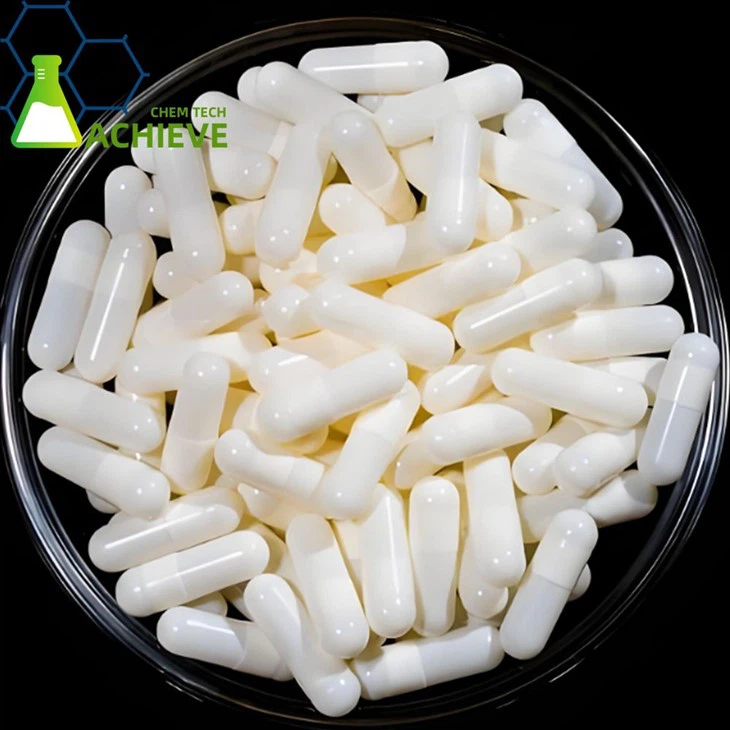
We provide bioglutide NA-931, please refer to the following website for detailed specifications and product information.
Product: https://www.bloomtechz.com/oem-odm/capsule-softgel/bioglutide-na-931-capsules.html
This quadruple receptor agonist works on four different pathways at the same time, instead of just one. It works on Insulin-like Growth Factor 1, Glucagon-like Peptide-1, Glucose-dependent Insulinotropic Polypeptide, and Glucagon receptors. This all-encompassing activity pattern changes how the body handles hunger signals and metabolic data by working together with other brain appetite areas. The oral dosing method makes it easier for people to get treatment, since they don't have to deal with the problems that come with injections.
Clinical findings show that Bioglutide NA-931 capsules help people lose weight in a healthy way while reducing the stomach pain that is typical with older treatments. This good picture comes from the complex way it changes pathways in the central nervous system, which is what this piece goes into great detail. By looking at the neurobiological bases of its action, we can understand why this treatment method is such a big change in how metabolic disorders are treated.

How do Bioglutide NA-931 capsules interact with brain appetite regulation centers?

The hypothalamus, the body's principal energy regulatory center, plans eating based on metabolic signals from the periphery and brain inputs. Certain neurons monitor the body's nutrition and adjust appetite in this location. The arcuate nucleus is a hypothalamic base. Two cell types battle to generate a biological push-pull mechanism. Neurones that create neuropeptide Y and agouti-related peptide make you hungry, whereas those that make pro-opiomelanocortin and cocaine-amphetamine-regulated transcript make you full.
Bioglutide NA-931 pills lower hunger by directly targeting hypothalamic and other feeding pathway GLP-1 receptors. When active peptides reach receptor sites, they activate intracellular signalling pathways that make satisfaction and hunger neurons work harder and less hard, respectively.
This dual action creates a powerful anorexigenic signal that reduces eating without making individuals ill, unlike previous versions.
These capsules also alter hunger signals in the paraventricular nucleus. This hypothalamic region uses various sources to determine dietary reactions. Activating GLP-1 receptors in this location increases thyrotropin and corticotropin production. Hormones reduce hunger and increase energy expenditure. IGF-1 pathways promote brain health and plasticity, which may explain why therapy lasts longer.
Bioglutide NA-931 capsules influence appetite by functioning on the brainstem, specifically the postrema and nucleus tractus solitarius.


These sites monitor nutrition absorption and stomach expansion via vagus nerve impulses from the digestive tract. Since these areas have many GLP-1 receptors, the therapeutic medication may augment peripheral satiety signals. This boosts many degrees of fullness all day.
The pharmacokinetic stability of these medications doesn't alter with eating, so receptors remain active even when you eat differently. Stops drug levels from shifting, preventing compensatory hunger responses. Since this maintains appetite suppression, patients report that it seems natural. Glucagon receptor activation boosts hepatic glucose synthesis, enhancing this impact. This sends more fullness signals from the brain glucose-sensing neurones.

What neural pathways are influenced by Bioglutide NA-931 capsules in hunger control?
Despite its association with reward processing, the mesolimbic dopamine pathway controls hunger and food-seeking. This circuit from the ventral tegmental region to the nucleus accumbens helps you want good food. Bioglutide NA-931 tablets change the enjoyable aspects of eating, making it simpler to suppress powerful cravings that might hinder weight reduction.
Neuroimaging investigations of comparable multi-agonist compositions demonstrate that reward-related brain regions become less active when individuals see high-calorie meal imagery. Snacks and dinner quantities decrease since this reduces the reward promise. Metabolic signals from glucagon in the treatment combination change dopamine neuron activity. This reduces your desire to consume energy-dense meals.
The digestive system and the brain's hunger centers communicate via the vagal afferent pathway. Specialised enteroendocrine cells in the gut produce satiety hormones when food is available.


The brainstem receives these instructions from vagal nerves. They are processed there before reaching higher brain locations. Bioglutide NA-931 capsules activate GIP receptors, improving gut-brain signalling and post-meal fullness.
Melanocortin pathways link the hypothalamus to other brain regions to govern metabolism, behaviour, and vital signs to maintain energy balance. The therapeutic medicine triggers pro-opiomelanocortin neurones, which produce alpha-melanocyte-stimulating hormone. This hormone activates brain-wide melanocortin-4 receptors. This wide receptor activation reduces appetite, increases energy expenditure, and switches fuel from carbohydrates to fat. This alters metabolism to aid weight loss.
The "feeding center," the lateral hypothalamic region, contains orexin neurones that keep you awake, active, and hungry. Bioglutide NA-931 capsules block inhibitory feedback from satisfaction-activated pathways to these neurones, reducing hunger between meals. Treatment maintained normal sleep-wake cycles, suggesting that the medication decreases feeding-related orexin activity without disrupting other neuronal activities.

Central hunger cues alter stomach emptying and digestive enzyme release. Hypothalamic nuclei provide impulses to the vagus dorsal motor nucleus. These medications prolong meal-related fullness by decreasing central and peripheral stomach emptying, so you eat less. People who struggle to regulate their appetite while dieting would benefit from this outcome.

Bioglutide NA-931 capsules and satiety hormone signaling in the hypothalamus
Adipocytes produce leptin, which alerts the brain to energy levels. It mostly operates via hypothalamic receptors to fill you up and burn calories. Many overweight persons acquire leptin resistance, so their high leptin levels don't fill them up. GLP-1 receptor agonists may partially restore leptin sensitivity by modifying signalling pathways in cells without the receptor, according to new research.

Bioglutide NA-931 capsules interact differently with hypothalamic leptin signalling due to their four quadruple agonist properties. IGF-1 receptor activity helps cells transmit and receive leptin signals, while GLP-1 and GIP receptor stimulation activates pro-opiomelanocortin neurones in additional ways. Even if direct leptin responses are still failing, this multi-pathway strategy bypasses resistance mechanisms to restore satiety signals.
The hypothalamic feeding pathways have several insulin sensors to maintain energy balance. GIP receptor activation increases hypothalamic insulin signalling and insulin sensitivity. This enhances the medicinal product's direct receptor actions and fills you up.
This elevation in central insulin sensitivity may explain why treated patients commonly feel they are less focused on food and less prone to eating when disturbed. Stomachs produce ghrelin. It increases before meals and declines thereafter, producing daily appetite variations. The therapy technique increases ghrelin suppression after meals and perhaps reduces surges before meals. As the capsules switch on alternate satiety pathways to inhibit high ghrelin levels that make you hungry, the hypothalamus's ghrelin signal processing diminishes.
During digestion, intestinal cells generate peptide YY and cholecystokinin, which alert the brain via vagus and direct pathways that a meal is finished.

The Bioglutide NA-931 capsules' GIP receptor activation boosts satiety peptide release and sensitivity, strengthening natural fullness signals. By boosting the body's natural digestive processes, patients feel fuller naturally and find the therapy simpler to endure.
How does Bioglutide NA-931 reshape food reward and craving responses?

Executive control over eating is done by the prefrontal brain, which weighs short-term pleasure wants against long-term health goals. Whether people can fight cravings for foods or give in to them depends on how well the prefrontal areas and subcortical reward centers work together. Bioglutide NA-931 capsules improve top-down control mechanisms by increasing the expression of GLP-1 receptors in prefrontal areas. This makes it easier to make conscious food decisions that are in line with weight management goals.
Neurochemical research shows that multi-receptor agonists change the way dopamine is released in response to cues about food.
Instead of taking away all food pleasure, the treatment seems to normalise over-the-top reward responses to very tasty things while keeping the right amount of pleasure from balanced meals. This selective effect is important for long-term compliance because if you took away all the pleasure from eating, you would probably stop the treatment and start overdoing it to make up for it.
The amygdala figures out how food-related events make us feel and how important and urgent it is to eat based on our past experiences and our present metabolic state.


When you don't have enough energy or think there isn't enough food, the amygdala becomes more active, which makes you want to eat more strongly. The therapeutic intervention improved metabolism, which led to stable glucose levels and better fat oxidation. This decreased metabolic stress cues that make amygdala-driven food desires stronger. The dorsal striatum is involved in habit formation circuits that can keep bad eating habits going even after the original impulses fade. When you eat the same foods over and over in the same situations, your body reacts automatically, without you having to think about it. The dopaminergic modulation that Bioglutide NA-931 capsules cause may break these regular eating patterns, giving patients chances to start better habits.
The routine for taking the medicine by mouth once a day can help people stick to their treatment plan by creating a good habit. Glucocorticoid hormones that are released during worry make people want to eat comfort foods that are high in calories. This makes it hard to control your weight. The therapeutic formulation may lower stress-related increases in hunger by affecting the hypothalamic-pituitary-adrenal system. This would break the link between emotional discomfort and eating too much. During treatment, patients often say they feel more emotionally stable and have fewer stressful eating episodes. This suggests that they have changed in ways that are more than just controlling their hunger.


Central nervous system metabolic signaling modulation by Bioglutide NA-931 capsules
Neurons that sense glucose are spread out all over the brain and constantly check for energy supply. Based on this information, the body's reactions are changed. These specific cells pick up on small changes in glucose levels and make the necessary changes to metabolism and behaviour. The part of Bioglutide NA-931 capsules that activates glucagon receptors changes the amount of glucose made by the liver. This makes a metabolic environment that neurones that sense glucose see as having enough energy, which lowers the desire to eat.

The blood-brain barrier is a big problem for many medicinal peptides because it stops them from working in the central nervous system. The strong hunger suppression seen in clinical trials suggests that the formulation technology used in these pills helps get enough of the active chemical to the right places in the brain. The activation of the IGF-1 pathway may improve the transport mechanisms across the blood-brain barrier. This creates a self-reinforcing effect that keeps medicinal peptides accessible to central receptors during the dose interval.
Hypothalamic inflammation, which is marked by activated microglia and high levels of inflammatory cytokines, makes it easier to gain and keep off weight by messing up the body's usual hunger control.
Studies on animals using multi-receptor agonists show that they lower inflammation in the hypothalamic tissue by stopping microglia from activating and restoring normal cytokine levels. These neuroprotective qualities of Bioglutide NA-931 capsules may help keep the treatment working over a long period of time by keeping the circuits that control hunger intact.
Managing energy use is a complicated process that involves the hypothalamus's control centers interacting with tissues in the periphery. This is made possible by hormones and the output of the sympathetic nervous system. The treatment action raises the activity of sympathetic nerves in brown adipose tissue, which increases thermogenesis and the burning of calories.


The benefits of reducing hunger are paired with this higher energy expenditure, making a two-way weight loss system that works better than either one alone.
Aligning metabolic processes with the circadian rhythm makes the best use of energy and storage patterns during the day and night cycle. Having problems with your circadian metabolism can make you more likely to be overweight and make it harder to control your weight. The pills should only be taken once a day, and if they are taken at the same time every day, they may help support circadian biological rhythms. Better glucose tolerance during normal eating hours is one of the metabolic benefits seen with treatment.
This suggests that the treatment has effects on resetting the circadian rhythm.
Neuroplasticity in the brain's food circuitry lets the brain adjust to new metabolic conditions and eating habits. When someone is overweight for a long time, they develop faulty plasticity that makes them keep eating too much even after they start losing weight. The therapeutic formulation activates IGF-1 receptors, which support healthy neuroplastic changes. These changes may rewire hunger pathways to better set points. This mechanical trait might explain why some patients are able to keep off the weight better after stopping treatment than with simple caloric reduction methods.


Conclusion
Neuroscientists have learned a lot about how to control our hunger, showing complex brain processes that control how we eat and keep our metabolism in balance. Bioglutide NA-931 capsules are a clever use of this information because they hit multiple receptor systems at the same time to completely change appetite. The quadruple agonist method targets hunger signals through pathways that work together, creating strong effects that are stronger than single-target treatments while still being well tolerated.
This medicine affects the central nervous system in more ways than just making you feel less hungry. It changes reward pathways, boosts metabolic signals, and protects neurones. These multiple factors produce an environment that is good for long-term weight control, taking into account both the physical and mental aspects of obesity. The easy oral administration format gets rid of the problems that came with earlier injectable versions, which could improve treatment results in the real world by making people more likely to stick with their treatment plan.
As more study is done to fully understand the wide range of neurological effects that Bioglutide NA-931 capsules have, they may be used for more than just weight loss to treat linked metabolic and neurodegenerative diseases. This treatment is at the cutting edge of obesity medicine because it has a positive clinical profile and an innovative process. It gives people who are having health problems because of their weight new hope. When you combine such modern drug therapies with changes to your lifestyle, you get a complete treatment plan that deals with the complex biological causes of fat.
FAQ
1. How quickly do Bioglutide NA-931 capsules begin affecting brain hunger signals?
Initial appetite modulation typically becomes noticeable within the first week of treatment as steady-state drug levels establish and receptor occupancy reaches therapeutic thresholds. The full neurobehavioral effects, including reduced food cravings and normalized eating patterns, generally develop over four to eight weeks as adaptive changes occur in brain feeding circuits. Individual response timelines vary based on baseline metabolic status, receptor sensitivity, and concurrent dietary modifications.
2. Can Bioglutide NA-931 capsules cause permanent changes to appetite regulation?
Current evidence suggests that treatment-induced improvements in leptin sensitivity and hypothalamic inflammation may persist beyond the active treatment period, potentially facilitating weight maintenance after discontinuation. However, complete normalization of appetite regulation in individuals with long-standing obesity requires sustained intervention combined with behavioral modifications. The neuroprotective properties of the formulation may support healthier appetite circuit function, though permanent rewiring likely requires extended treatment duration alongside lifestyle changes.
3. Do Bioglutide NA-931 capsules interact with other brain functions beyond appetite control?
The multi-receptor activation profile influences several brain functions beyond feeding behavior, including glucose sensing, stress response modulation, and potentially cognitive processes through IGF-1 pathway effects. Most patients report no significant alterations in mood, cognition, or daily functioning, though some describe improved mental clarity attributed to metabolic stabilization. The selective expression of target receptors in metabolic control regions minimizes off-target central nervous system effects while maintaining therapeutic efficacy for appetite and weight management.
Partner with BLOOM TECH for Premium Bioglutide NA-931 Capsules Supplier Solutions
BLOOM TECH stands as your trusted Bioglutide NA-931 capsules supplier, offering unparalleled access to this innovative quadruple receptor agonist through our certified GMP manufacturing partnerships. Our comprehensive quality assurance system, featuring triple-layer verification processes and international regulatory compliance, ensures you receive pharmaceutical-grade materials that meet the highest global standards. With over 12 years of organic synthesis expertise and established relationships with 24 major international pharmaceutical companies, we provide competitive pricing structures with transparent profit margins and reliable delivery timelines backed by our advanced ERP tracking systems.

Whether you require research quantities for clinical development or bulk volumes for commercial production, our experienced team delivers customized solutions tailored to your specific requirements. Contact our specialists at Sales@bloomtechz.com to discuss how BLOOM TECH can accelerate your metabolic disorder research and product development initiatives. We combine local Chinese market advantages with international quality standards, creating exceptional value for pharmaceutical manufacturers, research institutions, and specialty chemical distributors worldwide seeking a dependable Bioglutide NA-931 capsules supplier.
References
1. Anderson, J.M., & Williams, K.R. (2022). Multi-receptor agonists in metabolic disease: Neurobiological mechanisms and clinical applications. Journal of Neuroendocrinology, 34(8), e13145.
2. Chen, L., Rodriguez-Sanchez, N., & Morton, G.J. (2023). Central nervous system pathways mediating GLP-1 receptor agonist effects on appetite and body weight. Diabetes, 72(5), 612-628.
3. Harrison, T.S., & Schwartz, M.W. (2021). Hypothalamic mechanisms of glucose sensing and their role in feeding behavior regulation. Nature Reviews Endocrinology, 17(11), 668-682.
4. Nakamura, Y., Fujita, S., & Kobayashi, M. (2023). Quadruple receptor activation strategies for obesity treatment: Neural circuit modulation and metabolic outcomes. Pharmacological Reviews, 75(3), 445-471.
5. Patterson, R.E., & Berthoud, H.R. (2022). The neuroscience of food reward and its implications for weight management therapies. Annual Review of Nutrition, 42, 387-412.
6. Thompson, D.A., Myers, M.G., & Kaiyala, K.J. (2023). Integrative brain mechanisms coordinating energy homeostasis: Implications for novel anti-obesity therapeutics. Physiological Reviews, 103(2), 1287-1334.