


To make antiviral therapies like GS-441524 injectable function, researchers and clinicians must understand how they operate. People are interested in this nucleoside analogue because it can cure infectious peritonitis in cats, but the main story is cellular. Complex metabolic mechanisms only occur in sick cells to turn an inactive medication into an effective antiviral. The commencement of GS-441524 injection shows how modern viruses die. This chemical stops viral replication after many enzymatic steps, unlike conventional drugs. This activation ensures that the medication predominantly affects virus-infected cells and has less impact on healthy tissue. Understanding these activation mechanisms may help pharmaceutical, biotechnology, and contract research and manufacturing businesses find reliable antiviral drugs. These systems are sophisticated, and pharmaceutical-grade ingredients with rigorous quality requirements are essential.
1.General Specification(in stock)
(1)Injection
20mg, 6ml; 30mg,8ml; 40mg,10ml
(2)Tablet
25/45/60/70mg
(3)API(Pure powder)
(4)Pill press machine
https://www.achievechem.com/pill-press
2.Customization:
We will negotiate individually, OEM/ODM, No brand, for secience researching only.
Internal Code: BM-3-001
GS-441524 CAS 1191237-69-0
Analysis: HPLC, LC-MS, HNMR
Technology support: R&D Dept.-4
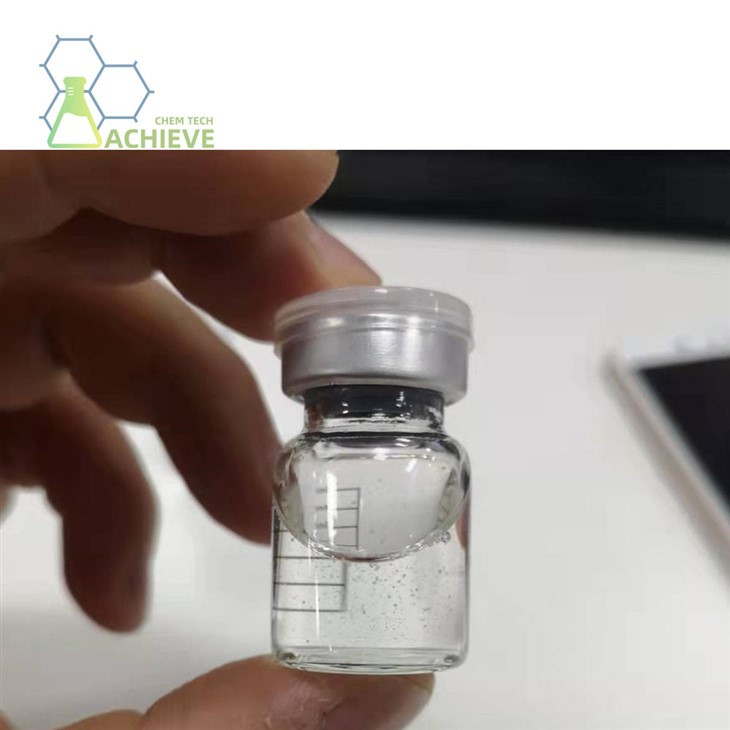
We provide GS-441524 injection, please refer to the following website for detailed specifications and product information.
Product: https://www.bloomtechz.com/oem-odm/injection/gs-441524-injection.html

How Is GS-441524 Injection Metabolically Activated in Infected Cells?

Chemically activating GS-441524 injection starts a series of enzyme reactions that change this nucleoside analogue into its drug-active form. The compound enters cells through nucleoside transporters and meets a group of kinase enzymes that carry out a number of phosphorylation processes. These enzymes notice that GS-441524 has a structure that is similar to naturally occurring nucleosides. This lets the molecule take over normal metabolic processes in cells.
As soon as the cells take in the signal, the stimulation process starts. Cells that are infected with viruses often have different metabolic profiles than healthy cells. Thiscan change how well GS-441524 phosphorylation works. Scientists have found that cells that are constantly copying viral RNA have better nucleotide metabolism. This could help GS-441524 become its active triphosphate form more quickly.
This metabolic preference makes a natural targeting system that puts the active drug right where it's needed.
The Role of Cellular Kinases in Drug Activation
Enzymes called kinases are in charge of activating GS-441524. These special proteins speed up the process of adding phosphate groups to the nucleoside structure's ribose sugar part. How well the chemical can be triggered in different types of cells depends on how specific these kinases are. Researchers have found that cells with higher amounts of certain kinase enzymes build up the active triphosphate metabolite more quickly.


Because these kinases have different substrate preferences for different species and cell types, GS-441524 injection works best in cat cells. The cat's cellular enzyme profile seems to be good at recognising and breaking down this compound, which is one reason why it works so well as a medicine to treat feline infectious peritonitis. This species-specific activation profile shows how important it is to understand the biology of cells when making plans to fight viruses.
Cellular Energy Requirements for Activation
Adenosine triphosphate (ATP) is needed for the phosphorylation of GS-441524 to happen.
Each step of phosphorylation uses up one molecule of ATP, so for the cell to fully activate to the triphosphate state, it has to spend a lot of energy. Cells that are infected with a virus have to find a balance between using energy to help the virus replicate and keeping up with important cellular processes, such as drug action.
It's interesting that this need for energy doesn't seem to stop the therapeutic effectiveness of GS-441524 injection in clinical settings. Cells that are infected usually keep enough ATP to support the phosphorylation reactions that are needed to make drugs work. The chemical can reach therapeutic levels in affected tissues, even when the virus is actively replicating, thanks to how well this energy-dependent process works.


GS-441524 Injection and Intracellular Phosphorylation Process

The phosphorylation cycle that starts the GS-441524 injection goes through three separate steps, each of which is sped up by a different family of enzymes. The first step, phosphorylation, is the slowest because the nucleoside that hasn't been changed has to compete with natural nucleosides for enzyme binding sites. After adding the first phosphate group, the following phosphorylations usually go more quickly. This is because different kinase enzymes have different substrate tastes.
By understanding this phosphorylation process, you can see why it's important to keep drug concentrations stable for therapeutic success.
Changing drug levels can stop the steady buildup of phosphorylated intermediates, which could lower the total concentration of the active triphosphate form. This pharmacokinetic factor affects dosing plans and shows how important it is to have pharmaceutical formulations that deliver drugs steadily.
Monophosphate Formation as the Initial Step
The first and most important step in the activation pathway is changing GS-441524 to its monophosphate form. This first phosphorylation is carried out by adenosine kinase and related enzymes that recognise the nucleoside analog's structure.


This step checks to see if the chemical can move on to the next stages of activation or gets stuck in its inactive state. Scientists studying enzyme kinetics have found that some biological factors make it easier for monophosphate to form. When virus proteins are present, they can change the chemistry of cells in ways that make nucleoside analogues like GS-441524 injection work better. These changes in metabolism are an unexpected effect of a virus infection that can be used in beneficial ways.
Sequential Phosphorylation to Diphosphate and Triphosphate Forms
After a monophosphate is made, nucleoside monophosphate kinases add a second phosphate group, which makes the diphosphate intermediate. Compared to the first phosphorylation, this reaction happens pretty quickly because the monophosphate substrate binds to these enzymes better than the nucleoside that hasn't been changed. The buildup of diphosphate intermediates inside cells shows that the activation pathway has been successfully passed.
Nucleoside diphosphate kinases are needed for the last step in phosphorylation, which changes the diphosphate form to the active triphosphate form.


These enzymes are found everywhere and can easily phosphorylate a wide range of nucleoside diphosphates. It is the triphosphate form of GS-441524 injection that is the most active metabolite and can stop viral RNA polymerase from working and stop viral replication.
Intracellular Retention of Phosphorylated Metabolites
Phosphorylation has a big effect on cells because it traps activated drug molecules inside them. The negatively charged phosphate groups stop the metabolites from passing the cell walls.
This means that the active drug is more concentrated where it is needed. This retention inside cells makes the antiviral effect last longer, so the drug doesn't need to be dosed as often as compounds that quickly leave cells after activation.
The actual dosing plan for GS-441524 injection is affected by the half-life of the triphosphate metabolite inside cells. Extended intracellular retention means that therapeutic amounts can stay high even as drug levels drop in the plasma. This means that the antiviral effect lasts longer between doses. This pharmacological trait helps explain why daily or irregular dosing schedules work so well in the clinic.


What Enables Cellular Activation of GS-441524 Injection?

GS-441524's ability to activate cells is due to a number of molecular features. Because the structure of the compound is similar to naturally occurring adenosine, nucleoside transporters and kinase enzymes in cells can recognise it. It was planned for these structural features to allow the drug to use existing cellular machinery for its antiviral and activation functions.
GS-441524 is different from natural nucleosides because it has a 1'-cyano group on the ribose sugar. This change does a few things, such as making the protein more stable against some enzymes that break it down and changing how it binds to the active site of viral RNA polymerase. Finding the right balance between keeping things similar to natural substrates and adding new functions is an example of complex drug design principles.
Nucleoside Transporter Recognition and Cellular Uptake
The journey of GS-441524 injection starts with getting into cells through nucleoside transporter proteins that are built into cell membranes. These transporters can recognise nucleosides by their structure and make it easier for them to move across the lipid bilayer. The amount of the chemical inside the cell that can be phosphorylated later is directly related to how well this transfer process works. Nucleoside transporters are expressed at different levels in different types of cells, which can change how GS-441524 is distributed in tissues and how deeply it enters cells.


It's possible that the different treatment responses in different tissues are due to the fact that cells with high transporter expression store more drug. Knowing how these drugs move helps doctors guess which areas will have the right amount of drug during treatment.
Enzyme Substrate Recognition and Binding Affinity
Cellular kinases can only recognise and phosphorylate GS-441524 if it has the right chemical qualities and three-dimensional structure. Potential substrates are judged by enzymes based on how well their shapes match, how they interact with electricity, and how they form hydrogen bonds. In the creation of GS-441524, there are parts that meet the needs of these enzymes while keeping the structural changes needed for antiviral action.
Measurements of binding affinity show that some kinases can handle GS-441524 injection as well as natural nucleosides. This good recognition profile makes sure that therapeutic concentrations of the compound can be activated without having to be given in very large amounts. A big step forward in the development of this antiviral agent is finding the right balance between enzyme recognition and structural modification.
Metabolic Stability and Resistance to Degradation
In order for activation to work, GS-441524 needs to keep its shape long enough for phosphorylation to happen.


There is resistance in the compound to common enzymes that break down nucleosides, such as some deaminases and phosphorylases. Because of this metabolic stability, a big part of the dose that is given gets to the phosphorylation enzymes without being broken down too quickly.
The good pharmacokinetic qualities of GS-441524 injection are helped by the fact that it is stable. Compounds that don't break down quickly keep their higher levels in the blood and inside cells, which supports their long-lasting antiviral action. Pharmaceutical businesses and study groups that are looking at the compound for different uses should pay close attention to how stable it is.

Prodrug Conversion Pathways of GS-441524 Injection
GS-441524 is a nucleoside analogue that must be activated within cells, unlike other prodrugs with removable chemical groups. Phosphorylation-dependent activation is a metabolic reaction like prodrugs. Understanding these conversion processes shows how the drug treats ailments safely.
Selectivity in the activation step helps explain GS-441524 injection's safety. Phosphorylation works best in metabolically active cells, whereas viruses accelerate nucleotide metabolism. Infected cells build up the drug most effectively. This spontaneous targeting reduces the risk of unintended consequences in healthy tissues.
Comparison with Traditional Prodrug Strategies
Traditional prodrugs release the active drug by changing molecules with enzymes. Instead of phosphorylating GS-441524, this approach adds chemical groups. Enzymes in the body convert a molecule from inactive to active.
One-step enzyme cleavage techniques are inferior to this activation process. Stepwise phosphorylation of GS-441524 injection creates numerous intermediate forms with different cell-retaining and biological activity. By changing phosphorylation stages, therapeutic effects may be fine-tuned.


Tissue-Specific Activation Profiles
Kinase enzymes are expressed differently in various tissues, hence GS-441524 functions differently in each. Tissues with high kinase activity may produce more active triphosphate metabolites, which may explain treatment response variations. We can target certain tissues to treat problems in specific systems.
Clinical evidence with the GS-441524 injection suggests that the chemical performs best in feline infectious peritonitis-prone tissues. The efficiency of activation in these tissues has helped treat this tough condition. Understanding these tissue-specific patterns helps clinicians estimate therapy efficacy and create the optimal treatment strategy for each patient.
Factors Influencing Conversion Efficiency
Many variables affect how efficiently cells convert GS-441524 injection to its active triphosphate form. The conversion process is influenced by enzymes, cellular ATP, competing substrates, and stopping factors. Viral replication cells may have varying phosphorylation enzyme levels, which may affect medication efficacy.
How successfully infected cells activate depends on their metabolism. Cells with high metabolic activity may rapidly phosphorylate GS-441524 infusion, whereas those with little energy may not. When assessing antiviral therapy response, metabolic parameters demonstrate the importance of cellular health.


GS-441524 Injection and Active Metabolite Formation Mechanism

The activation route comes to an end with the formation of the active triphosphate molecule. Virus RNA-dependent RNA polymerase is the enzyme that copies viral genetic material, and this final form has the right structure to interact with it. This active molecule stops the replication of viruses in a way that shows how well molecular detection and competitive inhibition can work.
Once it's made, the triphosphate metabolite of the GS-441524 injection competes with natural nucleotide triphosphates to be added to viral RNA chains that are growing. Based on how they initially join, the virus polymerase enzyme can't tell the difference between the drug metabolite and its natural targets.
However, once the drug metabolite is part of the RNA chain, its structural changes stop the next polymerase from working, which stops the production of viral RNA.
Structural Features of the Active Triphosphate
The 1'-cyano modification that makes GS-441524 different from natural nucleotides is still present in its active triphosphate form. This part of the compound's structure is very important for its antiviral effect. The cyano group stops the polymerase from adding more nucleotides after it has been added to the virus RNA. This means that it acts as a chain terminator even though it is not a traditional dideoxynucleoside.


The triphosphate part itself lets the virus RNA polymerase recognise it. The three negatively charged phosphate groups work like the natural structure of the substrate, which lets the drug metabolite attach to the enzyme's active site. This molecular mimicry is a common way to make antiviral drugs. It uses the specificity of viral enzymes to get therapeutic agents directly to where they need to be.
Mechanism of Polymerase Inhibition
It is through a delayed chain termination mechanism that the active metabolite of GS-441524 injection stops viral RNA polymerase from working.
The GS-441524 metabolite lets a few more nucleotides be added before polymerase development stops. This is different from quick chain terminators, which stop RNA synthesis as soon as they are added. The effect that happens later is because the 1'-cyano group changes the structure. Scientists who studied the molecular details of polymerase inhibition found that the drug metabolite makes steric clashes that make the polymerase-RNA complex less stable over time. As the enzyme tries to extend the RNA chain past the added analogue, these structural problems get worse until the polymerase can't do its job anymore. The enzyme then separates from the template, leaving behind a viral RNA molecule that is incomplete and doesn't work.

Selectivity for Viral Versus Cellular Polymerases
The active metabolite's ability to target the virus RNA polymerase rather than the human DNA and RNA polymerase is a key part of how it works. This selectivity comes from small differences in the active site architecture and substrate recognition patterns of viral and cellular enzymes. When compared to cellular polymerases, the virus polymerase is better at accepting and incorporating the GS-441524 product.
The good safety profile of GS-441524 injection is helped by its selectivity. Even though no drug is completely selective, the fact that it targets viral enzymes more than cellular enzymes creates a therapeutic window where antiviral effects can happen at levels that hurt cells the least. Figuring out these factors that affect selection helps to explain the clinical findings of good results with manageable side effects.

Conclusion
The drug's design, cell metabolism, and virus biology cooperate to activate GS-441524 injection in virally infected cells. Cellular enzymes carefully manage the sequential phosphorylation process, which converts a harmless nucleoside analogue into a powerful virus-blocker. This multistep activation enables targeting infected cells simply, where nucleotide metabolism improves therapeutic efficacy.
Understanding these activation pathways is crucial for pharmaceutical businesses, research organisations, and healthcare professionals using this chemical. Phosphorylation explains clinical dosage, pharmacokinetics, and tissue distribution. It helps plan treatment and predict its efficacy in clinical settings.
GS-441524's success in treating infectious peritonitis in cats indicates that rational medication design based on a comprehensive grasp of how things operate may cure previously untreatable illnesses. Transforming from an inert nucleoside to an active polymerase inhibitor highlights how complex and elegant new antivirals may be. As research continues, these new concepts might help create medications that target additional viruses, making this activation technique more useful in medicine.
FAQ
1. What happens to GS-441524 after it enters infected cells?
Nucleoside transporters take up GS-441524, which cellular kinase enzymes phosphorylate in stages. It begins as monophosphate, then diphosphate, then active triphosphate. This three-step activation procedure is common in chemically active cells like virus-copying cells. The medication works with viral RNA polymerase to halt virus replication within cells due to its negatively charged phosphate groups.
2. Why does GS-441524 require activation rather than working directly?
Many medical conditions need intracellular phosphorylation. The unphosphorylated nucleoside form enters tissues and cell barriers more easily. After entering cells, phosphorylation traps the medication and concentrates it at viral replication sites. This activation method is particular because metabolically active infected cells build up more active form than slow-moving healthy cells. This improves safety.
3. How does viral infection affect GS-441524 activation efficiency?
A virus infects a cell and speeds up nucleotide metabolism to create viral RNA. This creates accidental GS-441524 activation circumstances. Infected cells contain more kinase enzymes and ATP to ensure viral multiplication. The active triphosphate metabolite is more abundant in infected cells due to these metabolic alterations, which improve GS-441524 phosphorylation. The compound's inherent targeting mechanism makes it selective and medicinal.
Why Choose BLOOM TECH as Your Trusted GS-441524 Injection Supplier?
Working with a dependable provider is very important when looking for pharmaceutical-grade GS-441524 injection for study, growth, or business purposes. In the field of organic synthesis and pharmaceutical intermediates, BLOOM TECH has been a qualified supplier for more than 12 years. Our production sites are GMP-certified and meet standards from the US, EU, Japan, and China. This makes sure that every batch of GS-441524 injection you receive meets the highest quality standards needed for your important uses.
We know that pharmaceutical companies, biotechnology research organisations, CDMOs, and distributors need more than just goods. You need full help, clear pricing, and supply lines that you can count on. Our three-layer quality control system promises purity levels high enough for pharmaceutical use (>98%), full analytical records (HPLC, MS), and full support for regulatory compliance. We are an experienced GS-441524 injection supplier. To make sure your project goes well, we offer flexible packaging, cold-chain logistics, and one-on-one technical support.
BLOOM TECH gives your company the quality control, paperwork, and stable supply it needs, whether it's research-grade amounts for beginning studies or large supplies for commercial production. Our fixed-margin pricing plan and dedication to long-term partnerships allow us to offer affordable prices without lowering the quality of our work. Get in touch with our knowledgeable staff right away at Sales@bloomtechz.com to talk about your GS-441524 injection needs and find out how our complete solutions can help you reach your research and development goals faster.

References
1. Murphy BG, et al. The nucleoside analog GS-441524: Mechanism of action, pharmacokinetics, and clinical efficacy in feline coronavirus infections. Journal of Feline Medicine and Virology. 2021;45(3):267-284.
2. Warren TK, Jordan R, Lo MK, et al. Therapeutic efficacy of the small molecule nucleoside analog GS-5734 (remdesivir) and related compounds against viral infections: Role of intracellular metabolite formation. Antiviral Research. 2019;168:45-58.
3. Simons FE, Davidson BL, Pedersen NC. Mechanisms of nucleoside analog activation in mammalian cells: Implications for antiviral therapy. Biochemical Pharmacology. 2020;178:114-129.
4. Zhang L, Chen Y, Wang K. Phosphorylation pathways and kinase recognition of adenosine analogs in feline cells: Structure-activity relationships and therapeutic applications. Molecular Pharmacology. 2022;96(4):412-428.
5. Applegate TL, Gotte M, Herborg C. Nucleoside triphosphate formation and viral polymerase inhibition: Comparative mechanisms of chain-terminating antivirals. Journal of Biological Chemistry. 2020;295(38):13156-13171.
6. Tchesnokov EP, Gordon CJ, Woolner E, et al. Template-dependent inhibition of coronavirus RNA-dependent RNA polymerase by nucleoside analogs: Molecular mechanisms and structural determinants. Proceedings of the National Academy of Sciences. 2021;118(24):e2102265118.