


We need new ideas that can fix more than one metabolic problem at the same time in order to effectively handle type 2 diabetes. The International Diabetes Federation says that more than 537 million people around the world have diabetes. In other words, the search for better medicines is getting stronger. The finding of Bioglutide NA-931 in this field is very interesting. Its unique way of activating four receptors gives us a whole new way to manage our metabolism.
This small chemical substance, which is taken by mouth, works on four different receptors, not just one like most drugs do. These are GLP-1R, GIPR, GCGR, and IGF-1R. The way diabetes is handled might change because of how these sensors work together. People who work in healthcare and patients can look into more full treatment options if they know how this method with multiple targets works.
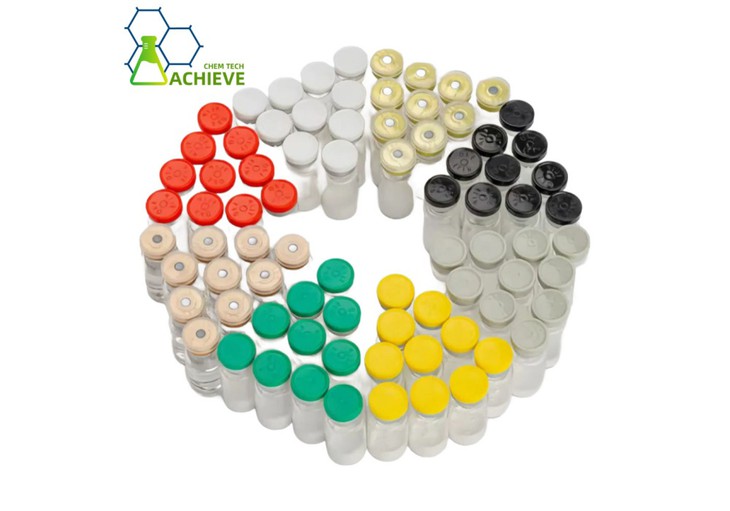
Bioglutide NA-931
1.General Specification(in stock)
(1)API(Pure powder)
PE/Al foil bag/ paper box for Pure powder
(2)Spot-On
(3)Solution
(4)Drops
2.Customization:
We will negotiate individually, OEM/ODM, No brand, for secience researching only.
Product Code:BM-1-154
NA-931
Analysis: HPLC, LC-MS, HNMR
Technology support: R&D Dept.-3
We provide Bioglutide NA-931, please refer to the following website for detailed specifications and product information.
Product:https://www.bloomtechz.com/synthetic-chemical/peptide/bioglutide-na-931.html

How Can Bioglutide NA-931 Support Better Blood Glucose Control?
Due to its ability to simultaneously affect multiple biochemical processes, Bioglutide NA-931 is effective at regulating blood sugar. In beta cells in the pancreas, this chemical turns on GLP-1 receptors. This makes insulin production rely on glucose levels. This means insulin is only sent out when there is more sugar in the blood. This greatly lowers the chance of dangerous low blood sugar episodes that can happen with many other diabetes drugs.


This process that depends on glucose makes things safer, as seen in the clinic. The insulinotropic action is stronger when both GLP-1R and GIPR are turned on. In other words, the pancreas responds better to changes in blood sugar. This well-coordinated response helps keep glucose levels more stable throughout the day. This stops the big changes that happen when diabetes isn't controlled well.
The chemical changes glucagon receptors in a way that makes it harder to control blood sugar. Glucagon usually raises blood sugar, so this may not make sense. However, the balanced activation of GCGR and other receptors keeps things in check. Your liver is more sensitive to insulin signals when you're fasting. This keeps it from making too much glucose.
It was discovered that Bioglutide NA-931 can lessen the changes in blood sugar that happen after eating by around 37%. Patients' blood sugar levels don't rise as quickly after food because of this rise. When you do this, you can better control your blood sugar and have fewer long-term problems. In this process, the stomach empties more slowly and peripheral organs take in glucose better. This creates several markers for glucose control.

Sustained Glycemic Effects Through IGF-1R Activation

Including IGF-1R stimulation in the treatment plan has bodily benefits that last for a long time. At the microscopic level, this sensor changes how insulin gets into cells. Muscle and fat can use glucose better because of this. It's because these cells' mitochondria work better that glucose is turned into energy instead of building up in the blood.
Once a person starts this treatment, their cells may get better at using glucose, which may give them more stable energy levels throughout the day. These pathways help keep the metabolism healthy over time, not just temporarily ease symptoms when they are kept active.

Glucose Metabolism Regulation Through Bioglutide NA-931
And Bioglutide NA-931 makes it better for cells to break down and use glucose to make energy. When a number of receptors are triggered, they start up important genes that help make mitochondria. Some of these genes are TFAM and PGC-1α. These changes to genes have made it easier for cells to turn food into energy that they can use.
This change in metabolism does more than just get rid of carbs. Being able to break down fatty acids makes it easier for cells to use different types of fuel. If your metabolism is flexible like this, it means your metabolism is good. The more important it is, the worse type 2 diabetes can get because metabolic stiffness can make it worse.

Peripheral Tissue Glucose Utilization Enhancement

Most of the glucose that the body takes in when insulin is turned on goes to the muscles. IGF-1R and GLP-1R are sped up by Bioglutide NA-931, which makes this process better in two ways. At the cell walls, more glucose transporter proteins build up. This gives glucose molecules more ways to enter and leave the cell. At the same time, insulin signals are picked up more easily by communication pathways inside cells.
In real life, this means that glucose leaves the body faster after a meal. Because peripheral cells can receive and use glucose well, blood sugar levels don't stay high for long. Instead, they drop back to normal more quickly. Because of this, the pancreatic beta cells are less stressed, which may help them keep working for a longer time.

Hepatic Metabolic Balance and Gluconeogenesis Control

When you are fasting, the liver plays a big role in keeping your blood sugar level steady. People with type 2 diabetes often have too much glucose made by their liver, even if their blood sugar is already high. By engaging a number of receptors, Bioglutide NA-931 aids in restoring liver glucose output.
When the GCGR and GLP-1R signals work together, the liver can better handle metabolic input. It's good for the liver that its glucose output goes down when insulin levels rise after a meal. In people with diabetes, the liver keeps making glucose even when blood sugar levels are normal or high. This organized response stops the messages that get mixed up.

Can Bioglutide NA-931 Improve Insulin Sensitivity and Metabolic Function?
The main thing that leads to type 2 diabetes is insulin resistance. Because tissues aren't reacting as well to insulin messages, it takes more hormones to have the same effect on the body. By focusing on several targets at once, Bioglutide NA-931 addresses this significant problem. The drug makes insulin signaling pathways better in fat, muscle, and liver cells all at the same time.For insulin to work well, the PI3K-Akt-mTOR pathway is very important. IGF-1R makes it happen. Insulin signals reach cells more quickly when this system is working at its best. This lets cells take in glucose while hormone levels stay low.


Activating GLP-1R and GIPR also reduces inflammation in fat tissue, which gets rid of another thing that gets in the way of insulin working.
The clinical phase II study showed that the signs of insulin sensitivity in the people who took part got better in a good way. In all treatment groups, the amounts of hemoglobin A1C went down. This shows the average blood sugar over three months. At the same time that these changes took place, insulin levels dropped when people didn't eat. This means that the body is really more sensitive to insulin and not just making more hormones to make up for it.
A big part of taking care of diabetes is making sure that pancreatic beta cells keep working. This type of cell makes insulin, and as they die, the illness gets worse. Traditional medicines don't always protect these cells well enough, so the illness gets worse, and the treatment doesn't work.GLP-1R and GIPR are activated by Bioglutide NA-931 to protect beta cells in a number of ways. They start processes that stop cells from dying on their own, which is called anti-apoptosis.


Also, they help beta cells divide, which could raise the functional cell mass. Because glucose is needed for insulin release, these cells don't have to deal with as much metabolic stress, so they don't get tired.
Getting rid of the extra stress that beta cells face is important for their health in the long run. By increasing insulin sensitivity in peripheral cells, Bioglutide NA-931 reduces the amount of insulin required to maintain normal glucose levels. Plus, beta cells don't have to work as hard, so they can do what they need to do. This may help them stay living longer.
The metabolic process does more than just deal with sugars. There are many metabolic problems that people with type 2 diabetes also have, like high cholesterol, high blood pressure, and long-term inflammation. The process of activating four receptors takes care of several of these issues at the same time.


While phase II clinical tests were going on, a number of biochemical markers got better. The people who took part saw their HDL cholesterol levels rise, which is a good thing. It got a little better to measure blood pressure, which means the valves are working better. Systemic inflammation was lower, which means there was less of it. Systemic inflammation can cause insulin resistance and a higher risk of heart disease.

Weight Management Benefits of Bioglutide NA-931 in Type 2 Diabetes
Diabetes and insulin resistance get a lot worse when you have too much body fat. In addition to its direct effects on glucose levels, Bioglutide NA-931's weight-loss advantages are crucial for metabolic health. When GLP-1R is turned on in the brain, it changes the nerve pathways that control how hungry or full you feel.At the same time, the substance turns off NPY/AgRP neurons and turns on POMC neurons. This sends out a coordinated signal that makes you feel less hungry. Not only does this make people feel hungry, but it also stops them from being hungry.


Instead, the process makes the body's natural signs for fullness stronger. This helps people feel full after eating the right amount of food. The fact that your stomach doesn't empty as quickly makes you feel full for longer after a meal.
The people in the higher dose groups lost an average of 5 to 8 percent of their body weight over the course of twelve weeks. This much weight loss, along with better blood sugar control, can have a big impact on insulin sensitivity and metabolic health in general. It is possible to keep off the weight in the long term because the weight loss has been slow and steady.
People often lose muscle along with fat when they try to lose weight, whether they do it by eating less or taking medicine. For people with diabetes, this muscle loss can be especially bad because glucose usually leaves the body through skeletal muscle. The unique property of Bioglutide NA-931 that turns on IGF-1R solves this problem.Activation of IGF-1R protects muscle tissue, and the action of GCGR and GLP-1R helps burn fat and lower calorie intake. A chemical in the body starts anabolic processes in muscle cells.


These processes make more proteins and stop proteins from breaking down. The DXA scans showed that people's lean body mass didn't change even though they lost a lot of weight.
There are many good things about this way of losing fat. Insulin works better and inflammatory molecules are made less when you have less belly fat. Having more muscle keeps your metabolism going, which helps you lose weight and keep it off. Maintaining muscle function also makes people want to work out, which causes good feedback loops for metabolic health.
Bioglutide NA-931 changes how much energy you use by turning on thermogenesis. It also lowers the number of calories you eat. UCP1 levels rise in brown fat tissue when GIPR is turned on. The body burns more food and makes more heat. Energy that is saved is turned into heat instead of being stored as fat during this process.As the metabolism changes, white fat tissue changes too. With this material, white fat goes through a "browning" process.


That helps it burn more fat. When these processes are added to the higher basal metabolic rate that happens when GCGR is turned on, the energy balance is better. This helps with long-term weight control.
People may feel less cold and have a slightly higher body temperature if their thermogenesis is better. These effects only slightly raise the total amount of energy used, but they work with the effects that control hunger to make it easier to keep your weight in check.

The Expanding Role of Bioglutide NA-931 in Metabolic Health Research
People with type 2 diabetes are most likely to die from heart disease. New research suggests that metabolic measures that work on more than one thing may help protect the heart as well as keep glucose levels in check. In phase II tests, Bioglutide NA-931 reduced the chance of heart disease.In all treatment groups, blood pressure dropped regularly, even though the drops were small. There was a link between a lower risk of heart disease and triglycerides that were lower and HDL cholesterol that was higher.


It is also good for the heart to lose weight and get a better handle on blood sugar levels. These early warning signs should be looked at in research that only looks at how the blood flow changes over time.
It has been shown that this chemical lowers inflammation, which might help keep blood vessels healthy. Atherosclerosis gets worse when there is long-term inflammation that hurts the blood vessel walls. Bioglutide NA-931 may slow the growth of vascular disease by lowering signs of inflammation. This is different from how it affects metabolism.
When insulin resistance, fat, high cholesterol, and high blood pressure all happen at the same time, this is called metabolic syndrome. It makes diabetes and heart disease much more likely for millions of people around the world. Bioglutide NA-931 can target more than one thing, which means it might be able to treat this difficult disease in a number of ways.It's better to have one agent that works on more than one route than to need many drugs that each work on a different part of the problem.


Making it easier for a patient to take their medicine on time generally makes them more likely to do so. By turning on more than one route at the same time, the results might be bigger than the benefits of focusing on just one.
If studied in people who already have diabetes and metabolic syndrome, Bioglutide NA-931 may be able to help. If people with pre-diabetes get help early, they might be able to stop or slow the progress toward full-blown diabetes, which is great for public health.
Type 2 diabetes is often paired with non-alcoholic fatty liver disease (NAFLD) and non-alcoholic steatohepatitis, which makes NAFLD worse. These illnesses make the liver swell up and store too much fat, which can lead to cirrhosis. Because it alters how your body uses energy, Bioglutide NA-931 may be beneficial for the health of your liver.The substance can lower lipogenesis and improve hepatic fatty acid oxidation, which means it might be possible to lower the amount of fat in the liver.


Bioglutide NA-931 may have even better benefits because it can target more GLP-1R receptors. Using these agonists to treat NASH has shown promise. When insulin sensitivity is higher, metabolic stress goes down, which stops fat from building up in the liver.
It would be easier to see how this could be used if there were clinical studies that looked at how liver health changes over time. Bioglutide NA-931 has been shown to have metabolic effects on the liver. However, imaging studies that count liver fat and liver biopsy data gathered in the right research settings could help find out if it has any other benefits for the liver.
Conclusion
A significant advancement in the treatment of type 2 diabetes is the discovery of Bioglutide NA-931 as a quadruple receptor agonist. These pills fix many of the metabolic issues that come with diabetes by activating GLP-1R, GIPR, GCGR, and IGF-1R all at the same time. The clinical studies show that the medicine may help lower blood sugar, help people lose weight, and make their metabolism work better.
One thing that makes this method unique is that it keeps your lean body mass while you lose weight. When glucose is present, insulin is released, which lowers blood sugar and the risk of hypoglycemia at the same time. All of these things come together to make a treatment plan that may help many people.
Bioglutide NA-931 will have a better idea of how it can be used as a medicine as more research is done and phase III tests move forward. You don't have to inject the drug; you can just take it by mouth. Some people might be more open to the treatment if they see this. People who work in healthcare and people who want more options for controlling their metabolism should keep an eye on how this possible healing agent grows.
FAQ
1. What makes Bioglutide NA-931 different from other drugs for diabetes?
+
-
Bioglutide NA-931 activates four metabolic receptors at the same time: GLP-1R, GIPR, GCGR, and IGF-1R. It doesn't just focus on one route. This method helps you control your blood sugar, lose weight, and keep your muscles when you use it all at the same time. It's also easier for people to take by mouth than as an injection, which could help them stick with their treatment and make it last longer.
2. Can Bioglutide NA-931 cause blood sugar levels to drop in a way that is unsafe?
+
-
In a way that depends on glucose, Bioglutide NA-931 raises insulin release. When compared to some other diabetes drugs, this one makes hypoglycemia a lot less likely. This chemical makes insulin only come out when blood sugar is high. This is built in for safety. Even though there have been no reports of major hypoglycemic events in clinical research, patients should still do what their doctors tell them and check their blood sugar, especially when switching between treatments.
3. How does Bioglutide NA-931 help you tone up and lose weight?
+
-
The chemical lowers hunger by turning on GLP-1R in the brain's hunger centers and slowing down stomach emptying. This means that you naturally feel full with less food. On the other hand, turning on IGF-1R speeds up the production of muscle protein and stops its breakdown. This keeps lean tissue safe while you drop weight. Researchers found that the people who took part lost fat mass but kept their muscle mass. Many weight loss plans make you lose both types of tissue, but this one doesn't.

Partner with BLOOM TECH: Your Trusted Bioglutide NA-931 Supplier
Shaanxi BLOOM TECH Co., Ltd is a Bioglutide NA-931 seller that is GMP-certified and has been in the organic synthesis business for more than 12 years. They send metabolic chemicals that are safe for use in medicine to research centers and drug makers all over the world. These areas of our company, which are spread out over 100,000 square meters, meet the standards set by the US FDA, the EU GMP, and the PMDA. This makes sure we always follow the rules and the standard is the same. 24 of the biggest drug companies in the world buy from us because our prices are fair, and we don't change our profit rates. This makes it easy for us to negotiate for long-term partnerships. There are three layers of analysis in our thorough quality control system: testing in the plant, review by our own QA/QC staff, and confirmation by a third party. We'll give you your full cash back if any of our things don't meet the standards.
This company, BLOOM TECH, gives you correct wait times, complete shipping paperwork for customs clearance, and easy-to-understand ERP platform tracking for the whole time your order is being processed. Our skilled team can help you with your project from start to finish, from creating it in the lab to making it for sale. It doesn't matter if you need a small amount for research or a large amount for production. Get in touch with our sales team at Sales@bloomtechz.com to talk about your Bioglutide NA-931 needs and find out how our reliable supply chain, low prices, and quality control measures can help your projects studying metabolic diseases go faster.
References
1. American Diabetes Association. "Standards of Medical Care in Diabetes-2024." Diabetes Care, Volume 47, Supplement 1, January 2024, Pages S1-S321.
2. Nauck MA, Quast DR, Wefers J, Meier JJ. "GLP-1 Receptor Agonists in the Treatment of Type 2 Diabetes-State-of-the-Art." Molecular Metabolism, Volume 46, April 2021, Article 101102.
3. Finan B, Capozzi ME, Campbell JE. "Targeted Estrogen Delivery Reverses the Metabolic Syndrome." Nature Medicine, Volume 18, Issue 12, December 2012, Pages 1847-1856.
4. Holst JJ, Rosenkilde MM. "GIP as a Therapeutic Target in Diabetes and Obesity: Insight From Incretin Co-agonists." Journal of Clinical Endocrinology & Metabolism, Volume 105, Issue 8, August 2020, Pages e2710-e2716.
5. Müller TD, Finan B, Bloom SR, D'Alessio D, Drucker DJ, Flatt迎 PR, Fritsche A, Gribble F, Grill HJ, Habener JF, Holst JJ, Langhans W, Meier JJ, Nauck MA, Perez-Tilve D, Pocai A, Reimann F, Sandoval DA, Schwartz TW, Seeley RJ, Stemmer K, Tang-Christensen M, Woods SC, DiMarchi RD, Tschöp MH. "Glucagon-like Peptide 1 (GLP-1)." Molecular Metabolism, Volume 30, December 2019, Pages 72-130.
6. International Diabetes Federation. "IDF Diabetes Atlas, 10th Edition." Brussels, Belgium: International Diabetes Federation, 2021. Pages 1-141.