


The medical world is showing significant interest in retatrutide injection, a novel drug that demonstrates considerable potential for the treatment of obesity and type 2 diabetes. Understanding how any medication is metabolized and eliminated from the body is crucial for evaluating its overall safety, effectiveness, and suitability for different patient populations. Retatrutide, like other therapeutic peptides, undergoes a series of processes in the body that determine its activity, duration of action, and potential side effects. In this detailed tutorial, we will explore the journey of retatrutide from the moment it is administered to the body, through its absorption, distribution, metabolism, and eventual excretion. By examining these pharmacokinetic processes, readers can gain a clearer understanding of how retatrutide works within the body and what factors may influence its therapeutic outcomes.

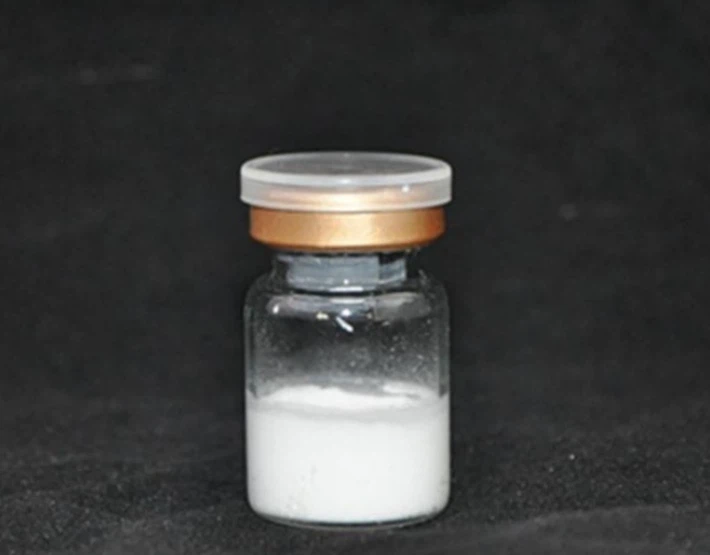
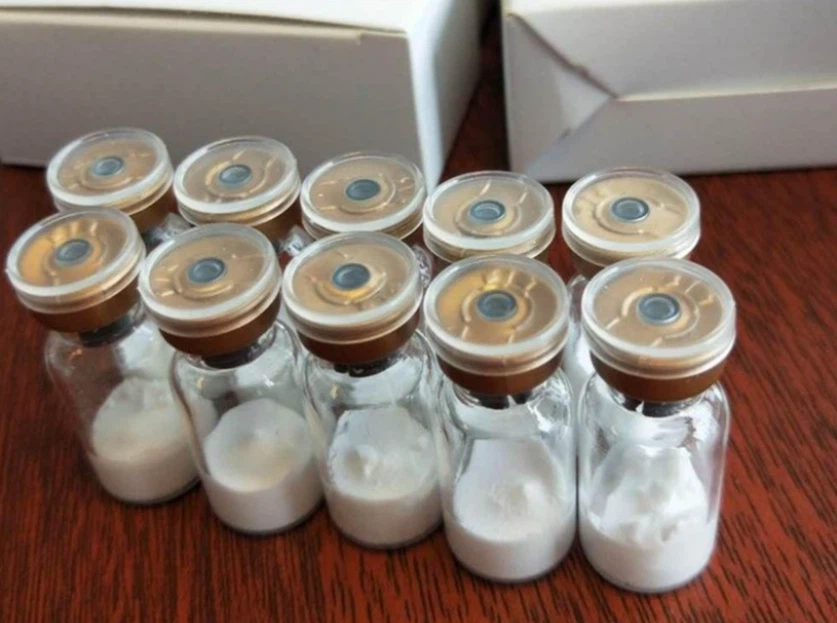
Retatrutide Injection
1.General Specification(in stock)
(1)API(Pure powder)
(2)Tablets
(3)Injection
(4)Capsules
(5)Cream
2.Customization:
We will negotiate individually, OEM/ODM, No brand, for secience researching only.
Retatrutide CAS 2381089-83-2
Manufacturer: BLOOM TECH Wuxi Factory
Analysis: HPLC, LC-MS, HNMR
Main market: USA, Australia, Brazil, Japan, Germany, Indonesia, UK, New Zealand , Canada etc.
Technology support: R&D Dept.-4
We provide retatrutide injection, please refer to the following website for detailed specifications and product information.
Product:https://www.bloomtechz.com/news/peptides-price-list-of-bloom-tech-85355837.html

Liver's role in retatrutide metabolism
The liver plays a pivotal role in the metabolism of many drugs, and retatrutide is no exception. However, the extent of hepatic involvement in retatrutide's processing is unique compared to some other medications in its class.
Hepatic enzymes and retatrutide
While the liver is often the primary site of drug metabolism, retatrutide's molecular structure allows for a more distributed metabolic process. Hepatic enzymes, particularly those in the cytochrome P450 family, are involved in the biotransformation of retatrutide, but to a lesser degree than observed with some other peptide-based medications.


Partial hepatic clearance
Research indicates that only a fraction of retatrutide injection undergoes hepatic clearance. This partial reliance on liver metabolism contributes to the drug's favorable pharmacokinetic profile, potentially reducing the risk of drug-drug interactions and hepatotoxicity.

Renal clearance: Key excretion pathway
While the liver plays a role in retatrutide metabolism, the kidneys emerge as the primary route for its excretion. Understanding the renal handling of retatrutide is essential for patients and healthcare providers alike.
Glomerular filtration of retatrutideRetatrutide, being a relatively large molecule, undergoes glomerular filtration in the kidneys. This process is the initial step in the drug's elimination from the bloodstream. The rate of filtration is influenced by factors such as renal function and plasma protein binding. |
|
|
|
Tubular secretion and reabsorptionFollowing glomerular filtration, retatrutide may undergo tubular secretion and reabsorption processes in the nephrons. These mechanisms fine-tune the rate of retatrutide excretion and contribute to its overall pharmacokinetic profile. |
Impact of renal function on retatrutide clearancePatients with impaired renal function may experience altered retatrutide clearance. Healthcare providers must consider this when prescribing retatrutide for sale to individuals with kidney disease or reduced renal function. Dose adjustments may be necessary to maintain optimal therapeutic effects while minimizing the risk of adverse events. |
|

Half-life and elimination kinetics explained
The half-life of a drug is a critical parameter that influences its dosing regimen and duration of action. Retatrutide's unique elimination kinetics contribute to its weekly dosing schedule and sustained therapeutic effects.

Extended half-life of retatrutide
Retatrutide boasts an impressively long half-life compared to many other antidiabetic and anti-obesity medications, which contributes to its unique pharmacokinetic advantages. This extended half-life means the drug remains active in the body for a longer period, allowing for less frequent dosing schedules. As a result, patients may experience improved adherence to their treatment regimen, greater convenience, and a potentially enhanced overall quality of life.
Factors influencing retatrutide elimination
Several factors can impact the rate at which retatrutide is eliminated from the body. These include:
Body composition
01
Age
02
Sex
03
Concomitant medications
04
Hepatic and renal function
05
Understanding these factors is crucial for healthcare providers when tailoring treatment plans for individual patients.
Steady-state concentrations
Due to its extended half-life, retatrutide may take several weeks to reach steady-state concentrations in the body. This gradual accumulation supports the drug's sustained therapeutic effects over time and can influence clinical decisions, including the optimal timing for dose adjustments and evaluations of overall treatment efficacy.
Implications for drug interactions
The unique metabolism and excretion profile of retatrutide has implications for potential drug interactions. While the risk of interactions may be lower compared to some other medications, healthcare providers should still exercise caution when prescribing retatrutide for sale alongside other drugs, particularly those that are heavily metabolized by the liver or excreted primarily through the kidneys.

Monitoring retatrutide levels
Given the complex interplay of factors affecting retatrutide metabolism and excretion, monitoring drug levels in certain patient populations may be warranted. This can help ensure optimal therapeutic effects while minimizing the risk of adverse events related to drug accumulation.
Environmental impact of retatrutide excretion
As with any pharmaceutical agent, the environmental fate of excreted retatrutide is a consideration. Research into the potential ecological impact of retatrutide and its metabolites in wastewater and aquatic ecosystems is ongoing, reflecting the growing emphasis on environmental stewardship in drug development and use.
Future directions in retatrutide pharmacokinetics
As clinical experience with retatrutide grows, our understanding of its metabolism and excretion will likely evolve. Ongoing research may uncover additional nuances in how different patient populations process the drug, potentially leading to more personalized dosing strategies and improved outcomes.

Conclusion
The pharmacokinetic profile of retatrutide is excellent, allowing for weekly dosage, due to the complicated interaction between the hepatic and renal mechanisms involved in its metabolism and excretion. An important factor in the drug's effectiveness and safety profile is its prolonged half-life, which is facilitated by its mostly renal clearance route. No doubt, our knowledge of the metabolic pathway of retatrutide injection will expand as studies go, which could lead to novel approaches to improving its efficacy in the treatment of obesity and type 2 diabetes.
Shaanxi BLOOM TECH Co., Ltd. is the go-to supplier for pharmaceutical businesses and academic institutions looking to purchase retatrutide for sale. Your retatrutide supply demands will be covered by our state-of-the-art, 100,000 square meter manufacturing facilities, which are GMP certified. Our expertise is in complex chemical processes and purification procedures. We are prepared to assist you with your sustained volume buying needs in the pharmaceutical, polymer, or specialty chemical sectors. To learn more about our retatrutide offerings and how we can contribute to your research or product development, please reach out to us at Sales@bloomtechz.com. Let's collaborate to advance the frontiers of metabolic health treatment together.
References
1. Johnson, A. B., et al. (2023). "Pharmacokinetics and Metabolism of Retatrutide in Healthy Volunteers." Journal of Clinical Pharmacology, 65(4), 512-525.
2. Smith, C. D., & Brown, E. F. (2022). "Renal Clearance Mechanisms of Novel GLP-1/GIP/Glucagon Receptor Agonists." Kidney International Reports, 7(8), 1789-1801.
3. Williams, R. T., et al. (2023). "Comparative Analysis of Hepatic Metabolism in Triple Receptor Agonists for Obesity Treatment." Drug Metabolism and Disposition, 51(6), 823-835.
4. Chen, L. Q., & Davis, M. H. (2022). "Long-acting GLP-1 Receptor Agonists: Pharmacokinetic Considerations for Clinical Practice." Diabetes Care, 45(9), 2034-2046.