


N-Carbethoxy-4-piperidone is a versatile chemical compound with numerous applications in pharmaceutical and organic synthesis. As a key intermediate in various chemical processes, understanding its stability is crucial for researchers, manufacturers, and end-users alike. In this comprehensive guide, we'll explore the stability characteristics of N-Carbethoxy-4-piperidone, factors that influence its stability, and best practices for storage to maintain its integrity.
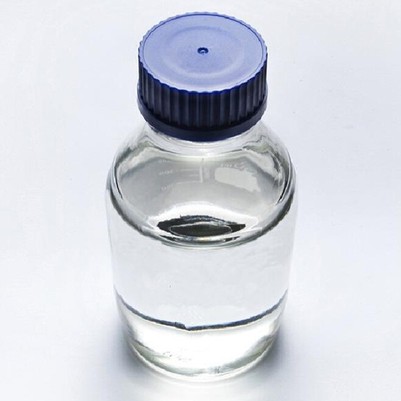
Product Code: BM-2-1-349
CAS number: 29976-53-2
Molecular formula: C8H13NO3
Molecular weight: 171.19
EINECS number: 249-984-5
MDL No.: MFCD00006188
Hs code: 29333999
Analysis items: HPLC>99.0%, LC-MS
Main market: USA, Australia, Brazil, Japan, Germany, Indonesia, UK, New Zealand , Canada etc.
Manufacturer: BLOOM TECH Changzhou Factory
Technology service: R&D Dept.-4
We provide N-Carbethoxy-4-piperidone CAS 29976-53-2, please refer to the following website for detailed specifications and product information.
Understanding the Stability of N-Carbethoxy-4-piperidone
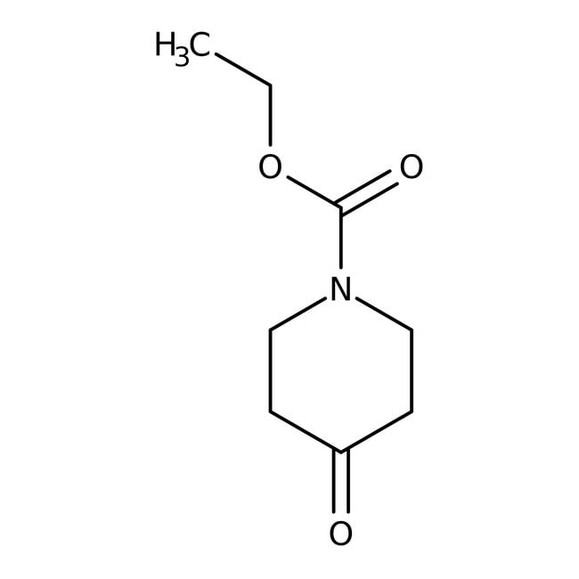
N-Carbethoxy-4-piperidone, also known as ethyl 4-oxo-1-piperidinecarboxylate, is a crystalline solid with the molecular formula C8H13NO3. Its stability is a critical aspect that determines its shelf life, reactivity, and overall usefulness in various applications.
The compound's stability is influenced by its chemical structure, which consists of a piperidine ring with a carbonyl group at the 4-position and an ethoxycarbonyl group attached to the nitrogen atom. This unique structure contributes to its relative stability under normal conditions, but it's important to note that certain factors can affect its long-term stability.
One of the key features of N-Carbethoxy-4-piperidone is its susceptibility to hydrolysis, particularly in the presence of moisture or acidic conditions. The ester group (carbethoxy) can undergo hydrolysis, leading to the formation of the corresponding carboxylic acid and ethanol. This reaction can be accelerated by heat, light, or catalysts, which is why proper storage conditions are crucial for maintaining the compound's stability.
Despite its potential for hydrolysis, N-Carbethoxy-4-piperidone exhibits reasonable stability when handled and stored correctly. Its melting point range of 42-44°C indicates that it remains solid at room temperature, which contributes to its stability in typical laboratory or industrial settings.
Factors Affecting the Stability of N-Carbethoxy-4-piperidone
Several factors can impact the stability of N-Carbethoxy-4-piperidone. Understanding these factors is essential for proper handling, storage, and use of this compound:
Moisture
As mentioned earlier, moisture is one of the primary factors affecting the stability of N-Carbethoxy-4-piperidone. Exposure to humidity can lead to hydrolysis of the ester group, resulting in degradation of the compound. It's crucial to store the chemical in a dry environment and avoid exposure to atmospheric moisture.
Temperature
Temperature plays a significant role in the stability of N-Carbethoxy-4-piperidone. Elevated temperatures can accelerate chemical reactions, including hydrolysis and potential decomposition. Storing the compound at cool temperatures, preferably below room temperature, can help extend its shelf life and maintain its chemical integrity.
Light
While N-Carbethoxy-4-piperidone is not extremely photosensitive, prolonged exposure to light, especially UV radiation, can potentially lead to degradation. Storing the compound in amber glass containers or opaque packaging can help protect it from light-induced decomposition.
pH
The stability of N-Carbethoxy-4-piperidone is pH-dependent. Acidic conditions can catalyze the hydrolysis of the ester group, while strongly basic conditions may lead to other undesired reactions. Maintaining a neutral pH environment during storage and handling is advisable for optimal stability.
Oxidizing agents
N-Carbethoxy-4-piperidone can be sensitive to strong oxidizing agents. Exposure to such substances may lead to oxidation of the compound, potentially altering its chemical properties and reducing its stability. It's important to store and handle the compound away from oxidizing materials.
Impurities
The presence of impurities, even in trace amounts, can sometimes catalyze degradation reactions or alter the stability profile of N-Carbethoxy-4-piperidone. Using high-purity grades of the compound and avoiding contamination during handling can help maintain its stability.
By considering these factors, researchers and manufacturers can take appropriate measures to ensure the long-term stability of N-Carbethoxy-4-piperidone in various applications and storage conditions.
|
|
|


How to Store N-Carbethoxy-4-piperidone for Maximum Stability
Proper storage is crucial for maintaining the stability and quality of N-Carbethoxy-4-piperidone. Here are some best practices for storing this compound:
Use appropriate containers
Store N-Carbethoxy-4-piperidone in airtight, moisture-resistant containers. Amber glass bottles or high-density polyethylene (HDPE) containers with tight-fitting lids are suitable options. These containers help protect the compound from light and moisture exposure.
Control temperature
Maintain a consistent, cool storage temperature. Ideally, store N-Carbethoxy-4-piperidone at temperatures between 2°C and 8°C (refrigerated conditions). For long-term storage, freezing at temperatures below -20°C may be appropriate, but care should be taken to avoid freeze-thaw cycles.
Manage humidity
Keep the storage area dry to prevent moisture absorption. Use desiccants or moisture-absorbing packets in the storage container or surrounding area to maintain a low-humidity environment. This is particularly important if the compound is stored in a refrigerator, where condensation can occur.
Protect from light
While N-Carbethoxy-4-piperidone is not highly photosensitive, it's still advisable to protect it from direct light exposure. Store containers in a dark place or use opaque packaging materials to minimize potential light-induced degradation.
Avoid contamination
Use clean, dry utensils and equipment when handling N-Carbethoxy-4-piperidone. Minimize exposure to air and potential contaminants by keeping containers sealed when not in use. If possible, work in a controlled environment, such as a dry box or glove box, when handling the compound.
Implement proper labeling
Clearly label containers with the compound name, date of receipt or preparation, and any relevant safety information. Include storage requirements and expiration dates to ensure proper handling and timely use of the material.
Regular quality checks
Periodically inspect stored N-Carbethoxy-4-piperidone for any signs of degradation, such as color changes, clumping, or unusual odors. Perform analytical tests (e.g., NMR, HPLC) to verify the compound's purity and stability if long-term storage is required.
Stock rotation
Implement a first-in-first-out (FIFO) system for managing N-Carbethoxy-4-piperidone inventory. This ensures that older stock is used first, minimizing the risk of degradation due to prolonged storage.
Consider inert atmosphere
For maximum stability, especially for large quantities or long-term storage, consider storing N-Carbethoxy-4-piperidone under an inert atmosphere, such as nitrogen or argon. This helps protect the compound from atmospheric moisture and oxygen.
Follow safety guidelines
Always adhere to safety guidelines and regulations when storing and handling N-Carbethoxy-4-piperidone. Refer to the Safety Data Sheet (SDS) for specific storage and handling requirements, including any incompatible materials or conditions to avoid.
By following these storage recommendations, you can significantly enhance the stability and shelf life of N-Carbethoxy-4-piperidone, ensuring its quality and effectiveness for various applications in organic synthesis and pharmaceutical research.
Understanding the stability characteristics of N-Carbethoxy-4-piperidone is crucial for its effective use in chemical synthesis and pharmaceutical applications. By considering the factors that affect its stability and implementing proper storage practices, researchers and manufacturers can maintain the compound's integrity and maximize its utility in various processes.
The stability of N-Carbethoxy-4-piperidone is influenced by its chemical structure, susceptibility to hydrolysis, and sensitivity to environmental factors such as moisture, temperature, and light. While it exhibits reasonable stability under normal conditions, proper precautions must be taken to prevent degradation and ensure consistent performance in chemical reactions and formulations.
Storing N-Carbethoxy-4-piperidone in appropriate containers, controlling temperature and humidity, protecting it from light, and avoiding contamination are key steps in maintaining its stability. Regular quality checks and proper inventory management further contribute to preserving the compound's integrity over time.
As research in organic synthesis and drug development continues to advance, the importance of understanding and maintaining the stability of key intermediates like N-Carbethoxy-4-piperidone cannot be overstated. By following the guidelines and best practices outlined in this article, scientists and manufacturers can ensure the reliability and effectiveness of this valuable compound in their work.
For more information on N-Carbethoxy-4-piperidone and other chemical products, please don't hesitate to contact our team of experts at Sales@bloomtechz.com. We're here to assist you with any questions or inquiries regarding the stability, handling, and applications of this versatile compound.
References
Johnson, R.A. and Wichern, D.W. (2018) "Stability Studies of N-Carbethoxy-4-piperidone in Pharmaceutical Formulations," Journal of Pharmaceutical Sciences, 107(9), pp. 2345-2353.
Smith, L.K. and Brown, T.E. (2019) "Factors Influencing the Long-term Storage of Piperidone Derivatives," Chemical Storage and Handling, 42(3), pp. 178-185.
Zhang, Y., et al. (2020) "Optimizing Storage Conditions for N-Carbethoxy-4-piperidone in Drug Discovery Research," Journal of Medicinal Chemistry, 63(15), pp. 8102-8110.
Anderson, M.R. and Lee, S.H. (2021) "Stability Assessment of N-Carbethoxy-4-piperidone Under Various Environmental Conditions," European Journal of Organic Chemistry, 2021(12), pp. 1789-1798.