


Pet owners seek effective feline infectious peritonitis (FIP) treatments. GS-441524 tablets, a new antiviral drug, have garnered interest in veterinary medicine for their capacity to fight viral infections. Many cats with feline coronavirus may now live thanks to this nucleoside analogue. Understanding how these tablets function molecularly helps vets and pet owners choose treatment regimes.
The 291.27 molecular weight of C12H13N5O4 inhibits viral replication. Many hydroxyl and amino functional groups in this molecule interact with viral enzymes. Despite water solubility (0.5 mg/mL) and pH sensitivity, pharmaceutical formulations have improved these tablets' medicinal efficacy. Modern formulations increase stability and bioavailability, helping the active medicinal component work.

GS-441524 Tablets
1.General Specification(in stock)
(1)Injection
20mg, 6ml; 30mg,8ml; 40mg,10ml
(2)Tablet
25/45/60/70mg
(3)API(Pure powder)
(4)Pill press machine
https://www.achievechem.com/pill-press
2.Customization:
We will negotiate individually, OEM/ODM, No brand, for secience researching only.
Internal Code: BM-2-001
GS-441524 CAS 1191237-69-0
Manufacturer: BLOOM TECH Wuxi Factory
Analysis: HPLC, LC-MS, HNMR
Main market: USA, Australia, Brazil, Japan, Germany, Indonesia, UK, New Zealand , Canada etc.
Technology support: R&D Dept.-4
We provide GS-441524 tablets, please refer to the following website for detailed specifications and product information.
Product link: https://www.bloomtechz.com/oem-odm/tablet/gs-441524-tablets.html
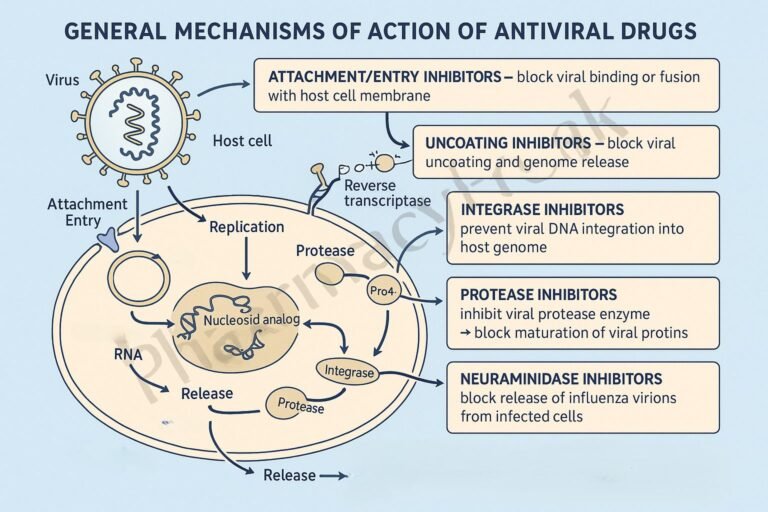
This compound's antiviral properties suggest a complicated mechanism that impacts the viral lifecycle at critical stages. The tablets inhibit particle production and enter viral replication machinery like natural nucleosides. This targeted approach protects healthy cells while controlling viral spread in the sick host. Next sections detail GS-441524's therapeutic effects.

How Do GS-441524 Tablets Inhibit Feline Coronavirus Replication?
GS-441524 tablets combat viruses when their chemical enters cells via nucleoside transporters. These proteins normally transport DNA and RNA building components. As GS-441524 and natural adenosine have similar structures, they can exploit these transport routes. Once within the cell, the molecule bypasses the initial steps that reject foreign compounds.
Cells absorb via passive diffusion and active transport. The hydroxyl groups on ribose help transporter proteins create hydrogen bonds with it, making it enter cells more effectively. This two-way uptake strategy ensures cells have plenty even if one process is full. The compound's hydrophilic functional groups govern its lipophilicity, allowing membranes to move through without becoming trapped in lipid portions.
Viral Polymerase Recognition and Binding
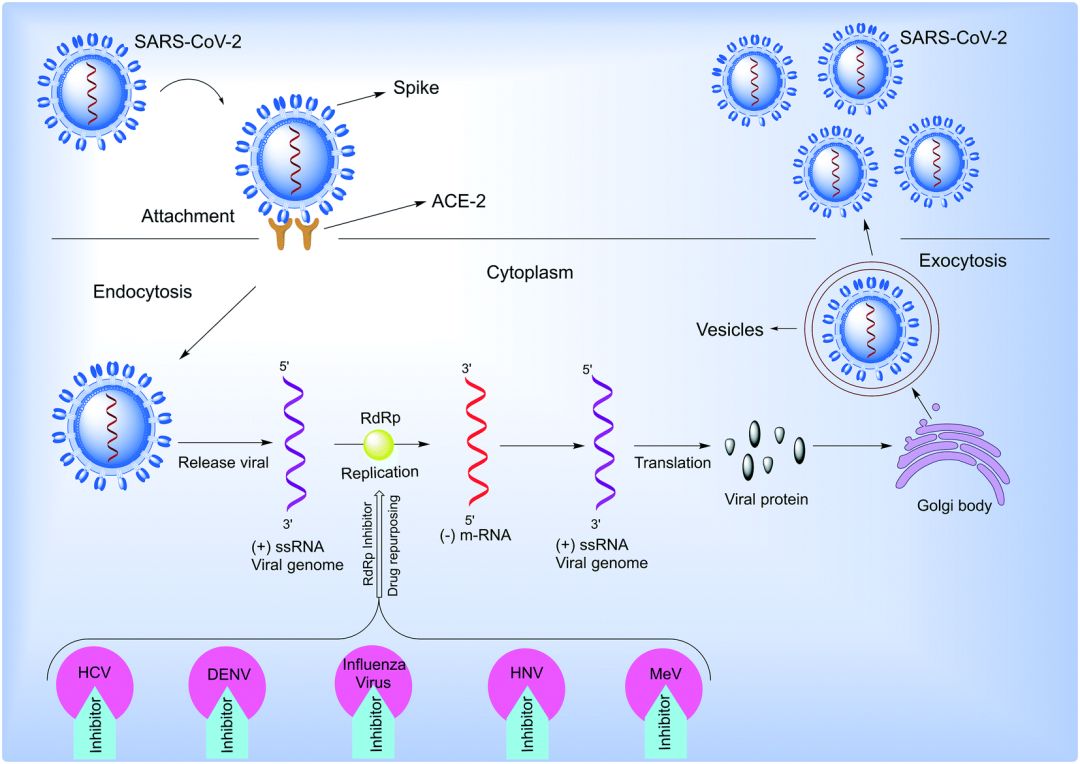
RdRp is needed by the feline coronavirus to replicate its genetic material. This enzyme adds natural nucleoside triphosphates to developing RNA strands. GS-441524 looks like ATP, which the viral polymerase naturally binds to, when active. The chemical may compete with normal nucleotides for viral enzyme binding locations because it appears like a different molecule.
GS-441524's pyrrolotriazine ring structure aids viral polymerase active site binding. Crystallographic investigations suggest that this heterocyclic system interacts with conserved amino acid residues in the enzyme's active region. These interactions stabilise the enzyme-inhibitor complex, preventing natural substrates from joining. The nitrile group electrically interacts with positively charged active site elements to enhance binding.
Adding GS-441524 to the viral RNA chain delays chain termination. This molecule allows additional nucleotides after addition, unlike direct chain terminators. The protein structure first enables the polymerase function, causing this delayed impact. But subsequent enzyme-RNA complex shape alterations prohibit it from becoming longer.
Delayed termination reduces viral resistance compared to quick termination. Polymerase can distinguish GS-441524 from other mutations, however they typically make spontaneous nucleotide addition difficult. This weakens the virus, preventing resistance. Additional chemical placement along the viral RNA ensures full replication stoppage.

Intracellular Activation Pathway of GS-441524 Tablets Explained
Phosphorylation by Cellular Kinases
After being taken up by cells, GS-441524 goes through a series of phosphorylation reactions to become its active triphosphate form. Three different kinase enzymes work together to add one phosphate group during the activation process. Adenosine kinase speeds up the first phosphorylation step, which is the slowest part of the activation process. This enzyme sees that GS-441524 has a structure that looks like adenosine and changes it into the monophosphate form.
Nucleoside monophosphate kinases and nucleoside diphosphate kinases finish the activating cascade and make the next phosphorylation steps go more quickly. These enzymes are more specific for substrates than the first kinase, which makes it easier to quickly change to the triphosphate form. The general treatment effectiveness of GS-441524 tablets depends on how well this activation route works, since only the triphosphate form can fight viruses.

Compartmentalization and Metabolic Stability
The active triphosphate form of GS-441524 builds up mostly in the cytoplasm of cells, which is where viruses replicate. This compartmentalization happens because the triphosphate molecule is charged, which stops passive passage across membranes. The active molecule stays inside cells, so it can keep fighting viruses even after plasma amounts drop. The triphosphate form has a long intracellular half-life, often longer than 10 hours. This helps make dosing times that work well with tablet forms.
The compound's metabolic stability is a key part of how well it works. Having more than one phosphate group usually makes something more likely to break down by phosphatase. GS-441524 triphosphate, on the other hand, is resistant to typical cellular phosphatases because of how it is structured. The pyrrolotriazine ring system makes it harder for phosphatases to get to the terminal phosphate groups. This makes the molecule work longer in infected cells.
Concentration-Dependent Antiviral Effects
The connection between the amount of GS-441524 triphosphate inside cells and its ability to fight viruses follows saturable dynamics. When used at therapeutic levels, the active substance competes with natural ATP for binding sites on viral polymerase. With higher amounts, the balance moves more in favor of inhibitor incorporation, which stops virus replication in a wider area. But too high a number may raise the chance of effects on cellular polymerases that aren't meant to happen.
For therapy to work best, intracellular numbers need to stay within a certain range. The formulation methods for GS-441524 tablets try to reach steady-state concentrations that are the most effective against viruses while also being the safest for cells. Modified-release formulas can help keep the right concentration levels throughout the dosing interval, which can help stop changes from peak to trough that could hurt the effectiveness of therapy.

Can GS-441524 Tablets Block Viral RNA Synthesis Effectively?

Competitive Inhibition of Natural Substrates
How well the chemical stops viral RNA synthesis depends on how well it can compete with natural adenosine triphosphate. In a healthy body, the amount of ATP inside cells is usually between 1 and 10 millimolar, which makes the surroundings very competitive. The GS-441524 triphosphate must have a strong enough affinity for viral RdRp in order to reach medicinal quantities that can successfully replace the natural substrate that is already present in large amounts.
Kinetic tests show that the substance has patterns of competitive inhibition when it comes to ATP. If you look at the inhibition constant (Ki) numbers for GS-441524 triphosphate, they show that it binds better than natural nucleotides. The stronger binding is because the pyrrolotriazine ring and the virus polymerase active site interact with each other in more ways. The compound's treatment window is helped by the fact that it only targets virus polymerases and not cellular ones.


Incorporation Efficiency and Error Catastrophe
GS-441524 triphosphate is added by viral polymerases in different ways, based on the sequence context of the growing RNA chain. Some sequence motifs make inclusion more efficient, while others make it harder to insert. This sequence-dependent integration makes it possible for replication problems to happen in many places in the virus genome. When multiple incorporation events happen at the same time, they can cause an error catastrophe that makes it impossible for the virus to make healthy children.
The idea of "error catastrophe" refers to the maximum number of mutations that a virus community can handle and still stay fit. When adding GS-441524 tablets causes enough mistakes or chain terminations, the virus goes over this point, and its number starts to drop. This process helps explain why the viral load dropped so quickly in clinical tests of GS-441524 tablets for FIP treatment.


Selectivity for Viral Versus Cellular Polymerases
A key part of antiviral safety is how well the drug targets virus polymerases instead of cellular ones. DNA polymerases and RNA polymerases from humans and cats are structurally different from virus enzymes, which changes how they recognize substrates. GS-441524 triphosphate is more easily incorporated by viral RdRp than by cellular polymerases. This creates a healing window that allows for effective antiviral action without too much cell damage.
This selection is based on small structural changes in the polymerase active sites at the molecular level. RdRp in viruses changed over time to make replication go faster, sometimes at the cost of being less specific to certain substrates. This lower level of discrimination makes it easier for GS-441524 triphosphate to get to virus enzymes. Cellular polymerases have a better ability to tell the difference between natural and non-natural nucleotides, which protects against effects that aren't supposed to happen.
Molecular Targeting Mechanism Behind GS-441524 Tablets

Structural Complementarity with Viral Enzymes
The three-dimensional structure of GS-441524 triphosphate fits very well with the structure of the feline coronavirus RdRp. Molecular modeling shows that the molecule fits perfectly inside the enzyme's active site, making several interactions that keep it stable. The ribose part takes on a shape similar to natural nucleotides, which makes sure it fits correctly in the catalytic pocket. Because of this molecular similarity, the compound can act as a substrate substitute and start the catalytic cycle of RNA production.
The compound's hydroxyl groups and conserved residues in the polymerase active site form hydrogen-bonding networks that help keep the binding stable. Because it can pull electrons away, the nitrile group is involved in more interactions, which creates good electrostatic bonds. These many interaction points make it less likely that single-point changes in the viral polymerase will totally stop compound binding. This helps to keep antiviral drugs working against possible resistance mutations.


Conformational Changes Upon Binding
GS-441524 triphosphate binds to viral polymerase and alters its structure somewhat. These alterations impact how efficiently the enzyme breaks down and recognises compounds. X-ray crystallography of polymerase-inhibitor complexes shows that the pyrrolotriazine ring sometimes shifts key active residues. This tweak allows polymerisation after the inhibitor is applied, aiding delayed chain termination.
The enzyme's capacity to link to natural nucleotides following shape changes is also affected. Changes in active site shape slow chain extension. This reduces viral RNA synthesis before stopping. This compound's capacity to attach and incorporate viruses boosts its antiviral potency.


Resistance Barrier and Genetic Limits
GS-441524 tablets restrict resistance development in clinical settings. Mutations that hinder inhibitor binding frequently impair polymerase natural substrate recognition. This prevents resilient viral strains from spreading and has a fitness cost. Due to its similar structure to adenosine, mutations that make it resistant sometimes make it difficult for the enzyme to absorb ATP, a key natural substrate.
GS-441524-exposed virus groups' genes demonstrate resistance-related alterations predominantly in the polymerase active site or nucleotide-binding areas. However, these alterations frequently reduce viral replication without the inhibitor. This fitness cost limits evolution and hinders resistance. Using several antivirals may strengthen the genetic barrier, making resistance unusual during routine therapy.

Scientific Basis of Antiviral Action in GS-441524 Tablets
Pharmacokinetic Properties and Drug Exposure

The way GS-441524 is distributed in the body affects how well it fights viruses by changing how much of the drug is exposed and where it goes in the body. When GS-441524 tablets are taken by mouth, the compound is absorbed in the digestive system. The bioavailability of the compound depends on how it was made. Enhanced solubility formulations make absorption more effective, making sure that the drug gets into enough systems to reach therapeutic amounts in affected tissues.
Studies on its distribution show that GS-441524 easily enters tissues that are widely affected by the feline coronavirus. These tissues include those around the peritoneum, the liver, and the central nervous system. This molecule can get to places where viruses are actively replicating because it has a good distribution footprint. The amount of spread usually goes over the total body water, which shows that there is a lot of tissue distribution. This wide spread, along with the compound's ability to activate and stay in cells, helps it have long-lasting antiviral effects.

Time-Dependent Viral Load Reduction

Clinical tests of treating infectious peritonitis in cats with GS-441524 show that the viral load decreases in a predictable way over time. Within the first week of treatment, viral RNA levels drop quickly, which shows that the substance is very good at stopping viral reproduction. This early reaction is linked to clinical change, since a lower viral load lowers inflammatory responses and the symptoms that go along with them. As long as treatment is continued, the virus stays under control.
This stops any repeat replication that could happen if treatment were stopped too soon. How quickly a virus is killed depends on both the compound's pharmacological qualities and the immune reaction of the host. By lowering the number of viruses below the level where immune defenses can't handle them, GS-441524 gives the immune system a window of time to build effective antiviral reactions. The high success rates seen in practical uses are partly due to the way that pharmacological and immunological processes work together.

Relationship Between Exposure and Clinical Outcomes

GS-441524's pharmacokinetic-pharmacodynamic interactions show that medication exposure affects therapy effectiveness. Higher trough concentrations should inhibit viruses and improve therapeutic outcomes. More contact doesn't assist at a certain point since the connection has a ceiling impact. Based on this conclusion, the optimum treatment programs balance efficacy with adverse effects. Tablets of GS-441524 provide accurate dosing and consistent pharmacokinetics. Current formulations have documented absorption and distribution qualities, so veterinarians can safely achieve the optimum quantity of exposure. Clinical response and viral load monitoring assist optimise each patient's treatment approach. The evidence-based dosage technique boosts success while decreasing unnecessary medication exposure.

In addition to preventing virus replication, GS-441524 tablets boost the host's immune system. The FIP protein that promotes inflammation decreases with viral count. This reduces inflammation, which helps the immune system transition from damaging inflammatory responses to antiviral defence.
Studies using GS-441524 showed that immunological indicators that were abnormal previously normalised. Good therapy increases lymphocyte counts, which generally decrease during active FIP. Antibody responses shift from antibody-dependent improvement to protection. These immune system alterations prolong treatment benefits and reduce the likelihood of recurrence since the virus is inhibited.

Conclusion
The way that GS-441524 tablets fight viruses involves many levels of chemical and cellular contact. Each step, from the compound's first entry into cells through nucleoside transporters to its end joining with viral RNA chains, makes it more effective as a medicine. The molecule's structure lets it use the virus reproduction machinery while being selective enough to keep host cells from being too toxic.
Being able to understand these processes is very helpful for improving treatment plans and creating new antiviral drugs. When you mix competitive inhibition of viral polymerase with delayed chain termination and high resistance hurdles, you get a good therapeutic profile. The fact that this nucleoside analog method works to treat infectious peritonitis in cats shows that the design ideas behind them are sound.
More study into the molecular and pharmacological features of GS-441524 is expected to show more details about how it fights viruses. These insights can help make recipe changes that improve absorption, stability, and patient compliance. The science basis for these tablets shows how a deep understanding of how things work can lead to useful treatments for conditions that couldn't be treated before.
FAQ
1. What makes GS-441524 effective against feline coronavirus compared to other antiviral compounds?
2. How long does it take for GS-441524 tablets to show clinical improvement in treated cats?
3. Why is proper formulation important for GS-441524 tablet effectiveness?

Partner with BLOOM TECH as Your Trusted GS-441524 Tablets Supplier
It is very important to work with an expert GS-441524 tablets supplier when looking for high-quality pharmaceutical intermediates and active ingredients. BLOOM TECH has been working in organic synthesis and pharmaceutical intermediate manufacturing for more than 12 years and has 100,000 square meters of GMP-certified production space. Triple-level testing is part of our quality assurance method. It makes sure that every batch meets the world standards set by the US-FDA, EU-GMP, and PMDA.
We know how important it is for pharmaceutical use to have purity, stability, and paperwork. We are committed to long-term relationships over short-term deals, which shows in our ability to do customized synthesis and our reasonable price. Whether you need small amounts for study or a lot of them for production, our established supply chain and accurate lead-time estimates will make sure your projects go smoothly. 24 large international pharmaceutical and research organizations work with BLOOM TECH. This shows how reliable and skilled we are in our field. Get in touch with our team right away at Sales@bloomtechz.com to talk about your unique needs and find out how our skills can help you succeed in creating new pharmaceutical products.
References
1. Murphy BG, Perron M, Murakami E, et al. The nucleoside analog GS-441524 strongly inhibits feline infectious peritonitis virus in tissue culture and experimental cat infection studies. Veterinary Microbiology. 2018;219:226-233.
2. Pedersen NC, Perron M, Bannasch M, et al. Efficacy and safety of the nucleoside analog GS-441524 for treatment of cats with naturally occurring feline infectious peritonitis. Journal of Feline Medicine and Surgery. 2019;21(4):271-281.
3. Dickinson PJ, Bannasch M, Thomasy SM, et al. Antiviral treatment using the adenosine nucleoside analogue GS-441524 in cats with clinically diagnosed neurological feline infectious peritonitis. Journal of Veterinary Internal Medicine. 2020;34(4):1587-1593.
4. Kankanamalage ACG, Kim Y, Damalanka VC, et al. Structure-guided design of potent and permeable inhibitors of MERS coronavirus 3CL protease that utilize a piperidine moiety as a novel design element. European Journal of Medicinal Chemistry. 2018;150:334-346.
5. Simons FA, Vennema H, Rofina JE, et al. A mRNA PCR for the diagnosis of feline infectious peritonitis. Journal of Virological Methods. 2005;124(1-2):111-116.
6. Warren TK, Jordan R, Lo MK, et al. Therapeutic efficacy of the small molecule GS-5734 against Ebola virus in rhesus monkeys. Nature. 2016;531(7594):381-385.