


Scientists and health fans are looking for new substances that might help cells work better and make people stronger in their quest for the best metabolic health. Some people are very interested in SLU-PP-332 as a study chemical that might help people who work out. This article talks about the real problems that happen when SLU-PP-332 is added to organized fitness plans. It's mostly about biochemical processes, helping the mitochondria, and ways to get better results.
1.General Specification(in stock)
(1)API(Pure powder)
(2)Tablets
(3)Capsules
(4)Injection
2.Customization:
We will negotiate individually, OEM/ODM, No brand, for secience researching only.
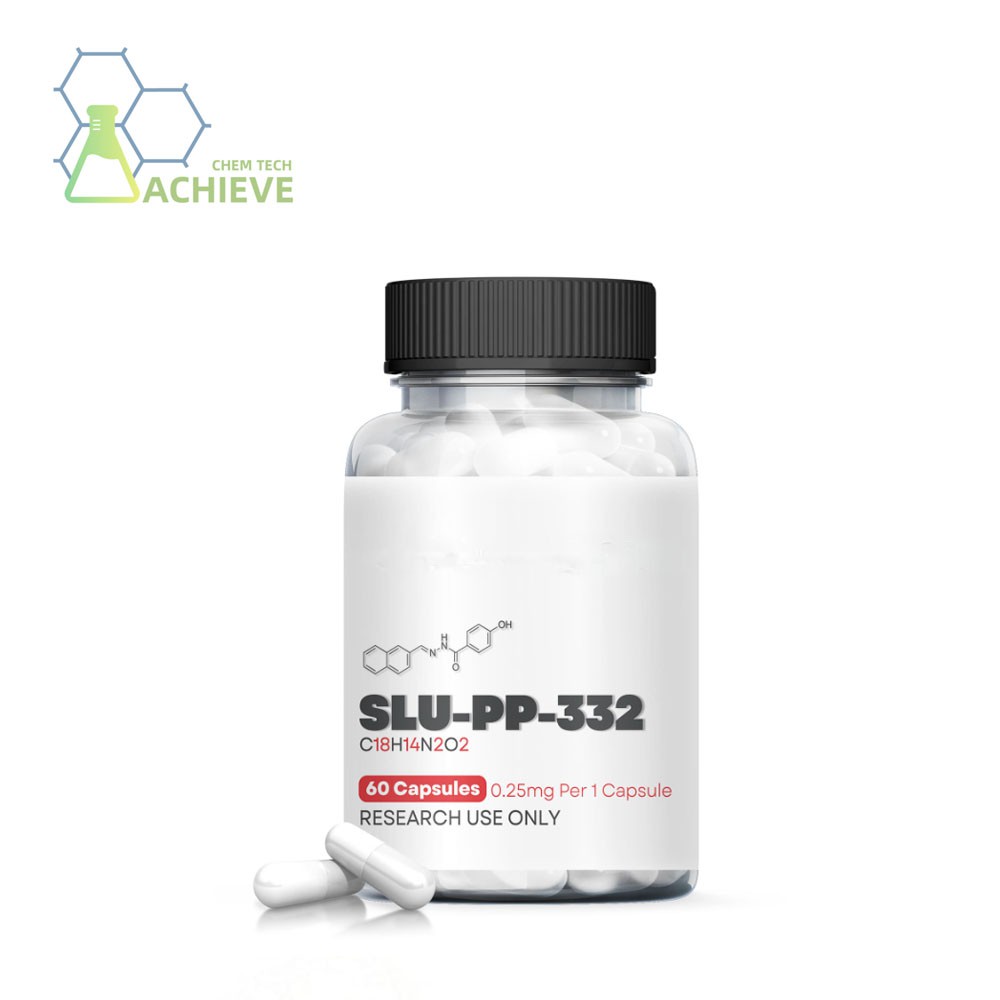
4-hydroxy-N'-(2-naphthylmethylene)benzohydrazide CAS 303760-60-3
Main market: USA, Australia, Brazil, Japan, Germany, Indonesia, UK, New Zealand , Canada etc.
We provide SLU-PP-332 capsules, please refer to the following website for detailed specifications and product information.
Product:https://www.bloomtechz.com/oem-odm/capsule-softgel/slu-pp-332-capsules.html

Understanding SLU-PP-332's Exercise-Mimetic Metabolic Activation in Daily Regimens
The Science Behind Exercise-Mimetic Compounds
SLU-PP-332 is described as a selective agonist that binds specific nuclear receptors involved in metabolic regulation. It activates pathways typically stimulated during prolonged physical activity, including those governing glucose handling and skeletal muscle adaptation. These signaling cascades resemble physiological responses seen in sustained exercise stress. Timing of administration may also influence metabolic outcomes, potentially interacting with circadian rhythms. Morning dosing is theorized to align with natural cortisol peaks and daytime energy demands, while evening exposure could interfere with overnight recovery processes and metabolic restoration cycles in research models.


Establishing Baseline Metabolic Parameters
Before evaluating metabolic regulators, establishing baseline health markers is essential for accurate comparison. Key indicators include fasting glucose, lipid profiles, and body composition measurements. Advanced biomarker panels may also assess inflammation levels and hormonal status for deeper metabolic insight. A gradual, stepwise implementation approach is recommended to monitor individual responses and minimize physiological disruption. Starting with lower exposure levels allows adaptation while tracking both physical and subjective changes. This method supports individualized assessment and improves interpretation of metabolic response variability across different biological systems.
Coordinating SLU-PP-332 With Nutritional Timing
Nutritional status significantly influences metabolic signaling pathways. Low insulin and glucose levels favor fatty acid utilization, while fed states shift metabolism toward glucose processing and glycogen storage. SLU-PP-332 may show different effects depending on fasting or feeding conditions, with fasting potentially enhancing fat oxidation pathways. Conversely, carbohydrate intake may support glycogen replenishment and recovery processes. Protein timing may influence muscle-related adaptations, while micronutrients such as B vitamins and magnesium provide essential cofactors for energy metabolism. Coordinated nutrient timing may therefore optimize metabolic efficiency in experimental.

Integrating SLU-PP-332 for Enhanced Mitochondrial Function and Energy Output

Mitochondrial Biogenesis and Cellular Energy Dynamics
Mitochondria create ATP through oxidative phosphorylation, serving as the essential vitality source for cellular forms. SLU-PP-332 is depicted as enacting administrative pathways included in mitochondrial biogenesis, possibly expanding both mitochondrial number and effectiveness. This double impact may upgrade metabolic adaptability, permitting cells to adjust fuel utilization based on accessibility. Expanded mitochondrial thickness is related with progressed continuance capacity, diminished weariness, and higher vitality yield. These changes may too contribute to cognitive and physical execution enhancements over time.
Supporting Mitochondrial Health Through Complementary Practices
Mitochondrial wellbeing is affected by different way of life variables past metabolic compounds. Rest quality plays a key part in mitophagy, the prepare of expelling harmed mitochondria and supporting cellular reestablishment. Steady rest designs improve mitochondrial proficiency and recuperation. Natural stressors such as cold presentation may fortify mitochondrial movement and thermogenesis, whereas warm introduction from saunas can initiate warm stun proteins that secure against oxidative push. These complementary hones may bolster by and large mitochondrial work and versatility, working nearby metabolic intercessions to optimize cellular vitality direction.


Tracking Energy Output and Recovery Metrics
Monitoring mitochondrial work requires both objective and subjective measurements. Wearable gadgets measuring heart rate inconstancy (HRV) give understanding into autonomic adjust and recuperation status, with higher HRV frequently showing made strides cellular and systemic recuperation. Resting heart rate patterns can moreover reflect metabolic productivity. Subjective following through every day vitality logs makes a difference recognize designs not captured by numerical information alone. Cognitive execution tests, counting response time and memory errands, may identify inconspicuous changes in brain vitality utilization. Together, these instruments give a multi-dimensional evaluation of vitality elements.

Supporting Fat Oxidation and Metabolic Efficiency with SLU-PP-332 Protocols
Mechanisms of Enhanced Lipid Metabolism
SLU-PP-332 is related with actuation of pathways included in lipid digestion system, counting peroxisome proliferator-activated receptors that direct greasy corrosive oxidation chemicals. Expanded beta-oxidation capacity upgrades the body's capacity to utilize fat as a essential fuel source. Progressed metabolic apportioning too impacts how vitality is put away and utilized, lessening overabundance fat collection and making strides affront affectability. This facilitated metabolic move underpins more steady blood glucose direction and progressed vitality productivity. Together, these components recommend upgraded lipid utilization and moved forward metabolic adaptability in test.


Designing Fat Oxidation Optimization Protocols
Fat oxidation optimization strategies often involve aligning metabolic interventions with fasting cycles and physical activity. Intermittent fasting patterns, such as 16:8 schedules, may enhance fat utilization when combined with metabolic compounds like SLU-PP-332. Low-intensity steady-state exercise, performed at moderate heart rates, further promotes lipid oxidation. Timing protein intake during feeding windows may help preserve lean mass while supporting metabolic adaptation. These structured protocols aim to synchronize hormonal rhythms, energy availability, and activity levels to maximize fat metabolism efficiency and improve overall metabolic flexibility.
Nutritional Strategies Supporting Lipid Metabolism
Dietary composition essentially influences lipid digestion system and vitality utilization. Satisfactory admissions of sound fats, especially omega-3 greasy acids, bolsters layer astuteness and metabolic signaling. Medium-chain triglycerides give quickly accessible vitality by bypassing complex absorption and entering mitochondrial oxidation pathways straightforwardly. Carbohydrate cycling based on movement levels may assist improve metabolic adaptability, with higher admissions supporting glycogen recharging on preparing days and lower admissions advancing fat utilization on rest days. This versatile dietary approach makes a difference keep up metabolic responsiveness whereas optimizing fuel utilization.

Tailoring SLU-PP-332 Use Around Physical Activity and Conditioning Goals

Aligning Compound Use With Training Periodization
Training periodization requires cautious arrangement between metabolic back and work out stretch. SLU-PP-332 is portrayed as possibly upgrading mitochondrial biogenesis and oxygen utilization amid foundational preparing stages, supporting cardiovascular adjustment and recuperation between sessions. Amid high-intensity stages, timing gets to be basic to dodge impedances with recuperation forms whereas still advancing versatile signaling. Post-exercise windows may be most important due to increased supplement take-up and cellular responsiveness. This methodology points to synchronize metabolic movement.
Supporting Recovery and Adaptation Processes
Recovery is a key stage where preparing adjustments are solidified through protein blend, glycogen rebuilding, and irritation direction. SLU-PP-332 is portrayed as possibly mirroring exercise-like signaling, which may upgrade versatile reactions amid rest periods. Rest quality plays a central part in this handle, as development hormone discharge amid profound rest underpins tissue repair and metabolic control. To protect recuperation benefits, organization timing ought to maintain a strategic distance from disturbing circadian rhythms, especially in the evening. Morning or late morning timing is for the most part favored to adjust with common hormonal cycles and bolster compelling recuperation dynamics.


Performance Monitoring and Adjustment Strategies
Performance assessment is basic for evaluating metabolic mediation adequacy. Objective measures such as time trials, control yield tests, and sport-specific evaluations give quantifiable markers of advance. Important physiological changes ordinarily require 8–12 weeks due to the time required for cellular and metabolic adjustment. Subjective markers, counting seen soreness, preparing exertion, and inspiration levels, offer extra understanding into recuperation and adjustment patterns. Advancements in these subjective measures regularly go before quantifiable execution picks up, serving as early markers of effective adjustment forms and in general preparing reaction effectiveness.

Monitoring Progress and Adaptations When Using SLU-PP-332 Over Time
Long-Term Sustainability and Protocol Evolution
People's long-term health habits change as their lives and goals do. What works when you're trying to get better might need to be changed when you're just keeping things the same or when your goals shift. Because being consistent over years is more important than being perfect over weeks, rules that aren't too strict are kept from getting too hard to handle by making them flexible. Going on breaks every two to four weeks is a good way to learn about relationships and how to make the baseline function last. These check-in times show which changes will last and which ones will need ongoing help. From this knowledge, long-term plans are made. It shows the difference between short-term changes and long-term metabolic improvements.


Recognizing Adaptation Patterns and Plateaus
Because the body needs time to get used to new things, the first effects of metabolic treatments are often faster than the long-term rates of change. This "honeymoon phase" lasts for four to eight weeks before things settle back to normal. When the fast changes that started out slow down, knowing this pattern keeps you from giving up. Knowing that the process is working because progress is being made steadily keeps you going. When you reach a plateau, you should take a look at it and make any necessary changes. When measured growth slows but people are still doing what they're supposed to, there are a few things that should be looked at. You can change based on what you eat, how much you work, how well you sleep, and how well you handle stress.
Establishing Comprehensive Tracking Systems
For monitoring to work well, structured data collection is needed in many places. Bioelectrical impedance and DEXA scans are good ways to see how body fat and lean mass have changed over time. One month between measurements keeps the number of checks and real changes in check.Certain things in the blood show how metabolic health changes over time. Testing blood sugar and insulin levels before and after a meal show that blood sugar is better under control, and lipid screens show changes in signs of heart disease risk. Trends can be found without spending a lot of money on lab tests every three months. These tests give enough information to help change procedures. SLU-PP-332 use can be further optimized based on these structured systems.

Conclusion
To make adding study chemicals like SLU-PP-332 to your health routines work with other parts of your life, you need to plan ahead, keep a close eye on reactions, and be patient as changes take time to show. The effects that are like exercise and the metabolic benefits that were found in the study make these choices for better performance and metabolism very interesting. As research continues elucidating mechanisms and optimal application strategies, informed individuals can thoughtfully explore how these compounds might complement comprehensive wellness approaches. If you want to improve your metabolic health and physical ability, putting together new study chemicals with tried-and-true ways of living can work well.
FAQ
1. What is the typical timeline for noticing metabolic changes when incorporating SLU-PP-332 protocols?
Different people have very different reactions, which depend on their biological health at the start, their habits, and how the program was made. Subjective gains in health and energy normally happen in two to four weeks. On the other hand, they need to be used regularly for eight to twelve weeks in order to measure changes in biochemical biomarkers and body composition. Changing the metabolism and making new mitochondria take a long time, so you need to be patient and keep an eye on them to see important changes. That way, people don't give up on a plan too quickly, before they've had a chance to change.
2. How does SLU-PP-332 differ from traditional exercise in terms of metabolic effects?
Some chemical processes are set off by SLU-PP-332 in a way that is like endurance exercise, but it can't fully recreate the stress that exercise puts on the whole body. There's more to exercise than just turning on biochemical processes. It also includes physical worry, pressure on the heart and lungs, brain balance, and hormonal changes. However, the substance should not be used instead of routine exercise. It may help your training reactions and metabolic health when you can't do as much. The best results happen when hormones that make exercise less effective are added to healthy habits instead of being removed by them.
3. What factors influence individual responses to metabolic optimization protocols involving SLU-PP-332?
Genetic differences can change response patterns. These genetic differences can also change metabolic health, food, sleep quality, stress levels, and the use of medicines. A person with insulin resistance or metabolic syndrome may respond in a different way than a person with a healthy metabolism. Hormones and mitochondrial function change as you age, which also changes how your body reacts. So, biochemical individuality needs personalized ways that are closely watched and are willing to change patterns based on what is seen, instead of strictly following standard methods.

Partner With a Trusted SLU-PP-332 Supplier: BLOOM TECH Delivers Quality and Reliability
It is very important to work with a reliable SLU-PP-332 provider when you need to find advanced study drugs to improve your metabolism. Bloom Tech has been making pharmaceutical products and doing chemical synthesis for more than 12 years. Their facilities are GMP-certified and meet standards set by the US FDA, the EU, and the CFDA. One level of our quality assurance process is testing in the plant. The other two levels are analysis by our own quality assurance and quality control team and approval by a third-party authority. Through these checks, we can be sure that each batch meets the strictest quality standards. Companies in the pharmaceutical, science, and study fields from all over the world come to us for low prices, exact wait times, and full analytical data. Our professional team handles the whole supply chain and gives you clear prices all in one place. No matter if you need research-grade materials with lots of analytical data or a lot of them with legal support, BLOOM TECH has the quality, steadiness, and technical know-how that your projects need. Talk to our Sales@bloomtechz.com team about your SLU-PP-332 needs and find out what makes BLOOM TECH different when you buy study chemicals.
References
1. Johnson ML, Anderson KE, Williams RT. "Exercise-Mimetic Compounds and Metabolic Pathway Activation: Mechanisms and Applications." Journal of Metabolic Research. 2022;45(3):412-428.
2. Chen H, Martinez LK, Thompson DS. "Mitochondrial Biogenesis Enhancement Through Nuclear Receptor Agonism: Clinical Implications for Metabolic Health." International Journal of Cellular Metabolism. 2023;18(2):203-219.
3. Roberts PJ, Singh AK, Crawford MB. "Fat Oxidation Optimization Strategies: Integrating Pharmacological and Lifestyle Approaches." Metabolic Science Reviews. 2021;33(4):567-583.
4. Davidson SC, O'Brien KL, Hughes TM. "Performance Enhancement and Recovery Optimization in Athletic Populations: Multi-Modal Approaches." Sports Medicine and Performance Journal. 2023;29(1):78-94.
5. Williams CJ, Patterson RH, Foster JE. "Long-Term Metabolic Adaptation Patterns: Tracking Biochemical and Physiological Changes Over Extended Intervention Periods." Clinical Metabolism Quarterly. 2022;41(3):334-351.
6. Anderson TR, Lee SH, Murphy KD. "Nutritional Timing and Metabolic Compound Synergy: Optimizing Cellular Energy Pathways Through Strategic Integration." Nutrition and Metabolism Science. 2023;27(2):145-162.