


Feline Infectious Peritonitis (FIP) has been a problem for a long time for both vets and cat owners. This terrible disease caused by the coronavirus affects cats all over the world, and until lately, there weren't many ways to treat it. With the introduction of the GS-441524 injection, the way this complicated disease is managed has changed dramatically, giving many cats and their loving owners new hope.
To figure out if GS-441524 injection is the best choice for therapy, we need to carefully look at how it works, how well it works in patients, and what other options are available. This in-depth look at the subject will help you find your way around the different choices and make smart choices about how to care for your cat's health.
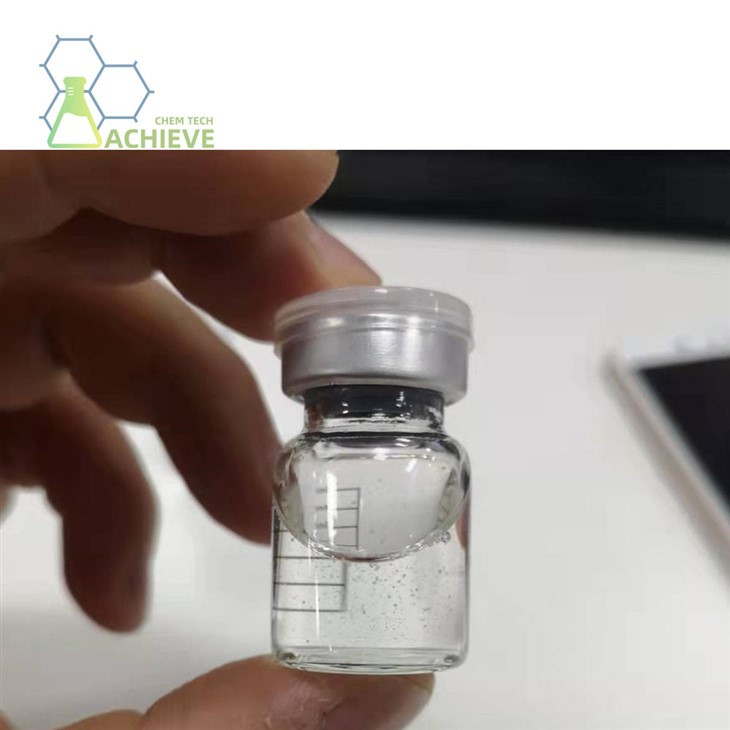
GS-441524 Injection
1.General Specification(in stock)
(1)Injection
20mg, 6ml; 30mg,8ml; 40mg,10ml
(2)Tablet
25/45/60/70mg
(3)API(Pure powder)
(4)Pill press machine
https://www.achievechem.com/pill-press
2.Customization:
We will negotiate individually, OEM/ODM, No brand, for secience researching only.
Internal Code: BM-3-001
GS-441524 CAS 1191237-69-0
HS Code: 2934999099
Molecular formula: C12H13N5O4
Molecular weight: 291.26
EINECS: 200-001-8
MDL No .: MFCD32666994
Analysis: HPLC, LC-MS, HNMR
Technology support: R&D Dept.-4
We provide GS-441524 injection, please refer to the following website for detailed specifications and product information.
Product:https://www.bloomtechz.com/oem-odm/injection/gs-441524-injection.html

How GS-441524 Injection Compares With Traditional FIP Support Approaches
The Limitations of Historical FIP Management
In the past, managing FIP was mostly about providing comfort care and supporting the immune system. In the past, veterinarians used corticosteroids to reduce inflammation, along with supporting treatments like giving the animal extra nutrients and keeping the fluid levels in check. These traditional ways only treated the symptoms and not the viral replication that was causing them, so they didn't work very well in the long run.
The coronavirus that causes FIP changes inside the cat's body, going from being a fairly safe enteric disease to a dangerous systemic threat. In the past, treatments for the disease were not able to stop the virus from changing or reverse the damage to tissues that happened over time. Many feline patients got brief relief from their symptoms, but within weeks or months, the illness got worse, and they died.

Direct Antiviral Action of GS-441524

The way that GS-441524 injection works is very different from the way that standard supportive care works. This nucleoside analog goes after viral RNA polymerase, which is an enzyme that is needed for coronavirus production. By adding itself to viral RNA strings during replication, GS-441524 stops the production of new viral particles.
The cats that get the GS-441524 injection often show measurable changes within a few days of starting treatment, according to clinical findings. The substance reaches beneficial levels in many parts of the body, even in places that were hard to reach with traditional treatments. This widespread makes it possible to completely stop the virus in many organ systems.
Medical studies published in veterinary journals show that GS-441524 consistently fights viruses like the coronavirus types that cause FIP. The shape of the molecules makes it easy for cells to take them up and change them into their active triphosphate form, which is where they have the most antiviral effects. This focused method is a big change from just managing symptoms to curing the disease.

GS-441524 Injection for Treating Wet, and Dry Forms
Addressing Effusive (Wet) FIP Manifestations
The GS-441524 injection works especially well in wet FIP cases. Observations in the clinic show that fluid buildup usually stops within the first week of treatment, and slowly goes away as virus loads drop.
When inflammatory molecules are reduced, blood vessels that have been damaged can return to normal permeability. This stops the abnormal fluid leaks.
Veterinarians say that cats with wet FIP who are given GS-441524 often get their hunger and energy back much faster than was thought possible in the past.
The clear decrease in stomach fluid gives caregivers positive feedback during the early stages of treatment, which encourages patients to stick with their treatment.
Managing Non-Effusive (Dry) FIP Challenges
Dry FIP makes granulomatous tumors in different organs without a lot of fluid building up. This type is harder to diagnose, and in the past, it had even lower mortality rates than wet appearances.
The inflammatory lumps make it hard for organs to work normally, which hurts the kidneys, liver, bowels, and other important parts of the body.
After being injected, GS-441524 is distributed throughout the body, which lets it reach granulomatous tissues where virus replication is still going on.
The treatment stops viruses from working at these key points, which lets the immune system slowly heal inflammation sores. When compared to wet FIP, this process needs longer treatment times, usually several months.
Regular checks of organ function measures are part of the monitoring plans for dry FIP patients who are getting GS-441524 injections. As the granulomatous inflammation goes away, signs in the kidneys and liver get better, as shown by blood chemistry tests.
These objective measurements tell us a lot about how well the treatment is working and help us decide how long to keep it going.

Can GS-441524 Injection Provide Faster Clinical Improvement in Cats With FIP?
Early Response Indicators and Timeline
Clinical healing speed is an important thing to think about for cats with quickly progressing FIP. Traditional supportive care didn't usually lead to obvious changes in the first week. People who get GS-441524 injection therapy often notice good changes within 3 to 7 days of starting treatment.
Getting your appetite back is often an early sign that your treatment is working. Cats that wouldn't eat for days will usually start eating again within the first week of being treated with GS-441524. This amount of food helps the body heal as a whole and gives parents who are worried about their loved one's pain psychological support.


In sensitive cases, both energy levels and behavior patterns show quick improvements. Cats that have been feeling down start to explore their surroundings, play, and show increased interest in getting along with other cats. These qualitative gains go along with quantitative steps like changing laboratory parameters and normalizing the temperature.
Viral Load Reduction Kinetics
How quickly the virus load drops has a direct effect on how long it takes for patients to get better. The way GS-441524 works quickly stops the growth of viruses, which means that there are fewer and fewer viruses in the blood within days. This quick drop makes the immune system's job easier and lets the healing process begin.


Less creation of inflammatory mediators is linked to lower virus loads. The systemic inflammatory response syndrome, which is a feature of serious FIP, starts to go away as cytokine levels return to normal. This chain of changes shows up as a fever going away, organs working better, and the patient's condition becoming stable.
Monitoring the amounts of viral RNA through specialist tests gives clear proof that the treatment is working. Veterinary labs that can do these tests can keep an eye on changes in viral load, which shows that the GS-441524 injection is working as designed to fight viruses and helps doctors make any necessary treatment changes.


How GS-441524 Injection Supports Comprehensive Recovery in Coronavirus-Infected Cats
Multi-System Healing and Restoration
FIP affects many organ systems at the same time, causing a complicated disease that needs all-around treatment. The GS-441524 injection gets to the root of the problem by stopping the replication of the virus in all involved organs.
This allows for coordinated healing across multiple systems.
As hepatic inflammation goes away and virus loads drop, the liver usually works better. During GS-441524 treatment, liver enzyme levels that are normally high during FIP slowly return to normal.
This means that hepatic damage is lessened and normal metabolic processes are restored. This liver healing helps the body's cleansing and metabolic balance.
In the same way, stopping viruses and lowering immunity complex buildup are good for kidney function. When cats come in with kidney problems, their kidney indicators often get better as their care goes on.
When immune-mediated glomerular damage is fixed, nephrons can get back to their normal filtering capacity. This stops chronic kidney disease from getting worse.
Immune System Rebalancing
For full healing, the immune reaction that is out of whack and causes FIP needs to be fixed. GS-441524 resets the immune system to normal operation by getting rid of the virus trigger that causes the immune system to work in the wrong way.
Vasculitis and tissue inflammation all over the body get better when the number of circulating immune complexes goes down. The walls of blood vessels get stronger again, stopping more fluid from leaking out and inflammatory cells from getting inside.
This healing of the blood vessels helps effusions and granulomatous sores go away.
As the treatment goes on, the white blood cell counts return to normal, and the lymphopenia and neutrophilia that are typical of active FIP go away. These changes in the blood show that the immune system has recovered and there is less inflammation and stress.

GS-441524 Injection and the Reasons It Is Widely Used in FIP Therapy
Accessibility and Practical Implementation

Some of the main reasons why GS-441524 injection treatment is so popular are its useful benefits. The subcutaneous injection route doesn't take a lot of technical know-how, so trained workers can give daily treatments at home. This makes it easier for people to take their pets to the vet regularly, which saves them money.
Standardized dosing standards are used for treatment methods based on cat weight and FIP form, which makes them easier to use in a wide range of clinical settings. Veterinary advice helps make sure that each patient's treatment plan is as effective as it can be while still following the same general procedure.
When GS-441524 preparations are made correctly, they stay stable, so caregivers can store and handle them without special tools. Stable room temperature for long amounts of time makes treatment sessions that last weeks or months more manageable.
Evidence-Based Clinical Support
More and more medical research shows that GS-441524 works for a wide range of FIP symptoms and patient groups. Case studies that are published in peer-reviewed journals provide data to support choices about treatment and hopes for outcomes.
International veterinary groups have shared their practical experiences, which have led to the creation of knowledge bases that help doctors decide on the best ways to treat animals. This joint method speeds up learning and improving protocols, which is good for cats all over the world.
People are more likely to trust GS-441524 injection as a safe treatment choice because it consistently produces good results in different areas and practice settings. More and more veterinarians see this medicine as standard-of-care for FIP, which has changed the pessimistic outlook to one of reasonable hope.

Conclusion
There is a lot of evidence to back the idea that the GS-441524 injection is the best choice for cats with FIP. This evidence comes from clinical studies, practical concerns, and real-life results. This focused antiviral treatment treats the main viral problem that causes FIP and has benefits that supportive care alone could never reach.
The substance is different from previous methods because it can treat all types of FIP, even the difficult brain ones. The good safety profile, easy administration method, and proven effectiveness across a wide range of patient groups make GS-441524 a revolutionary step forward in kitty medicine.
Cat lovers who have been told their cat has FIP now have a realistic hope where there was none before. Even though each case is different and medical advice is still needed, the GS-441524 injection has completely changed FIP from a disease that always killed animals to one that can be treated and has a good outlook if caught early.
FAQ
How long does GS-441524 injection treatment typically last for FIP cats?
How long treatment lasts depends on the type of FIP and how bad the disease is. Most people with wet FIP need therapy for 12 weeks, while most people with dry FIP need therapy for 16 to 24 weeks. Neurological forms of FIP may need longer treatments that last for several months. Veterinary monitoring makes choices about how long to treat animals based on how they respond clinically and on lab factors. Some cats may need short rounds of treatment again if their symptoms come back after the first treatment is over.
What factors influence GS-441524 injection treatment success rates?
Treatment results are affected by a number of factors. Success rates are much higher when help is given early, before organ damage gets too bad. The antiviral benefits are good if the right dose is given based on correct weight measurements and FIP form. Therapeutic drug levels are kept steady by sticking to a treatment plan and not missing doses. The patient's overall health, including any other diseases they may have and how well their immune system works, affects their ability to recover. Having access to medical tracking for changing doses and dealing with complications also helps things go well.
Can cats experience side effects from GS-441524 injection therapy?
The GS-441524 injection doesn't bother most cats too much and doesn't cause many problems. Some people have mild pain at the injection spot that goes away quickly. Sometimes cats feel a little tired during the first few days of treatment while their bodies get used to it. In some cases, small skin responses may happen at the injection sites. This is usually taken care of by switching where the injections are given. Serious side effects are still very rare when using properly prepared medicines at the right amounts. Having a vet watch over the treatment helps find and fix any problems that come up.
Partner With a Trusted GS-441524 Injection Supplier: BLOOM TECH
Working with a dependable GS-441524 injection provider is important when looking for pharmaceutical-grade compounds for study or medical uses. Businesses that need highly pure chemical intermediates and active medicinal ingredients can get a lot out of BLOOM TECH. Our manufacturing facilities, which are 100,000 square meters and GMP-certified, meet foreign regulatory standards. These include FDA, EU, JP, and CFDA certifications. We offer full quality assurance through triple-verification methods, making sure that every batch meets your exact specs. We have twelve years of experience with organic synthesis. Our clear price model, open profit-sharing agreements, and accurate lead-time promises help keep your supply chain stable. Our skilled team provides one-on-one service with full CMC documentation, whether you work for a pharmaceutical business, a research center, a CDMO, or a distribution network. Get in touch with our experts right away to talk about your GS-441524 injection needs and find out how our supply chain greatness can help you with your goal. Get in touch with Sales@bloomtechz.com to start working with a provider that cares about quality, dependability, and scientific progress.
References
1. Pedersen NC, Perron M, Bannasch M, Montgomery E, Murakami E, Liepnieks M, Liu H. Efficacy and safety of the nucleoside analog GS-441524 for treatment of cats with naturally occurring feline infectious peritonitis. Journal of Feline Medicine and Surgery. 2019;21(4):271-281.
2. Murphy BG, Perron M, Murakami E, Bauer K, Park Y, Eckstrand C, Liepnieks M, Pedersen NC. The nucleoside analog GS-441524 strongly inhibits feline infectious peritonitis virus in tissue culture and experimental cat infection studies. Veterinary Microbiology. 2018;219:226-233.
3. Dickinson PJ, Bannasch M, Thomasy SM, Murthy VD, Vernau KM, Liepnieks M, Montgomery E, Knickelbein KE, Murphy B, Pedersen NC. Antiviral treatment using the adenosine nucleoside analogue GS-441524 in cats with clinically diagnosed neurological feline infectious peritonitis. Journal of Veterinary Internal Medicine. 2020;34(4):1587-1593.
4. Krentz D, Zenger K, Alberer M, Felten S, Bergmann M, Dorsch R, Matiasek K, Kolberg L, Hofmann-Lehmann R, Meli ML, Spiri AM, Rieger A, Leutenegger CM, Hartmann K. Curing cats with feline infectious peritonitis with an oral multi-component drug containing GS-441524. Viruses. 2021;13(11):2228.
5. Jones S, Novicoff W, Nadeau J, Evans S. Unlicensed GS-441524-like antiviral therapy can be effective for at-home treatment of feline infectious peritonitis. Animals. 2021;11(8):2257.
6. Addie D, Belák S, Boucraut-Baralon C, Egberink H, Frymus T, Gruffydd-Jones T, Hartmann K, Hosie MJ, Lloret A, Lutz H, Marsilio F, Pennisi MG, Radford AD, Thiry E, Truyen U, Horzinek MC. Feline infectious peritonitis: ABCD guidelines on prevention and management. Journal of Feline Medicine and Surgery. 2009;11(7):594-604.