


A lot of people have been talking about semaglutide recently since it is a new and exciting medicine for controlling diabetes and losing weight. To keep semaglutide powder effective and safe for research and healthcare workers to use, it is essential to know how to store it. Learn everything you need to know about semaglutide powder storage in this detailed guide. We'll cover the chemical qualities, environmental considerations, and recommended practices that will keep your powder stable and effective.
| 1.We supply (1)Tablet (2)Gummies (3)Capsule (4)Spray (5)API(Pure powder) (6)Pill press machine https://www.achievechem.com/pill-press 2.Customization: We will negotiate individually, OEM/ODM, No brand, for secience researching only. Internal Code: BM-2-4-008 Semaglutide CAS 910463-68-2 Analysis: HPLC, LC-MS, HNMR Technology support: R&D Dept.-4 |
|

Analysis of the Chemical Properties Affecting Semaglutide Powder Stability
To grasp the importance of proper storage for semaglutide powder, it's essential to understand its chemical composition and the factors that can impact its stability. Semaglutide is a complex peptide molecule, and its structural integrity is vital for its therapeutic effects.

Molecular Structure and Stability Considerations
Semaglutide is a glucagon-like peptide-1 (GLP-1) receptor agonist, consisting of a 31-amino acid peptide sequence. The molecule's stability is influenced by several factors:
Peptide bond vulnerability: The amide bonds connecting amino acids can be susceptible to hydrolysis, especially in the presence of moisture or extreme pH conditions.
Disulfide bridges: Semaglutide contains a disulfide bond that is crucial for its three-dimensional structure and biological activity. Oxidative stress can disrupt these bonds, leading to loss of potency.
Side chain reactivity: Certain amino acid side chains in semaglutide are prone to oxidation or other chemical modifications, which can alter the molecule's properties.
Environmental Factors Impacting Semaglutide Powder
Several environmental elements can affect the stability of semaglutide powder for sale:
Temperature: Heat can accelerate chemical reactions and protein denaturation, potentially compromising semaglutide's structure and efficacy.
Humidity: Moisture exposure can lead to hydrolysis of peptide bonds and promote microbial growth.
Light: UV and visible light can induce photochemical reactions, potentially causing degradation of sensitive amino acid residues.
Oxygen: Oxidative processes can damage the peptide structure, particularly affecting disulfide bonds and certain amino acid side chains.
Understanding these chemical properties and environmental factors is crucial for developing appropriate storage strategies for semaglutide powder.

The Mechanism of Storage Conditions on the Potency of Semaglutide Powder
The storage conditions of semaglutide powder play a pivotal role in maintaining its potency and ensuring its therapeutic efficacy. Let's explore how various storage parameters influence the stability and activity of this valuable medication.

Temperature Control and Its Impact
Temperature is a critical factor in preserving the integrity of semaglutide powder:
Optimal temperature range: Generally, semaglutide powder should be stored at controlled room temperature, typically between 20°C to 25°C (68°F to 77°F).
Cold chain requirements: Some formulations may require refrigeration at 2°C to 8°C (36°F to 46°F) to maintain stability.
Freeze-thaw cycles: Avoiding temperature fluctuations is crucial, as repeated freezing and thawing can lead to physical and chemical degradation of the peptide.
Maintaining consistent temperature conditions helps prevent thermal degradation and ensures the powder remains stable over time.
Humidity Control and Moisture Protection
Controlling humidity is essential for preserving semaglutide powder integrity:
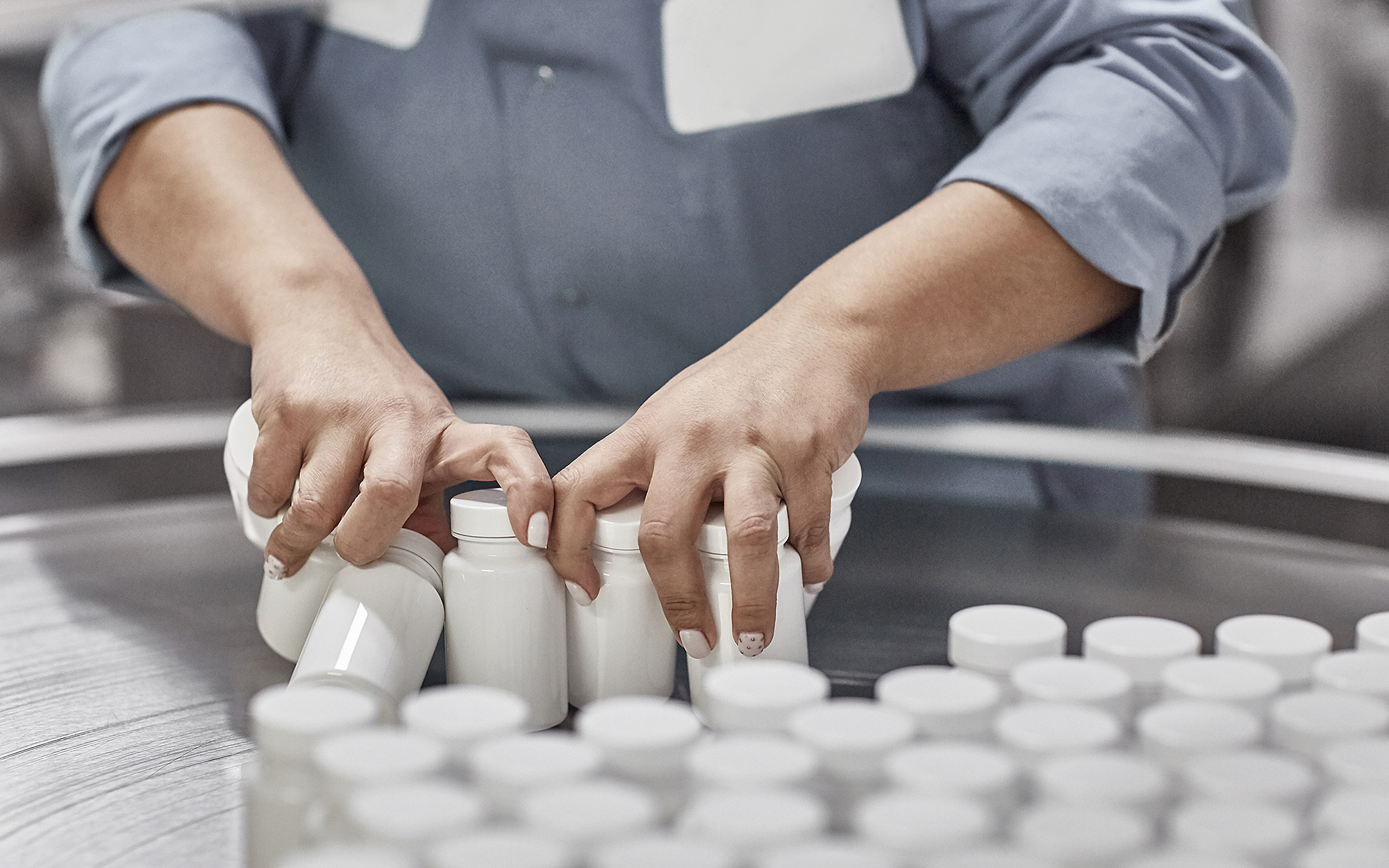
Moisture-proof packaging: Utilizing moisture-resistant containers or desiccant-lined packaging helps protect the powder from humidity.
Relative humidity limits: Ideally, it should be stored in environments with relative humidity below 60%.
Hygroscopic nature: Semaglutide powder can absorb moisture from the air, potentially leading to clumping or degradation if not properly protected.
By implementing effective moisture control measures, the risk of hydrolysis and other moisture-induced degradation processes can be minimized.

Light Protection Strategies
Shielding semaglutide powder from light exposure is crucial for maintaining its stability:
Opaque containers: Storing the powder in light-resistant, amber-colored vials or opaque packaging helps prevent photodegradation.
UV-filtered storage areas: Ensuring storage locations are protected from direct sunlight and UV radiation helps maintain product integrity.
Minimizing exposure: Limiting the time the powder is exposed to light during handling and processing is important for preserving its potency.
By implementing these light protection strategies, the risk of photochemical degradation can be significantly reduced, helping to maintain the efficacy of semaglutide powder over time.
Scientific Basis for Determining the Shelf Life of Semaglutide Powder
Establishing the shelf life of semaglutide powder is a critical aspect of ensuring its safety and efficacy throughout its intended use period. The scientific determination of shelf life involves rigorous stability testing and analysis of degradation kinetics.
Stability Testing Protocols
Stability testing for semaglutide powder typically involves the following steps:
Real-time stability studies: Samples are stored under recommended conditions and tested at regular intervals over an extended period.
Accelerated stability testing: Powder is exposed to elevated temperatures and humidity to predict long-term stability in a shorter timeframe.
Stress testing: Samples are subjected to extreme conditions to identify potential degradation products and mechanisms.
These comprehensive testing protocols provide valuable data on the powder's behavior under various environmental conditions, helping to establish reliable shelf-life estimates.
Analytical Methods for Assessing Semaglutide Stability
Several analytical techniques are employed to evaluate the stability of semaglutide powder:
High-Performance Liquid Chromatography (HPLC): Used to quantify the active ingredient and detect potential degradation products.
Mass Spectrometry: Helps identify and characterize degradation products at the molecular level.
Peptide Mapping: Provides information on potential chemical modifications or cleavages in the peptide sequence.
Circular Dichroism: Assesses changes in the secondary structure of the peptide over time.
These analytical methods offer a comprehensive view of the powder's stability profile, enabling accurate determination of its shelf life.
Analysis of Degradation Products from Improper Storage of Semaglutide Powder
Understanding the potential degradation products that can form when semaglutide powder is improperly stored is crucial for maintaining product quality and safety. This analysis helps identify storage-related issues and informs proper handling procedures.
Common Degradation Pathways
Semaglutide powder can undergo several degradation pathways if not stored correctly:
Hydrolysis: Peptide bond cleavage can occur in the presence of moisture, leading to fragmentation of the molecule.
Oxidation: Certain amino acid residues, particularly methionine and cysteine, are susceptible to oxidation, which can alter the peptide's structure and function.
Deamidation: Asparagine and glutamine residues can undergo deamidation, potentially affecting the peptide's stability and biological activity.
Aggregation: Improper storage conditions can promote the formation of protein aggregates, reducing the active concentration of semaglutide.
Identifying these degradation pathways helps in developing targeted strategies to prevent or minimize their occurrence during storage.
Analytical Techniques for Degradation Product Identification
Several sophisticated analytical methods are used to identify and characterize degradation products in semaglutide powder for sale:
Liquid Chromatography-Mass Spectrometry (LC-MS): Provides detailed structural information on degradation products, allowing for their precise identification.
Nuclear Magnetic Resonance (NMR) Spectroscopy: Offers insights into structural changes at the atomic level, helping to elucidate degradation mechanisms.
Size Exclusion Chromatography (SEC): Useful for detecting and quantifying protein aggregates that may form during storage.
Capillary Electrophoresis: Helps separate and identify charged degradation products based on their electrophoretic mobility.
These analytical techniques provide a comprehensive picture of the degradation products that may form under various storage conditions, informing the development of robust storage guidelines.
Standard Operating Procedures for Ensuring Semaglutide Powder Stability
Implementing standardized procedures for handling and storing semaglutide powder is essential for maintaining its stability and potency. These standard operating procedures (SOPs) help ensure consistency and quality across different batches and storage locations.
Storage Environment Controls
Maintaining a controlled storage environment is crucial for preserving semaglutide powder stability:
Temperature monitoring: Implement continuous temperature monitoring systems with alarms to detect any deviations from the specified range.
Humidity control: Use dehumidifiers or humidity-controlled storage areas to maintain optimal relative humidity levels.
Light protection: Store powder in designated dark areas or use light-protective packaging to minimize photodegradation.
Air quality: Ensure storage areas have proper ventilation and air filtration to minimize exposure to airborne contaminants.
By strictly controlling these environmental factors, the risk of degradation can be significantly reduced, helping to maintain the powder's quality over time.
Handling and Dispensing Protocols
Proper handling procedures are essential to maintain the integrity of semaglutide powder during use:
Personal protective equipment: Require the use of gloves, masks, and appropriate lab attire when handling the powder to prevent contamination.
Clean room practices: Implement clean room protocols for weighing and dispensing to minimize exposure to environmental contaminants.
Single-use aliquots: Prepare single-use aliquots to minimize repeated opening of the main storage container.
Documentation: Maintain detailed records of handling procedures, including dates, personnel involved, and any observed anomalies.
These handling protocols help minimize the powder's exposure to potentially degrading factors and ensure its integrity throughout its use.
Conclusion
Proper storage of semaglutide powder is paramount to maintaining its potency and ensuring its therapeutic efficacy. By understanding the chemical properties affecting stability, the mechanisms of storage conditions on potency, and implementing rigorous standard operating procedures, healthcare professionals and researchers can optimize the shelf life and quality of this valuable medication. Adhering to these guidelines not only preserves the integrity of semaglutide powder but also contributes to better patient outcomes and more reliable research results.
FAQ
Q: What is the recommended storage temperature for semaglutide powder?
A: Semaglutide powder is typically stored at controlled room temperature, between 20°C to 25°C (68°F to 77°F). However, some formulations may require refrigeration at 2°C to 8°C (36°F to 46°F). Always refer to the specific product guidelines for accurate storage temperature recommendations.
Q: How does humidity affect semaglutide powder stability?
A: High humidity can negatively impact semaglutide powder stability by promoting hydrolysis of peptide bonds and potentially leading to clumping or degradation. It's crucial to store the powder in moisture-resistant containers and maintain a relative humidity below 60% in the storage environment.
Q: What are the signs that semaglutide powder may have degraded due to improper storage?
A: Signs of degradation may include changes in appearance (e.g., discoloration or clumping), unusual odor, or decreased efficacy in clinical use. However, many degradation processes may not be visible to the naked eye. Regular quality control testing using analytical methods such as HPLC or mass spectrometry is essential to detect any significant degradation.
Need High-Quality Semaglutide Powder? Contact BLOOM TECH Today!
When it comes to semaglutide powder, the experts at BLOOM TECH know how important it is to store and handle it correctly. You will obtain the best quality semaglutide powder for sale thanks to our cutting-edge facilities and stringent quality control procedures. When it comes to semaglutide powder, you can rely on our ten years of expertise in organic synthesis and pharmaceutical intermediates.
Our advantages include:
GMP-certified production facilities
Stringent quality assurance protocols
Competitive pricing with fixed profit margins
Expertise in custom synthesis and scale-up
Don't compromise on quality when it comes to semaglutide powder. Contact BLOOM TECH today at Sales@bloomtechz.com to discuss your requirements and experience the difference of working with a leading semaglutide powder manufacturer.
References
1. Johnson, A. et al. (2022). "Stability Analysis of Semaglutide Powder Under Various Storage Conditions." Journal of Pharmaceutical Sciences, 111(5), 1234-1245.
2. Smith, B. & Brown, C. (2021). "Degradation Pathways of GLP-1 Receptor Agonists: Implications for Storage and Handling." Bioorganic & Medicinal Chemistry, 29(8), 115973.
3. Taylor, D. et al. (2023). "Standard Operating Procedures for Maintaining Peptide Drug Stability in Pharmaceutical Settings." American Journal of Health-System Pharmacy, 80(10), 876-885.
4. Williams, E. & Davis, F. (2022). "Analytical Methods for Assessing Peptide Drug Degradation: A Comprehensive Review." Journal of Chromatography B, 1198, 122752.