


A revolutionary chemical called SLU-PP-332 has been the talk of the scientific world for the last several years. Because of its extraordinary capacity to imitate the biological consequences of exercise, this novel molecule has attracted the interest of both scientists and fitness enthusiasts. Find out how SLU-PP-332 Injection works and how it stacks up against conventional exercise in this in-depth analysis.
1.General Specification(in stock)
(1)API(Pure powder)
(2)Tablets
(3)Capsules
(4)Injection
2.Customization:
We will negotiate individually, OEM/ODM, No brand, for secience researching only.
Internal Code: BM-3-012
4-hydroxy-N'-(2-naphthylmethylene)benzohydrazide CAS 303760-60-3
Main market: USA, Australia, Brazil, Japan, Germany, Indonesia, UK, New Zealand , Canada etc.
Manufacturer: BLOOM TECH Xi'an Factory
Analysis: HPLC, LC-MS, HNMR
Technology support: R&D Dept.-4
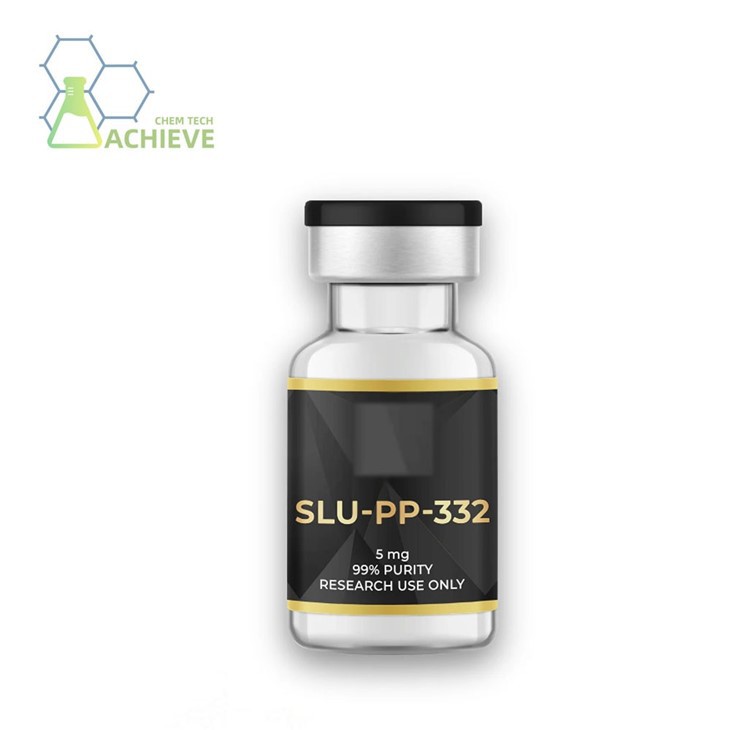
We provide SLU-PP-332 Injection, please refer to the following website for detailed specifications and product information.
Product:https://www.bloomtechz.com/oem-odm/injection/slu-pp-332-injection.html
Understanding cellular adaptations to exercise
Before we can fully appreciate the impact of SLU-PP-332 Injection, it's crucial to understand how our bodies respond to exercise at the cellular level. Physical activity triggers a cascade of biological processes that lead to improved fitness and overall health.
Metabolic changes during exercise
When we engage in physical activity, our bodies undergo significant metabolic shifts. Muscles increase their uptake of glucose and fatty acids to meet the heightened energy demands. This process is facilitated by the translocation of glucose transporter 4 (GLUT4) to the cell surface, enhancing glucose absorption.
Mitochondrial biogenesis
Exercise stimulates the production of new mitochondria, the powerhouses of our cells. This process, known as mitochondrial biogenesis, is crucial for improving cellular energy production and overall metabolic efficiency.
Activation of AMPK and PGC-1α
Two key players in the cellular response to exercise are AMP-activated protein kinase (AMPK) and peroxisome proliferator-activated receptor gamma coactivator 1-alpha (PGC-1α). AMPK acts as an energy sensor, while PGC-1α is a master regulator of mitochondrial biogenesis and metabolism.
Molecular pathways activated by SLU-PP-332
Now that we've established the cellular basis of exercise adaptation, let's explore how SLU-PP-332 interacts with these pathways to produce exercise-like effects.

AMPK activation
One of the primary mechanisms through which SLU-PP-332 exerts its effects is by activating AMPK. This activation mimics the energy-depleted state that occurs during exercise, triggering a host of downstream effects that promote metabolic flexibility and efficiency.
Enhanced mitochondrial function
Studies have shown that SLU-PP-332 Injection can significantly boost mitochondrial function and biogenesis. This increase in cellular power plants leads to improved energy production and metabolic health, mirroring the effects of regular exercise.
Upregulation of PGC-1α
SLU-PP-332 has been observed to increase the expression and activity of PGC-1α. This upregulation drives the transcription of genes involved in mitochondrial biogenesis, fatty acid oxidation, and glucose metabolism – all hallmarks of the cellular exercise response.
Glucose uptake and insulin sensitivity
Similar to physical exercise, SLU-PP-332 enhances glucose uptake in muscle cells by promoting GLUT4 translocation. This effect contributes to improved insulin sensitivity and better glucose homeostasis.

Comparing SLU-PP-332 effects to physical training
While SLU-PP-332 shows promise in mimicking certain aspects of exercise, it's essential to compare its effects to those of traditional physical training.

Metabolic improvements
Both SLU-PP-332 and exercise lead to enhanced metabolic flexibility, improved insulin sensitivity, and increased fat oxidation. However, the magnitude and duration of these effects may differ between pharmacological intervention and physical activity.
Muscle adaptations
While SLU-PP-332 can stimulate some of the molecular pathways involved in muscle adaptation, it cannot fully replicate the mechanical stress and neurological adaptations that come with resistance training or high-intensity exercise.
Cardiovascular benefits
Exercise provides numerous cardiovascular benefits, including improved heart function, blood pressure regulation, and vascular health. While SLU-PP-332 may indirectly benefit cardiovascular health through metabolic improvements, it cannot replace the direct effects of physical activity on the cardiovascular system.
Cognitive and mental health
Regular exercise is known to have profound effects on cognitive function and mental health. While SLU-PP-332 may have some neuroprotective properties due to its metabolic effects, it's unlikely to fully replicate the complex neurobiological benefits of physical activity.

Long-term adaptations
The long-term effects of SLU-PP-332 use compared to consistent exercise are still being studied. While the compound shows promise in acute settings, the sustainability and safety of its effects over extended periods require further investigation.
Dosage and administration
The optimal dosage and administration protocol for SLU-PP-332 are still being determined through ongoing research. The SLU-PP-332 injection price may vary depending on the formulation and source, and it's crucial to consult with healthcare professionals before considering its use.
Potential side effects
As with any pharmacological intervention, SLU-PP-332 may have potential side effects that are not associated with natural exercise. These could include unexpected metabolic shifts, hormonal imbalances, or other physiological changes that require careful monitoring.
Synergistic effects
An intriguing area of research is the potential synergistic effects of combining SLU-PP-332 with traditional exercise regimens. This approach could potentially enhance the benefits of physical activity or help individuals overcome exercise limitations due to health conditions or injuries.
Ethical considerations in sports
The use of SLU-PP-332 in competitive sports raises ethical questions and potential regulatory challenges. As its effects mimic those of exercise, determining whether it constitutes an unfair advantage is a complex issue that sporting bodies will need to address.
Accessibility and cost considerations
While exercise is generally accessible to most individuals, the availability and SLU-PP-332 injection price may limit its use to certain populations or research settings. This discrepancy in accessibility could have implications for health equity and the broader application of exercise-mimetic compounds.
Conclusion
When it comes to metabolic health and exercise physiology, SLU-PP-332 is an exciting new breakthrough. Its potential to activate important physiological pathways linked to exercise adaptation opens up promising avenues for those with restricted physical activity capacities owing to illness or other limitations. It should be noted that while SLU-PP-332 may imitate certain cellular features of exercise, it cannot completely imitate the overall advantages of physical exercise.
There are many more uses for the chemical than only as a "exercise pill." It could be useful on its own, but when added to more conventional workout programs, it might boost their effectiveness or break through fitness plateaus. In addition, SLU-PP-332 has the potential to be an important therapeutic target for metabolic illnesses, diseases causing muscle wasting, and the natural deterioration in physical function that comes with becoming older.
Perhaps SLU-PP-332 and related chemicals will have even more refined uses as time goes on with study. Accessibility and acceptance are likely to be influenced by factors such as the SLU-PP-332 injection price. The goal isn't to make exercise a substitute for it, but rather to supplement it so that anybody may benefit from it. Integrating cutting-edge pharmacological discoveries with tried-and-true physical training techniques could be the way exercise research goes forward.
Shaanxi BLOOM TECH Co., Ltd. is the only name you need to know if you are a researcher or pharmaceutical company in quest of premium SLU-PP-332 for your next study or product launch. If you're looking for a reliable SLU-PP-332 Injection Manufacturer, go no further than BLOOM TECH. We have over a decade of expertise in organic chemical synthesis and a cutting-edge manufacturing facility that is GMP certified. We are the go-to guys for chemical and pharmaceutical companies looking for long-term partnerships because of our dedication to quality, reasonable prices, and quick turnaround times. To learn more about our SLU-PP-332 offerings and other chemical products, please contact us at Sales@bloomtechz.com. Let's work together to advance the frontiers of exercise science and metabolic health!
FAQ
1. What is the primary mechanism of action for SLU-PP-332?
SLU-PP-332 primarily works by activating AMPK and upregulating PGC-1α, which are key players in cellular energy metabolism and mitochondrial biogenesis. These effects mimic some of the cellular adaptations typically seen with physical exercise.
2. Can SLU-PP-332 completely replace exercise?
While SLU-PP-332 can mimic certain cellular effects of exercise, it cannot fully replicate all the benefits of physical activity, particularly those related to cardiovascular health, neuroplasticity, and musculoskeletal adaptations. It's best viewed as a potential complement to, rather than a replacement for, regular exercise.
3. Is SLU-PP-332 safe for long-term use?
The long-term safety profile of SLU-PP-332 is still under investigation. As with any new compound, extensive clinical trials are necessary to determine its safety and efficacy over extended periods of use. Always consult with a healthcare professional before considering the use of such compounds.
References
1. Hawley, J. A., Hargreaves, M., Joyner, M. J., & Zierath, J. R. (2014). Integrative biology of exercise. Cell, 159(4), 738-749.
2. Narkar, V. A., Downes, M., Yu, R. T., Embler, E., Wang, Y. X., Banayo, E., ... & Evans, R. M. (2008). AMPK and PPARδ agonists are exercise mimetics. Cell, 134(3), 405-415.
3. Fan, W., & Evans, R. M. (2017). Exercise mimetics: impact on health and performance. Cell metabolism, 25(2), 242-247.
4. Handschin, C., & Spiegelman, B. M. (2008). The role of exercise and PGC1α in inflammation and chronic disease. Nature, 454(7203), 463-469.