


Modern wellness research focuses on metabolic health, investigating new techniques to improve energy use. SLU-PP-332 Injection is a remarkable metabolic modulation chemical. This synthetic chemical may affect cellular fat metabolism and energy generation via receptor interactions. To maintain endurance, metabolic flexibility, and energy production, we must understand how our systems swing between carbohydrates and fats. SLU-PP-332 Injection works by interacting with estrogen-related receptors, protein structures that govern mitochondria and metabolic activities. Researchers have shown that drugs that target these receptors may elicit changes comparable to those of typical exercise training, but via alternative biochemical pathways.
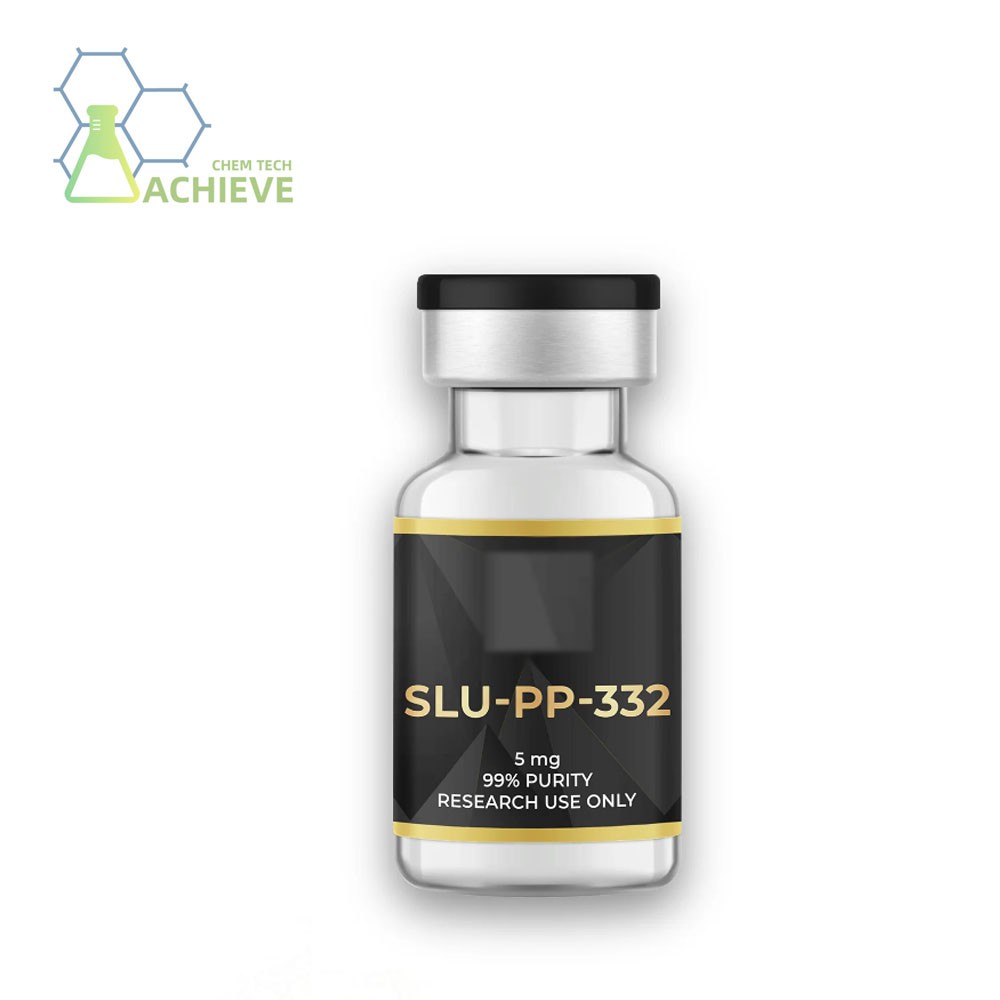
1.General Specification(in stock)1.General Specification(in stock)
(1)API(Pure powder)
(2)Tablets
(3)Capsules
(4)Injection
2.Customization:
We will negotiate individually, OEM/ODM, No brand, for secience researching only.
4-hydroxy-N'-(2-naphthylmethylene)benzohydrazide CAS 303760-60-3
Main market: USA, Australia, Brazil, Japan, Germany, Indonesia, UK, New Zealand , Canada etc.
Manufacturer: BLOOM TECH Xi'an Factory
Analysis: HPLC, LC-MS, HNMR
We provide SLU-PP-332 injection, please refer to the following website for detailed specifications and product information.
Product:https://www.bloomtechz.com/oem-odm/injection/slu-pp-332-injection.html

How SLU-PP-332 Activates Estrogen-Related Receptors to Boost Fat Oxidation and Energy Expenditure
Estrogen-related receptor metabolism is fascinating due of its molecular structure. Although named after estrogen, these nuclear receptors don't require it. They regulate energy-consuming genes as always-on transcription factors. SLU-PP-332 Injection mostly binds to ERRα and ERRγ subtypes. Metabolically active tissues including skeletal muscle, heart, and brown adipose tissue express these receptors.
The Receptor Binding Mechanism
SLU-PP-332 injection stabilizes a structural alteration that improves estrogen-related receptor interaction with DNA response elements. This binding occurs at digestive enzyme gene promoter regions. It fits nicely in the receptor's ligand-binding pocket due to its shape. This stable complex recruits gene transcription coactivator proteins. These receptors trigger genes that transport and burn fatty acids, according to research. CPT1, which regulates mitochondrial fatty acid entry, increases when the ERR is activated. Also, medium-chain acyl-CoA dehydrogenase and other beta-oxidation enzyme genes receive greater transcription aid, which prepares cells to consume fat.
Impact on Whole-Body Energy Expenditure
In addition to altering cells, ERR alters bodily metabolism. Extended ERR agonism is connected to greater oxygen and heat utilization, which are indicators of energy use, in laboratory models. This thermogenic impact seems to entail increased mitochondrial uncoupling in brown fat tissue and higher metabolic activity across several tissue types. Faster fat burning isn't due to the chemical alone. ERR activates many metabolic pathways simultaneously. The coordinated production and utilization of energy by cells varies. This collaboration involves breaking down fat quicker and handling oxidative pathway molecules more effectively. This protects the metabolism from stalling and preventing fat utilization. Here, mitochondrial function matters. SLU-PP-332 boosts respiratory chain efficiency by promoting mitochondrial biogenesis via PGC-1α interactions. higher ATP per substrate, better coupling efficiency, and maybe higher mitochondrial density in target tissues.
Enhanced Mitochondrial Respiration and Cellular Energy Production with SLU-PP-332
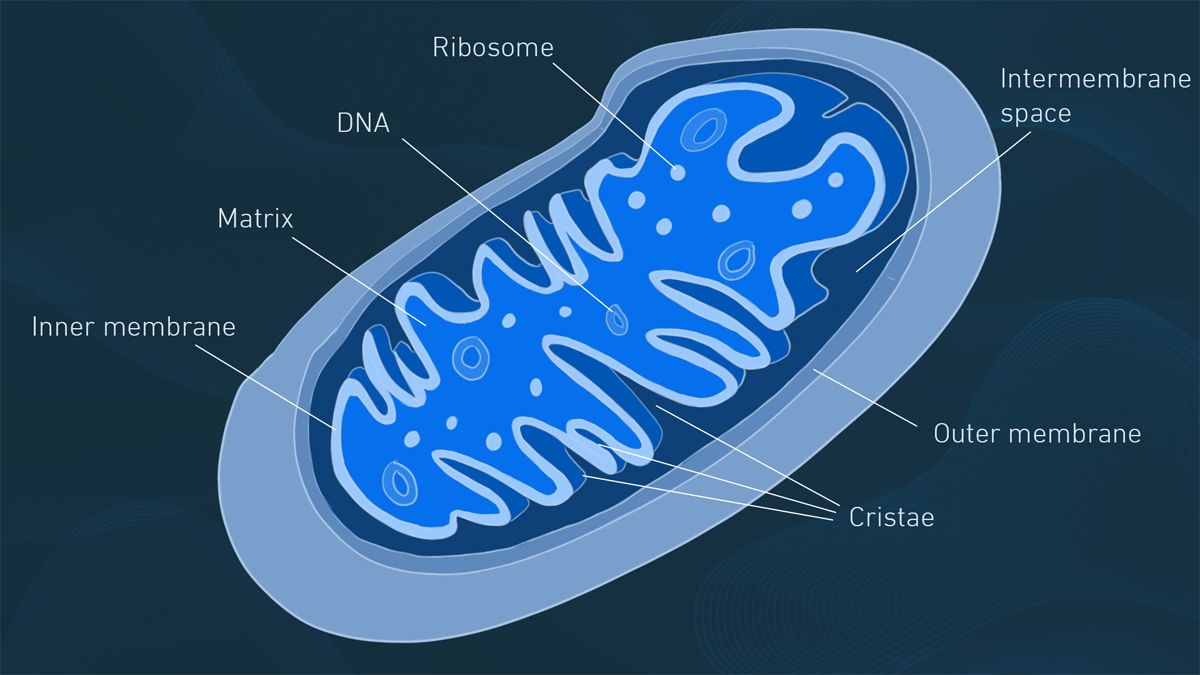
The energy-producing parts of cells are called mitochondria. They take in nutrients and turn them into ATP, which can be used. How well and how much these elements can do directly affects how much energy a cell can use. Through a number of different pathways, SLU-PP-332 Injection changes the way mitochondria work, which leads to better energy output and breathing ability.
Mitochondrial Biogenesis and Quality Control
This is noteworthy since turning on ERR speeds up mitochondrial biogenesis. This is partly due to its interaction with PGC-1α, a key stimulator of mitochondrial development. ERR receptors and PGC-1α collaborate to produce both nucleus and mitochondrial genes necessary for healthy mitochondria. The chemical also alters mitochondrial quality control. Mitophagy removes damaged mitochondria and helps healthy mitochondria proliferate while cells monitor mitochondrial health. When switched on, ERR improves this quality control mechanism, which may lead to more efficient mitochondria in treated cells.
Respiratory Chain Efficiency and ATP Production
The final common pathway for energy production from all fuels is the electron transport chain in the inner mitochondrial membrane. SLU-PP-332 Injection increases respiratory chain complex portion expression, notably Complexes I, III, and IV. Electron transport and proton pumping are easier with this enhancement. These are the primary ATP-making steps. Higher respiratory capacity allows cells to produce more ATP from the same fuel. This improves metabolism overall. This is crucial when the body requires a lot of energy since mitochondrial ability limits its performance. Better respiratory function burns fatty acids entirely, reducing harmful intermediary metabolites.


Coupling Efficiency and Metabolic Flexibility
The relationship between ATP production and oxygen usage is termed mitochondrial coupling. Some uncoupling generates heat, but too much wastes energy. This combo works best when ERR is activated by SLU-PP-332 Injection, keeping ATP generation high and thermogenesis regulated. Since modest uncoupling prevents oxidative stress and metabolic dysfunction, this optimization improves energy supply and metabolism. Changing transporter expression, enzyme activity, and hormone signaling cause substrate switching throughout the metabolic shift. RER investigations indicate reduced results suggesting more fat oxidation than carbohydrate usage. Fasted-state or endurance-trained metabolic profiles are mimicked.

Metabolic Shift Toward Fat Utilization and Endurance-Like Adaptations
One of the most important changes that living things can make is switching from a system that depends on glucose to one that depends on fat. This metabolic flexibility improves endurance, keeps energy levels steady, and affects the health of the metabolism as a whole. It looks like SLU-PP-332 Injection encourages traits related to this adaptive change.
Reprogramming of genes for fat metabolism
At the genetic level, the switch to using fat needs organized changes in the way enzymes are expressed. Cells need to make more of the proteins that move, activate, and break down fatty acids while keeping or changing the pathways that break down glucose. By binding to regulatory regions of many metabolic genes at the same time, ERR activation coordinates this remodeling. More fatty acid metabolism genes are being copied, which makes cells prefer fat as a fuel source. Muscle cells can usually switch between using glucose and fat based on what is available and how much energy is needed. However, they are better at burning fats even when glucose would normally be more efficient. This metabolic flexibility is a sign of biologically healthy tissue that has been trained well.
Fuel Choice and Substrate Preference
In addition to enzyme expression, the choice of fuel relies on the presence of transporters, hormonal signals, and the body's need for energy. According to research, ERR agonism affects these factors in more than one way. The production of fatty acid transport proteins goes up. These proteins move lipids across cell membranes. At the same time, the body's sensitivity to metabolic signals that usually choose fuel seems to change in a way that favors fat burning. This substrate preference shift manifests measurably through respiratory quotient changes-the ratio of carbon dioxide produced to oxygen consumed. Lower respiratory quotients mean that the body is relying more on fat burning, and these changes have been seen in preclinical tests after ERR activation lasts for a long time. These changes show that tissues treated with chemicals like SLU-PP-332 Injection work metabolically like muscles that have been trained for endurance.
Fuel Utilization Dynamics: From Glucose to Fat as Primary Energy Source
A key part of metabolic health is the body's ability to switch between food sources. Metabolic inflexibility, or having trouble switching between burning glucose and fat, has been linked to a number of metabolic problems. Find out how chemicals like SLU-PP-332 Injection affect this flexibility to get ideas for possible research and development uses.
Sugar Saving and Glycogen Preservation
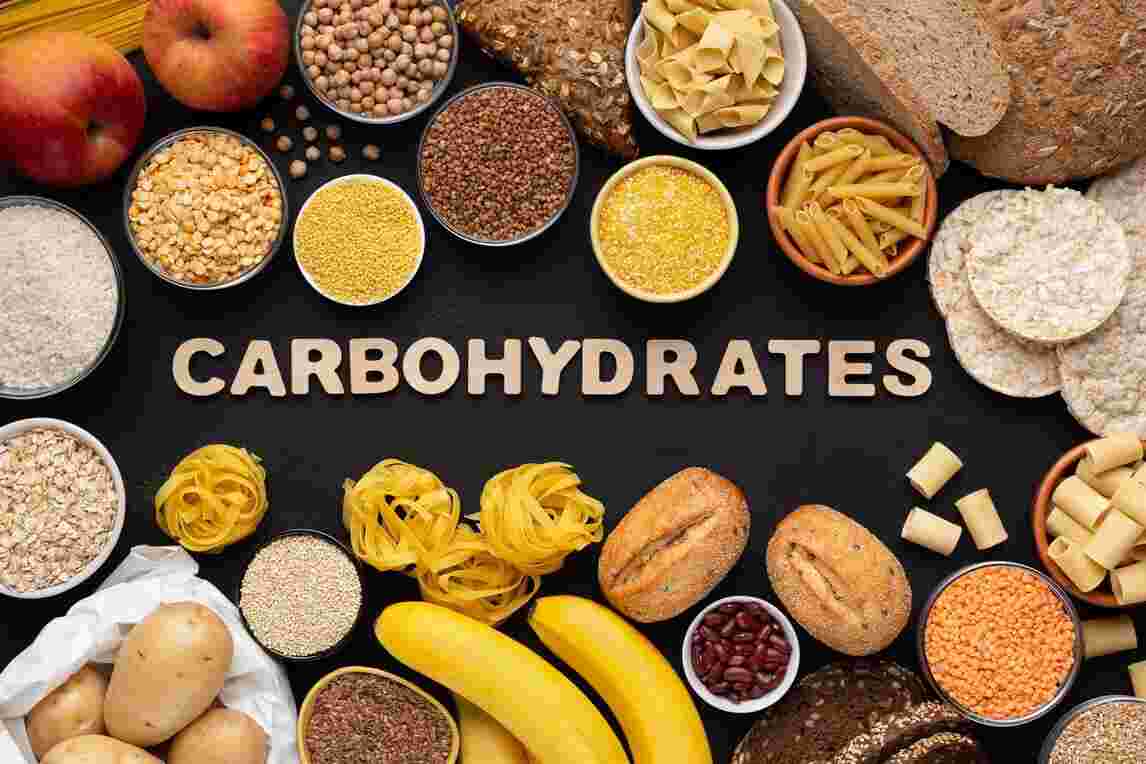
When cells burn more fat, they need glucose for energy production less. This result of saving glucose has a lot of interesting effects. When fat makes up a bigger part of your energy, your muscle glycogen stores, which are restricted but quickly available energy reserves, run out more slowly. This preservation of carbohydrate stores might, in theory, increase energy during long-term exercise.
The change from being dependent on glucose also affects how blood sugar works. Tissues that burn fats efficiently may need less glucose from the bloodstream, which could help keep blood glucose levels more stable. This metabolic pattern is similar to what experts see in physically fit people who are metabolically healthy. This suggests that ERR stimulation might improve metabolic traits even if a person isn't working out.

Timeline of Adaptation and Metabolic Memory

Changes in metabolism don't happen right away. Gene transcription, protein synthesis, and cellular remodeling are all steps that take days to weeks to complete in order for fat burning to improve. According to research that looks at how long ERR agonist effects last, the first changes in gene expression happen within hours, but useful metabolic shifts need to be exposed for a longer time to fully show up.
Interestingly, some evidence shows that metabolic changes may last for a while after the substance is no longer being administered. This effect, which is sometimes called "metabolic memory," means that the changes in metabolic processes caused by ERR activity are pretty stable. But researchers are still looking into how long these effects last and how strong they are.


Research-Informed Insights on SLU-PP-332's Role in Supporting Sustained Energy Output
Creating energy over a long period of time is a basic condition for metabolic health and endurance. Maintaining ATP production for long amounts of time relies on how well substrates are used, mitochondrial capacity, and metabolic flexibility. Studying ERR agonists like SLU-PP-332 Injection has helped us understand how molecular treatments could change these factors.

Metrics for measuring performance in preclinical models
Researchers have used animal models to look at how activating ERR changes tests of physical ability. In tests that measured how long it took for runners to reach tiredness, groups that received ERR agonists did better than controls. These improvements in performance are linked to changes that can be measured in the make-up of muscle fibers, the number of mitochondria, and the activity of oxidative enzymes. These are the same changes that normally take weeks of endurance training to happen naturally. Running economy, which is the amount of air needed to keep going at a certain speed, also seems to get better when ERR agonists are given. This shows that the metabolism is working more efficiently, which means that the same amount of work is done with less energy. These gains are in line with rising mitochondrial respiration capacity and fatty acid oxidation, which give off more ATP for every molecule of oxygen used than glucose metabolism.
Molecular Signs of Changes in Metabolic Rate
Researchers have found a lot of molecular factors that change when ERR is activated, not just performance results. Some of these are higher levels of antioxidant enzymes, changes in the spread of muscle fiber types, higher levels of mitochondrial protein, and changes in metabolite patterns. Changes in circulating fatty acids, ketone bodies, and amino acid metabolites have been found through metabolic studies. This gives a full picture of how the body's metabolism has changed. Studies that look at gene expression profiles have shown that ERR agonism starts transcriptional programs that are a lot like those that are set off by endurance training. Hundreds of genes are regulated together, making a genetic hallmark of higher oxidative ability. This pattern of gene expression gives researchers precise biomarkers for keeping an eye on compound effects and figuring out why people respond differently.


Things to think about when translating for research purposes
Findings in preclinical models are exciting, but moving them to real uses needs a lot of thought. Model animals and people have different metabolic rates, lifespans, and physiologies, so it's important to plan experiments carefully. Dose-response relationships, metabolism, and possible side effects that aren't intended need to be studied in human-relevant systems. Researchers are still trying to figure out the best situations to study ERR agents. Dosing schedules, length of administration, combination with other interventions, and finding groups that respond are still areas of ongoing study. Pharmaceutical companies and science companies need to understand these differences in order to plan useful studies and move compound research forward.

Conclusion
The SLU-PP-332 Injection study reveals how molecular alterations may impact complex biological systems. This chemical selectively stimulates estrogen-related receptors, which engage regulatory systems that boost mitochondrial function, melt fat faster, and maintain metabolism flexible. These alterations improve energy generation and substrate usage in cells like trained, physiologically healthy tissue. Experts in metabolic regulation may use this information to comprehend SLU-PP-332 Injection. The compound's effects on gene expression, mitochondrial biogenesis, and fuel selection operate together (synchronized metabolic response). As investigation continues, the optimum usage, dosage strategies, and outcomes for different circumstances and populations become clearer. It may be utilized for basic metabolic investigations and metabolic health medication development. Whether we're investigating energy metabolism or developing novel illness therapies, compounds like SLU-PP-332 Injection can show how molecular treatments may alter cell and body metabolism.
FAQ
1. What makes SLU-PP-332 different from other metabolic compounds?
The injection of SLU-PP-332 preferentially activates estrogen-related receptors, namely ERRα and ERRγ. This differentiates it from other biochemical process-targeting compounds. It regulates multiple fat metabolism and mitochondrial function genes to express them simultaneously instead of directly turning them on or off. The upstream mechanism involves wide metabolic alterations that affect several pathways at once, therefore drugs with greater targets may have broader effects. Because it solely operates on ERR receptors, it differs from hormone replacement and other hormonal therapies.
2. How long does it take to observe metabolic changes with ERR agonist administration?
Staged metabolic alterations occur. Gene expression changes within hours of interaction when ERR receptors connect to DNA response elements and initiate target gene transcription. Over the following several days, freshly translated mRNA becomes functional enzymes and structural proteins. Changes in metabolic parameters like fuel utilization or mitochondrial respiration may be assessed after a few days to a week of continuous exposure. The body requires time to create new proteins and even modify cell structure. Tissue type, quantity, and body type determine the time period.
3. What quality standards should researchers expect when sourcing SLU-PP-332 for studies?
Research-grade SLU-PP-332 should have at least 98% purity, which may be verified using HPLC and the proper detectors. A complete examination should involve NMR to identify the structure, mass spectrometry to determine molecular weight, and impurity or breakdown product analysis. Repeatable research outcomes need batch-to-batch homogeneity. The provider should issue a Certificate of Analysis for each batch, including testing timings, procedures, and findings. More manufacturing conditions, quality processes, and chain of custody information may be required for regulatory report investigations.
Partner with BLOOM TECH for Your SLU-PP-332 Injection Supplier Needs
BLOOM TECH is your dependable source for high-quality metabolic chemicals like SLU-PP-332 Injection for your project. We make high-quality organic chemicals and pharmaceutical intermediates for over 12 years and market them. They have HPLC and MS data and scientific papers. The CFDA, US-FDA, PMDA, and other international regulatory agencies have inspected our GMP-certified manufacturing facilities on-site. This ensures every batch fulfills your study's criteria. As certified suppliers to 24 of the world's biggest pharmaceutical and biotechnology firms, we understand purity, stability, and supply chain reliability. Our professionals assist you from the first query until customs clearance. Our ERP tracks transparent pricing and exact wait times. We guarantee quality: if your purchase doesn't suit your demands, we'll refund your money. Whether you need milligrams for screening or mass production for advanced development, BLOOM TECH can help you achieve your research objectives by offering technical expertise, obeying laws, and putting customers first. Contact our team right away at Sales@bloomtechz.com to talk about your unique needs and find out how our supply chain greatness can help speed up your metabolic research projects.
References
1. Giguère V. Transcriptional control of energy homeostasis by the estrogen-related receptors. Endocrine Reviews. 2008;29(6):677-696.
2. Rangwala SM, Wang X, Calvo JA, et al. Estrogen-related receptor gamma is a key regulator of muscle mitochondrial activity and oxidative capacity. Journal of Biological Chemistry. 2010;285(29):22619-22629.
3. Ahmadian M, Liu S, Reilly SM, et al. ERRγ preserves brown fat innate thermogenic activity. Cell Reports. 2018;22(11):2849-2859.
4. Narkar VA, Downes M, Yu RT, et al. AMPK and PPARδ agonists are exercise mimetics. Cell. 2008;134(3):405-415.
5. Huss JM, Kopp RP, Kelly DP. Peroxisome proliferator-activated receptor coactivator-1α (PGC-1α) coactivates the cardiac-enriched nuclear receptors estrogen-related receptor-α and -γ: identification of novel leucine-rich interaction motif within PGC-1α. Journal of Biological Chemistry. 2002;277(43):40265-40274.
6. Schreiber SN, Emter R, Hock MB, et al. The estrogen-related receptor alpha (ERRalpha) functions in PPARgamma coactivator 1alpha (PGC-1alpha)-induced mitochondrial biogenesis. Proceedings of the National Academy of Sciences. 2004;101(17):6472-6477.