


SLU-PP-332 is a research chemical that activates estrogen-related receptors (ERR), namely ERRα and ERRγ. It helps in metabolic, mitochondrial, and energy regulatory research. The compound's particular profile makes it useful for studying exercise mimetic effects and cellular respiration. Special research chemical SLU-PP-332 activates estrogen-related receptors (ERR), namely ERRα and ERRγ. This makes it ideal for investigating metabolism, mitochondria, and energy systems. Exercise mimicking and cell respiration may be studied using the molecule's unique features. Scientists are searching for substances that may affect how cells manage energy, making metabolic pathways tougher to understand. Researchers employ SLU PP 332 Capsules to activate estrogen-related receptors (ERRs) to explore energy metabolism in novel ways. Because of its mechanism and potential utility in metabolic investigations, pharmaceutical, biotechnology, and research institutions worldwide are interested in this molecule.
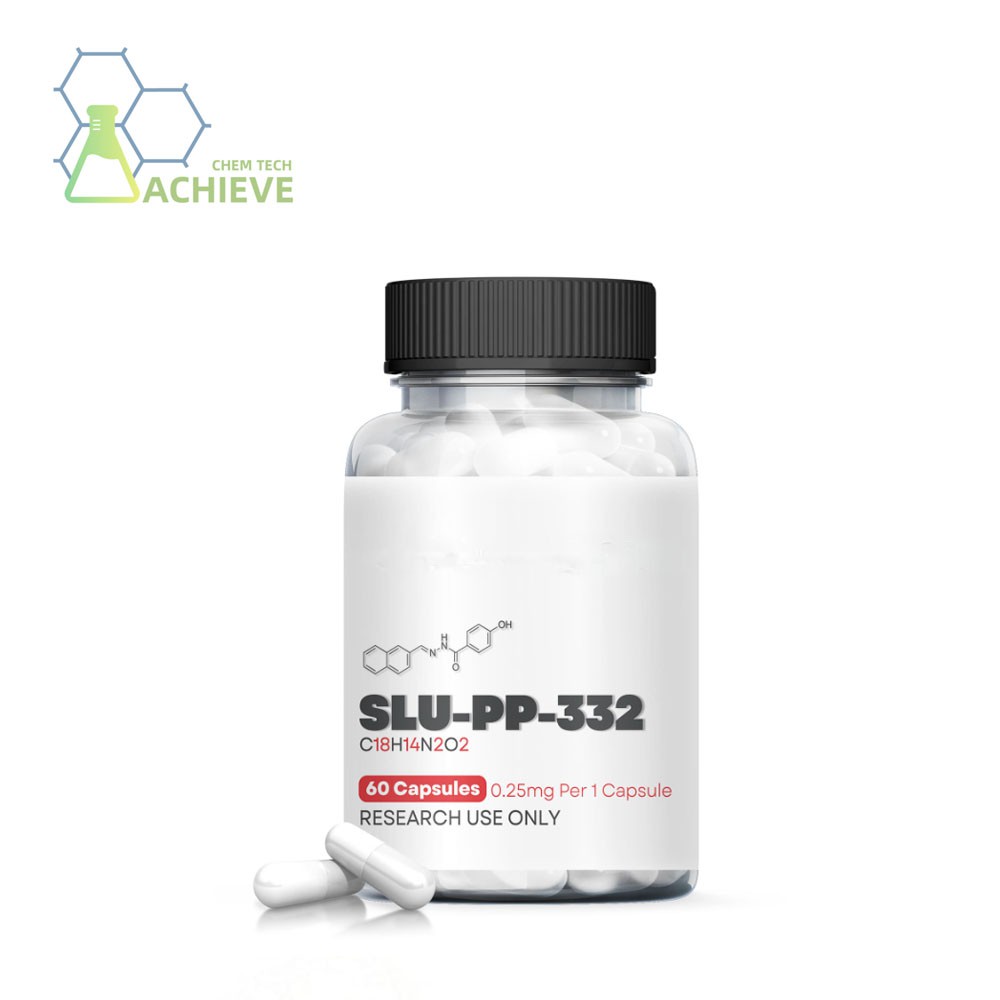
1.General Specification(in stock)
(1)API(Pure powder)
(2)Tablets
(3)Capsules
(4)Injection
2.Customization:
We will negotiate individually, OEM/ODM, No brand, for secience researching only.
4-hydroxy-N'-(2-naphthylmethylene)benzohydrazide CAS 303760-60-3
Main market: USA, Australia, Brazil, Japan, Germany, Indonesia, UK, New Zealand , Canada etc.
Manufacturer: BLOOM TECH Xi'an Factory
Analysis: HPLC, LC-MS, HNMR
We provide SLU-PP-332 capsules, please refer to the following website for detailed specifications and product information.
Product:https://www.bloomtechz.com/oem-odm/capsule-softgel/slu-pp-332-capsules.html

What Makes SLU-PP-332 a Unique ERR Agonist in Metabolic Research?
SLU-PP-332 selectively targets ERRα and ERRγ receptors without substantial off-target effects. Its selectivity makes it useful for dissecting receptor-mediated pathways and distinguishing it from other metabolic modulators. Researchers can distinguish ERR-dependent pathways from other metabolic impacts using the compound's pharmacological characteristics.
Molecular Structure and Receptor Selectivity Profile
SLU-PP-332 is a synthetic small chemical intended to attach to estrogen receptors. The molecule's strongest binding occurs with ERRα and ERRγ subtypes, crucial for mitochondrial assembly and oxidative metabolism. SLU-PP-332 has little interaction with conventional estrogen receptors (ERα and ERβ), unlike other extended-spectrum medicines. This allows researchers to directly correlate effects to ERR pathway activity. Built-in building pieces in SLU-PP-332 let receptors and ligands link consistently while maintaining pharmacokinetic properties for research. Research-grade items fulfill repeatable study quality criteria with purity levels over 98%. HPLC and MS analysis ensures that the product is what it claims it is and that there are no severe faults that might affect the experiment.
Distinguishing Features Compared to Other Metabolic Modulators
SLU PP 332 Capsules affect gene expression patterns according on energy intake and quantity. Researchers may adjust doses to achieve desired receptor activation. This provides experiments enough room for varied research strategies. In lab settings, the chemical is stable, making it simpler to produce consistent findings from long-term trials. SLU-PP-332 differs from other metabolic pathway research compounds in many respects. This chemical activates ERR receptors, unlike inverse agonists or antagonists. This positive regulation supports research aims of increasing metabolic capacity rather than inhibiting pathways. Research-grade SLU-PP-332 paperwork contains a lot of analytical data to assist researchers develop methodologies and interpret findings. Quality certifications provide batch consistency, which is vital for longitudinal studies and multi-site research collaborations.
ERR Receptor Activation and Its Role in Energy Metabolism Studies
The transcriptional regulation of mitochondrial, fatty acid, and glucose metabolism genes is controlled by ERR receptors. Activating these receptors with chemicals like SLU-PP-332 starts signaling cascades that affect cellular energy generation. Understanding this route helps researchers simulate physiological challenge-induced metabolic changes.

Transcriptional Regulation of Metabolic Genes
Estrogen-related receptors regulate cell metabolism via complicated transcriptional pathways. In response to SLU-PP-332, ERRα and ERRγ nuclear receptors bind to particular DNA sequences in target gene promoter regions. The transcription process benefits from coactivator proteins. This mechanism activates mitochondrial protein, substrate-oxidizing enzyme, and electron transport chain genes. Researchers employing SLU-PP-332 discovered that ERR triggers changes in gene expression mediated by PGC-1α. A coordinated metabolic response results. This transcriptional chain simultaneously affects fatty acid beta-oxidation, tricarboxylic acid cycle activity, and phosphorylation. Due to their structured nature, these alterations resemble endurance exercise training. This makes SLU-PP-332 ideal for analyzing workout pathways.
Cellular Signaling Cascades Downstream of ERR Activation
At ERR receptors, SLU PP 332 Capsules stimulate signaling processes that promote metabolic responses. AMP-to-ATP and NAD+ levels alter as mitochondrial activity increases, indicating a cell energy status shift. These metabolic signals activate AMPK and sirtuins, creating metabolic networks. ERR-mediated signaling progresses from fast transcriptional responses to metabolic remodeling. Use SLU-PP-332 to break out temporal patterns in experiments. This shows them how short-term receptor activation affects metabolism over time. Time-course studies reveal that gene expression changes precede mitochondrial content and oxidative capacity. This indicates ERR-driven metabolic improvement over time.


Applications in Metabolic Disease Modeling
Researching SLU-PP-332 for ERR signaling helps us understand metabolic disorders in diverse bodily situations. ERR agonism is important for metabolic flexibility, substrate utilization, and energy consumption investigations due to its targeting. Using SLU-PP-332, researchers examine how altering the ERR pathway affects metabolic phenotypes in various diets and environments. Comparative studies reveal that ERR activity affects skeletal muscle, heart, and liver tissue differently according to their metabolic demands. These findings demonstrate ERR receptors' intricate significance in metabolic processes and assist scientists improve experimentation. Researchers may purchase high-purity SLU-PP-332 from trusted suppliers to ensure the quality and stability of their molecules in these complex research.

Enhancing Mitochondrial Function and Cellular Respiration with SLU-PP-332
Cellular energy generation depends on mitochondrial activity. The effects of SLU-PP-332 on mitochondrial biogenesis and respiratory chain activity make it useful for evaluating cell adaptation to higher energy demands. The compound's mitochondrial effects give metabolic research endpoints.
Mitochondrial Biogenesis and Respiratory Chain Enhancement
Mitochondrial biogenesis is cell mitochondrial production. Basic reaction to greater energy demands. SLU-PP-332 activates transcriptional programs that coordinate respiratory apparatus component creation in nucleus and mitochondrial DNA, speeding up this process. ERR increases transcription factors that copy and transcribe mitochondrial DNA, according to research. These include mitochondrial transcription factor A. Experimental models reveal that mitochondrial content increases with quantity using indicators like citrate synthase activity and mitochondrial DNA copy number. These adjustments improve breathing, according to oxygen consumption rate data. It increases ATP generation and electron transport by changing respiratory chain complexes. A detailed analysis of the respiratory chain demonstrates that SLU-PP-332 impacts multiple electron transport groups. The synchronized increase of complex I (NADH dehydrogenase), complex III (cytochrome bc1 complex), and complex IV (cytochrome c oxidase) subunits maintains the stoichiometric equilibrium essential for electron transport. This combined improvement distinguishes ERR-mediated effects from breathing component-specific modifications.
Oxidative Phosphorylation Capacity and ATP Production
These alterations increase oxidative phosphorylation by increasing mitochondria and respiratory chain function. System treated with SLU PP 332 Capsules produces ATP faster via the mitochondrial ATP synthase complex. This enhanced energy production allows cells to satisfy their greater energy demands without relying on inefficient glycolytic mechanisms. Cell metabolism shifts to oxidative metabolism when the ERR is activated. This increases tricarboxylic acid cycle flow and fatty acid oxidation. A more "trained" metabolic profile improves metabolic flexibility and fuel usage efficiency. SLU-PP-332 enables researchers to understand how transcription regulation produces these metabolic benefits. SLU-PP-332 also impacts coupling efficiency, which links oxygen utilization to ATP production. Increasing breathing capacity may impair coupling efficiency by leaking more protons, while activating ERR retains or increases coupling efficiency, suggesting that mitochondrial number is not the same as mitochondrial function.
Assessment Methodologies for Mitochondrial Function Studies
To completely understand how SLU-PP-332 influences mitochondrial function, we need several, complementary methodologies. Real-time seahorse extracellular flow study shows baseline respiration, ATP-linked respiration, proton leak, and maximal respiration capability. These parameters characterize mitochondrial function and identify respiratory function changes when ERR is engaged. Confocal imaging and mitochondrial fluorescent probes reveal mitochondrial network structure and capacity. These approaches showed that SLU-PP-332 alters mitochondrial fusion and fission, which may improve mitochondrial quality control. Electron imaging reveals mitochondrial cristae ultrastructure. Cristae swell when ERR is triggered, indicating greater respiratory chain content.
Exercise-Mimetic Effects and Muscle Energy Regulation in Research Models
Exercise mimetics are substances that mimic physical activity-induced metabolic changes. Its effects on oxidative metabolism and mitochondrial activity make SLU-PP-332 useful for studying these pathways. Exercise-mimetic processes affect metabolic studies and therapies for non-exercisers.
Metabolic Adaptations Resembling Exercise Training

Working exercise alters your metabolism significantly. For instance, mitochondrial density, oxidative enzyme activity, and metabolic flexibility increase. Research on SLU-PP-332 shows that activating ERR mimics some of these adaptive processes at the molecular and functional levels. Gene expression monitoring experiments suggest that SLU-PP-332 causes transcription modifications similar to those of physical exercise.
SLU-PP-332 focuses on skeletal muscle since it changes metabolically most during exercise. Experimental models showed that the drug increased slow-twitch muscle fiber markers and oxidative metabolism genes. This suggests that muscles become more oxidative. These modifications resemble fiber type changes after long-term exercise. This shows that ERR signaling is crucial to exercise-induced muscle changes.

Substrate Utilization and Metabolic Flexibility

Functional testing demonstrate that SLU PP 332 Capsules improve lab animal exercise abilities due to metabolic alterations. ERR agonist therapy enhances endurance, weariness, and recovery. These functional improvements demonstrate that transcription and mitochondrial alterations affect metabolism. A metabolic health indicator is metabolic flexibility, or the ability to alter food sources effectively depending on availability and demand. This is enhanced with SLU-PP-332, which accelerates carbohydrate and fat oxidation.
The respiratory exchange ratio shows that activating the ERR improves fat burning during low-intensity exercise while maintaining carbohydrate burning during high-intensity workloads. Coordinated modulation of glucose and fatty acid metabolism enzymes makes the substrate more molecularly flexible. SLU-PP-332 increases CPT1 synthesis along with glucose transporters and glycolytic enzymes. The enzyme CPT1 slows fatty acid entry into mitochondria. This two-pronged enhancement provides the metabolic flexibility from training.

Implications for Muscle Energy Homeostasis Research

ERR activation alters cell responses to nutritional conditions, according to nutrient-sensing pathway researchers. Experimental feeding-and-fasting cycles demonstrate that SLU-PP-332-treated systems had improved metabolic responsiveness to nutrition supply, suggesting better systemic metabolic regulation. A key subject in metabolic physiology is how muscle tissue maintains energy balance while exercising at various levels. Researchers may modify ERR-dependent processes using SLU-PP-332 to study muscle energy balance.
Studies on muscular fatigue resistance demonstrate that enhanced oxidative capacity decreases fatigue-related metabolic alterations such lactate accumulation and phosphocreatine depletion. Mitochondrial activity and muscular contractility research may benefit from SLU-PP-332 experiments. Finding linkages between mitochondrial breathing patterns and muscle force production and contractile kinetics helps us understand how cellular energy influences mechanical function. Research organizations require reliable supplies of high-quality research substances to conduct these integrated investigations.


Integrating SLU PP 332 Capsules into Experimental Protocols for Metabolic Efficiency Exploration
Dosing, timing, experimental controls, and outcome assessments must be addressed while utilizing SLU-PP-332 in study. Protocol improvement reduces confounding variables and reflects ERR-mediated effects. Sharing research best practices advances science and increases reproducibility.
Experimental Design Considerations for ERR Agonist Studies
Experimental setup is needed for metabolic investigations using SLU-PP-332. Dose-response studies establish ERR pathway activation amounts that do not injure cells. Concentrations are generally based on receptor binding preference and early drug effectiveness studies. Treatment time matters because transcriptional changes precede metabolic responses. Functional impacts like mitochondrial biogenesis and metabolic remodeling take weeks. Hour-to-day techniques document early transcriptional responses and signaling. Therapy length depends on researchers' specific study questions and results. Control methods include vehicle groups, simultaneous comparisons, and metabolic modulator-based positive controls. ERR-only effects are separated by tough control conditions to establish causality. Documenting medication storage, manufacturing, and management simplifies experiment replication in other labs and research sites.
Sample Handling and Quality Assurance Protocols
Maintaining material purity throughout the experiment ensures precision. The provider recommends storing SLU-PP-332 away from light in a controlled temperature and humidity environment. Workable solutions need solvents and dilution methods that stable the medication throughout therapy. Researchers have more trust in chemical identification and purity using analytical chemistry quality control. Periodic verification testing is common for drugs used in long-term studies or multi-location partnerships. Comprehensive analytical documentation from vendors streamlines quality assurance.
Data Analysis and Interpretation Frameworks
Complex analysis is needed for metabolic research datasets. We can learn how ERR impacts metabolism using mRNA, metabolomic, and functional data. Statistics with numerous comparisons and changes over time provide reliable results with low false-positive rates. SLU-PP-332 research is best understood in ERR signaling papers. Pharmacological results may be confirmed and on-target effects distinguished by comparing them to genetic ERR regulation (knockout or overexpression models). This comparative method supports mechanistic ideas and drives study. Data sharing and meta-analyses are easier with collaborative research networks. This improves statistical power and reveals testing system influences. These cooperative setups advance science and establish experimental and reporting criteria.

Conclusion
SLU PP 332 Capsules may study ERR-mediated metabolic control and exercise-imimetic effects. By targeting ERRα and ERRγ receptors, the medication enables researchers to explore transcriptional processes regulating mitochondrial activity, oxidative metabolism, and cell energy balance. This research covers receptor signaling biochemistry and tissue-wide metabolism. More scientific articles using SLU-PP-332 show its adaptability in experiments and research. High-quality study chemicals from dependable vendors are still essential for scientific rigor and reproducibility in metabolic research. Companies studying ERR agonists should choose well-known suppliers who provide analytical documentation, competent advice, and reliable product quality. Researchers can plan metabolic control experiments by understanding SLU-PP-332 and how to use it in trials. ERR signaling pathways are studied using the medication to learn how cellular metabolism responds to physiological demands and how these changes might be used in therapy.
FAQ
1. What distinguishes SLU-PP-332 from other compounds used in metabolic research?
By targeting ERRα and ERRγ receptors, SLU-PP-332 enables researchers to study metabolic effects of ERRs without harming regular estrogen receptors. Selectivity offers more accurate research than broader-spectrum metabolic modulators. The compound's well-known pharmacological profile and research-grade forms with comprehensive analytical data make it ideal for rigorous experimental methods that need reliable results at several research sites.
2. How should researchers determine appropriate dosing for SLU PP 332 capsules in experimental protocols?
When establishing dose, researchers should consider receptor binding affinity, early effectiveness studies, and study goals. Submicromolar to low micromolar dose-response studies are prevalent. These establish the best ERR pathway activation doses without straining cells or causing other consequences. Effective dose depends on treatment length. Extended treatments may affect metabolism with lower concentrations, whereas shorter doses require higher concentrations to modify genes. Consult technical support suppliers for equivalent public application help.
3. What quality specifications should researchers verify when sourcing SLU-PP-332 for metabolic studies?
HPLC confirms 98% purity of research-grade SLU-PP-332. Chemical identity is confirmed by full mass spectrometry. Heavy metals, solvents, and microbiological tests should be on certificates. Batch-to-batch precision is essential for longitudinal studies. Thus, supplier stability and quality control are key factors. GMP-compliant vendors with complete analytical data boost confidence that the material is suitable for publication-level research.
Partner with BLOOM TECH for Premium SLU PP 332 Capsules
Their research-grade compounds meet global pharmaceutical, biotechnology, and university research requirements. US-FDA, EU-GMP, PMDA, CFDRegulations control our 100,000-square-meter GMP-certified production facilities. As a trusted SLU PP 332 Capsules supplier, SLU-PP-332 batches are guaranteed to meet quality standards and have over 98% purity. As accredited suppliers to 24 multinational research and pharmaceutical businesses, we understand the necessity for consistent chemicals, complete analytical data, and reliable supply lines for research projects. Our factory testing, internal QA/QC verification, and third-party certification assure chemical stability from synthesis to delivery. We provide HPLC, mass spectrometry, and stability data. Your strategy and regulatory papers benefit from this. One-stop service from BLOOM TECH streamlines supply chain management. They provide low prices, clear pricing, and research to mass production order volumes. Expert technical assistance helps with compound management, storage, and experimentation. Your study team is augmented. Over 250,000 chemical compounds and 12 years of organic synthesis make us your metabolic study compound supply. Email our sales team at Sales@bloomtechz.com right now to talk about your SLU-PP-332 needs, get certificates of analysis, or look through our full range of metabolic study chemicals. Come experience the BLOOM TECH edge, where quality, dependability, and a scientific relationship come together.
References
1. Giguère V. Transcriptional control of energy homeostasis by the estrogen-related receptors. Endocrine Reviews. 2008;29(6):677-696.
2. Rangwala SM, Wang X, Calvo JA, et al. Estrogen-related receptor gamma is a key regulator of muscle mitochondrial activity and oxidative capacity. Journal of Biological Chemistry. 2010;285(29):22619-22629.
3. Narkar VA, Fan W, Downes M, et al. Exercise and PGC-1α-independent synchronization of type I muscle metabolism and vasculature by ERRγ. Cell Metabolism. 2011;13(3):283-293.
4. Audet-Walsh É, Giguère V. The multiple universes of estrogen-related receptor α and γ in metabolic control and related diseases. Acta Pharmacologica Sinica. 2015;36(1):51-61.
5. Dufour CR, Wilson BJ, Huss JM, et al. Genome-wide orchestration of cardiac functions by the orphan nuclear receptors ERRα and γ. Cell Metabolism. 2007;5(5):345-356.
6. Fan W, Evans R. PPARs and ERRs: molecular mediators of mitochondrial metabolism. Current Opinion in Cell Biology. 2015;33:49-54.