


Pet owners and veterinarians worldwide struggle with flea infestations. These small parasites may spread illnesses and make animals uncomfortable and unsanitary. Compound fipronil drops are an excellent flea control strategy. Understanding the process underlying these drops helps explain why they are recommended for parasite treatment.
Phenylpyrazole insecticide fipronil has a wide spectrum. This active element in topical drops impairs fleas' survival processes via a unique biological route. The chemical works by interfering with parasites' neural systems while being harmless to mammals. Compound fipronil drops are ideal for companion animals due to their selective toxicity.
Demand for dependable flea control solutions has spurred fipronil formulation optimisation research. Modern compound drops include fipronil and other chemicals to improve absorption, residual activity, and parasite control. Understanding how these formulations function biologically helps pet owners choose parasite prevention techniques.

Compound Fipronil And Praziquantel Spot On Solution
1.General Specification(in stock)
(1)Solution
2.Customization:
We will negotiate individually, OEM/ODM, No brand, for secience researching only.
Internal Code: BM-9-022
Compound Fipronil and Praziquantel Spot On Solution
Main market: USA, Australia, Brazil, Japan, Germany, Indonesia, UK, New Zealand , Canada etc.
Manufacturer: BLOOM TECH Xi'an Factory
Analysis: HPLC, LC-MS, HNMR
Technology support: R&D Dept.-4
How Do Compound Fipronil Drops Target Fleas Through Nervous System Activity?
It is thought that compound fipronil drops get rid of fleas by blocking gamma-aminobutyric acid (GABA)-gated chloride channels in the nervous system of the bug. GABA controls brain activity by acting as a calming chemical. Chloride ions flow into nerve cells when GABA binds to its receptor channels. This sends an inhibitory signal that stops neurons from firing too much. Fipronil stops these chloride channels from working normally, which stops the flow of signals that stop cell activity.


Because of this blockage, there are too many excitatory nerve impulses and not enough inhibitory messages to balance them out. It's like a transmission system that doesn't have an off switch; the flea's nervous system gets too much uncontrolled electrical activity. This causes overexcitation, which causes muscles to contract without control, paralysis, and finally death of the parasite. GABA-gated chloride channels are very important for the basic nervous system function in insects, so this mechanism works very well.
The way compound fipronil drops work depends in part on how the nervous systems of insects and mammals are different. Even though both insects and humans use GABA neurotransmission, the chloride channels in these two groups are very different in how they are built and how easily they can be reached. Fipronil binds to insect GABA receptors much more strongly than to human receptors. This gives pets extra safety when it is given topically.


In mammals, the blood-brain barrier adds extra protection by stopping fipronil from reaching parts of the central nervous system. When used as directed on the package, the chemical mostly stays in the skin and hair shafts where fleas touch them. This localised distribution pattern keeps systemic exposure to a minimum while making the application site as effective as possible. Because of its specific toxicity profile, compound fipronil drops can successfully kill parasites while still meeting safety standards for animals that are treated.
Compound fipronil drops start to work right away, but you might not see effects for a few hours. Fipronil moves from the hair and skin to the flea's exoskeleton as soon as it comes into contact with the treated animal. Because it is lipophilic, fipronil can get through the flea's waxy skin and reach its body. As soon as the compound gets into the nervous system, it blocks chloride channels in the tissues there.


Affected fleas show changes in behaviour, such as being hyperactive, lost, and unable to coordinate their movements, before they finally become paralysed. People who come into contact with fleas usually die within a few hours to a day, but this depends on the dose they receive and how their bodies work. Because it works quickly, it stops fleas from breeding and stops them from eating, which irritates the host animal.
Compound Fipronil Drops Mechanism: Understanding Fipronil's Parasite Control Pathway
When compound fipronil drops are put on an animal, they spread throughout its body using lipophilic processes. The oily part of the recipe helps fipronil move across the skin's surface and into the sebaceous glands. The active ingredient builds up in these glands as they constantly make oils that coat the hair and skin. Because of this storage effect, fipronil stays on the skin of the animal for a long time, usually between a few weeks and a month.
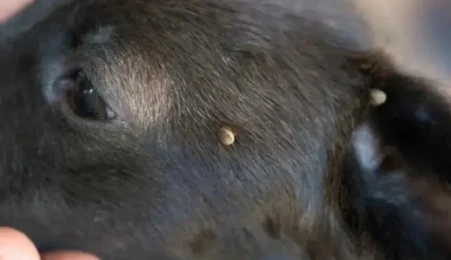

Fipronil stays in the environment for a long time, which keeps fleas from coming back. As the sebaceous glands keep making their regular amount of sebum, they slowly release the fipronil they have stored. This restores the protective layer on the skin and hair. This constant release process is what makes compound fipronil drops work for a long time, unlike treatments that wash off or break down quickly after use.
Drops of compound fipronil work mostly through direct activity rather than systemic spread. Under normal use conditions, the compound stays in the lipid-rich layers of the skin and doesn't move through the bloodstream in large amounts. Because this works through touch, fleas don't have to bite the host to get a dose of fipronil that kills them. The parasite is exposed to the active ingredient just by walking on fur that has been treated.


The contact mode of action is better than systemic medicines because the parasite doesn't have to eat before it can take in the poison. Compound fipronil drops get rid of fleas before they bite, which lowers the irritation, allergy reactions, and disease spread that come with flea bites. This method of prevention works especially well for pets that have flea allergy dermatitis or other reactions to being bitten by parasites.
As with all insecticides, metabolic resistance in flea populations can be a problem for fipronil. Some types of fleas have grown better detoxification enzymes or changed target site sensitivity, which makes fipronil less useful. The compound formulation method, on the other hand, helps reduce worries about resistance by combining several active ingredients that work in different ways. When mixed with additional chemicals, compound fipronil drops keep working well even against groups that have some resistance.


To keep compound fipronil drops working, make sure you use them correctly and follow the dosing plans that are given. If the dose is too low or the treatment isn't constant, resistant people can live and reproduce, which could spread resistance genes through the population. Following the advice of a veterinarian ensures that animals that have been treated get enough protection while reducing the pressure for resistance to develop.
How Fipronil in Compound Drops Disrupts Flea Movement and Survival Functions
When fipronil blocks chloride channels, it causes brain hyperexcitation, which has a huge effect on how fleas act and move. For insects to move normally, their sensory input, brain thinking, and motor output must all work together perfectly. Balanced excitatory and inhibitory messages in the nervous system are needed for this coordination to work. When fipronil blocks inhibitory channels, excitatory signals take over, making it hard for the flea to control its muscles.


Fleas that are affected move in a jumbled way and can't find their way around. They also lose the organised jumping behaviour that lets them move between hosts. Fleas can't get away from the treated animal or move to safe body parts because their regular movement is slowed down. Fleas can't properly place their mouthparts or keep the stance they need to get a blood meal because their motor skills aren't working well.
As brain hyperexcitation gets worse, fleas that have it go from being very active to being unable to move at all. Too many motor neurons firing over and over again causes muscles to get tired and tetanic paralysis to happen. When someone is paralysed, they can't do anything important, like breathe, eat, or reproduce. Because the flea can't control its own internal body functions, the whole system fails, and it dies.


The rate at which paralysis progresses from the first exposure depends on the dose. Fleas that are exposed to higher amounts of fipronil die faster than those that are exposed to smaller doses. Modern fipronil drops are made of a compound that ensures the right amount of concentration is delivered to paralyse the animal quickly while still keeping safety margins for the animal. With this optimised dosing, the drug's effectiveness can be predicted, which is good for both vets and pet owners.
In addition to killing fleas directly, fipronil stops them from reproducing, even in amounts that are not enough to kill them. To lay eggs, female fleas need to successfully feed on blood, but fipronil contact changes their behaviour, making eating less effective. When fleas are fed less, they lay fewer eggs, which makes it harder for the flea population to stay alive on treated hosts.


Fipronil exposure during development can also make eggs and larvae less likely to survive. Although compound fipronil drops are primarily used to kill adult fleas, it can also affect young fleas if it gets into the environment. The combined effects on adult mortality, sexual output, and developmental success make it harder for flea populations to stay in one place, which makes treatment programs more successful overall.
Compound Fipronil Drops and Flea Control: Exploring Contact-Based Parasite Action
For compound fipronil drops to work, the active ingredient needs to be able to get from the treated animal to the flea. Direct touch between the flea and treated skin or fur is how this disease is spread. Fipronil can move easily from hair that is covered in sebum to the waxy cuticle that covers the flea's body because it is lipophilic. This passive transfer process is driven by fipronil's attraction to places with lots of lipids.
The weather, humidity, and state of the animal's coat are all environmental factors that affect how well the transfer works. Higher temperatures make fipronil more mobile in skin lipids, which could make it easier for it to be spread out and move around. On the other hand, bathing or swimming a lot may lower the amount of fipronil on the skin's surface, but the protective layer is still being refilled by the sebaceous glands. Knowing about these factors helps make treatment plans work better and set realistic goals for how long they will last.
The right way to apply the insecticide makes sure that it covers the whole animal, which increases the chances that fleas will meet lethal amounts. Compound fipronil drops are made to be applied directly to the skin, usually between the shoulder blades or along the spine. From these places where it is applied, the formula slowly covers the whole body's surface through regular animal movement of skin fats and movement.
The pattern of distribution follows the natural flow of sebaceous secretions, which protects every part of the body. Higher amounts of fipronil may build up in areas with more oil glands, while areas with fewer glands get coverage through surface spreading. Properly made compound drops spread themselves, so pet owners don't have to spread or rub them on by hand. This makes the application process easier.
Compound fipronil drops not only get rid of fleas that are already there, but they also stop new ones from coming in while the treatment is going on. Any new fleas that try to settle on a treated animal will find that it is hard to do so because fipronil stays on the animal. This action helps keep fleas away, especially in homes with multiple pets or places where wildlife or stray animals bring a lot of fleas.
How long the protective effect lasts depends on the details of the composition, the animal, and the surroundings. Most compound fipronil drops protect for about four weeks, but some more modern formulas make this last longer. Following the suggested reapplication plan keeps the protection going and stops new outbreaks from starting. For complete flea control, it's important to treat all of your pets the same way every time.
The Science Behind How Compound Fipronil Drops Eliminate Flea Infestations
Molecular Structure and Binding Affinity
+
-
Fipronil's biological activity and selectivity profile are based on its molecular structure. The chemical has a phenylpyrazole core with certain substituents that make it easier for it to bind to GABA receptors in insects. The molecule's three-dimensional shape lets it fit perfectly into the chloride channel structure, stopping the flow of ions while natural GABA molecules try to move it.
Structure-activity link studies have found the chemical properties of fipronil that make it so effective at killing insects. The molecule's electron-withdrawing groups make it more apt to bind, and the lipophilic parts make it easier for it to pass through biological membranes. These features of fipronil's molecules explain why it works better than older pesticides with structures that weren't as well optimised.
Pharmacokinetic Profile in Target Organisms
+
-
Fipronil gets into the flea's cuticle and spreads through its tissues until it reaches specific points in its nervous system. Because the compound is lipophilic, it can easily cross cellular barriers and reach the right amounts where they are needed. Some pesticides need to be activated metabolically before they can work, but fipronil works in its parent form, which makes the pharmacokinetic route easier to understand and reduces response variability.
Because fipronil stays in the flea's body, it blocks channels for a long time and stops healing. Mammals break down and get rid of fipronil pretty quickly, but insects don't have good ways to get rid of this compound. Because of this difference in metabolism, compound fipronil drops are selectively poisonous, which means they are safe for use on pets while still being very effective against parasites.
Complementary Ingredients in Modern Formulations
+
-
These days, compound fipronil drops often have extra active ingredients that help control a wider range of parasites. Insect growth regulators that stop flea larvae from developing and other adulticides with methods that work with the first one are common mixes. These mixtures of different ingredients work on different stages of life and protect better against many types of parasites.
When you mix active ingredients that work well together, they may also slow down the development of resistance by putting multiple selection pressures on the system at the same time. For fleas to survive treatment, they have to become resistant to all of the parts. This is a much harder evolutionary challenge than beating just one mechanism. This multi-modal approach is the best way to get rid of parasites right now, and it explains why compound formulations are becoming more popular over single-ingredient products.
Conclusion
Combination fipronil drops are excellent flea treatments because they target parasite nervous systems while protecting animals. Suppressing GABA-gated chloride channels causes brain hyperexcitation that kills fleas quickly. Lipophilic dispersion protects long-term with regular sebaceous gland discharge.
Understanding how these combinations work helps pet owners and physicians pick therapies. Contact-based flea control kills and prevents fleas. Modern compound formulations employ better ingredients and drug delivery.
To control fleas, use trusted products, follow directions, and treat pets regularly. Following the manufacturer and vet instructions maximises safety and minimises risk. Compound fipronil drops will likely remain a feature of integrated parasite control strategies as formulation technology improves.
FAQ
1. How soon do the compound fipronil drops start to work after being put on?
+
-
Within hours of being applied, compound fipronil drops start to spread throughout the animal's body. Within 24 hours, fleas will be exposed to amounts that are deadly. Visible decrease in flea activity usually happens within the first day, but it may take a few days to completely get rid of current infections, as all stages of life are taken care of. In the first few days after application, the sebaceous gland reserve grows. This creates long-lasting defence that lasts throughout the treatment time.
2. After giving my pet compound fipronil drops, can I give it a bath?
+
-
Most manufacturers say that you should wait at least 48 hours after application to bathe so that the product can be properly distributed and a reservoir forms. Modern versions are better at resisting water, but taking a lot of baths or swimming may shorten the time they work. Even after washing, the sebaceous gland reservoir stays the same and continues to release fipronil, though amounts on the skin's surface may drop for a short time. Consulting product-specific guidelines makes sure that the product works as well as it can while still allowing for necessary hygiene tasks.
3. Do compound fipronil drops kill flea eggs and young fleas?
+
-
Through its neurotoxic effect, fipronil mostly kills adult fleas. However, a lot of compound mixtures have extra ingredients that are meant to stop egg and larval growth. Insect growth inhibitors, which are often mixed with fipronil, stop young stages from finishing their life cycle. This gives full control over all stages of development. With this multi-step method, the whole flea population is killed, not just the adults that are already on the animal.
Partner with BLOOM TECH for Premium Compound Fipronil Drops Supplier Solutions
When seeking a reliable compound fipronil drops supplier, BLOOM TECH stands as your trusted partner with over 12 years of expertise in organic synthesis and pharmaceutical intermediates. Our GMP-certified production facilities meet US, EU, and JP standards, ensuring the highest quality fipronil compounds for your formulation needs. We serve major pharmaceutical and specialty chemical companies worldwide, offering competitive pricing with transparent 10-30% margins that support long-term partnerships. Our comprehensive quality control system includes triple-layer analysis-factory testing, internal QA/QC review, and third-party certification-with full refunds guaranteed for any non-compliant products. Whether you require laboratory-scale samples or bulk manufacturing quantities, our accurate lead times and dedicated technical support ensure your project's success. Connect with our experienced team today at Sales@bloomtechz.com to discuss your compound fipronil drops requirements and discover how BLOOM TECH's quality commitment, competitive pricing, and reliable delivery can advance your flea control product development.
References
1. Bloomquist, J.R. (2003). Chloride channels as tools for developing selective insecticides. Archives of Insect Biochemistry and Physiology, 54(4), 145-156.
2. Hinkle, N.C., Koehler, P.G., & Patterson, R.S. (1997). Residual effectiveness of insecticides used for control of cat fleas (Siphonaptera: Pulicidae). Journal of Economic Entomology, 90(3), 531-536.
3. Narahashi, T., Zhao, X., Ikeda, T., Nagata, K., & Yeh, J.Z. (2007). Differential actions of insecticides on target sites: basis for selective toxicity. Human & Experimental Toxicology, 26(4), 361-366.
4. Rust, M.K. & Dryden, M.W. (1997). The biology, ecology, and management of the cat flea. Annual Review of Entomology, 42, 451-473.
5. Scheele, M. & Paterson, S. (2012). Efficacy of fipronil-based formulations against flea infestations in dogs and cats: a comprehensive review. Veterinary Dermatology, 23(1), 8-15.
6. Yoon, K.S., Strycharz, J.P., Gao, J.R., Takano-Lee, M., Edman, J.D., & Clark, J.M. (2008). An improved in vitro rearing system for the human louse allows identification of quantitative trait loci associated with permethrin resistance. Pesticide Biochemistry and Physiology, 90(1), 24-31.