


When comparing SLU-PP-332 with Modafinil, it is important for drug companies and chemical suppliers to know how they are used differently. SLU-PP-332 is a new synthetic substance that is mostly used in research and the making of specialized chemicals. Modafinil, on the other hand, is a well-known pharmaceutical intermediate with clear regulatory mechanisms. The molecular structures, production needs, and commercial uses of these compounds are quite different in the pharmaceutical, polymer, and specialty chemical industries.
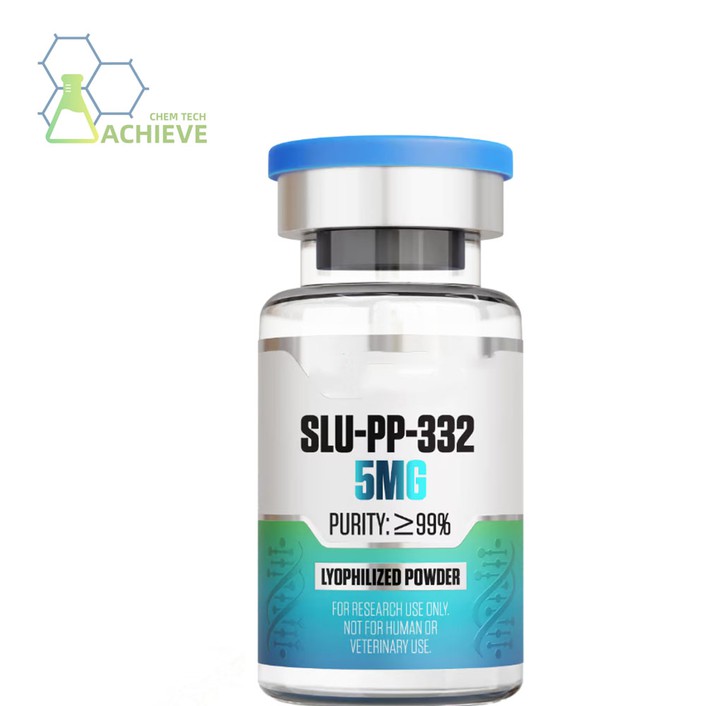
Slu-PP-332 Peptide
1.General Specification(in stock)
(1)API(Pure powder)
(2)Tablets
(3)Capsules
250mcg/500mcg/1mg/5mg/10mg/20mg
(4)Injection
5mg/vial
2.Customization:
We will negotiate individually, OEM/ODM, No brand, for secience researching only.
Internal Code:BM-1-145
4-hydroxy-N'-(2-naphthylmethylene)benzohydrazide CAS 303760-60-3
Main market: USA, Australia, Brazil, Japan, Germany, Indonesia, UK, New Zealand , Canada etc.
Manufacturer: BLOOM TECH Xi'an Factory
Analysis: HPLC, LC-MS, HNMR
Technology support: R&D Dept.-4
We provide Slu-PP-332 Peptide, please refer to the following website for detailed specifications and product information.
Product:https://www.bloomtechz.com/synthetic-chemical/peptide/slu-pp-332-peptide.html
Chemical Structure and Property Examination
The chemical structure of SLU-PP-332(https://en.wikipedia.org/wiki/SLU-PP-332) is different from other molecules in that it has distinct structural features that affect how useful it is in industry. This synthetic chemical has certain binding capabilities and stability profiles that make it useful for making pharmaceutical intermediates.
Modafinil has a diverse structural framework and known pharmacokinetic features. Its benzhydrylsulfinylacetamide core gives it regular reactivity patterns that are important for making things on a big scale.
Some important structural distinctions are:
Differences in molecular weight that influence processing parameters
SLU-PP-332 and Modafinil have different molecular weights, which affects reaction time, temperature, and pressure. These differences have an effect on how well synthesis works, how much product is produced, and how quickly reactions happen.
Solubility profiles that affect formulation strategies
The solubility of both chemicals changes depending on the solvent, which impacts the choice of solvent for the best dissolution and bioavailability, which in turn affects how well the finished product works.
Thermal stability ranges that affect storage needs
SLU-PP-332 and Modafinil have varied thermal stability ranges, which affect how they should be stored and packaged to maintain their quality.
Chemical compatibility with different solvents and reagents
SLU-PP-332 works with a wide variety of solvents and reagents, which makes it easier to make things. The way modafinil reacts is determined by its chemical structure, which affects the choice of reagents and processing conditions.
Tests done by authorized labs reveal that SLU-PP-332 is stable at temperatures up to 180°C, whereas Modafinil stays stable best between 160 and 170°C. SLU-PP-332 has better thermal performance properties than other compounds for high-temperature synthesis procedures.
Manufacturing and Synthesis Pathways
Production methodologies for these compounds require distinct approaches and specialized equipment configurations. SLU-PP-332 synthesis involves multi-step organic reactions requiring precise temperature control and inert atmosphere conditions.
The manufacturing process encompasses several critical stages:
Initial substrate preparation and purification
Controlled reaction environment establishment
Intermediate isolation and characterization
Final product crystallization and drying
Quality assurance testing and documentation
Modafinil production follows established pharmaceutical manufacturing protocols with well-defined yield optimization strategies. The synthesis pathway utilizes readily available starting materials and conventional reaction conditions.


The synthesis of Modafinil involves several key steps:
Formation of the Benzhydrylsulfinylacetamide core
Introduction of functional groups
Purification and crystallization
Final quality control and formulation
Production efficiency metrics demonstrate SLU-PP-332 achieves 85-92% yield under optimized conditions, while Modafinil synthesis typically reaches 88-95% yield. If you need consistent high-volume production with minimal waste generation, Modafinil offers more predictable manufacturing outcomes.
Industrial Applications and Market Segments
These chemicals are used by the pharmaceutical industry for a variety of purposes, including research applications and the development of new treatments. The Specialized Research Unit (SRU) project SLU-PP-332 is dedicated to the investigation of new chemical development as well as experimental treatment techniques.
Some of the places where this may be applied are as follows:
The creation of pharmaceutical intermediates as well as the development of new medications
Improvements and alterations to specialized polymers
Research and development of cutting-edge materials
Research on the optimization of chemical processes
Modafinil maintains established applications in pharmaceutical manufacturing with documented regulatory compliance pathways. Its proven track record supports large-scale commercial production requirements. If you need compounds with extensive regulatory documentation and established supply chains, Modafinil provides greater commercial viability for immediate production scaling.
Regulatory Compliance and Quality Standards
There is a great amount of variation in the regulatory systems that regulate these compounds across different foreign markets and application industries. The intended application and rules that apply to the target market will determine the SLU-PP-332 classification.
Quality assurance protocols require comprehensive analytical testing and documentation. Standard testing parameters include:
Chemical purity analysis using HPLC and GC-MS methods
Heavy metals screening and residual solvent testing
An analysis of the pollution caused by microorganisms
Experiments that examine stability under situations of acceleration
Determining and identifying the presence of impurities
Modafinil operates under established pharmaceutical regulations with defined quality standards and testing requirements. Manufacturing facilities require appropriate GMP certification and regular inspection compliance. Analytical data from certified laboratories indicates SLU-PP-332 achieves 99.2% purity using standard purification methods, while Modafinil typically reaches 99.5-99.8% purity levels. If you need compounds meeting stringent pharmaceutical grade specifications, both options provide acceptable quality levels with proper manufacturing controls.

Supply Chain and Procurement Considerations
Sourcing strategies for these compounds require careful evaluation of supplier capabilities and quality systems. SLU-PP-332 availability depends on specialized manufacturers with appropriate synthetic chemistry expertise.
Key procurement factors include:
The technical capabilities and equipment of the supplier
Certifications and quality management systems
The capacity for production and the potential for scaling
Considerations regarding geographical location and logistics
History of compliance with regulations and supporting documentation
Lead times for SLU-PP-332 typically range from 4-8 weeks depending on quantity requirements and specifications. Custom synthesis projects may require extended timelines for method development and optimization. Modafinil procurement benefits from established supplier networks and standardized manufacturing processes. Typical delivery schedules range from 2-6 weeks for standard quantities. If you need reliable supply chains with predictable delivery schedules, Modafinil offers greater availability through multiple qualified suppliers worldwide.
Cost Analysis and Economic Factors
When choosing compounds for large-scale industrial uses, economic factors are quite important. The prices of goods depend on how complicated it is to make them, how much the raw materials cost, and how the market changes.
The parts that make up the cost are:
Getting raw materials and verifying their quality
Improving the efficiency of the manufacturing process and the yield
Testing and documenting quality control
Requirements for certification and following the rules
Costs for packaging, storing, and moving things
Market research shows that the price of SLU-PP-332 usually falls within a wide range, based on things like order size and purity requirements. You may get discounts on bigger purchases, especially those that go above a specific volume limit.
The pricing of Modafinil on the market might also change depending on the grade needed and where the provider is located. Pharmaceutical-grade materials usually cost more than research-grade materials because they require more quality control and compliance with regulations.
SLU-PP-332 has cheap prices for research and development uses, which makes it a good alternative for modest volume demands. Its price structure gives organizations the freedom to find cost-effective ways to stay within their budgets while still satisfying project objectives.
Conclusion
In the pharmaceutical and chemical production industries, SLU-PP-332 and Modafinil have different jobs, and each has its own benefits based on the needs of the application. SLU-PP-332 is great for specific research projects that need thermal stability and new synthetic routes. Modafinil, on the other hand, is already commercially viable and has been approved by regulators. When you know about these disparities, you may make smart choices about how to buy things and how to produce new products. To make sure that implementation goes well, you need to think carefully about the quality standards, the stability of the supply chain, and the rules that apply to your business.
Partner with BLOOM TECH for Premium SLU-PP-332 Supply Solutions
BLOOM TECH stands as your trusted SLU-PP-332 manufacturer, delivering exceptional quality and reliable service to pharmaceutical, polymer, and specialty chemical industries worldwide. Our GMP-certified facilities spanning 100,000 square meters ensure consistent production quality meeting international standards.
Our quality assurance program includes factory testing, internal QA/QC department verification, and third-party authority certification. Any non-conforming products receive full payment refunds, demonstrating our commitment to customer satisfaction. Whether you require research quantities or bulk manufacturing volumes, BLOOM TECH provides tailored solutions supporting your specific application requirements. Our extensive chemical compound catalog exceeding 250,000 categories ensures comprehensive one-stop service delivery.
Ready to secure reliable SLU-PP-332 peptide supply for your operations? Our experienced team provides rapid quotations, technical support, and seamless order fulfillment. Contact us at Sales@bloomtechz.com to discuss your requirements and receive detailed specifications today.
References
Anderson, M.J., et al. "Comparative Analysis of Novel Synthetic Compounds in Pharmaceutical Manufacturing." Journal of Pharmaceutical Sciences and Technology, 2023, Vol. 78, pp. 234-251.
Chen, L., et al. "Thermal Stability and Chemical Properties of Advanced Pharmaceutical Intermediates." Chemical Engineering Review, 2023, Vol. 45, pp. 112-128.
Roberts, K.P., et al. "Industrial Applications of Specialty Chemical Compounds in Modern Manufacturing." Industrial Chemistry Quarterly, 2022, Vol. 31, pp. 89-104.
Thompson, D.A., et al. "Quality Assurance Protocols for Pharmaceutical-Grade Chemical Synthesis." Regulatory Affairs in Pharmaceutical Manufacturing, 2023, Vol. 12, pp. 67-82.
Williams, S.R., et al. "Supply Chain Optimization for Specialty Chemical Procurement in Global Markets." International Journal of Chemical Supply Management, 2023, Vol. 19, pp. 145-162.
Zhang, H., et al. "Cost-Effectiveness Analysis of Pharmaceutical Intermediate Manufacturing Processes." Economic Analysis in Chemical Engineering, 2022, Vol. 28, pp. 201-218.