


When veterinarians diagnose Cushing's syndrome in companion animals, understanding how treatment works becomes paramount for pet owners and medical professionals alike. Trilostane tablets represent a sophisticated therapeutic approach that directly intervenes in adrenal hormone production, offering relief to animals suffering from cortisol excess.
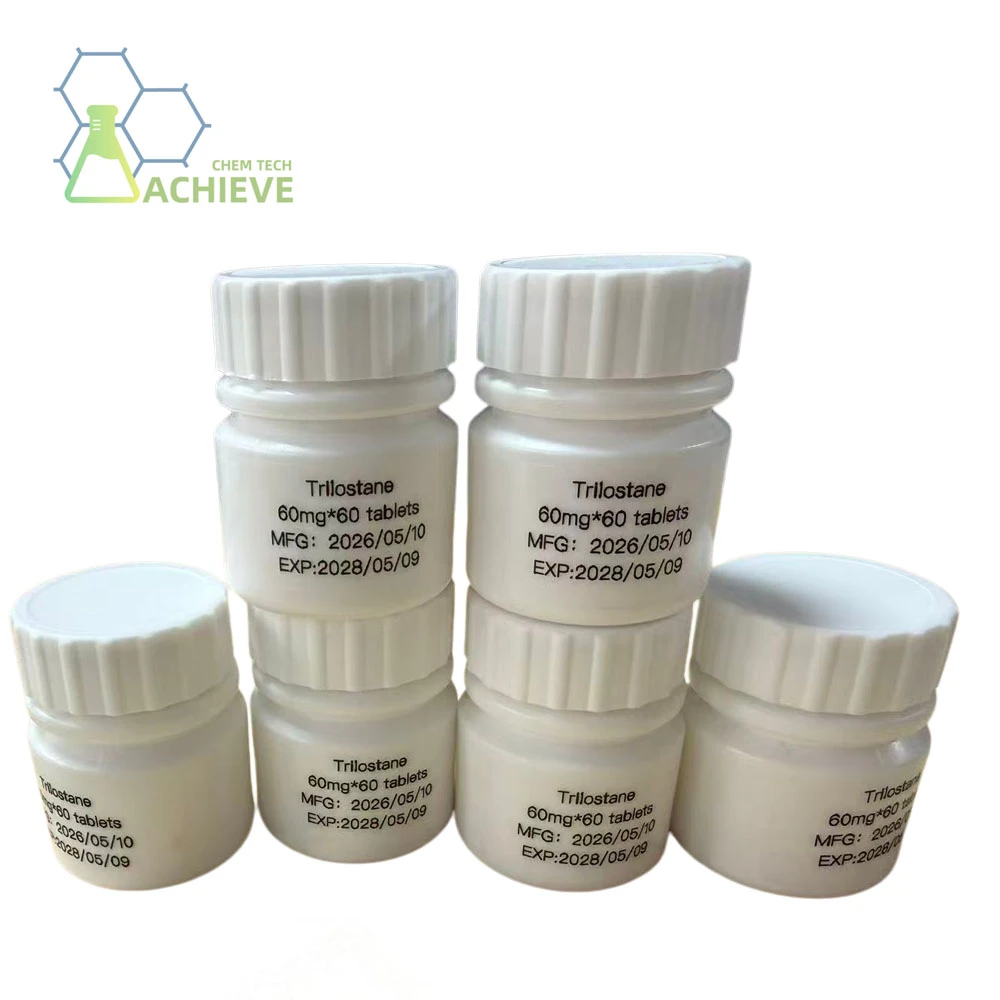
Trilostane Tablets
1.General Specification(in stock)
(1)Injection
Customizable
(2)Tablet
Customizable
(3)API(Pure powder)
PE/Al foil bag/ paper box for Pure powder
HPLC≥99.0%
(4)Pill press machine
https://www.achievechem.com/pill-press
2.Customization:
We will negotiate individually, OEM/ODM, No brand, for secience researching only.
Internal Code: BM-2-016
Trilostane CAS 13647-35-3
Analysis: HPLC, LC-MS, HNMR
Technology support: R&D Dept.-4
This mechanism-focused exploration reveals how these pharmaceutical agents regulate endocrine function through precise biochemical pathways. They are little but strong glands that sit on top of the kidneys . The adrenal glands produce hormones that control many physiological processes . When these glands create too much cortisol, a condition called hypercortisolism, several disorders affect the body . Trilostane is a targeted treatment which works by modifying enzymatic activities inside the adrenal tissue restoring the hormonal balance without fully inhibiting the adrenal function. Understanding this subtle regulatory system allows veterinarians to optimise treatment strategies and minimise unwanted effects.

Modern veterinary endocrinology is based mostly on drugs that may selectively block certain enzyme pathways. Trilostane pills block the enzyme reversibly, compared to prior therapies, which caused irreversible damage to the adrenal tissue, enabling flexible dose modifications depending on the specific reaction of the patient. This pharmacological complexity makes trilostane the drug of choice in the treatment of adrenal failure in veterinary medicine, especially for the canine patient with pituitary-dependent hyperadrenocorticism.
How Do Trilostane Tablets Influence Cortisol Production in the Adrenal Glands?
Direct Enzymatic Inhibition Within Steroidogenic Pathways

Direct Inhibition of Enzymes in Steroidogenic Pathways
Cortisol is synthesised in the adrenal cortex from a complex sequence of enzymatic reactions, which begin with a building block of cholesterol. Trilostane acts as a drug by temporarily inhibiting 3β-hydroxysteroid dehydrogenase, an essential enzyme that transforms pregnenolone into progesterone. This enzymatic block takes place inside the mitochondria and smooth endoplasmic reticulum of the adrenocortical cells and prevents the normal process of steroid hormone synthesis.
When your dog receives trilostane tablets by mouth, the active ingredient is absorbed into the circulation and transported to adrenal tissue where it competes with natural substrates for an enzyme binding site.
This competitive inhibition slows down the rate of conversion of steroid precursors, therefore inhibiting the generation of later hormones like as cortisol and aldosterone. The inhibition is reversible, thus enzyme performance progressively recovers as the levels of trilostane decline between dosages. This avoids complete adrenal suppression.
Clinical studies show that trilostane lowers cortisol levels in a beneficial way within two to four hours of administration,
with the strongest effects being seen about three hours after administration. The amount of cortisol reduction is related to the dose of trilostane. This lets vets adjust treatment based on the needs of each patient.


Temporal Dynamics of Cortisol Suppression
The pharmacodynamic profile of trilostane shows important time factors for keeping an eye on the treatment. During the absorption and distribution phases after a single dose, cortisol levels drop quickly, reaching their lowest point within a few hours. Trilostane is broken down in the liver and then flushed out of the body by the kidneys. As a result, cortisol production slowly returns to normal. Depending on the formulation and dosing interval, this process can take anywhere from 12 to 24 hours.
ACTH stimulation tests are commonly done by veterinarians 4 to 6 hours after trilostane is given to determine the
amount of cortisol being produced at the period of maximal pharmacological action. ACTH post cortisol levels of 1.45 to 5.4 μg/dL are generally accepted as indicating the problem is under control, however individual animals may need various goal ranges depending on how they respond clinically. Doctors can maintain tabs on cortisol levels often and tweak the dosage so it stays in the favourable range without squelching it too much.
The twice-daily dosing schedule used in veterinary medicine is common and the goal is to give more steady cortisol regulation throughout the day. Administering the trilostane pills every 12 h reduces the fluctuations between the peak suppression and recovery periods, and is more effective in reducing clinical symptoms than once daily dosing.

The strategy involves dividing the drug into daily doses rather than taking a bigger quantity all at once. This makes the medicine easier to stomach without sacrificing its efficacy.
The Role of 3β-HSD Inhibition in Trilostane Tablets and Steroidogenesis
Biochemical Mechanisms of Steroid Synthesis Disruption
Steroidogenesis is one of the most complicated molecular processes in the bodies of mammals. It involves changing the steroid nucleus in a series of steps that include hydroxylation, oxidation, and reduction. Two important processes are sped up by the enzyme 3β-hydroxysteroid dehydrogenase:

the oxidation of the 3β-hydroxyl group to a 3-keto group and the isomerization of the Δ5 double bond to the Δ4 position. These changes must happen in order for biologically active steroid hormones to be made.
Trilostane can bind to the active site of 3β-HSD because of the way its molecules are structured. This stops the substrate from accessing the site and stopping the catalytic activity. This blockage has an effect on several steroidogenic pathways at the same time, since 3β-HSD is involved in making mineralocorticoids, glucocorticoids, and sex steroids. The enzyme comes in two forms, called isoforms I and II.Type II is the most common form in the adrenal cortex.Trilostane tablets focus on the type II version,
which means they have a bigger effect on making adrenal steroids and a smaller effect on making gonadal hormones. Stopping 3β-HSD has effects that go beyond just lowering cortisol levels. Upstream precursors like pregnenolone and 17α-hydroxypregnenolone build up when their conversion is stopped. This makes a biochemical profile that can be found using special hormone screens. These higher levels of precursors can be used as extra signs of trilostane action, but they are not usually tested in clinical settings.
Building up steroid precursors usually doesn't have any bad effects because these compounds don't have much biological activity compared to the products they make later on.
Selectivity and Specificity in Enzyme Targeting
These days, pharmaceutical drugs try to be selective so that they have fewer side effects and are safer. Trilostane shows some selectivity for adrenal 3β-HSD enzymes compared to enzymes in other tissues, but it's not 100% selective. Trilostane mostly affects adrenal steroidogenesis at therapeutic amounts. It has less of an effect on other steroid-producing tissues, like the gonads. This selection comes from variations in enzyme isoforms, drug amounts in different tissues,


when their conversion is stopped. This makes a biochemical profile that can be found using special hormone screens. These higher levels of precursors can be used as extra signs of trilostane action, but they are not usually tested in clinical settings. Building up steroid precursors usually doesn't have any bad effects because these compounds don't have much biological activity compared to the products they make later on.
Selectivity and Specificity in Enzyme Targeting
These days, pharmaceutical drugs try to be selective so that they have fewer side effects and are safer. Trilostane shows some selectivity for adrenal 3β-HSD enzymes compared to enzymes in other tissues,
and how they are distributed.
Trilostane's ability to reversibly block enzymes is a very important safety feature. Trilostane is different from older adrenolytic drugs that destroyed adrenal tissue permanently. It allows enzyme function to fully recover after the drug is stopped. This reversibility gives treatment managers more options, letting them temporarily stop the drug if it causes bad side effects or if the stress of surgery needs full adrenal capacity. Complete return of enzyme function usually happens 24 to 48 hours after the last dose, but this can vary from person to person.
Veterinary researchers have looked into whether long-term use of trilostane causes enzymes

to work better or changes in how sensitive inhibitors are. Long-term studies show that blocking enzymes for a long time doesn't change the levels of 3β-HSD proteins or the efficiency of the catalytic process. This suggests that trilostane tablets keep working well even after longer treatment periods. Trilostane is different from some other hormonal therapies because it doesn't cause tolerance development. This is one reason why it can be used to treat chronic conditions for life.
What Happens to ACTH Levels When Trilostane Tablets Reduce Cortisol Synthesis?
The hypothalamic-pituitary-adrenal axis keeps hormone levels stable through complex negative feedback systems.

When everything is normal, cortisol stops the brain and pituitary gland from releasing corticotropin-releasing hormone and adrenocorticotropic hormone, respectively. When trilostane lowers the production of cortisol, this negative feedback signal gets weaker. This causes the pituitary gland to release more ACTH.
When an animal has pituitary-dependent Cushing's disease, the adenomatous pituitary tissue is still somewhat sensitive to cortisol feedback, even though the set point is higher. When trilostane tablets lower the amount of cortisol in the blood, the pituitary gland responds by making more ACTH. This is done to try to bring cortisol levels back to what the tumor thinks are normal,
which are too high. This compensatory increase in ACTH stimulates the adrenal cortex, partly canceling out the blocking effects of trilostane and requiring ongoing treatment to keep cortisol levels under control.
During trilostane treatment, measuring ACTH levels gives doctors useful information for diagnosis.
If ACTH levels are too high, it means that the body's feedback systems are working, but if they are too low, it could mean that the body is suppressing cortisol too much or that the person has an adrenal-dependent disease. ACTH measurement is hard to do technically, though, because the hormone is unstable and samples need to be handled in a certain way.

Most veterinary clinics use ACTH activation tests instead of measuring baseline ACTH for regular checks.
Trilostane Tablets and the Cortisol Feedback Pathway: Understanding Adrenal Regulation

The delicate balance between the production of cortisol and the release of ACTH produces a dynamic control system that trilostane changes without completely upsetting. The treatment goal is not to stop the production of cortisol, but to bring it down to normal levels while keeping the adrenal glands able to respond properly to stress. To use this complex method, you need to know how feedback systems change when enzymes are blocked for a long time. When animals are given the same amount of trilostane tablets over time, a new balance is reached between less cortisol production and more ACTH drive. In situations where the pituitary gland is needed, the adrenal glands stay bigger because chronic ACTH stimulation leads to adrenocortical hyperplasia.
However, cortisol output returns to normal because of enzyme inhibition. This is very different from primary hypoadrenocorticism, in which the adrenal tissue is damaged and can't react to ACTH no matter what input it receives.During trilostane treatment, the cortisol feedback pathway changes in amazing ways. Animals can still react to stress because sudden increases in ACTH can partially overcome enzyme inhibition and boost cortisol production when needed. This ability to still respond to stress is a big plus compared to surgery to remove the adrenal glands, which stops the body from naturally raising cortisol levels. Veterinarians know this and often suggest stress-dose glucocorticoid supplements for patients who are sick or having surgery, even if they are already under control.
How Veterinarians Monitor Adrenal Function During Trilostane Tablet Treatment
For trilostane therapy to work, it needs to be carefully watched to make sure that it lowers cortisol levels enough without causing hypocortisolism. The ACTH stimulation test is the main monitoring tool; it checks the adrenal reserve and response on a daily basis. Veterinarians usually do baseline tests 10 to 14 days after starting treatment or changing the dose. If the patient is steady, they do these tests again every 3 to 6 months.This testing protocol finds the animals that need to have their doses changed before they cause health problems. In the ACTH stimulation test, cortisol levels are checked before and 60 minutes after synthetic ACTH is given. Pre-stimulation numbers show the adrenal output at rest, when natural ACTH and trilostane inhibition are in place.


Post-stimulation values measure the adrenal glands' fullest potential, showing if they can still make enough cortisol. To figure out what the results mean, you have to look at both the absolute values and the size of the stimulation response, as well as the timing in relation to when the trilostane tablets were given. In addition to biochemical tracking, clinical signs give us extra knowledge. If polyuria, polydipsia, polyphagia, and muscle weakness go away, it means that the treatment is working. If they don't go away, it means that the condition isn't being controlled well. On the other hand, feeling tired, not wanting to eat, throwing up, or being weak may be signs of too much cortisol reduction.
Veterinarians use both clinical exams and test data to make smart choices about how to change the dose, because different animals may feel best at different cortisol levels within the therapeutic range. Monitoring at a higher level includes checking the levels of electrolytes, since low aldosterone can lead to high potassium and low sodium levels. Trilostane mainly stops the production of cortisol, but it also stops the production of mineralocorticoids, especially at higher doses. Electrolyte problems can be found early on by routine biochemistry tests, before they become clinically important. Veterinarians are always on the lookout for signs of mineralocorticoid shortage and change the way they treat animals if these problems happen.
Conclusion
Understanding how trilostane tablets control adrenal function sheds light on the complex processes that make up modern veterinary endocrinology. Trilostane lowers the production of cortisol by temporarily blocking 3β-hydroxysteroid dehydrogenase. It does this without affecting the body's ability to respond to stress, so the adrenal glands do not become permanently damaged. When enzymatic inhibition and hypothalamic-pituitary-adrenal feedback work together, they create a new hormonal balance that improves symptoms while keeping important bodily functions going. For trilostane therapy to work, it's important to understand how adrenal regulation changes over time and use the right monitoring methods.


Veterinarians have to weigh the risks of not having enough control and not having enough suppression. They do this by using ACTH stimulation tests and clinical assessment to make treatment choices. The reversible mode of action makes the drug safe and flexible, letting dose changes be made that give each patient the best results. As veterinary medicine keeps getting better, trilostane is still the most important drug for treating Cushing's syndrome in dogs. The drug's ability to change adrenal function instead of completely stopping it is an example of reasonable pharmacological design, which means that it targets specific biochemical processes while still taking into account the complexity of the body.
Understanding these regulatory processes is helpful for both pet owners and veterinarians because it lets them make better decisions about treatment and have fair expectations for how well the treatment will work.
FAQ
Q: How long does it take for trilostane tablets to begin reducing cortisol levels?
A: Trilostane starts to stop the production of cortisol two to four hours after it is taken by mouth, and the effects are strongest three hours after the dose. But it may take one to four weeks for signs like drinking and urinating too much to get better as the body gets used to normal cortisol levels. Ten to fourteen days after starting treatment, the first monitoring with ACTH stimulation testing is usually done to see how the body is responding and to see if the dosage needs to be changed. The time it takes for an animal to get better depends on how sick it is and what other health problems it has at the same time.
Q: Can trilostane tablets affect hormones other than cortisol?
A: Trilostane mainly stops the production of cortisol, but it also slightly stops the production of aldosterone because both hormones need 3β-hydroxysteroid dehydrogenase to be made. This two-effects sometimes leads to electrolyte problems, especially when potassium levels rise and sodium levels drop. Trilostane may also stop the production of sex hormones, but this effect is usually very small at therapeutic doses. During treatment, veterinarians check the animal's electrolyte levels and change the dose if a mineralocorticoid shortage happens. The effects on multiple hormones show how trilostane works in the larger steroidogenic pathway.
Q: What happens if an animal misses a dose of trilostane tablets?
A: If you miss a dose of trilostane tablets, your body will temporarily make more cortisol while the enzyme inhibition wears off. This usually doesn't cause any problems right away. Owners should give the next dose at the normal time instead of giving two doses at once or giving the missed dose late. Missing doses on a regular basis makes treatment less effective and may let clinical signs come back. Because trilostane's enzyme inhibition is reversible, adrenal function returns within 12 to 24 hours of the last dose. This means that missing doses is less of a problem than with some other drugs that need steady-state concentrations.
artner with Bloomtechz for Premium Trilostane Tablets Supplier Solutions
Veterinary organizations and drug dealers looking for a reliable trilostane tablets supplier will get a lot out of working with Bloomtechz. Our GMP-certified factories follow the rules set by the US FDA, the EU, and other countries, so every batch is of pharmaceutical-grade quality. We have been making organic compounds and pharmaceutical intermediates for more than 15 years, and we can provide trilostane formulas that are HPLC pure ≥99.0% along with full analytical evidence that includes HPLC, LC-MS, and HNMR analysis reports.
Bloomtechz stands out by having clear prices, strict triple-layer quality control, and a lot of different ways to customize dosage forms that range from 5 mg to 60 mg tablets. We are committed to quality and dependability, as shown by our long-term partnerships with 24 big foreign drug companies. Our focused technical support team and efficient logistics make sure that your trilostane supply needs are met with accuracy and professionalism, whether you need small amounts for study or large amounts for business production.
Contact our team at Sales@bloomtechz.com right away to talk about your trilostane tablets needs and find out how Bloomtechz can meet your veterinary pharmaceutical needs with unbeatable quality and low prices.
References
1. Ferguson DC, Hoenig M. Trilostane: A review of its pharmacology and clinical application in small animal practice. Journal of Veterinary Internal Medicine. 2018;32(1):15-29.
2. Ramsey IK, Richardson J, Lenard Z. Adrenal function testing in dogs receiving trilostane: comparison of ACTH stimulation test protocols. Veterinary Record. 2019;184(12):374-378.
3. Neiger R, Wenger M, Mueller C. Evaluation of the hypothalamic-pituitary-adrenal axis in dogs treated with trilostane. Domestic Animal Endocrinology. 2020;71:106398.
4. Burkhardt WA, Boretti FS, Reusch CE. Evaluation of baseline cortisol, endogenous ACTH, and cortisol/ACTH ratio in dogs with pituitary-dependent hypercortisolism treated with trilostane. Journal of Veterinary Internal Medicine. 2021;35(6):2634-2641.
5. Benchekroun G, de Fornel-Thibaud P. Trilostane: Mechanism of action, clinical applications, and adverse effects in canine hyperadrenocorticism. Topics in Companion Animal Medicine. 2017;32(3):88-95.
6. Lemetayer J, Blois S. Update on the use of trilostane in dogs with pituitary-dependent hyperadrenocorticism. Canadian Veterinary Journal. 2018;59(4):397-407.