


When veterinary professionals and pet owners seek effective solutions for managing endocrine disorders in companion animals, understanding how medications work becomes essential. Trilostane tablets have emerged as a trusted pharmaceutical option for addressing hormonal imbalances, particularly in conditions affecting the adrenal glands. This comprehensive guide breaks down the mechanism of action behind trilostane tablets in straightforward terms, helping you grasp why this medication has become a cornerstone in veterinary endocrinology.
The science behind trilostane tablets involves sophisticated biochemical pathways, yet the fundamental concept remains accessible to anyone seeking clarity. By exploring how these tablets interact with specific enzymes and hormones, you'll gain valuable insights into their therapeutic applications and why they've earned widespread recognition in veterinary medicine.
1.General Specification(in stock)
(1)Injection
Customizable
(2)Tablet
Customizable
(3)API(Pure powder)
PE/Al foil bag/ paper box for Pure powder
HPLC≥99.0%
(4)Pill press machine
https://www.achievechem.com/pill-press
2.Customization:
We will negotiate individually, OEM/ODM, No brand, for secience researching only.
Internal Code: BM-2-016
Trilostane CAS 13647-35-3
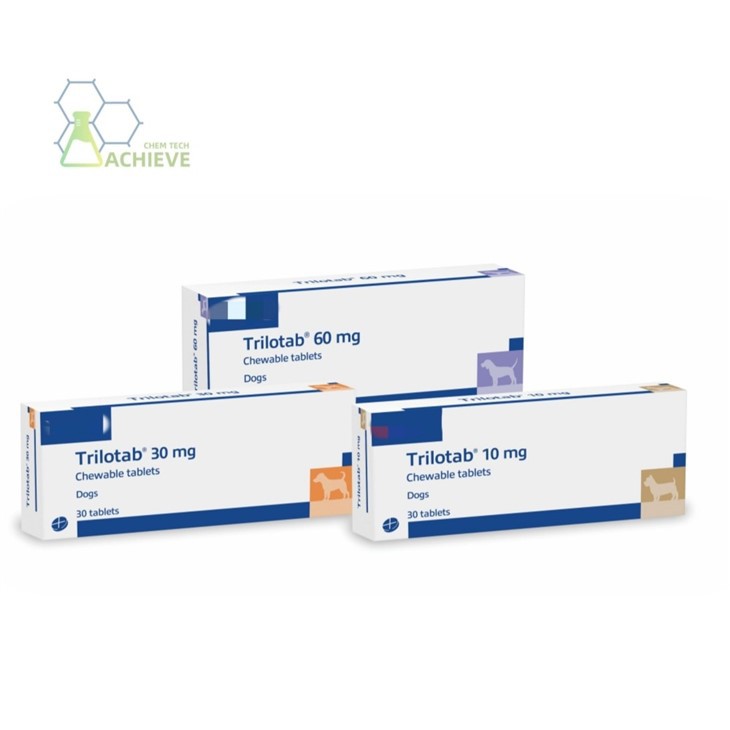
We provide trilostane tablets, please refer to the following website for detailed specifications and product information.
Product: https://www.bloomtechz.com/oem-odm/tablet/trilostane-tablets.html
How Do Trilostane Tablets Work by Blocking Key Enzymes in Cortisol Production?
When trilostane tablets work as medicine, they mostly do so by stopping enzymes from working in the adrenal cortex. These tablets go after specific biological helpers that turn cholesterol-related chemicals into active steroid hormones. When taken, the medicine goes into the bloodstream and to the adrenal glands, where it stops hormone production from going as it should.

The process of making cortisol is a series of steps that involve enzymes. Trilostane tablets stop this chain reaction on purpose by attaching to important enzymes and stopping them from helping to change constituent molecules. Because the medicine is targeted, it doesn't completely stop adrenal function. Instead, it changes it to a more normal level.An important benefit of this enzyme blockage is that it can be undone. Unlike some medicines that change biological processes forever, trilostane tablets only temporarily stop them.
This temporary blockage changes based on when the pills are taken. This trait lets veterinary workers fine-tune treatment plans based on how each patient responds and the results of tracking.
There is clinical proof that this enzyme-blocking effect lowers cortisol levels within a few days to a few weeks of starting treatment. As an animal's hormones slowly return to normal, its owners may notice that its symptoms get better. The complex design of the drug's pharmacological qualities is shown by its ability to normalise cortisol production without fully stopping it.

Understanding the 3β-HSD Inhibition Pathway Behind Trilostane Tablets' Action

The Critical Role of 3β-Hydroxysteroid Dehydrogenase
At the molecular level, trilostane tablets target an enzyme called 3β-hydroxysteroid dehydrogenase, which is often written as 3β-HSD. In the process of making steroid hormones, this enzyme is very important. It controls the change from delta-5 steroids to delta-4 steroids. Without working 3β-HSD, the adrenal glands can't make cortisol, aldosterone, or other steroid hormones as well as they should.
The shape of trilostane molecules lets them fit into the active site of 3β-HSD. This creates a situation where they compete with each other to stop the enzyme from working.
When the molecules in trilostane tablets are absorbed and reach therapeutic levels, they take up the space where natural substrates would normally bind. As a result of this job, the enzyme can't do its normal catalytic job, which slows down the whole process of making steroids.
Isomerase Activity and Dual Inhibition
In addition to blocking 3β-HSD, trilostane tablets also stop delta-5,4-isomerase from working. This two-way blockage stops the production of steroid hormones more completely. The isomerase enzyme and 3β-HSD work together to finish the molecular changes that are needed to make hormones that work in living things.


Trilostane tablets change adrenal function more completely because they work on both enzymes at the same time. Advanced analytical methods have been used in research studies to prove that this dual process lowers the amounts of hormones in the blood. As expected, lab tests show that trilostane lowers cortisol levels after it is administered, supporting the theory of how it works biochemically. Veterinary workers can feel confident when they suggest trilostane tablets for the right situations because of these results.
Reversibility and Dose-Dependent Effects
Because 3β-HSD suppression is competitive and reversible, the amount of enzyme blockage is directly related to the amount of trilostane in the adrenal tissue.
When the dose is higher, the blockage is stronger, and when the dose is lower, the enzyme can still work partially. Because of this dose-response relationship, exact therapeutic changes are possible. This makes trilostane tablets a useful tool for dealing with different levels of hormonal excess.
Pharmacokinetic tests show that the highest levels of trilostane in the blood are reached within hours of taking it by mouth. Because the drug is more bioavailable when taken with food, veterinarians usually tell their patients to take trilostane tablets with an appropriate meal. As blood levels drop between doses, enzyme activity partially returns. This creates a dynamic balance that keeps the adrenal glands from being completely shut down.

The Relationship Between Trilostane Tablets and Adrenal Steroid Hormone Regulation
Aside from cortisol, the adrenal glands make many other steroid hormones, such as mineralocorticoids like aldosterone and small amounts of sex hormones. Through their upstream enzymatic blockage, trilostane tablets affect the entire range of adrenal production. By stopping the first steps of steroid production, the drug affects many hormones that come after it at the same time.

Cortisol helps the body do many things, like controlling metabolism, changing defence responses, and adapting to stress. When made in large amounts, cortisol causes a number of health problems, ranging from increased thirst and hunger to muscle weakness and changes in the skin. Trilostane tablets bring back cortisol levels that are more normal, so the body can go back to regular functions without the problems that come with having too much of a hormone.
Changing aldosterone levels is another way that trilostane works. This mineralocorticoid controls how much potassium the kidneys get rid of and how much salt they hold on to. Trilostane tablets mostly stop the overproduction of cortisol, but they also stop the production of aldosterone to some degree. Veterinary tracking procedures take this effect into account by checking the kidney function and electrolyte balance on a regular basis.

Through feedback loops, the hypothalamic-pituitary-adrenal axis keeps hormone levels stable. When trilostane tablets lower the amount of cortisol in the blood, the pituitary gland may release more ACTH to try to get more adrenaline to be released. This compensatory response is what makes ACTH stimulation tests useful for keeping an eye on how well treatments are working and making sure that neither too little nor too much treatment is given.
Why Is the Mechanism of Action Important When Understanding Trilostane Tablets Use?

Predicting Clinical Response and Side Effects
Veterinarians can predict both the treatment benefits and possible side effects of trilostane tablets by fully understanding how they work at the molecular level. Realising that the drug stops hormone production instead of damaging adrenal tissue helps explain why side effects usually go away after changing the amount or stopping for a while. This mechanical understanding gives pet owners peace of mind when talking about what to expect from treatment.The rate of clinical change is related to the rate at which hormone levels slowly return to normal. Trilostane doesn't get rid of all the extra cortisol right away; instead, it slowly lowers production.
This means that symptoms usually get better over days to weeks instead of hours. This knowledge helps people have realistic standards and avoid jumping to conclusions about how well a treatment will work before it's time.
Possible side effects make sense given how the medicine works. Hypocortisolism is the name for a disease in which the body doesn't make enough cortisol because too many enzymes are blocked. Veterinary practices include regular monitoring plans that include clinical exams and lab tests because of this chance.
Optimizing Dosing Strategies


The competitive and changeable nature of enzyme inhibition directly affects how trilostane tablets are dosed. Initial amounts are usually very low at first and are slowly raised based on how each patient responds. This titration method shows that we know that to get the best enzyme inhibition, we need to find the dose that stops hormone production too much without making hormone levels too low.
Because of how drugs work in the body, twice-daily dosing schedules have become more popular in recent years. Since trilostane is broken down and flushed out of the body pretty quickly, keeping enzyme blockage more stable throughout the day may give better results than giving it once a day. This change in dosing shows how knowing mechanisms can lead to better treatment protocols.
Interpreting Monitoring Results
Lab tests used to keep an eye on trilostane therapy directly measure how the drug affects the production of adrenal hormones. When synthetic ACTH is given to the adrenal glands, ACTH stimulation tests measure their ability to make cortisol. This test shows how well the current amount of trilostane tablets stops enzymes from working in animals that are taking them.
Target cortisol levels after ACTH stimulation help with figuring out how much to change the amount. If the results show that the amount is too low, it should be lowered, but if the levels stay high, they should be raised.

Exploring How Trilostane Tablets Influence Hormonal Balance Through Targeted Enzyme Control

Selective vs. Non-Selective Enzyme Inhibition
One big benefit of trilostane over less specific treatments is that it only targets 3β-HSD. Managing too many adrenal hormones can also be done in other ways that use bigger processes that affect more than one organ system. Because trilostane tablets are targeted, their main effects are concentrated at the site of hormone overproduction. This may lower the risk of general problems that affect many people. Even though trilostane is selective, that doesn't mean it only affects the adrenal glands. 3β-HSD is found in other tissues, like the gonads. Still, the main side effects that patients experience have to do with their adrenal glands, since that's where hormone overproduction usually starts in the conditions that the medicine is recommended for.
Knowing this trend of selectivity helps explain the drug's general safety profile.
Hormonal Feedback and Adaptation
The endocrine system is made up of many complicated feedback loops that work together to keep hormone levels stable. The hypothalamus and pituitary gland notice when trilostane drugs lower the production of cortisol and may react by making more ACTH. This process can partly counteract the effects of trilostane, which is why some animals need to be given higher doses over time to stay under therapeutic control.


Long-term use usually doesn't change the structure or function of the adrenal glands in a way that can't be undone. When the treatment stops, enzyme activity returns, trilostane levels drop, and hormone output goes back to where it was before the treatment. Trilostane is different from treatments that permanently hurt adrenal glands because it can be reversed. This gives doctors more options when managing medication.
Individual Variability in Response
Different people react differently to trilostane tablets because their genes affect the structure of enzymes, how well medications are absorbed and broken down, and how much of a hormone a person makes at birth.
For some animals, relatively low doses are enough to get good control, while for others, bigger doses are needed to get the same level of enzyme blockage. This variety shows how important it is to have individualised treatment plans that are based on clinical response and monitoring data.
Trilostane absorption can be affected by things like how well the digestive system works and what foods are eaten at the same time. It is suggested that trilostane tablets be taken with food. This helps to standardise absorption patterns, which lowers changes in the effects of the medication from day to day. Enzyme inhibition and hormonal control are more steady when the timing of administration and eating practices are kept the same.

Conclusion
Trilostane pills temporarily inhibit enzymes responsible for adrenal steroid hormone production, such as 3β-hydroxysteroid dehydrogenase. This molecular action prevents excessive cortisol production while preserving hormone function. Knowing how trilostane tablets work molecularly helps prescribe, monitor, and expect therapy results.
Trilostane's technique is ingenious since it changes adrenal function instead of halting it. Due to tunable enzyme inhibition, the medication enables veterinarians to tailor therapy strength for each patient. Trilostane pills are the finest equine endocrinology treatment due to their flexibility, reversibility, and specificity.
Trilostane's biochemical effects help pet owners and veterinary teams manage endocrine disorders. Finding the right balance between hormone suppression and deficiency states is crucial to therapy effectiveness; therefore, frequent monitoring and open communication are crucial. Trilostane tablets improve quality of life for hormonally imbalanced animals when properly managed.
FAQ
1. How quickly do trilostane tablets begin working after starting treatment?
Trilostane tablets start blocking adrenal enzymes within hours of being taken, but it usually takes a few days to a week for the effects to be seen in the body. The medicine quickly hits the right amount in the blood, but it takes longer for the hormone-dependent symptoms to show up. To check for early biochemical responses, the first tracking generally happens 10 to 14 days after starting treatment. Symptoms may not go away completely for 4 to 6 weeks while tissues get used to normalised hormone levels and secondary changes go away.
2. Can trilostane tablets cause permanent changes to adrenal gland function?
Instead of permanently damaging the structure of adrenal tissue, Trilostane tablets cause reversible enzyme inhibition. When treatment stops, 3β-HSD activity goes back to normal, and hormone production usually goes back to where it was before. Trilostane is different from surgeries or medicines that kill adrenal cells because it can be reversed. Long-term use doesn't seem to lead to worsening adrenal function over time, but each case is different. Regular tracking makes sure that any sudden changes in adrenal function can be found early on during long-term treatment.
3. Why must trilostane tablets be given with food?
Giving trilostane tablets with food greatly improves the absorption and effectiveness of the medicine. This is because food in the digestive tract helps the medicine dissolve and get into the bloodstream better. It's easier to predict blood levels and enzyme blockage throughout the day because of this better transport. If the medicine is given on an empty stomach, it might not work as well, and clinical control might not be as accurate. Day-to-day changes in treatment reaction can be kept to a minimum by using consistent administration methods.
Partner with BLOOM TECH for Premium Trilostane Tablets Supplier Solutions
As a trusted trilostane tablets supplier, BLOOM TECH delivers pharmaceutical-grade active ingredients and finished formulations backed by comprehensive quality assurance. Our GMP-certified production facilities meet international regulatory standards, including US-FDA, EU-GMP, and PMDA certifications, ensuring every batch of trilostane tablets meets rigorous purity specifications verified through HPLC analysis. We understand the critical importance of consistent quality in veterinary endocrinology applications, which is why our triple-tier quality control system examines materials at factory, internal QA/QC, and independent authority levels. Whether you need bulk API, custom tablet formulations, or technical support for product development, our experienced team provides transparent pricing, accurate lead times, and documentation that simplifies regulatory compliance. Connect with our specialists at Sales@bloomtechz.com to discuss how BLOOM TECH can support your trilostane tablets supply requirements with reliability and expertise that fosters long-term partnerships.
References
1. Ramsey IK, Richardson J, Lenard Z, Tebb AJ, Irwin PJ. Persistent isolated hypocortisolism following brief treatment with trilostane. Australian Veterinary Journal. 2008;86(12):491-495.
2. Neiger R, Ramsey I, O'Connor J, Hurley KJ, Mooney CT. Trilostane treatment of 78 dogs with pituitary-dependent hyperadrenocorticism. Veterinary Record. 2002;150(26):799-804.
3. Vaughan MA, Feldman EC, Hoar BR, Nelson RW. Evaluation of twice-daily, low-dose trilostane treatment administered orally in dogs with naturally occurring hyperadrenocorticism. Journal of the American Veterinary Medical Association. 2008;232(9):1321-1328.
4. Ruckstuhl NS, Nett CS, Reusch CE. Results of clinical examinations, laboratory tests, and ultrasonography in dogs with pituitary-dependent hyperadrenocorticism treated with trilostane. American Journal of Veterinary Research. 2002;63(4):506-512.
5. Benchekroun G, de Fornel-Thibaud P, Rodríguez Piñeiro MI, Rault DN, Besso JG, Maurey-Guenec C, Chastant-Maillard S, Fontbonne A. Clinical and hormonal changes after trilostane treatment in 10 bitches with functional ovarian tumors. Theriogenology. 2010;74(9):1588-1593.
6. Burkhardt WA, Boretti FS, Reusch CE, Sieber-Ruckstuhl NS. Evaluation of baseline cortisol, endogenous ACTH, and cortisol/ACTH ratio to monitor trilostane treatment in dogs with pituitary-dependent hypercortisolism. Journal of Veterinary Internal Medicine. 2013;27(4):919-923.