


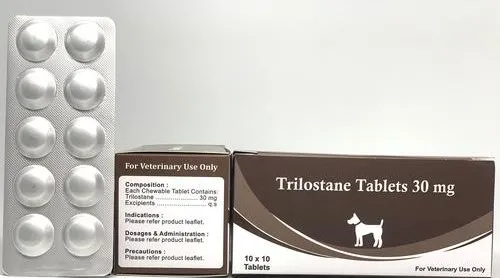

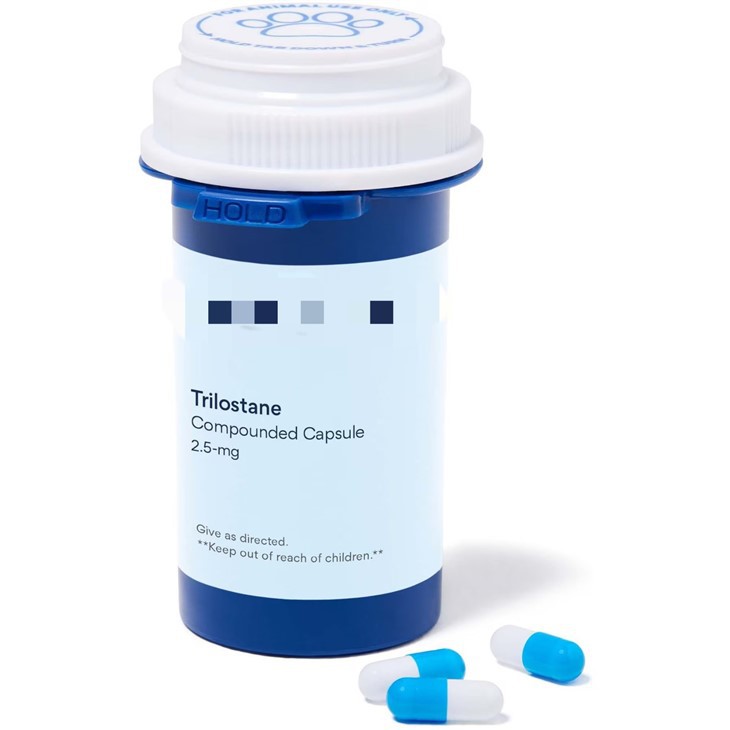
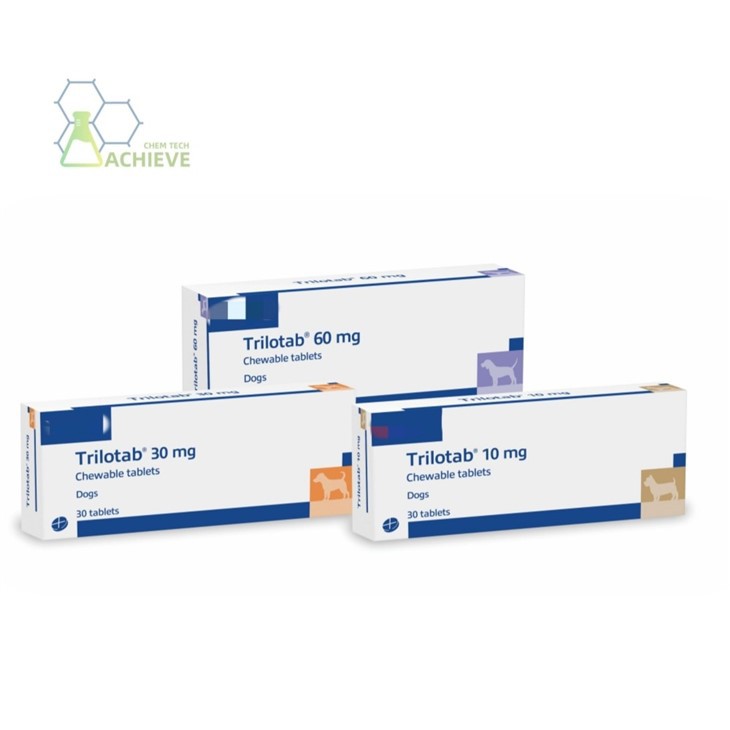
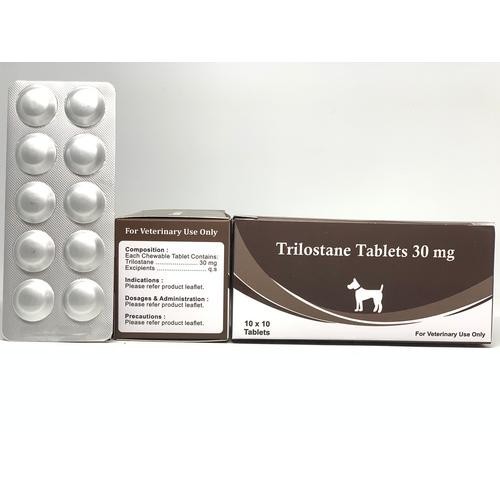
Trilostane tablets are one of the commonly used dosage forms in clinical practice, typically with a specification of trilostane 5mg,trilostane 10 mg,trilostane 20 mg ,trilostane 30mg,trilostane 60mg Wait for different doses to meet the treatment needs of different patients. The design of the tablet is convenient for patients to take orally and the dosage is accurate, making it suitable for long-term medication management.
Trilostane is an artificially synthesized steroid compound with the chemical name 4 α, 5 α - epoxy-2-cyano-androst-2-ene-3,17 β - diol, molecular formula C20H27NO3, and molecular weight 329.43. Its appearance is a white to brown powder with a melting point of 264 ° C and a specific optical rotation of D25+137.4 ° (c=1 in pyridine). The solubility of the drug in DMSO is ≥ 17mg/mL, and the storage conditions are 2-8 ° C. Trolostan exerts its pharmacological effects by inhibiting 3 β - hydroxysteroid dehydrogenase and △ 5,4-isomerase, blocking the biosynthesis of mineralocorticoids and glucocorticoids.
Our product
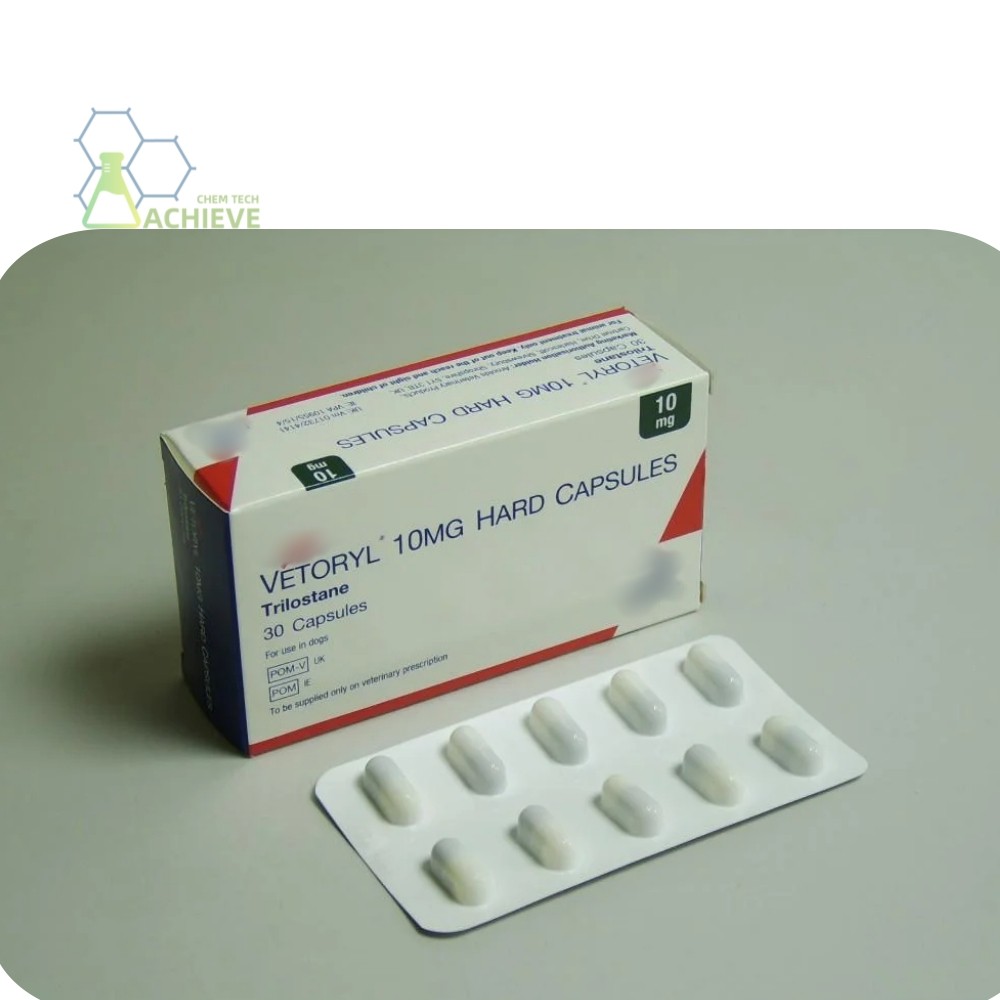
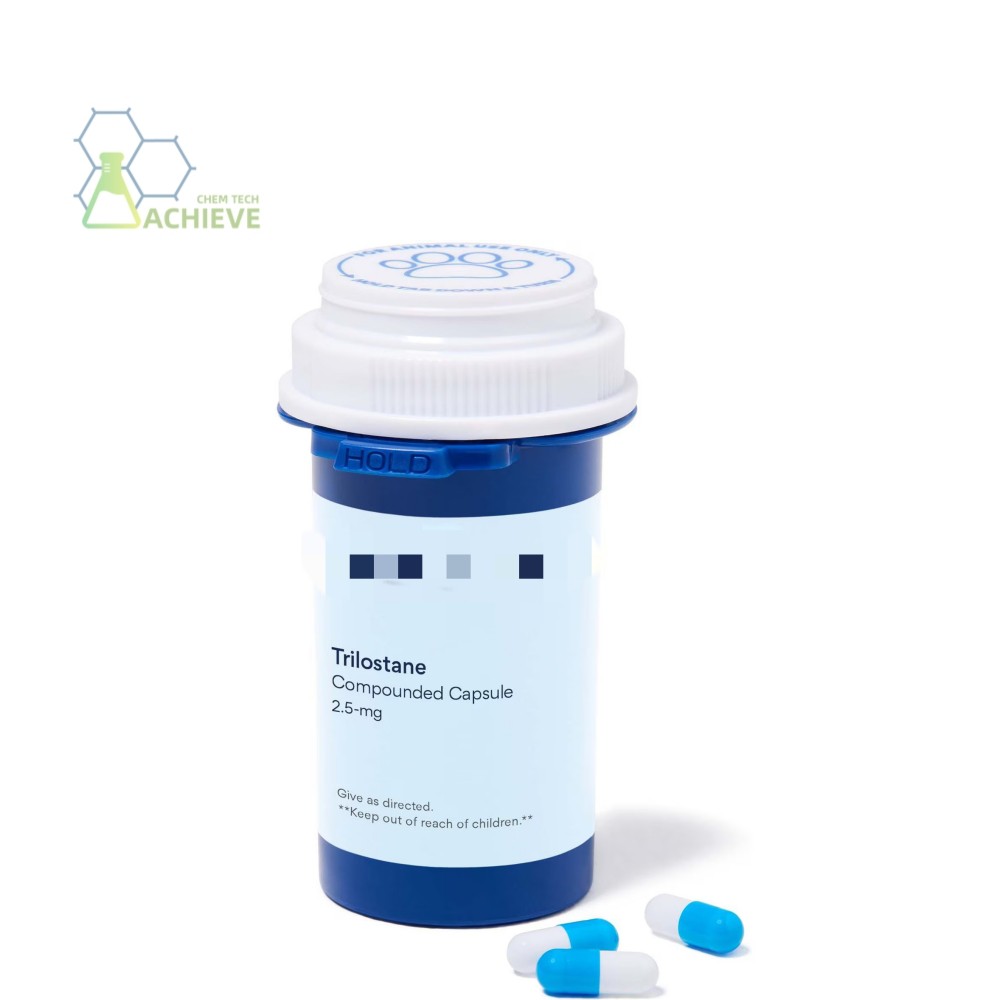
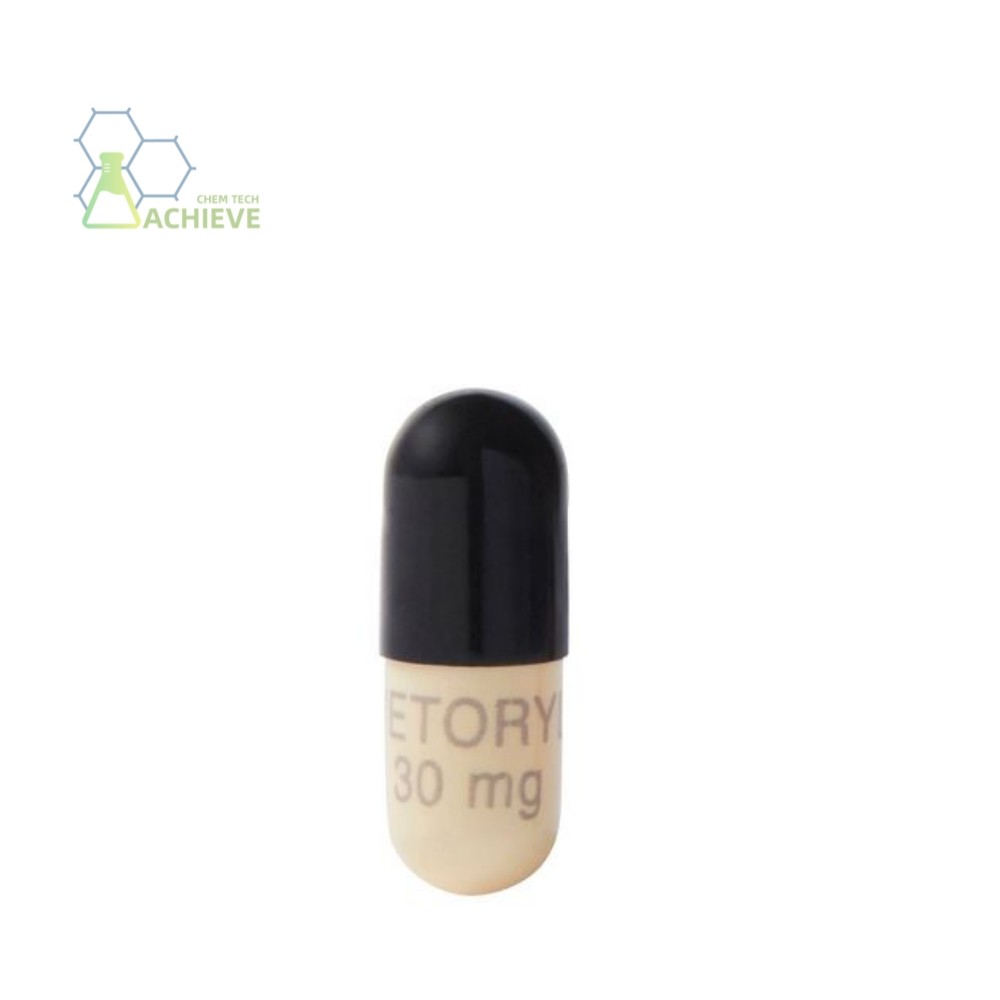


Additional information of chemical compound:
| Product Name | Trilostane Tablets | Trilostane Capsule |
| Product Type | Tablets | capsule |
| Product Purity | HPLC≥99.0% | ≥99% |
| Product Specifications | Customizable | Customizable |
| Product Package | Customizable | Customizable |
|
|
|
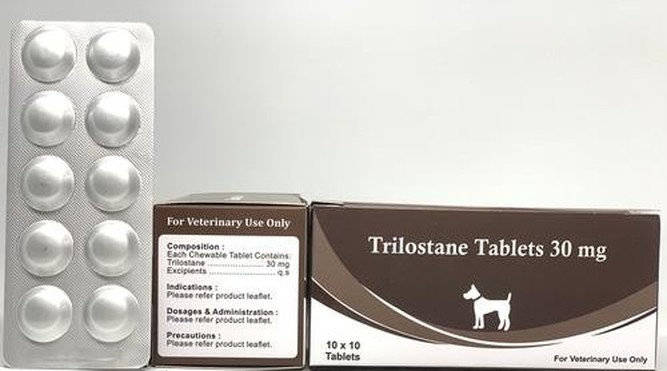

Ceftiofur+. COA
 |
||
Certificate of Analysis |
||
|
Compound name |
Trilostane | |
|
CAS No. |
13647-35-3 | |
|
Grade |
Pharmaceutical grade | |
|
Quantity |
Customized | |
|
Packaging standard |
Customized | |
| Manufacturer | Shaanxi BLOOM TECH Co., Ltd | |
|
Lot No. |
20250109001 |
|
|
MFG |
Jan 12th 2025 |
|
|
EXP |
Jan 8th 2029 |
|
|
Structure |
|
|
| TEST STANDARD | GB/T24768-2009 Industry. Stnndard | |
|
Item |
Enterprise standard |
Analysis result |
|
Appearance |
White or almost white powder |
Conformed |
|
Water content |
≤4.5% |
0.30% |
| Loss on drying |
≤1.0% |
0.15% |
|
Heavy Metals |
Pb≤0.5ppm |
N.D. |
|
As≤0.5ppm |
N.D. | |
|
Hg≤0.5ppm |
N.D. | |
|
Cd≤0.5ppm |
N.D. | |
|
Purity (HPLC) |
≥99.0% |
99.5% |
|
Single impurity |
<0.8% |
0.48% |
|
Residue on ignition |
<0.20% |
0.064% |
|
Total microbial count |
≤750cfu/g |
80 |
|
E. Coli |
≤2MPN/g |
N.D. |
|
Salmonella |
N.D. | N.D. |
|
Ethanol (by GC) |
≤5000ppm |
400ppm |
|
Storage |
Store in a sealed, dark and dry place at-20 degrees |
|
 |
||
|
|
||
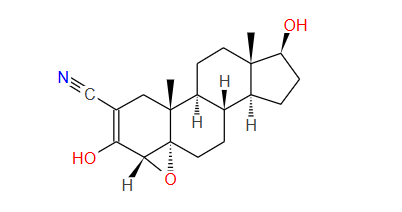


Pharmacological effects and mechanisms
Inhibition of Adrenal Corticosteroid Synthesis
Trilostane tablets the biosynthesis of cortisol and aldosterone by reversibly inhibiting 3 β - hydroxysteroid dehydrogenase and △ 5,4-isomerase in the adrenal cortex. This mechanism makes it an effective drug for treating Cushing's syndrome (Cushing's syndrome) and primary aldosteronism. Compared with metolazone, trilostane has slightly inferior efficacy in the treatment of Cushing's syndrome, but it has fewer side effets and higher safety.
Regulating estrogen receptor expression
Trolostan not only exerts anti-cancer effets by reducing estrogen levels, but also regulates the binding of estrogen to different subtypes of estrogen receptors. Estrogen receptor alpha (ER alpha) is associated with cell proliferation, while estrogen receptor beta (ER β) has an inhibitory effet on cell proliferation. Tromestane can enhance the binding of estrogen to ER β and weaken its effet on ER α, thereby blocking and altering the negative effets of estrogen on cancer cells. This dual effet makes it have unique advantages in the treatment of hormone dependent breast cancer.
Anti inflammatory and immune regulatory effects
Trolostan exerts anti-inflammatory effets by inhibiting cyclooxygenase in arachidonic acid metabolism, reducing the synthesis of prostaglandin E2. In addition, the drug can also affect the function of macrophages, enhance the body's immune response, but at the same time inhibit excessive inflammatory reactions. This immunomodulatory effet makes it potentially valuable for the treatment of autoimmune diseases.
Hypoglycemic and Diuretic Effects
Tromestane can directly dilate peripheral blood vessels, reduce cardiac afterload, and thus achieve the goal of lowering blood pressure. At the same time, it also has a diuretic effet, reducing edema by promoting the kidneys to excrete excess water from the body. These effets make it have certain auxiliary effets in the treatment of hypertension and heart failure.
Anti androgen like effects
Tromestane can inhibit the activity of 5 α - reductase, reduce the conversion of testosterone to dihydrotestosterone, and thus exert anti androgen like effets. This mechanism has potential application value in the treatment of benign prostatic hyperplasia and androgen dependent alopecia.
Inhibition of platelet aggregation
Tromestane can block platelet activating factor receptors, thereby inhibiting platelet aggregation and preventing thrombosis. This role is of great significance for preventing cardiovascular diseases.

Adverse reactions and safety
Common adverse reactions:
The adverse reactions of trilostane mainly include nausea, vomiting, diarrhea, headache, and rash. Nausea and vomiting may be caused by medication stimulating gastrointestinal smooth muscles or affecting the central nervous system. Diarrhea is usually caused by the direct stimulation of the gastrointestinal mucosa by trilostane, which accelerates intestinal peristalsis. Headache is a common neurological symptom that may be induced by trilostane by dilating intracranial blood vessels to enhance cerebral blood flow. The occurrence of rash may be related to an individual's allergy to trilostane.
Serious Adverse Reactions:
Although there are fewer side effets of trilostane, serious adverse reactions may still occur in some cases. For example, long-term and extensive use of trilostane may lead to liver and kidney function damage, bone marrow suppression, and so on. In addition, troxostat may also cause endocrine disorders such as iatrogenic adrenal insufficiency.
Safety Monitoring:
During the use of troxostat, patients' liver and kidney function, blood routine, and cortisol levels should be regularly monitored. For patients who experience adverse reactions, the dosage should be adjusted or discontinued in a timely manner, and corresponding symptomatic treatment should be given. In addition, patients should be informed of possible adverse reactions and their corresponding measures to improve medication adherence.

Treatment of Cushing's syndrome
Tromestane is one of the commonly used drugs for treating Cushing's syndrome, especially suitable for elderly animals (such as elderly dogs) with Cushing's syndrome. Clinical studies have shown that troxostat can alleviate symptoms of Cushing's syndrome in over 90% of dogs and improve their quality of life. This drug improves the clinical symptoms of patients by inhibiting the synthesis of cortisol and reducing excessive secretion of cortisol.


Treatment of primary aldosteronism
Trolostan effectively treats primary aldosteronism by inhibiting the synthesis of aldosterone and reducing plasma aldosterone concentration. This drug can significantly improve patients' blood pressure and electrolyte imbalance symptoms, and enhance their quality of life.
Treatment of hormone dependent breast cancer
Tralostam has unique advantages in the treatment of hormone dependent breast cancer. It inhibits the growth and spread of cancer cells by reducing estrogen levels and regulating estrogen receptor expression, blocking and altering the negative effets of estrogen on cancer cells. Clinical studies have shown that tralostam is still highly effective for breast cancer patients who fail or are resistant to other anti estrogen therapies.


Medication guidance and dosage adjustment
Initial dose and administration plan
The initial dose of trilostane tablets should be adjusted based on factors such as the patient's weight, severity of the condition, and liver and kidney function. For patients with Cushing's syndrome, the FDA guidelines recommend an initial dose range of 2.2-6.7 mg/kg, administered every 24 hours. However, in clinical practice, it has been found that using a lower dose, twice daily dosing regimen may be better. For example, taking 0.8-1 mg/kg orally every 12 hours (along with food).
Dose adjustment and monitoring
During the treatment process, dosage adjustments should be made based on the patient's clinical symptoms, cortisol levels, and liver and kidney function indicators. Usually, the first follow-up should be scheduled 10-14 days after starting treatment or adjusting the dosage. If clinical symptoms persist, the dosage needs to be increased, typically by 10% -50%. Another strategy is to adjust the dosing frequency, such as changing from once a day to two or three times a day.
Medication for special populations
For elderly people, children, pregnant women, and patients with liver and kidney dysfunction, the dosage of trilostane should be carefully adjusted. Due to decreased liver and kidney function, as well as decreased drug metabolism and excretion ability, elderly people need to reduce their dosage to avoid drug accumulation. Pregnant and lactating women should avoid using troxostat to prevent adverse effects on the fetus or infant.
Drug Interactions
Tromestane interacts with multiple drugs. For example, co administration with lithium preparations may exacerbate adverse reactions and reduce drug efficacy; Combining with antacids and antidiarrheals may reduce the absorption rate of trilostane; Co administration with central nervous system depressants or tricyclic antidepressants may lead to excessive sleepiness. Therefore, when using trilostat, patients' medication history should be carefully inquired to avoid potential drug interactions.
Drug interactions and contraindications
Drug interactions and contraindications
Drug Interactions
Tromestane interacts with multiple drugs. For example, the combination with sucralfate may reduce the bioavailability of trilostane; Combined use with lithium preparations may exacerbate adverse reactions and reduce drug efficacy; Combining with antacids and antidiarrheals may reduce the absorption rate of trilostane. In addition, troxostat may interact with central nervous system depressants, tricyclic antidepressants, anticoagulants, and certain antiepileptic drugs, leading to increased or decreased efficacy and even serious adverse reactions.
Contraindications
Patients who are allergic to trilostane should not use this medication. In addition, pregnant and lactating women should also avoid using troxostat to avoid adverse effects on the fetus or infant. For patients with liver and kidney dysfunction, caution should be exercised when using trilostane, and the dosage should be adjusted according to the patient's specific condition.
High Strength
We offer a variety of transmission components, including sprockets, roller chains, gears, couplings, racks, hubs, pulleys, taper sleeves, bearing seats, and more.
Professional
We offer a variety of transmission components, including sprockets, roller chains, gears, couplings, racks, hubs, pulleys, taper sleeves, bearing seats, and more.
Patient education and medication guidance
Before using trilostane, patients should be provided with detailed information on the drug's mechanism of action, efficacy, adverse reactions, and medication precautions. Notify the patient of the need for long-term use of trilostane and emphasize the importance of taking medication on time and in the prescribed amount. At the same time, patients should also be asked about their allergy history, medication history, and liver and kidney function to assess whether they are suitable for using the medication.
During medication, patients should be guided to take the medication on time and in the appropriate amount, and informed of possible adverse reactions and their corresponding measures. For example, if you experience gastrointestinal discomfort such as nausea and vomiting, you can try taking it in divided doses or after meals to alleviate the symptoms. If allergic reactions such as rash occur, stop taking the medication immediately and seek medical attention. In addition, patients should be informed of the importance of regularly monitoring liver and kidney function, blood routine, and cortisol levels.
If the patient needs to discontinue medication or adjust the dosage, it should be done under the guidance of a doctor. After discontinuing medication, patients should be closely monitored for any changes in their condition and promptly seek medical attention for possible rebound symptoms or complications. At the same time, patients should be informed to maintain good lifestyle habits and mentality to promote the recovery of the disease.
As a steroid compound with multiple pharmacological effects, trilostane tabletsplays an important role in the treatment of Cushing's syndrome, primary aldosteronism, hormone dependent breast cancer and other diseases. It exerts therapeutic effets through various mechanisms such as inhibiting adrenal cortex hormone synthesis, regulating estrogen receptor expression, anti-inflammatory and immune regulation, lowering blood pressure and diuresis, and anti androgen like effets. However, when using trilostat, it is necessary to strictly follow the principles of medication guidance and dosage adjustment, closely monitor adverse reactions and safety, and pay attention to drug interactions and contraindications. In the future, with the continuous advancement of drug research and development technology and the deepening of clinical research, troxostat is expected to play an important role in the treatment of more diseases, and bring better treatment effets and quality of life to patients.
Frequently Asked Questions
What is the mechanism of action of trilostane in dogs?
+
-
Trilostane is an orally active synthetic steroid analogue that competitively inhibits the enzyme 3-β-hydroxysteroid dehydrogenase within the adrenal cortex. Inhibition of this enzyme reduces synthesis of cortisol and, to a lesser extent, aldosterone and adrenal androgens (sex hormones).
What is a common side effect of trilostane?
+
-
Your veterinarian may recommend discontinuing the trilostane until blood tests can be performed and analyzed. The more-common side effects include loss of appetite, lethargy, weakness, vomiting, and diarrhea. Rarely, fatalities have been reported.
How long do dogs live with Cushing's on medication?
+
-
How long does a dog live with Cushing's Disease? The ultimate age for a dog to survive with Cushing's is approximately three years. However, in some cases, there is a survival rate of two years. Dogs with the disease can have a good quality of life if they're closely monitored by a vet.
Do dogs with Cushing's pee a lot?
+
-
Increased thirst and urination: This is one of the most common signs of Cushing's and occurs due to the increased production of cortisol, which affects the body's water balance. Dogs with Cushing's disease may drink and urinate more frequently and produce larger volumes of urine.
Hot Tags: trilostane tablets, suppliers, manufacturers, factory, wholesale, buy, price, bulk, for sale, 2 1 1 2 1 2 1 2 1 quinquephenyl 4 yl 4 4 5 5 tetramethyl 1 3 2 dioxaborolane, 3 Nitrobenzonitrile, CAS 2068790 92 9, 10 bromobenzo b naphtho 2 1 d furan, 2-Bromo-3-fluorotriphenylene, melamine powder