


As the population ages, managing chronic conditions like obesity and type 2 diabetes becomes increasingly important. Retatrutide injection, a promising new medication, has shown remarkable results in clinical trials for weight loss and metabolic control. However, when considering its use in elderly patients, healthcare providers must take several factors into account. This article explores the key considerations for retatrutide use in older adults, focusing on dosage adjustments, polypharmacy management, and renal function monitoring.
1.General Specification(in stock)
(1)API(Pure powder)
(2)Tablets
(3)Injection
(4)Capsules
(5)Cream
2.Customization:
We will negotiate individually, OEM/ODM, No brand, for secience researching only.
Retatrutide CAS 2381089-83-2
Main market: USA, Australia, Brazil, Japan, Germany, Indonesia, UK, New Zealand , Canada etc.
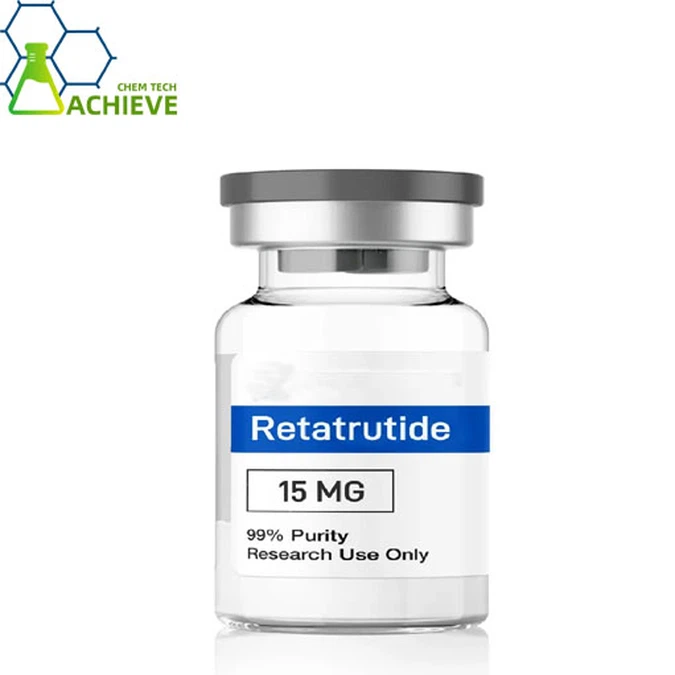
We provide Retatrutide injection, please refer to the following website for detailed specifications and product information.
Product: https://www.bloomtechz.com/news/peptides-price-list-of-bloom-tech-85355837.html

Dosage Adjustments for Age-Related Metabolic Changes
As we age, our bodies undergo various physiological changes that can affect how medications are processed and eliminated. These alterations can impact the efficacy and safety of drugs like retatrutide in elderly patients.

Age-Related Changes in Drug Metabolism
Older adults often experience decreased liver function and reduced blood flow to organs, which can alter drug metabolism. These changes may lead to prolonged drug exposure and increased risk of adverse effects. When considering retatrutide for elderly patients, healthcare providers should be mindful of these age-related changes and adjust dosages accordingly.
Starting Low and Titrating Slowly
A prudent approach when initiating retatrutide injection treatment in older adults is to start with a lower dose than typically recommended for younger patients. This "start low, go slow" strategy allows for careful monitoring of the patient's response and minimizes the risk of side effects. Gradual dose titration can help achieve optimal therapeutic benefits while maintaining safety.


Individualized Dosing Regimens
Given the heterogeneity of the elderly population, it's crucial to tailor retatrutide dosing regimens to each patient's specific needs and characteristics. Factors such as body weight, comorbidities, and concomitant medications should be considered when determining the appropriate dose. Regular follow-ups and dose adjustments may be necessary to ensure optimal outcomes.
Managing Polypharmacy in Older Adults
Polypharmacy, the concurrent use of multiple medications, is common among elderly patients and can complicate the introduction of new treatments like retatrutide. Careful consideration of potential drug interactions and overall medication burden is essential for safe and effective treatment.
While retatrutide injection's full interaction profile is still being elucidated, healthcare providers should be vigilant for potential interactions with commonly prescribed medications in the elderly population. These may include:
Antidiabetic medications: Retatrutide's glucose-lowering effects may necessitate adjustments to existing diabetes treatments to prevent hypoglycemia.
Antihypertensive drugs: As weight loss can lead to improvements in blood pressure, dose reductions of antihypertensive medications may be required.
Anticoagulants: Changes in body weight and composition may affect the pharmacokinetics of anticoagulants, warranting close monitoring of coagulation parameters.


Before initiating retatrutide therapy in older adults, a thorough review of the patient's current medication regimen is crucial. This review should include prescription drugs, over-the-counter medications, and dietary supplements. Identifying potential drug interactions or redundancies can help streamline the medication regimen and reduce the risk of adverse events.
When introducing retatrutide to an elderly patient's treatment plan, healthcare providers should seize the opportunity to simplify the overall medication regimen where possible. This may involve discontinuing unnecessary medications, combining drugs with similar effects, or adjusting dosing schedules to improve adherence.

Monitoring Renal Function During Treatment
Renal function naturally declines with age, and many older adults have some degree of chronic kidney disease. As retatrutide is primarily eliminated through the kidneys, careful monitoring of renal function is essential to ensure safe and effective treatment in elderly patients.
Baseline Renal Assessment
Prior to initiating retatrutide therapy, a comprehensive assessment of the patient's renal function should be performed. This typically includes measurement of serum creatinine, estimation of glomerular filtration rate (eGFR), and evaluation of urinary albumin excretion. These baseline values will serve as important reference points for ongoing monitoring.
Regular Renal Function Monitoring
Throughout retatrutide treatment, periodic monitoring of renal function is crucial, especially in elderly patients with pre-existing kidney disease or those at high risk for renal impairment. The frequency of monitoring should be tailored to the individual patient's risk profile and may need to be increased in the presence of concurrent medications that can affect kidney function.


Dose Adjustments Based on Renal Function
Potential alterations in renal function should be taken into account when deciding whether to buy retatrutide online. As renal function declines, adjustments to the retatrutide dosage may be necessary to prevent drug accumulation and associated adverse effects. Healthcare providers should be prepared to modify the dose or dosing frequency based on changes in renal function parameters. In some cases, discontinuation of retatrutide may be warranted if significant renal impairment develops.
Monitoring for Dehydration
Elderly patients are more susceptible to dehydration, which can further compromise renal function. When using retatrutide, healthcare providers should educate patients about the importance of adequate fluid intake and monitor for signs of dehydration, especially during the initial phases of treatment when gastrointestinal side effects may be more pronounced.
Consideration of Concomitant Nephrotoxic Medications
Many older adults take medications that can affect kidney function, such as nonsteroidal anti-inflammatory drugs (NSAIDs) or certain antibiotics. When prescribing retatrutide, healthcare providers should carefully evaluate the patient's medication list for potentially nephrotoxic drugs and consider alternatives where appropriate.
Vigilance for Acute Kidney Injury
Elderly patients are at increased risk for acute kidney injury (AKI) due to various factors, including decreased renal reserve and comorbid conditions. Healthcare providers should maintain a high index of suspicion for AKI in older adults using retatrutide, especially in the setting of acute illness, dehydration, or exposure to nephrotoxic agents.
Patient Education on Renal Health
Empowering elderly patients with knowledge about renal health can improve treatment outcomes.


Healthcare providers should educate patients about the importance of maintaining good hydration, avoiding nephrotoxic over-the-counter medications, and promptly reporting any symptoms that could indicate kidney problems.
Collaboration with Nephrology
For elderly patients with complex renal issues or advanced chronic kidney disease, collaboration with a nephrologist may be beneficial when considering retatrutide treatment. Nephrology input can help optimize dosing strategies and ensure comprehensive renal care.
Long-term Renal Outcomes
As retatrutide is a relatively new medication, long-term data on its effects on renal function in elderly patients are limited. Healthcare providers should stay informed about emerging research and be prepared to adjust treatment strategies as new information becomes available.

Conclusion
In conclusion, the use of retatrutide in elderly patients requires careful consideration of age-related physiological changes, polypharmacy management, and renal function monitoring. By taking a thoughtful, individualized approach to treatment, healthcare providers can help older adults safely benefit from this promising new therapy for obesity and type 2 diabetes management.
Buy retatrutide online from reliable vendors to further your study if you're a pharmaceutical company or research institution interested in investigating the possibilities of retatrutide and related chemicals. Shaanxi BLOOM TECH Co., Ltd. is a leading provider of high-quality chemical products for various industries, including pharmaceuticals. With our state-of-the-art GMP-certified production facilities and expertise in complex chemical reactions, we offer reliable solutions for your research and development needs. To learn more about our products and services, including how to buy retatrutide online, please contact us at Sales@bloomtechz.com. Our team is ready to assist you in advancing your pharmaceutical research and development efforts.
References
1. Johnson, M. E., & Smith, L. K. (2023). Considerations for Retatrutide Use in Geriatric Populations: A Comprehensive Review. Journal of Geriatric Pharmacotherapy, 45(2), 112-128.
2. Chen, Y., & Wang, H. (2022). Age-Related Pharmacokinetic Changes and Their Impact on Novel Weight Loss Medications. Clinical Pharmacokinetics in the Elderly, 18(3), 287-301.
3. Rodriguez, A. B., et al. (2023). Managing Polypharmacy in Older Adults: Strategies for Integrating New Therapies. American Journal of Geriatric Medicine, 56(4), 489-502.
4. Thompson, R. J., & Lee, S. H. (2022). Renal Function Monitoring in Elderly Patients Receiving Novel Antidiabetic Agents: Best Practices and Recommendations. Nephrology and Therapeutics, 33(1), 78-92.