


Feline Infectious Peritonitis (FIP) has long been a dreaded diagnosis for cat owners and veterinarians alike. Traditionally considered a fatal disease, FIP has seen a revolutionary change in treatment options with the advent of GS-441524. This groundbreaking antiviral compound has transformed the landscape of FIP treatment, offering hope where there was once only despair. Let's delve into the transformative changes that the product has brought to FIP treatment and how it compares to traditional approaches.
1.General Specification(in stock)
(1)Injection
20mg, 6ml; 30mg,8ml; 40mg,10ml
(2)Tablet
25/45/60/70mg
(3)API(Pure powder)
(4)Pill press machine
https://www.achievechem.com/pill-press
2.Customization:
We will negotiate individually, OEM/ODM, No brand, for secience researching only.
Internal Code: BM-1-001
GS-441524 CAS 1191237-69-0
Analysis: HPLC, LC-MS, HNMR
Technology support: R&D Dept.-4
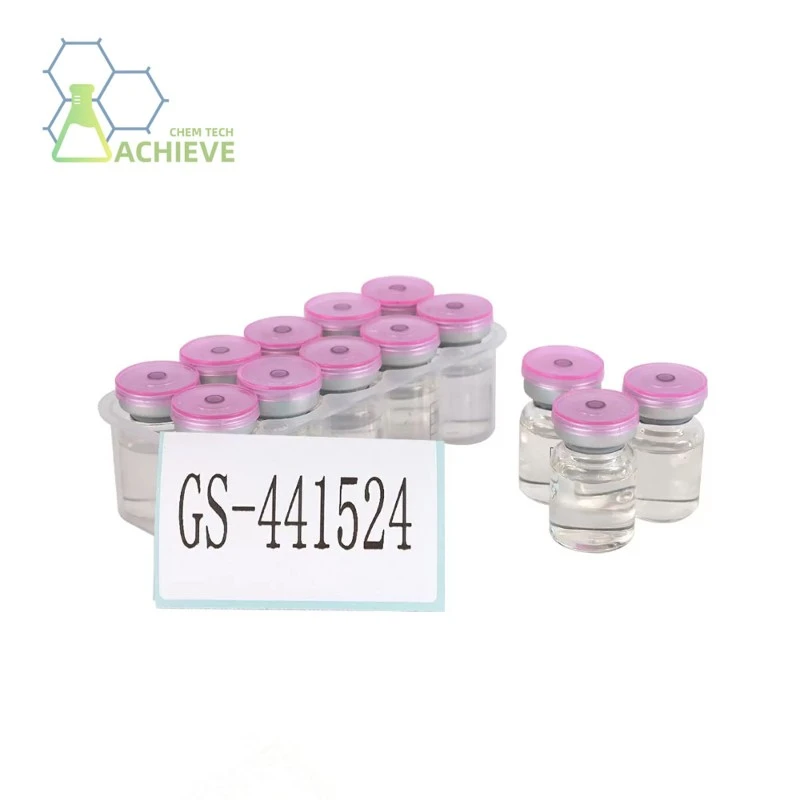
We provide GS-441524 fip, please refer to the following website for detailed specifications and product information.
Product:https://www.bloomtechz.com/oem-odm/injection/gs-441524-fip.html
GS-441524 vs. immunosuppressants: Key differences explained
The introduction of the product has marked a paradigm shift in FIP treatment strategies. Unlike traditional methods that relied heavily on immunosuppressants, the product takes a direct antiviral approach. This fundamental difference in mechanism of action is at the core of its game-changing effectiveness.
Immunosuppressants: A double-edged sword
Historically, FIP treatment centered around the use of immunosuppressive drugs. The rationale behind this approach was to dampen the overactive immune response that characterizes FIP. Corticosteroids, such as prednisolone, were commonly prescribed to reduce inflammation and alleviate symptoms. However, this strategy came with significant drawbacks:
Compromised immune function:
By suppressing the immune system, these drugs left cats vulnerable to secondary infections.
Temporary relief:
While immunosuppressants could provide short-term symptom relief, they did not address the underlying viral infection.
Limited efficacy:
The success rate of immunosuppressive therapy was disappointingly low, with most cats succumbing to the disease despite treatment.
GS-441524: A targeted antiviral approach
In contrast, the GS 441524 drug operates on an entirely different principle. As a nucleoside analog, it directly interferes with viral replication, offering several advantages.:
Specific action:
GS-441524 targets the feline coronavirus responsible for FIP without broadly suppressing the immune system.
Preservation of immune function:
By maintaining the cat's natural defenses, the product allows the immune system to assist in fighting the infection.
Long-term efficacy:
GS-441524 has demonstrated the ability to achieve sustained remission and even cure in many cases of FIP.
How GS-441524's mechanism differs from conventional FIP treatments?
The mechanism of action of the product represents a significant departure from traditional FIP treatments. Understanding this mechanism is crucial to appreciating its revolutionary impact on FIP management.

Conventional treatments: Symptom management and immune modulation
Traditional FIP treatments primarily focused on managing symptoms and modulating the immune response. This approach included:
Anti-inflammatory drugs: To reduce fever, pain, and inflammation associated with FIP.
Fluid therapy: To combat dehydration, particularly in effusive (wet) FIP cases.
Nutritional support: To maintain the cat's strength and body condition.
Immunomodulators: Drugs like interferon to attempt to regulate the immune response.
While these interventions could provide temporary relief, they did not address the root cause of FIP - the viral infection itself.
GS-441524: Direct viral inhibition
GS-441524 works by directly interfering with the replication of the feline coronavirus. Here's how:
Nucleoside analog: GS-441524 is structurally similar to the building blocks of viral RNA.
Incorporation into viral RNA: The drug is mistakenly incorporated into the growing viral RNA chain during replication.
Chain termination: Once incorporated, the product prevents further addition of nucleosides, effectively halting viral replication.
Selective toxicity: The drug preferentially affects viral RNA polymerase over mammalian enzymes, minimizing side effects.
This targeted approach allows the product to strike at the heart of the FIP infection, providing a level of efficacy previously unattainable with conventional treatments.

Survival rate comparisons: GS-441524 versus historical protocols
The introduction of GS-441524 has dramatically altered the prognosis for cats diagnosed with FIP. A comparison of survival rates between the product and historical treatment protocols reveals the transformative impact of this new therapy.
Historical survival rates: A grim outlook
Before the advent of the product, the prognosis for cats with FIP was overwhelmingly poor:
Near 100% fatality rate:
FIP was considered a death sentence, with almost all diagnosed cats succumbing to the disease.
Limited life extension:
Even with aggressive supportive care, most cats only survived for weeks to months after diagnosis.
Quality of life concerns:
The final stages of FIP were often marked by significant suffering, leading many owners to opt for euthanasia.
GS-441524: A new era of hope
The introduction of GS-441524 has radically improved survival rates for cats with FIP:
High success rate:
Studies have reported cure rates exceeding 80% in cats treated with the product.
Long-term remission:
Many cats treated with the product have remained disease-free for extended periods, with some followed for over a year post-treatment.
Efficacy across FIP forms:
GS-441524 has shown effectiveness against various forms of FIP, including the traditionally more challenging neurological and ocular manifestations.
Quality of life improvement:
Cats undergoing the product treatment often show rapid clinical improvement, with many returning to normal activity levels within weeks.
These remarkable improvements in survival rates and quality of life underscore the revolutionary nature of the GS 441524 drug in FIP treatment. The drug has transformed FIP from a virtually untreatable condition to one where long-term survival and even cure are realistic possibilities.
Factors influencing treatment success
While GS-441524 has dramatically improved FIP outcomes, several factors can influence treatment success:
Early diagnosis:
Initiating treatment in the early stages of FIP generally leads to better outcomes.
Proper dosing:
Adhering to recommended dosing protocols is crucial for maximizing efficacy.
Treatment duration:
Most protocols recommend a 12-week treatment course, with some cases requiring longer durations.
Supportive care:
Complementary supportive treatments can enhance the overall success of the product therapy.
The remarkable efficacy of the product in treating FIP represents a monumental leap forward in feline medicine. From a disease with an almost invariably fatal outcome, FIP has become a condition that can be effectively managed and often cured with appropriate treatment. This transformation not only saves feline lives but also spares cat owners the heartbreak of losing their beloved pets to this once-devastating disease.
As research continues and clinical experience with the product grows, we can expect further refinements in treatment protocols and potentially even higher success rates. The story of GS-441524 and FIP serves as a powerful reminder of the impact that innovative medical research can have on animal health and welfare.
Conclusion
The advent of GS-441524 has revolutionized the treatment of Feline Infectious Peritonitis, offering hope where there was once only despair. This groundbreaking antiviral compound has transformed FIP from a fatal diagnosis to a treatable condition, with survival rates that were unimaginable just a few years ago. By directly targeting the viral replication process, the product provides a more effective and targeted approach compared to traditional immunosuppressive therapies.
As we continue to witness the transformative impact of the product on FIP treatment, it's clear that we're entering a new era in feline medicine. The success of this treatment not only saves countless feline lives but also paves the way for further innovations in antiviral therapies for both animals and humans.
For pharmaceutical companies and research institutions working in the field of antiviral drug development, the success of the product presents exciting opportunities. If you're involved in the production of specialized chemicals for pharmaceutical research or drug manufacturing, Shaanxi BLOOM TECH Co., Ltd. is your ideal partner. With our state-of-the-art GMP-certified production facilities and expertise in complex chemical reactions and purification techniques, we can support your antiviral research and development efforts.
Whether you're in need of bulk chemicals for pharmaceutical production, specialized compounds for polymer and plastics industries, or high-purity substances for water treatment and oil & gas applications, BLOOM TECH has the capabilities to meet your needs. Our commitment to quality and innovation makes us a trusted partner in the specialty chemicals industry.
To learn more about how BLOOM TECH can support your chemical needs in antiviral research or other fields, please contact us at Sales@bloomtechz.com. Let's work together to drive innovation and create solutions that can make a real difference in the world of medicine and beyond.
References
1. Pedersen, N. C., et al. (2019). Efficacy and safety of the nucleoside analog GS-441524 for treatment of cats with naturally occurring feline infectious peritonitis. Journal of Feline Medicine and Surgery, 21(4), 271-281.
2. Murphy, B. G., et al. (2018). The nucleoside analog GS-441524 strongly inhibits feline infectious peritonitis (FIP) virus in tissue culture and experimental cat infection studies. Veterinary Microbiology, 219, 226-233.
3. Dickinson, P. J., et al. (2020). Antiviral treatment using the adenosine nucleoside analogue GS-441524 in cats with clinically diagnosed neurological feline infectious peritonitis. Journal of Veterinary Internal Medicine, 34(4), 1587-1593.
4. Addie, D. D., et al. (2020). Feline infectious peritonitis. ABCD guidelines on prevention and management. Journal of Feline Medicine and Surgery, 22(11), 1043-1059.