


How Does Linaclotide Work in the Body?
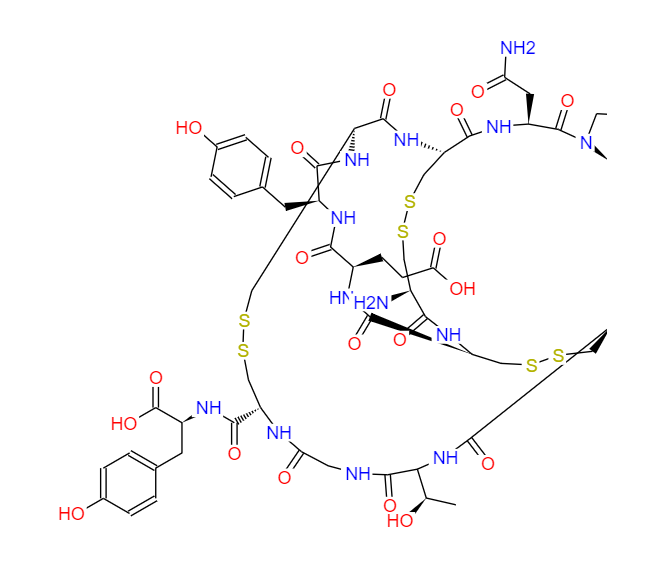
Linaclotide, categorized as a member of the guanylate cyclase-C (GC-C) agonist class of medications, operates through a sophisticated mechanism of action tailored to the gastrointestinal (GI) tract. By selectively targeting receptors within this anatomical domain, Linaclotide orchestrates a sequence of physiological responses that underpin its therapeutic efficacy.
Upon oral administration, Linaclotide embarks on a journey through the GI milieu, where it meticulously interacts with guanylate cyclase-C receptors stationed on the luminal surface of intestinal epithelial cells. This engagement initiates a cascade of molecular events, setting into motion the synthesis of cyclic guanosine monophosphate (cGMP)-a pivotal secondary messenger intricately involved in an array of cellular signaling pathways.
The activation of guanylate cyclase-C receptors by Linaclotide serves as a catalyst for the enzymatic conversion of guanosine triphosphate (GTP) into cGMP, thereby bolstering intracellular cGMP levels within enterocytes. This surge in cGMP abundance functions as a molecular switchboard, transducing extracellular stimuli into a myriad of cellular responses fundamental to Linaclotide's therapeutic actions.
 |
 |
 |
Central to Linaclotide's pharmacological profile is its ability to modulate ion transport dynamics across the intestinal epithelium. By virtue of elevated cGMP levels, Linaclotide orchestrates the inhibition of sodium (Na+) absorption and the concurrent stimulation of chloride (Cl-) secretion into the intestinal lumen. This orchestrated dance of ions promotes the retention of fluid within the GI milieu, fostering luminal hydration and softening stool consistency-an indispensable facet of Linaclotide's therapeutic armamentarium in addressing chronic constipation and irritable bowel syndrome with constipation (IBS-C).
Moreover, Linaclotide's influence extends beyond mere ion transport modulation, encompassing a multifaceted approach to enhancing GI motility and alleviating symptoms associated with motility disorders. Through the augmentation of luminal fluid content and the facilitation of peristaltic contractions, Linaclotide expedites colonic transit time, thereby promoting regular bowel movements and ameliorating constipation-related symptoms.
Furthermore, Linaclotide's nuanced interactions within the enteric nervous system (ENS) merit attention, as it exerts neuromodulatory effects on visceral pain perception and visceral hypersensitivity-a hallmark feature of IBS-C. By modulating sensory nerve fibers and neuroendocrine cells within the GI mucosa, Linaclotide attenuates visceral discomfort and enhances overall quality of life for patients grappling with chronic constipation or IBS-C.
In essence, Linaclotide's classification as a GC-C agonist underscores its tailored approach to addressing gastrointestinal dysregulation. Through its intricate interplay with guanylate cyclase-C receptors, Linaclotide navigates a complex web of physiological responses, ultimately culminating in the amelioration of constipation-related symptoms and the restoration of GI homeostasis.
The increased levels of cGMP in the intestinal cells lead to several key actions
Increased Fluid Secretion
Linaclotide advances the discharge of chloride and bicarbonate particles into the digestive lumen, bringing about expanded liquid gathering. This cycle mellow stool consistency and works with defecations.
Enhanced Intestinal Motility
By invigorating cGMP creation, Linaclotide additionally improves gastrointestinal motility, which alludes to the development and drive of items through the intestinal system. Further developed motility helps with the travel of stool and lessens side effects of stoppage.
Pain Modulation
Linaclotide has been found to adjust torment discernment in the gastrointestinal framework, especially in conditions like bad tempered entrail disorder with obstruction (IBS-C). It can assist with lightening stomach distress and instinctive torment related with these circumstances.
What Conditions Does Linaclotide Treat?
Linaclotide is primarily prescribed for two main gastrointestinal conditions
Irritable Bowel Syndrome with Constipation (IBS-C)
IBS-C is a typical useful gastrointestinal problem portrayed by stomach torment or distress, bulging, and changes in gut propensities, including stoppage. Linaclotide eases these side effects by advancing standard solid discharges and lessening stomach uneasiness.
Chronic Idiopathic Constipation (CIC)
Chronic Idiopathic Constipation (CIC): CIC alludes to steady blockage without a recognizable fundamental reason. Linaclotide's system of activity tends to the hidden variables adding to blockage, giving alleviation and further developing entrail routineness in people with CIC.
What Are the Benefits and Risks of Using Linaclotide?
Benefits
Improved Bowel Function: Linaclotide helps restore regular bowel movements and alleviates symptoms of constipation, such as straining and incomplete evacuation.
Reduced Abdominal Discomfort: Many patients experience relief from abdominal pain, bloating, and discomfort with Linaclotide treatment.
Enhanced Quality of Life: By addressing gastrointestinal symptoms, Linaclotide can improve overall quality of life for individuals with IBS-C and CIC.
Risks
Diarrhea: The runs is a typical result of Linaclotide, especially during the underlying phases of treatment. It generally settle as the body changes with the prescription.
Abdominal Pain: A few people might encounter stomach torment or inconvenience, albeit these side effects are by and large gentle and transient.
Flatulence: Expanded gas creation or fart can happen with Linaclotide use yet will in general lessen after some time.

It's important for patients to follow prescribed dosages and guidelines provided by their healthcare provider when using Linaclotide. Consulting a healthcare professional can help address any concerns or side effects encountered during treatment.
In conclusion, Linaclotide plays a valuable role in managing gastrointestinal conditions such as IBS-C and CIC by targeting specific mechanisms involved in bowel function and symptom relief. Understanding its mechanism of action, targeted conditions, benefits, and potential risks enhances patient education and promotes informed decision-making in healthcare.
References:
These references provide additional insights and scientific background related to Linaclotide, its mechanism of action, therapeutic uses, benefits, and potential risks:
1. Rao S, Lembo AJ, Shiff SJ, et al. A 12-week, randomized, controlled trial with a 4-week randomized withdrawal period to evaluate the efficacy and safety of Linaclotide in irritable bowel syndrome with constipation. Am J Gastroenterol. 2012;107(11):1714-1724. doi:10.1038/ajg.2012.254
2. US Food and Drug Administration. Linzess (Linaclotide) prescribing information. Accessed March 2024. https://www.accessdata.fda.gov/drugsatfda_docs/label/2019/202811s018lbl.pdf
3. Chey WD, Lembo AJ, Lavins BJ, et al. Linaclotide for irritable bowel syndrome with constipation: a 26-week, randomized, double-blind, placebo-controlled trial to evaluate efficacy and safety. Am J Gastroenterol. 2012;107(11):1702-1712. doi:10.1038/ajg.2012.254
4. Lembo AJ, Schneier HA, Shiff SJ, et al. Two randomized trials of Linaclotide for chronic constipation. N Engl J Med. 2011;365(6):527-536. doi:10.1056/NEJMoa1010863
5. Johnston JM, Kurtz CB, Macdougall JE, et al. Linaclotide improves abdominal pain and bowel habits in a phase IIb study of patients with irritable bowel syndrome with constipation. Gastroenterology. 2010;139(6):1877-1886. doi:10.1053/j.gastro.2010.07.048