


(2-Bromoethyl) benzene is an organic compound. Molecular formula C8H9Br, CAS 103-63-9. This compound is formed by a bromine atom and a hydrogen atom on an ethyl substituted benzene ring. It is a colorless or light yellow liquid with an irritating odor. Soluble in most organic solvents, but insoluble in water. Under standard conditions, its solubility in water is extremely low. It is an important organic synthesis intermediate used in the production of various fine chemicals such as drugs, pesticides, and dyes. Due to its unique chemical structure, it can be used in various organic synthesis reactions, such as substitution, addition, and condensation. In addition, it is also used as a solvent and a reagent in chemical experiments. It has important application value in the field of chemistry, especially in the manufacturing of plasticizers and other organic synthesis, playing a key role.
(Product link: https://www.bloomtechz.com/synthetic-chemical/organic-intermediates/2-bromoethyl-benzene-cas-103-63-9.html )
|
|
|

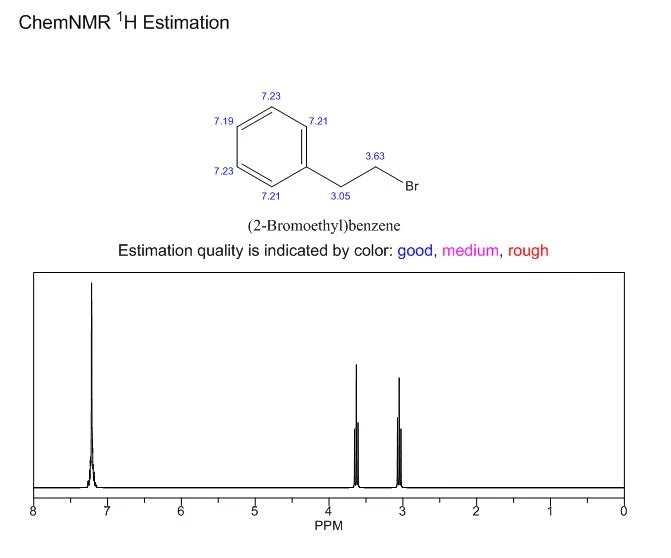
(2-Bromoethyl) benzene is an organic compound with extensive applications in various fields such as chemistry, pharmaceuticals, and materials science
1. Synthesis of efficient brominated flame retardants:
(2-Bromoethyl) benzene is an important intermediate in the synthesis of highly efficient brominated flame retardant polybrominated styrene. Bromine flame retardants are widely used in the flame retardant treatment of materials such as plastics, rubber, textiles, etc., to improve the fire resistance of these materials.
2. Preparation of organic synthesis intermediates:
(2-Bromoethyl) benzene is commonly used in the preparation of organic synthesis intermediates. It can serve as a starting material or key intermediate, participating in various organic synthesis reactions, such as substitution, addition, condensation, etc., for constructing complex organic molecular structures.
3. Preparation of intermediate of proxetine:
β- Bromophenylethane can be used to prepare the intermediate 4- (4-phenylbutoxy) benzoic acid of proxetine. Prelenst is a drug used to treat asthma and allergic rhinitis, and its synthesis process requires the use of β- Bromophenylethane.
4. Solvents and chemical reagents:
Due to its certain solubility and chemical stability, (2-Bromoethyl) benzene can be used as a solvent or reagent for certain chemical reactions. For example, in some organic synthesis experiments, it can serve as a reaction medium to promote the progress of the reaction.
5. Research and teaching purposes:

(2-Bromoethyl) benzene has also been widely used in scientific research and teaching fields. It can be used as a chemical reagent for studying chemical reaction mechanisms, synthesizing new compounds or materials, and conducting chemical analysis. At the same time, it can also serve as a raw material or reagent in teaching experiments, helping students understand and master the basic concepts and experimental skills of organic chemistry.
6. In the field of materials science:
In the field of materials science, (2-Bromoethyl) benzene can be used to synthesize new materials, such as polymer materials, nanomaterials, liquid crystal materials, etc. By reacting with other compounds, (2-Bromoethyl) benzene can be transformed into compounds with special physical and chemical properties for the preparation of high-performance materials. For example, certain (2-Bromoethyl) benzene derivatives have liquid crystal properties and can be used as liquid crystal materials in display technology. These materials have broad application prospects in fields such as electronic devices, displays, and optical devices.
7. In the field of environmental science:
 In the field of environmental science, (2-Bromoethyl) benzene can be used for environmental monitoring and analysis. Due to its strong adsorption and transformation ability towards certain environmental pollutants, (2-Bromoethyl) benzene can be used to address environmental pollution issues. For example, certain (2-Bromoethyl) benzene derivatives can serve as adsorbents for heavy metal ions, used to remove harmful metal ions from water bodies. In addition, (2-Bromoethyl) benzene can also be used to prepare environmentally friendly materials, such as biodegradable plastics, to reduce environmental pollution.
8. Biological Science Research:
In the field of biological science research, (2-Bromoethyl) benzene and its derivatives can be used as biomarkers and fluorescent probes. These compounds have special fluorescence properties and can be used in fields such as biological imaging, proteomics, and genomics research. Through fluorescence probe technology, scientists can observe physiological changes and biochemical processes in organisms in real time, providing strong support for research in the field of life sciences.
9. Agriculture and Horticulture:
In the fields of agriculture and horticulture, (2-Bromoethyl) benzene can be used to synthesize certain plant growth regulators and pesticides. These compounds can promote plant growth, enhance plant resistance, and increase agricultural product yield and quality. By using these compounds reasonably, farmers can improve agricultural production efficiency while reducing negative impacts on the environment.
It should be noted that although (2-Bromoethyl) benzene has a wide range of applications, safety issues need to be taken into account during use. It is a toxic chemical substance that may cause harm to human health and the environment. Therefore, strict adherence to safety operating procedures and environmental requirements is necessary during use to ensure human health and environmental safety.
In addition, the specific uses and application areas of (2-Bromoethyl) benzene also need to be comprehensively considered based on its properties and reaction conditions. In practical applications, it is necessary to choose appropriate synthesis methods and process conditions based on specific situations to achieve efficient, safe, and environmentally friendly production and use processes. At the same time, attention should also be paid to the issue of intellectual property protection to avoid infringing on the patent rights of others.
(2-Bromoethyl) benzene is an important organic compound with broad application prospects. With the development of technology and the deepening of research, its application areas will further expand. At the same time, we also need to pay attention to the safety and environmental issues during its use, take scientific and reasonable measures to reduce potential risks, and promote sustainable development.