


Recent clinical studies have shown encouraging outcomes for the injection of ratatrutide as a therapy option for obesity and type 2 diabetes. You must be aware of the possible adverse effects of this medicine, as you would with any other. Providing a detailed review of the safety profile of retatrutide injection, this comprehensive guide will examine the pathophysiological foundation of adverse reactions, clinical symptoms, incidence and severity evaluation, preventive and treatment options, and more.

1.General Specification(in stock)
(1)API(Pure powder)
(2)Tablets
(3)Injection
(4)Capsules
(5)Cream
2.Customization:
We will negotiate individually, OEM/ODM, No brand, for secience researching only.
Retatrutide CAS 2381089-83-2
Analysis: HPLC, LC-MS, HNMR
Technology support: R&D Dept.-4
We provide retatrutide injection, please refer to the following website for detailed specifications and product information.
Product:https://www.bloomtechz.com/news/peptides-price-list-of-bloom-tech-85355837.html

Pathophysiological Basis of Adverse Reactions to Retatrutide Injection
To comprehend the side effects of retatrutide injection, it's essential to delve into the underlying mechanisms that contribute to these adverse reactions. Retatrutide is a novel triple agonist that targets three key receptors: glucagon-like peptide-1 (GLP-1), glucose-dependent insulinotropic polypeptide (GIP), and glucagon. This unique mechanism of action leads to enhanced metabolic effects but also influences various physiological processes, potentially resulting in side effects.
Receptor-Mediated Effects
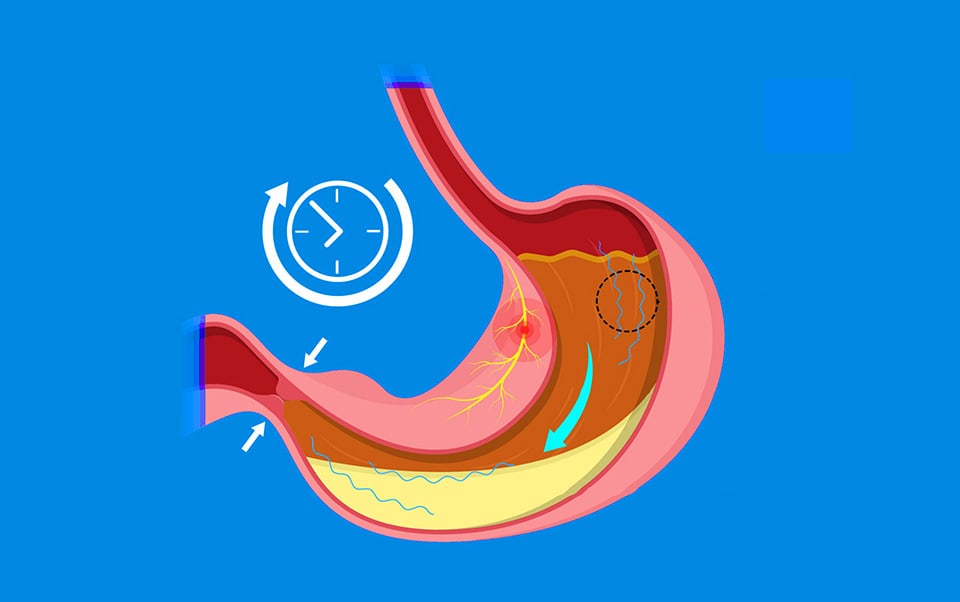
The primary pathophysiological basis for adverse reactions stems from the simultaneous activation of multiple receptors. GLP-1 receptor activation can slow gastric emptying and increase satiety, which may contribute to gastrointestinal side effects. GIP receptor stimulation influences lipid metabolism and insulin secretion, potentially affecting glucose homeostasis. Glucagon receptor activation can impact hepatic glucose production and energy expenditure, leading to metabolic changes that may manifest as side effects.

Systemic Adaptations
As the body adapts to retatrutide's effects, various systems undergo changes that can result in adverse reactions. The cardiovascular system may experience alterations in heart rate and blood pressure due to the influence on autonomic nervous system function. The endocrine system might exhibit fluctuations in hormone levels, particularly those involved in appetite regulation and glucose metabolism. These systemic adaptations can contribute to the diverse array of side effects observed in some patients.
Immunological Responses
In rare cases, the immune system may recognize retatrutide as a foreign substance, potentially leading to allergic reactions or the development of antibodies. This immunological response can vary among individuals and may contribute to both immediate and delayed adverse reactions. Understanding these pathophysiological mechanisms is crucial for healthcare providers and patients to anticipate and manage potential side effects effectively.


Clinical Manifestations of Common and Rare Adverse Reactions to Retatrutide
Retatrutide injection can elicit a range of side effects, from common and generally mild reactions to rare but potentially serious adverse events. Recognizing these clinical manifestations is crucial for both healthcare providers and patients to ensure proper management and timely intervention when necessary.
Common Gastrointestinal Side Effects
The most frequently reported adverse reactions to retatrutide injection are gastrointestinal in nature. These include:
Nausea: Often described as a persistent feeling of queasiness or an urge to vomit.
Vomiting: Some patients may experience episodes of emesis, particularly during the initial stages of treatment.
Diarrhea: Loose or watery stools that may occur more frequently than usual.
Abdominal pain: Discomfort or cramping in the stomach area, which can range from mild to severe.
Constipation: Difficulty passing stools or less frequent bowel movements.
These gastrointestinal symptoms often emerge within the first few weeks of treatment and may subside as the body adjusts to the medication. However, for some patients, these effects can persist and may require management strategies or dosage adjustments.
Metabolic and Endocrine Effects
Given retatrutide's influence on metabolic pathways, some patients may experience:
Hypoglycemia: Particularly in patients with type 2 diabetes who are also taking other glucose-lowering medications.
Changes In Appetite: Most commonly a decrease in appetite, which contributes to weight loss but may also lead to inadequate nutrient intake if not monitored.
Alterations In Lipid Profiles: While often beneficial, some patients may experience unexpected changes in cholesterol or triglyceride levels.
Rare but Serious Adverse Reactions
While less common, some patients may experience more severe side effects that require immediate medical attention:
Pancreatitis: Inflammation of the pancreas, characterized by severe abdominal pain, nausea, and vomiting.
Thyroid tumors: Although primarily observed in animal studies, there is a theoretical risk of thyroid C-cell tumors.
Severe allergic reactions: Including anaphylaxis, which can manifest as difficulty breathing, swelling of the face or throat, and rapid heartbeat.
Acute kidney injury: In rare cases, particularly in patients with pre-existing kidney disease or those experiencing severe gastrointestinal side effects leading to dehydration.
Healthcare providers must be vigilant in monitoring for these rare but potentially serious adverse events, and patients should be educated on recognizing warning signs that require prompt medical evaluation.
Injection Site Reactions
As retatrutide is administered via injection, some patients may experience localized reactions at the injection site, including:
Redness, swelling, or itching at the injection site
Bruising or minor pain
In rare cases, lipodystrophy (changes in fat distribution) at frequently used injection sites
Proper injection technique and rotation of injection sites can help minimize these localized reactions.

Incidence and Severity Assessment of Adverse Reactions to Retatrutide
Understanding the frequency and intensity of side effects associated with retatrutide injection is crucial for both healthcare providers and patients. This assessment helps in making informed decisions about treatment options and prepares individuals for potential adverse reactions.
Frequency of Common Side Effects

Clinical trials and post-marketing surveillance have provided valuable data on the incidence of adverse reactions to retatrutide. The most common side effects and their approximate frequencies are:
Nausea: Reported in approximately 30-40% of patients
Diarrhea: Observed in 20-30% of individuals
Vomiting: Experienced by 15-25% of patients
Constipation: Affects 10-20% of those taking retatrutide
Abdominal pain:Reported by 10-15% of patients
It's important to note that these percentages can vary based on dosage, duration of treatment, and individual patient factors. Generally, the incidence of these side effects tends to decrease over time as patients adjust to the medication.
Severity Grading
The severity of adverse reactions to retatrutide is typically categorized as follows:
Mild: Symptoms are noticeable but do not interfere with daily activities and resolve without intervention.
Moderate: Side effects may impact daily activities but can be managed with supportive care or temporary dose adjustments.
Severe: Adverse reactions significantly affect quality of life, require medical intervention, or lead to discontinuation of treatment.
Most reported side effects fall into the mild to moderate category, with severe reactions being relatively rare. For instance, severe nausea or vomiting occurs in less than 5% of patients, while severe cases of pancreatitis are reported in less than 1% of individuals taking retatrutide.

Risk Factors for Adverse Reactions
Certain factors may increase the likelihood or severity of side effects:
Patients who increase their dose too quickly may experience more intense side effects.
Interactions with other drugs can potentiate certain adverse reactions.
Individuals with a history of gastrointestinal disorders may be more susceptible to related side effects.
Older adults and those with impaired kidney function may be at higher risk for certain adverse reactions.
Healthcare providers should consider these factors when prescribing retatrutide and tailor the treatment plan accordingly to minimize the risk of adverse events.

Prevention and Management Strategies for Adverse Reactions to Retatrutide
Effective strategies for preventing and managing side effects are essential for optimizing the therapeutic benefits of retatrutide injection while minimizing discomfort and potential risks to patients. Healthcare providers and patients can collaborate to implement various approaches to mitigate adverse reactions.
Preventing side effects begins with proper patient education and careful treatment initiation:
Gradual dose titration: Starting with a lower dose and gradually increasing it over time can help minimize gastrointestinal side effects.
Dietary modifications: Advising patients to eat smaller, more frequent meals and avoid high-fat foods can reduce nausea and vomiting.
Hydration: Encouraging adequate fluid intake can help prevent constipation and reduce the risk of dehydration.
Injection technique education: Proper training on injection administration can minimize injection site reactions.
Lifestyle adjustments: Recommending regular physical activity and stress reduction techniques can support overall well-being and potentially reduce side effect severity.

Management of Common Side Effects

When adverse reactions do occur, prompt management can help alleviate symptoms:
Nausea and vomiting: Antiemetic medications, such as ondansetron, may be prescribed for severe cases.
Diarrhea: Over-the-counter antidiarrheal agents and increased fluid intake can provide relief.
Constipation: Stool softeners, increased fiber intake, and hydration can help manage this side effect.
Abdominal pain: Antispasmodic medications may be recommended for persistent discomfort.
Hypoglycemia: Adjusting concurrent diabetes medications and ensuring patients know how to recognize and treat low blood sugar is crucial.
Ongoing assessment and adjustment of the treatment plan are vital for long-term success:
Regular follow-up appointments: Allow for timely evaluation of side effects and treatment efficacy.
Laboratory monitoring: Periodic blood tests can help detect any metabolic imbalances or potential impacts on organ function.
Dose optimization: Adjusting the dosage based on individual response and tolerability can help balance efficacy and side effect management.
Patient feedback: Encouraging open communication about side effects helps in tailoring management strategies.
By implementing these prevention and management strategies, healthcare providers can help patients navigate the potential side effects of retatrutide injection more effectively, potentially improving treatment adherence and outcomes.


Comprehensive Analysis of the Safety Profile of Retatrutide Injection
A thorough examination of the safety profile of retatrutide injection is essential for healthcare providers and patients to make informed decisions about its use. This analysis considers the balance between therapeutic benefits and potential risks, drawing from clinical trial data, post-marketing surveillance, and comparative studies with similar medications.

Overall Safety Assessment
Retatrutide injection has demonstrated a generally favorable safety profile in clinical trials and early real-world use. The majority of adverse reactions are mild to moderate in severity and tend to be transient. Serious adverse events are relatively rare, occurring in less than 5% of patients. The safety profile appears to be consistent with other GLP-1 receptor agonists, with some unique considerations due to its triple agonist mechanism.
Long-term Safety Considerations
As retatrutide is a relatively new medication, long-term safety data beyond clinical trials is still accumulating. However, based on available information:
Cardiovascular Safety: Initial data suggest a neutral or potentially beneficial effect on cardiovascular outcomes, similar to other GLP-1 receptor agonists.
Neoplasm risk: While animal studies raised concerns about thyroid C-cell tumors, human data has not shown an increased risk. However, long-term surveillance is ongoing.
Metabolic effects: The sustained weight loss and improvements in glycemic control observed with retatrutide may have positive long-term health implications.


Special Populations and Precautions
Certain patient groups require special consideration when evaluating the safety of retatrutide:
Elderly patients: May have an increased risk of dehydration and gastrointestinal side effects.
Patients with renal impairment: Dose adjustments may be necessary, and close monitoring is advised.
Pregnant or breastfeeding women: Limited data available; use should be carefully considered and monitored.
Patients with a history of pancreatitis: May be at higher risk for recurrence and should be closely monitore
Healthcare providers should carefully weigh the potential benefits against the risks when considering retatrutide for these populations.
Comparative Safety Analysis
When compared to other weight loss and diabetes medications, retatrutide's safety profile appears competitive:
vs. other GLP-1 receptor agonists: Similar gastrointestinal side effect profile, potentially with greater efficacy in weight loss and glycemic control.
vs. traditional anti-obesity medications: Generally fewer systemic side effects and potentially greater long-term efficacy.
vs. bariatric surgery: While less invasive, retatrutide requires ongoing treatment and may have a different long-term risk profile.
This comparative analysis suggests that retatrutide offers a valuable treatment option with a manageable safety profile for many patients struggling with obesity and type 2 diabetes.


Conclusion
Wholesale retatrutide injection represents a significant advancement in the treatment of obesity and type 2 diabetes, offering a novel triple agonist mechanism that has shown promising efficacy for large-scale clinical and research supply. While the medication does come with potential side effects, most are manageable and tend to decrease over time. The most common adverse reactions are gastrointestinal in nature, including nausea, vomiting, and diarrhea. Rare but serious side effects, such as pancreatitis, require vigilant monitoring.
The incidence and severity of side effects can vary among individuals, with most falling into the mild to moderate category. Proactive prevention strategies, including gradual dose titration and lifestyle modifications, can significantly reduce the risk and intensity of adverse reactions. When side effects do occur, prompt management through medication adjustments, supportive care, and patient education is crucial.
Long-term safety data continue to accumulate, but current evidence suggests a favorable overall safety profile for retatrutide. As with any medication, the decision to use retatrutide should be made on an individual basis, weighing the potential benefits against the risks and considering patient-specific factors. Ongoing monitoring and open communication between healthcare providers and patients are essential for optimizing treatment outcomes and ensuring patient safety.
As research progresses and more real-world data become available, our understanding of retatrutide's safety profile will continue to evolve. Healthcare providers should stay informed about the latest developments to provide the best possible care for their patients considering or using retatrutide injection.
FAQ
What are the most common side effects of retatrutide injection?
+
-
The most common side effects of retatrutide injection primarily involve the gastrointestinal system, including nausea, diarrhea, vomiting, and constipation. These symptoms are typically more pronounced during the initial treatment phase and gradually diminish as the body adapts to the medication. Most patients report these side effects as mild to moderate and they do not interfere with continuing treatment. It is recommended to start with a low dose and inject after meals to reduce gastrointestinal discomfort.
Can retatrutide injection cause serious health risks?
+
-
While serious side effects of retatrutide are relatively rare, certain potential risks warrant caution. These include pancreatitis (manifesting as persistent severe abdominal pain), gallbladder problems, hypoglycemia (especially when combined with other diabetes medications), and possible thyroid tumor risk. If you have a personal or family history of medullary thyroid carcinoma or Multiple Endocrine Neoplasia syndrome type 2, you should not use this medication. Contact a healthcare professional immediately if you experience any severe or persistent symptoms.
How can I effectively manage retatrutide injection side effects?
+
-
Key strategies for managing retatrutide side effects include: starting with the lowest effective dose and gradually increasing; injecting after meals to reduce nausea; maintaining adequate hydration; avoiding high-fat and spicy foods; eating smaller, more frequent meals rather than large portions. If nausea is severe, consult your doctor about anti-nausea medications. Regularly monitor blood glucose levels, particularly for diabetic patients. Maintain regular communication with your healthcare team to adjust your treatment plan timely for optimal efficacy while minimizing side effects.
Start Your Retatrutide Weight Loss Journey
Users should be mindful of the possibility of adverse effects while using wholesale retatrutide injection products offered for bulk distribution, a medication that shows promise for metabolic diseases. Be sure to keep an eye out for any unusual symptoms and consult your doctor if any side effects persist or worsen. Understanding potential risks is essential for safe and effective use, as individual responses to all drugs may vary.
Shaanxi BLOOM TECH Co., Ltd. offers reliable, GMP-certified products and is a trusted retatrutide injection manufacturer for pharmaceutical development, ensuring top-notch quality and support. For more information on retatrutide and other pharmaceutical solutions, feel free to reach out to Sales@bloomtechz.com.
References
1. Rosenstock J, Frias J, Jastreboff AM, et al. Retatrutide, a GIP, GLP-1 and glucagon receptor agonist, for people with type 2 diabetes: a randomised, double-blind, placebo and active-controlled, parallel-group, phase 2 trial conducted in the USA. The Lancet. 2023.
2. Jastreboff AM, Kaplan LM, Frías JP, et al. Triple-hormone-receptor agonist retatrutide for obesity - a phase 2 trial. New England Journal of Medicine. 2023.
3. Urva S, Coskun T, Loghin C, et al. The novel dual glucose-dependent insulinotropic polypeptide and glucagon-like peptide-1 (GLP-1) receptor agonist tirzepatide transiently delays gastric emptying similarly to selective long-acting GLP-1 receptor agonists. Diabetes, Obesity and Metabolism. 2020.
4. Frias JP, Davies MJ, Rosenstock J, et al. Tirzepatide versus semaglutide once weekly in patients with type 2 diabetes (SURPASS-2): a randomised, open-label, parallel-group, multicentre, phase 3 trial. The Lancet. 2021.