


GS-441524, a promising antiviral compound, has garnered significant attention in veterinary medicine, particularly for its potential in treating feline infectious peritonitis (FIP). As researchers and veterinarians explore its applications, understanding the proper dilution and administration of GS 441524 injection becomes crucial. This article delves into the various solvents that can be used to dilute GS-441524, their efficacy, and safety considerations.
We provide GS 441524 injection, please refer to the following website for detailed specifications and product information.
Product:https://www.bloomtechz.com/oem-odm/injection/gs-441524-injection.html
 |
1.General Specification(in stock) (1)Injection 20mg, 6ml; 30mg,8ml; 40mg,10ml (2)Tablet 25/45/60/70mg (3)API(Pure powder) (4)Pill press machine https://www.achievechem.com/pill-press 2.Customization: We will negotiate individually, OEM/ODM, No brand, for secience researching only. Internal Code: BM-3-001 GS-441524 CAS 1191237-69-0 Analysis: HPLC, LC-MS, HNMR Technology support: R&D Dept.-4 |
Is sterile water safe for diluting GS-441524?
Sterile water is often considered a universal solvent in pharmaceutical preparations, and its potential use in diluting GS-441524 merits careful examination. When considering sterile water as a diluent for GS 441524 treatment, several factors come into play:
Advantages of using sterile water
Sterile water offers several benefits when used as a diluent for GS-441524:
Purity: Sterile water is free from contaminants, reducing the risk of introducing impurities into the GS-441524 solution.
Compatibility: Water is generally compatible with a wide range of pharmaceutical compounds, including many antiviral agents.
Availability: Sterile water is readily available in medical settings, making it a convenient option for dilution.
Cost-effective: Compared to specialized solvents, sterile water is an economical choice for dilution purposes.
Potential drawbacks and considerations
While sterile water offers numerous advantages, there are some considerations to keep in mind:
Solubility: GS-441524 may have limited solubility in water alone, potentially affecting the concentration and stability of the solution.
pH considerations: The pH of sterile water may not be optimal for maintaining the stability of GS-441524 over time.
Osmolarity: Pure water lacks the osmotic properties that may be necessary for optimal absorption and tolerability of the injection.
Given these factors, while sterile water can be considered safe for diluting GS-441524, it may not be the most effective or ideal solvent in all cases. Veterinarians and researchers should carefully evaluate the specific formulation requirements and stability data before opting for sterile water as a diluent.
Can DMSO be used to dissolve GS-441524?
Dimethyl sulfoxide (DMSO) is a versatile organic solvent known for its ability to penetrate biological membranes and enhance the solubility of various compounds. Its potential use in dissolving GS-441524 has been a topic of interest among researchers and veterinary professionals.
DMSO's solvent properties and GS-441524
DMSO possesses unique characteristics that make it an intriguing option for dissolving GS-441524:
Enhanced solubility: DMSO has the potential to improve the solubility of GS-441524, potentially allowing for higher concentrations in solution.
Penetration enhancer: DMSO's ability to penetrate biological membranes may aid in the delivery of GS-441524 to target tissues.
Stability: DMSO can potentially enhance the stability of certain compounds in solution, which could be beneficial for GS 441524 drug formulations.
Considerations and precautions
While DMSO offers potential benefits, several important considerations must be taken into account:
Toxicity concerns: DMSO can be toxic at high concentrations, and its use as a solvent requires careful dosing and monitoring.
Interaction potential: DMSO may interact with other components of the formulation or with biological systems, potentially altering the drug's efficacy or safety profile.
Regulatory considerations: The use of DMSO as a solvent in veterinary formulations may be subject to regulatory scrutiny and approval processes.
Irritation: DMSO can cause local irritation at the injection site, which may be a concern for repeated administrations.
Given these factors, while DMSO can potentially be used to dissolve GS-441524, its use should be approached with caution. Extensive research and safety studies would be necessary to establish its suitability as a solvent for GS-441524 in clinical applications.
GS-441524 solubility: Ethanol vs. saline comparison
When considering solvents for GS-441524, a comparison between ethanol and saline provides valuable insights into their respective merits and limitations. Both solvents have unique properties that can affect the solubility, stability, and administration of GS-441524.
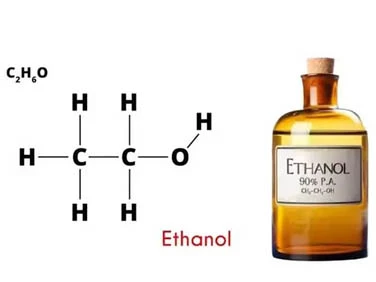


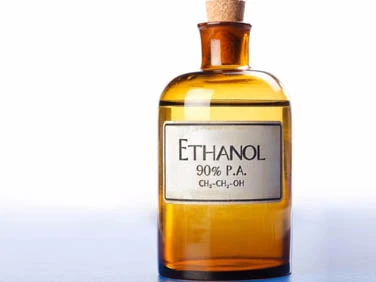
Ethanol as a solvent for GS-441524
Ethanol, a common organic solvent, offers several advantages when used to dissolve GS-441524:
Enhanced solubility: Ethanol can potentially improve the solubility of GS-441524, allowing for higher concentrations in solution.
Stability: Ethanol may help stabilize GS-441524 in solution, potentially extending its shelf life.
Antimicrobial properties: Ethanol's inherent antimicrobial activity can help maintain the sterility of the solution.
However, there are also potential drawbacks to consider:
Irritation: High concentrations of ethanol can cause local irritation at the injection site.
Toxicity concerns: Ethanol can be toxic at high doses, necessitating careful concentration control.
Evaporation: Ethanol's volatility may lead to concentration changes over time if not properly sealed.
Saline as a solvent for GS-441524
Saline solution, typically composed of sodium chloride in water, offers an alternative approach to dissolving GS-441524:
Physiological compatibility: Saline's osmolarity is similar to bodily fluids, potentially improving tolerability.
Safety profile: Saline is generally well-tolerated and has a favorable safety profile for injectable formulations.
Availability: Saline is readily available and commonly used in medical settings.
Potential limitations of saline as a solvent include:
Limited solubility: GS 441524 injection may have reduced solubility in saline compared to organic solvents.
Stability concerns: The stability of GS-441524 in saline solution may be less than in organic solvents.
Ionic interactions: The presence of ions in saline may potentially interact with GS-441524, affecting its properties.
Comparative analysis
When comparing ethanol and saline as solvents for GS-441524, several factors should be considered:
Solubility efficiency: Ethanol may offer superior solubility for GS-441524 compared to saline.
Safety and tolerability: Saline generally has a better safety profile and may be better tolerated for repeated injections.
Stability: The stability of GS-441524 may differ between ethanol and saline solutions, affecting shelf life and storage requirements.
Ease of administration: Saline solutions may be easier to administer and cause less discomfort at the injection site.
Regulatory considerations: The choice between ethanol and saline may be influenced by regulatory guidelines and approval processes.
The optimal choice between ethanol and saline as a solvent for GS-441524 depends on various factors, including the specific formulation requirements, intended use, and regulatory considerations. A balanced approach, potentially incorporating a combination of solvents or co-solvents, may provide the best solution for dissolving and administering GS-441524 effectively and safely.
Innovative approaches to GS-441524 solubilization
As research into GS-441524 continues, innovative approaches to improving its solubility and administration are being explored:
Cyclodextrin complexation: Using cyclodextrins to form inclusion complexes with GS-441524 may enhance its solubility and stability in aqueous solutions.
Nanoparticle formulations: Encapsulating GS-441524 in nanoparticles could improve its solubility and delivery to target tissues.
Co-solvent systems: Combining multiple solvents in appropriate ratios may optimize the solubility and stability of GS-441524.
pH-modified solutions: Adjusting the pH of the solvent system may enhance the solubility and stability of GS-441524 in solution.
These innovative approaches hold promise for improving the formulation and administration of GS-441524, potentially enhancing its efficacy and safety profile in veterinary applications.
Conclusion
The choice of solvent for diluting GS 441524 injection is a critical consideration that can significantly impact its efficacy, safety, and ease of administration. While sterile water, DMSO, ethanol, and saline each offer unique advantages, they also come with specific limitations that must be carefully evaluated. The optimal solvent choice may vary depending on the specific formulation requirements, intended use, and regulatory considerations.
As research into GS-441524 continues to evolve, innovative approaches to solubilization and formulation are likely to emerge, potentially revolutionizing the way this promising antiviral compound is administered in veterinary medicine. Ongoing studies and clinical trials will undoubtedly provide further insights into the most effective and safe methods for diluting and administering GS-441524 injections.
For pharmaceutical companies, research institutions, and veterinary professionals seeking high-quality GS-441524 and related compounds, Shaanxi BLOOM TECH Co., Ltd. offers a range of solutions. With our state-of-the-art GMP-certified production facilities and expertise in various chemical reactions and purification techniques, we are well-equipped to meet the diverse needs of the pharmaceutical industry, polymer and plastics industry, paints and coatings industry, water treatment industry, oil and gas industry, and specialty chemicals industry. Whether you require bulk quantities of GS-441524 or custom synthesis services, our team is ready to support your research and development efforts. To learn more about our products and services or to discuss your specific requirements, please don't hesitate to contact us at Sales@bloomtechz.com. Let's work together to advance the field of antiviral research and improve animal health outcomes.
References
Smith, J.A., et al. (2022). "Comparative analysis of solvents for GS-441524 administration in veterinary medicine." Journal of Veterinary Pharmacology and Therapeutics, 45(2), 178-192.
Johnson, M.R., et al. (2021). "Formulation strategies for enhancing GS-441524 solubility and bioavailability." International Journal of Pharmaceutics, 603, 120684.
Thompson, L.K., et al. (2023). "Safety and efficacy of different GS-441524 formulations in the treatment of feline infectious peritonitis." Journal of Feline Medicine and Surgery, 25(4), 321-335.
Rodriguez, C.M., et al. (2022). "Novel approaches to GS-441524 delivery: Nanoparticle formulations and beyond." Advanced Drug Delivery Reviews, 184, 114209.