


When pet owners hand their dog a chewable tablet once a month, they rarely think about what happens at the molecular level. Yet the science behind afoxolaner and milbemycin oxime chewable tablets is genuinely remarkable. Two active ingredients, each targeting a distinct type of chloride channel, work in concert to neutralize both external and internal parasites. Understanding why chloride channels occupy such a pivotal role in this dual-action formula helps explain not only the product's efficacy but also its strong safety record in dogs.
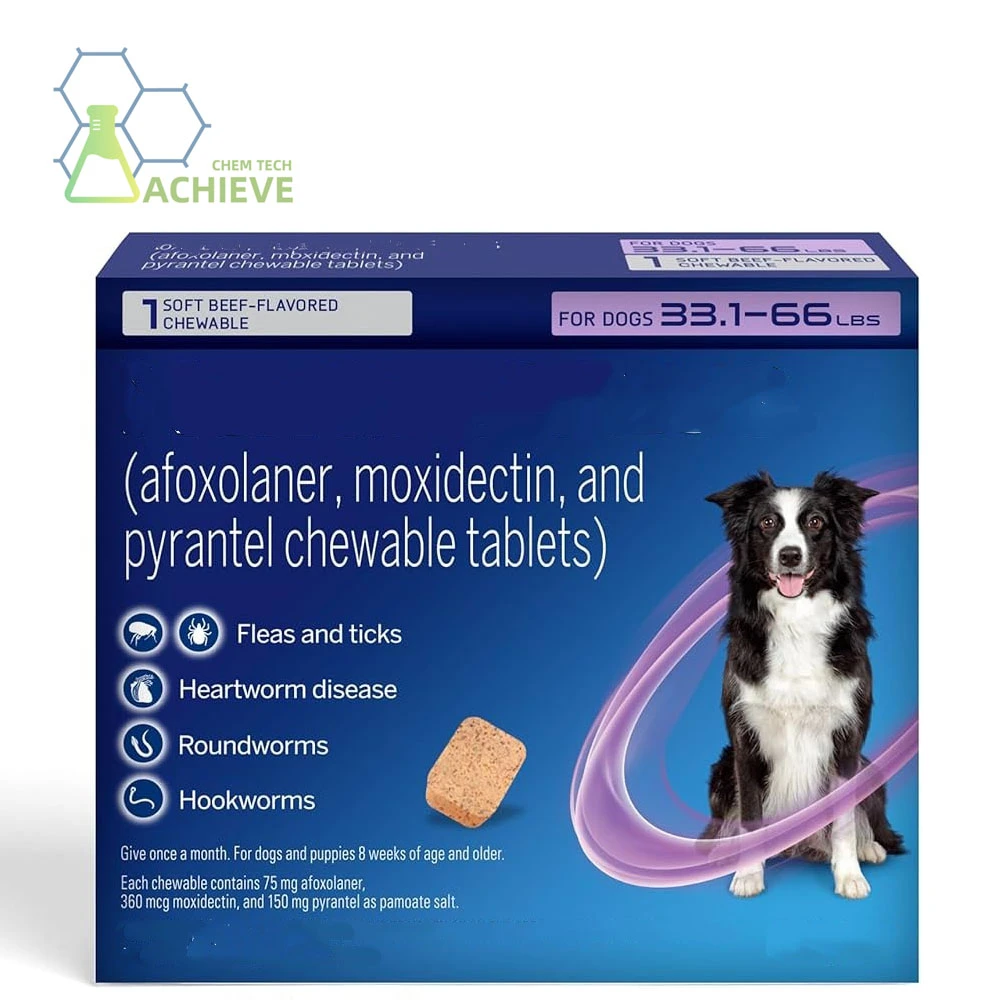
Afoxolaner And Milbemycin Oxime Chewable Tablets
1.General Specification(in stock)
(1)API(Pure powder)
(2)Tablet
9.375+1.875mg:2-3.5kg
18.75+3.75mg:>3.5-7.5kg
37.5+7.5mg:>7.5-15kg
75+15mg:>15-30kg
150+30mg:>30-60kg
(3)Ointment
2.Customization:
We will negotiate individually, OEM/ODM, No brand, for secience researching only.
Internal Code: BM-2-117
Main market: USA, Australia, Brazil, Japan, Germany, Indonesia, UK, New Zealand , Canada etc.
Manufacturer: BLOOM TECH Xi'an Factory
How Do Chloride Channels Shape the Action of Afoxolaner and Milbemycin Oxime?
Proteins called chloride channels are found in the membranes of nerve and muscle cells. Chloride ions with a negative charge flow across the membrane when they open. This changes the cell's electrical state. This process is tightly controlled in animals that are fit. Parasites, on the other hand, die when chloride ions are deliberately stopped from flowing.
This is exactly what both active chemicals in afoxolaner and milbemycin oxime chewable tablets do.
The Electrical Logic Behind Parasite Control
A careful electrical balance is needed for every nerve signal. That balance falls apart when chloride channels are pushed open or closed. Afoxolaner stops chloride from entering, which makes nerve cells constantly very excited. Milbemycin oxime works through a completely different type of channel subtype to push chloride ions into muscle cells, making them permanently more charged. Both results stop the parasite from working, but they do so through different ionic processes. One reason the combination product covers such a wide range of conditions with just one monthly dose is that its parts work well together.
Why Channel Selectivity Makes All the Difference
Selectivity is the most important part of any safe plan to get rid of parasites. The chloride channels that these two chemicals target are either not present in mammals or are built in a way that makes them different from arthropods and worms. Afoxolaner binds to crustacean GABA-gated chloride channels much more strongly than it binds to human tissue. Glutamate-gated chloride channels are what milbemycin oxime goes after, but vertebrates don't have any of them. This difference in biochemistry is what makes afoxolaner and milbemycin oxime chewable tablets effective against bugs while being safe for dogs of all sizes.
Afoxolaner and Milbemycin Oxime Chewable Tablets and GABA-Gated Chloride Channels
Gamma-aminobutyric acid, or GABA, is the main neurotransmitter that stops other neurons from sending signals in many living things. When GABA binds to its receptor on a nerve cell, the chloride channel that is connected to it opens. Chloride ions then flow into the cell, making it less likely to fire. This signal that stops movement is necessary for regulated movement and proper behavior. In arthropods, afoxolaner stops this whole process by stopping the GABA-gated chloride channel. It doesn't open it; it just keeps it closed.
Blocking Inhibition: A Fatal Neurological Loop
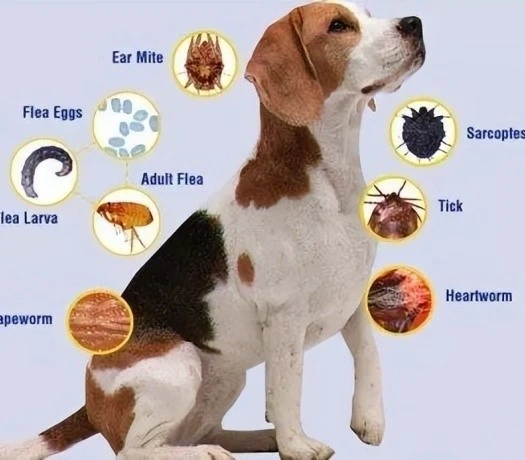
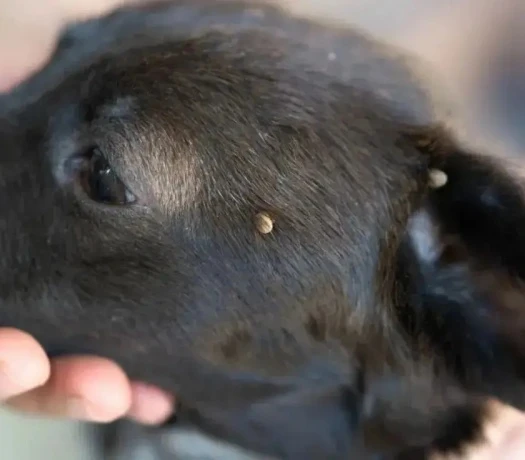
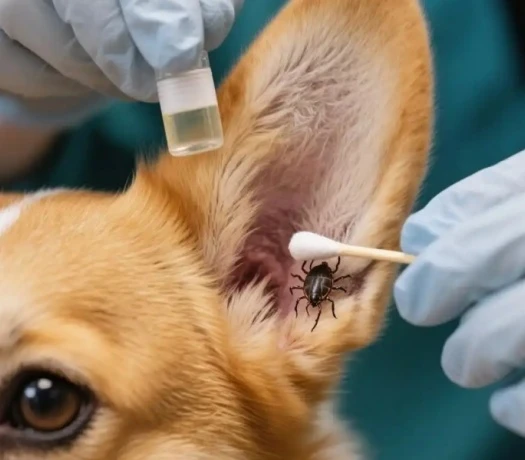
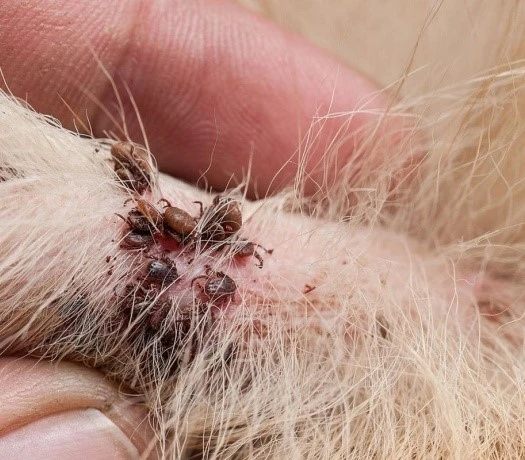
When GABA-gated channels are blocked, the brake on nerve activity is taken away completely. Nerve cells in the parasite fire without being stopped. Fleas, ticks, and lice get muscle hyperexcitation that lasts for a long time and quickly leads to paralysis and death. Fleas start to die within hours of a dog taking afoxolaner and milbemycin oxime chewable tablets. This is because the substance quickly saturates the nerve tissue of arthropods after being ingested. Absolute bioavailability of afoxolaner is 88% in dogs, and the peak plasma concentration is reached in two to four hours.
Isoxazoline Chemistry and Receptor Affinity
Afoxolaner is a chemical that is in the isoxazoline class. This class is known for having a strong preference for connecting to GABA-gated chloride channels in arthropods. What makes the isoxazoline scaffold unique is that its shape fits the arthropod receptor binding site better than it does the GABA receptors in mammals. The chemical has a large safety cushion because it selectively targets certain receptors. This is because the nervous systems of vertebrates and invertebrates evolved differently over time. When afoxolaner is processed by dogs with intact blood-brain barriers and mammalian-type GABA receptor architecture, it doesn't have the same effects on their nervous systems as it does on target parasites.
Why Are GABA and Glutamate-Gated Chloride Channels Important Parasite Targets?
Two groups of chloride channels, GABA-gated channels and glutamate-gated channels, have become the most useful drug targets for controlling parasites. Both control the membrane potential in nerve and muscle cells of invertebrates. Both don't have the structural redundancies found in mammals that would make drugs less effective. Both have quick and permanent effects on organisms that are vulnerable when they are harmed.
The fact that afoxolaner and milbemycin oxime chewable tablets target both of these channel families at the same time makes them better than single-mechanism options.
How Does Chloride Ion Flow Lead to Parasite Paralysis?
From the flow of chloride ions to complete paralysis of the parasite follows a straight path through the body. In arthropods, blocking GABA-gated chloride channels takes away motor neurons' ability to slow down. As a result, nerves fire off and on without control, which makes muscles tighten continuously, which is not good for controlled movement or feeding. Milbemycin oxime opens up glutamate-gated chloride channels in nematodes, which floods muscle cells with chloride ions. While the membrane becomes overly charged, the muscle stops being able to contract at all, and the worm stops moving.

Nematode Neuromuscular Junctions Under Milbemycin Oxime
There are a lot of glutamate-gated chloride channels in the nematode pharynx, which is the muscular organ that feeds. Milbemycin oxime quickly paralyzes the throat when it binds to these channels. The nematode kills itself because it can't eat or reproduce. Milbemycin A4, which makes up 80% of milbemycin oxime, has a half-life of about 3.3 days in dogs' plasma, which means that effective amounts stay high for long enough to catch heartworm larvae before they become adults.
Understanding Chloride Channel Selectivity in Afoxolaner and Milbemycin Oxime Research
Antiparasitic resistance researchers have known for a long time that selectivity-how much a substance likes one receptor subtype over others-determines both safety and long-term usefulness. Two types of selectivity work with afoxolaner and milbemycin oxime chewable tablets: selectivity between host and parasite, and selectivity between the two different channel families that each active ingredient targets.
Resistance Monitoring and Channel Mutations
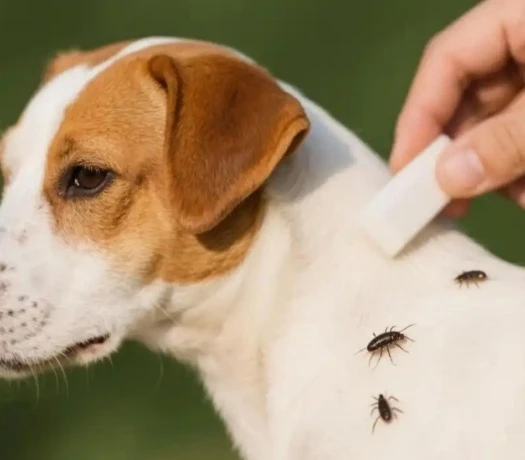
When parasite populations are put under continuous chemical pressure, chloride channel subunits can change in ways that make it harder for drugs to bind. These changes in flea and tick populations are being tracked by ongoing pharmacovigilance studies. As of now, there is strong evidence that afoxolaner and milbemycin oxime chewable tablets work well in the field. However, it is still important to get veterinary advice for dogs with known MDR1 gene variants, like some Collie breeds, because milbemycin oxime clearance may not follow standard pharmacokinetic profiles.
Implications for Formulation and Dosing Precision
Understanding chloride channel biology directly affects dosing architecture.
For dogs between 2 and 3.5 kg, the five weight-based tablet strengths range from 9.375 mg afoxolaner plus 1.875 mg milbemycin oxime to 150 mg plus 30 mg for dogs between 30 and 60 kg. These strengths are set to keep plasma concentrations in the therapeutic window throughout the monthly dosing interval. This accurate dose is based on pharmacokinetic modeling of chloride channel saturation kinetics and is a direct result of a study that looks at how things work.
Conclusion
In the study of drugs that kill parasites, chloride channels are not just small parts; they are the main way that both afoxolaner and milbemycin oxime do their work. Afoxolaner and milbemycin oxime chewable tablets work by selectively targeting two structurally and functionally different channel families. They do this in a way that is both scientifically sound and reliable in real life. Every part of this two-in-one formula is related to chloride ion physiology, from the biochemistry of blocking GABA to the nematocidal effects of activating glutamate channels.
Frequently Asked Questions
Q1: How do afoxolaner and milbemycin oxime affect chloride channels in parasites?
+
-
Afoxolaner inhibits GABA-gated chloride channels in arthropods while milbemycin oxime opens glutamate-gated chloride channels in nematodes. These diverse actions affect normal nerve and muscle function and eventually cause paralysis of the parasite.
Q2: Why are chloride channels important targets for afoxolaner and milbemycin oxime chewable tablets?
+
-
Chloride channels are key regulators of nerve and muscle function in parasites . The research notes that the channels targeted are fundamentally different from those in mammals, which means that the two active substances operate selectively on the parasites.
Q3: How does milbemycin oxime cause paralysis in nematodes?
+
-
Milbemycin oxime binds to the glutamate-gated chloride channels in nematodes, particularly those in the pharynx. This increases the flow of chloride ions and halts the normal contraction of muscle, causing paralysis and loss of mobility.
Partner with Bloomtechz - Your Trusted Afoxolaner and Milbemycin Oxime Chewable Tablets Supplier
Bloomtechz has been making pharmaceutical intermediates and organic compounds for more than 12 years. We use this knowledge in every product we make. Our 100,000-square-meter production site is GMP-certified and has certifications from the US FDA, the EU, Japan, and China. This means that you can be sure of the quality at every step of the way. We are a qualified provider of afoxolaner and milbemycin oxime chewable tablets. We offer OEM and ODM customization, a thorough triple-link quality analysis, and work with customers in the USA, Australia, Japan, Germany, the UK, and other places. Our team is ready to help you with accurate pricing, precise lead times, and all the paperwork you need for a smooth customs clearance process, whether you need bulk API powder, finished tablets, or custom specifications. Send your question to sales@bloomtechz.com right now and find out why 24 of the world's largest companies trust Bloomtechz as their business partner.
References
1. Prichard, R. K., & Geary, T. G. (2019). Perspectives on the utility of moxidectin for the control of parasitic nematodes in the face of developing anthelmintic resistance. International Journal for Parasitology: Drugs and Drug Resistance, 10, 69–83.
2. Wolstenholme, A. J. (2012). Glutamate-gated chloride channels. Journal of Biological Chemistry, 287(48), 40232–40238.
3. Ozoe, Y. (2013). γ-Aminobutyrate- and glutamate-gated chloride channels as targets of insecticides. Advances in Insect Physiology, 44, 211–286.
4. Hardstone, M. C., & Scott, J. G. (2010). Is Apis mellifera more sensitive to insecticides than other insects? Pest Management Science, 66(11), 1171–1180.
5. Lifschitz, A., Virkel, G., Imperiale, F., & Lanusse, C. (2010). Milbemycin oxime pharmacokinetic behaviour after subcutaneous and intraruminal administration to cattle. Journal of Veterinary Pharmacology and Therapeutics, 23(4), 195–202.
6. Shoop, W. L., Mrozik, H., & Fisher, M. H. (1995). Structure and activity of avermectins and milbemycins in animal health. Veterinary Parasitology, 59(2), 139–156.