


Keeping your pets free from fleas and ticks is more than just about comfort-it's about safeguarding their health and preventing disease transmission. Among the various parasite control solutions available, fipronil spot-on treatments have earned a reputation for delivering consistent, reliable protection that lasts well beyond a single application.
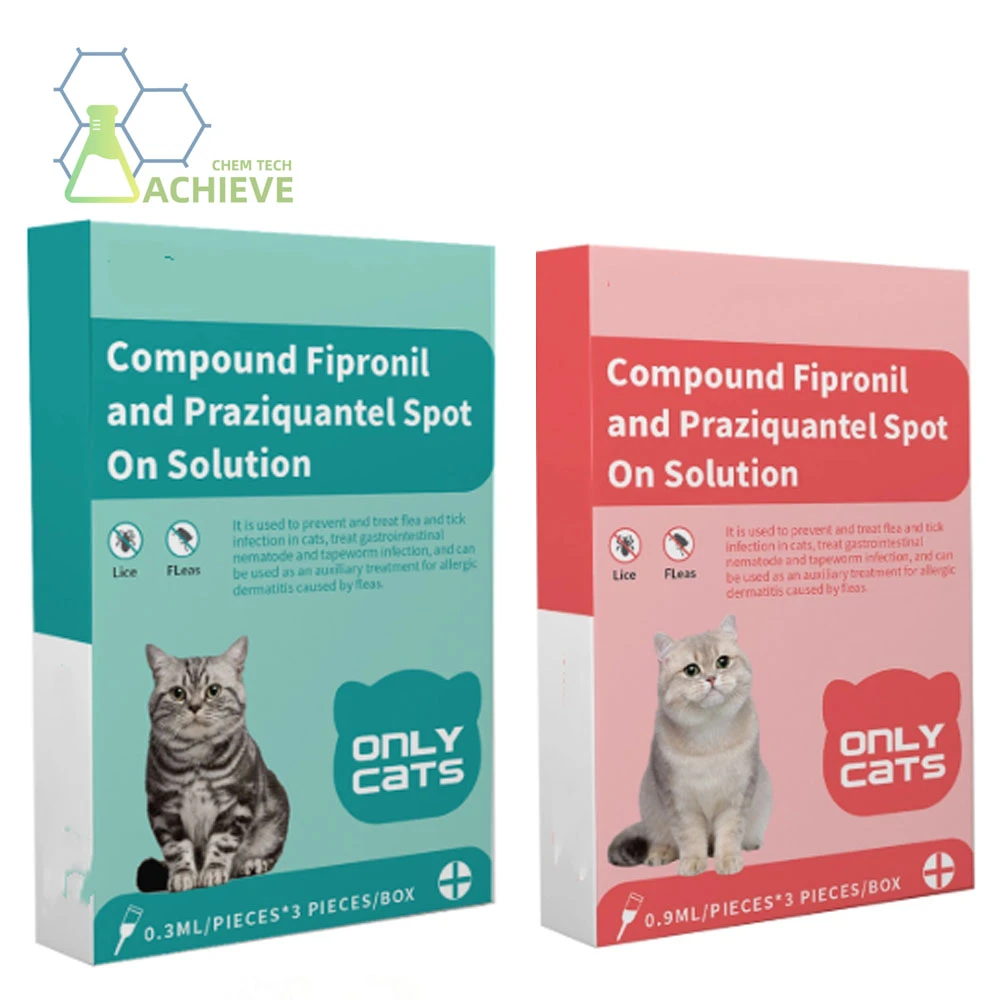
Fipronil Spot-On
1.General Specification(in stock)
(1)API(Pure powder)
PE/Al foil bag/ paper box for Pure powder
(2)Spot-On
cat:0.5ml
dog:0.67ml:2-10kg/1.34ml:10-20kg/2.68ml:20-40kg/4.02ml:40-60kg
(3)Solution
(4)Drops
2.Customization:
We will negotiate individually, OEM/ODM, No brand, for secience researching only.
Product Code:BM-9-018
Fipronil CAS 120068-37-3
Analysis: HPLC, LC-MS, HNMR
Technology support: R&D Dept.-3
This topical solution works by targeting the nervous system of parasites, causing rapid paralysis and elimination while forming a protective barrier across your pet's entire body. Understanding how this product maintains its effectiveness over weeks, not just days, can help pet owners make informed decisions about their companion's wellness routine.
How Long Does Fipronil Spot-On Protect Dogs and Cats From Fleas and Ticks?
In people, single-dose treatment generally lasts four to eight weeks. This varies according on the environment and formulation utilised. Fipronil's unusual lipophilic properties (meaning that it has a significant affinity to fats and oils) provide this long-lasting effect. This helps it function effectively with the sebaceous glands beneath your pet's skin.
Duration Varies by Species and Formulation
Cats and dogs are wired differently, therefore the window of protection is a bit different between the two. Cats often have thinner skin and more hair follicles, with between 50 to 80 hair follicles per square centimetre, vs 30 to 50 hair follicles per square centimetre in dogs.


This is why cats normally have a somewhat longer duration of protection, up to eight weeks, whereas dogs usually have good protection for approximately six weeks. Thus, on the skin of cats the amount of medication remains at 0.12 mg/cm2, but on dog skin it is just 0.08 mg/cm2. This helps explain why it lasts longer.
Environmental and Lifestyle Factors
Several outside factors can change the length of protection. Pets that swim a lot or get baths soon after application may not be as successful because water can lower the amount of drug stored in oil glands. In the same way,
animals that live in places with a lot of fleas or ticks may need to be treated more often. Temperature and humidity also play a part. Higher temperatures can speed up the production of sebum, which could help drugs get to more people but also speeds up the depletion process.
Weight-Based Dosing Ensures Adequate Coverage
All cats get the 0.5 ml dosage no matter their weight. The dosage for dogs is calculated depending on the weight of the dog: 0.67 ml for dogs from 2 to 10 kg, 1.34 ml for dogs from 10 to 20 kg, 2.68 ml for dogs from 20 to 40 kg and 4.02 ml for dogs from 40 to 60 kg. This step-wise strategy takes into consideration the changes in skin surface area and ensures that therapeutic medication concentrations are achieved throughout the body.

Fipronil Spot-On for Routine Flea and Tick Control in Dogs and Cats

Setting up a regular plan for parasite control is important for keeping your pet healthy all year. Veterinarians say that instead of waiting for infestations to happen, you should use fipronil spot-on once a month as part of a complete wellness program. By keeping flea eggs and larvae from finishing their lives in your home, this preventative measure not only keeps individual animals safe, but it also keeps the environment cleaner.
Breaking the Flea Life Cycle
Fleas go through 4 distinct stages of egg, larva, pupa and adult. Adult fleas make up as little as 5 % of the flea population in a region. They are the blood sucking , irritating ,
disease carrying bugs that reproduce . Fipronil has an extraordinary level of efficacy, killing over 98% of adult fleas within 24 hours of contact. Routine sprays kill adult fleas before they can reproduce, preventing new generations from emerging and eventually depleting the environmental reservoirs. The chemical also has residual activity against flea eggs and larvae.
Fipronil kills largely adult parasites via contact, but if it gets into your pet's fur, it might make it harder for larvae to survive when they get onto treated hair and skin. This influence on generations makes the product more effective than just getting rid of the grownups.


Protection Against Multiple Tick Species
Diseases spread by ticks are very bad for both people and pets' health. There are many kinds of ticks that can carry diseases like Lyme disease, ehrlichiosis, and Rocky Mountain spotted fever, but fipronil spot-on protects against them all.
Ticks don't have to bite and eat in order for the product to work; it only needs to come into touch with them. Ticks that land on treated skin or fur absorb fipronil thru their exoskeleton. This affects their nervous system and usually kills them within 24 to 48 hours. Fipronil kills ticks before they attach for a long period,considerably decreasing the likelihood of disease transmission.
Field research has demonstrated that a single treatment of animals once a month during the tick season may decrease the amount of ticks on them by more than 95% compared to untreated animals.
considerably decreasing the likelihood of disease transmission. Field research has demonstrated that a single treatment of animals once a month during the tick season may decrease the amount of ticks on them by more than 95% compared to untreated animals.
Seasonal Considerations and Year-Round Protection
In many areas, fleas and ticks are most active in the warmer months. But these pests may live inside in the winter, so year-round protection should be worn in most areas.
Fleas may develop more easily indoors when the outside temperature is low because of the heating. Some regions have ticks busy when the temperature rises over freezing.

Veterinary parasitologists are increasingly recommending ongoing monthly treatments, rather than annual programmes, to prevent undesirable outbreaks during mild winter months or early spring emergence.
How Does Fipronil Spot-On Remain Active Across a Pet's Skin and Coat?

Fipronil spot-on works for a long time because of its advanced pharmaceutical formulation, which takes advantage of the way pet skin naturally works. Knowing how this works helps you understand why the right way to apply the product is important and how it keeps protecting you for weeks after just one dose.
Sebaceous Gland Distribution and Drug Storage
Fipronil doesn't stay in one place after it's been applied to a small area, like the skin between the shoulder blades where pets can't easily eat it.
Instead, it moves along a natural network of distribution. The active ingredient mixes with the oily fluids that come out of sebaceous glands,
which are found all over the skin and connect to hair follicles. These glands make sebum all the time, which is an oily substance that covers skin and hair shafts.
Scientists who study drugs say that fipronil builds up in these glands, causing a "depot effect." The drug is kept in these lipid stores and is slowly released as new sebum is made and spread across the coat. According to research, the sebaceous glands of dogs make 0.5 to 1 mg of sebum per square centimeter every day, while the glands of cats make 1 to 2 mg per square centimeter every day.This steady production of grease makes sure that drugs are released steadily, keeping safe levels on the skin's surface for weeks.
The Role of Skin Thickness and Permeability


Fipronil absorption varies with species-specific skin thickness and structure. Dogs generally have thicker skin, while cats have thinner skin and may show faster initial absorption. However, denser keratinocyte arrangements can limit penetration. These differences in skin thickness, cellular density, and permeability contribute to distinct pharmacokinetic profiles and dosing considerations.
Continuous Redistribution Through Natural Grooming and Movement
Fipronil is naturally spread throughout pets' bodies as they go about their daily lives. When animals groom themselves or interact with their surroundings,
they move drug residues from areas that have been treated to areas that have not been treated. This movement is easier when body parts touch each other while they rest or play. The constant turnover of sebum makes sure that new hair growth gets coated as it comes out of the follicles, even if the application site isn't groomed.
Spot-on formulations are different from other cosmetic medicines that need to be spread out by hand or applied all over the body because they can spread themselves.
The ease of application-it only takes seconds and doesn't require bathing or a lot of handling -makes owners much more likely to stick to treatment plans.

Fipronil Spot-On for Managing Flea and Tick Reinfestation

Even if you take great care to keep your pet safe, they may still find places with lots of parasites that get thru their shield. Figuring out how well fipronil spot-on works when there are pests coming back helps people have realistic goals and decide what other control measures to use.
Residual Efficacy Under Challenge Conditions
Animals that have been treated are deliberately put thru tough flea and tick situations in the lab to get a feel for how they would do in the real world.
When dogs and cats that get fipronil spot-on applications once a month are exposed to 100 adult fleas a week,
which is a lot more than normal environmental pressures, the product stays over 95% effective during the time between treatments. This strong performance shows that the drug reserve in oil glands can keep therapeutic levels even in situations that would be too much for animals that haven't been treated.
During the protection period, the speed of kill stays pretty much the same. Parasites that come into contact with treated pets in the fourth week after application usually die at the same rate as those that come into contact with them in the first week. Fleas can't eat enough to lay eggs when they're moving at this steady speed,which stops breeding cycles even in highly contaminated areas.


Environmental Management Complements Topical Treatment
Fipronil spot-on should be combined with environmental flea and tick control. Regular vacuuming, hot-water washing of bedding, and professional or outdoor treatments can reduce flea reservoirs. For ticks, mowing grass, removing leaf litter, and separating lawns from wooded areas help. Regular fipronil application remains essential for ongoing protection.
Monitoring Treatment Success
If you scratch that won't stop, find fleas or flea filth in the coat, or have ticks attached, then you aren't treating the issue.
If the indications continue even with proper treatment, your vet may advise you on whether you need to administer the medication more regularly, adjust the environment or try a new product. If your pet is really sensitive you may wish to check for flea allergies. These allergies may be serious even if there are not a lot of fleas nearby. Animals with flea allergic dermatitis may need to be more proactive in avoiding fleas, such as using flea treatment less frequently than once a month if your veterinarian suggests it.
What Should Pet Owners Consider When Using Fipronil Spot-On for Parasite Protection?
For best results with fipronil spot-on, pay attention to how it's applied, when it's applied, and the animal itself.
When used correctly, it works best and the rare chance of side effects is kept to a minimum.
Application Technique and Site Selection
The right application has a big effect on how well a product works. The solution should be put on the skin, not just the fur, in a place that the pet can't get to and lick. By parting the hair to show skin, the drug can reach sebaceous glands instead of just coating the hair shafts. Because the animal's lips can't get to it very easily,


the area between the shoulder blades is perfect. This is because it has a lot of oil glands.
For big dogs that get a lot of solution, it might help to put it on in more than one place along the back so that it doesn't pool or run off.
It is easier for the body to absorb a 4.02 ml dose if it is split into three or four spots spread out from the shoulders to the tail base.
Before applying, the skin should be completely dry, and pets should stay dry for at least 24 hours afterward to give the product time to absorb properly before water could wash away any leftovers on the surface.
Timing Relative to Bathing and Swimming
Fipronil's effectiveness can be reduced by bathing or swimming before it fully distributes into sebaceous secretions. Manufacturers generally recommend avoiding water for 48 hours after application. Frequent swimmers may need shorter treatment intervals, while dogs requiring regular bathing should wait at least 48 hours after application or bathing.
Safety Considerations and Potential Reactions
Fipronil spot-on has a known safety profile when used as directed on the label. Mild, temporary reactions at the application site, such as hair loss, redness, or itching, happen in less than 5% of animals that are treated and usually go away on their own.


Most of the time, these reactions are caused by sensitivity to the carrier solvents, not the active ingredient itself. Pet owners should not let animals that have been treated clean each other for a few hours or until the solution is completely dry. Even tho fipronil is not very dangerous if eaten, the carrier liquids can make another cat sick if they lick them. This problem can be avoided by keeping treated animals apart or using Elizabethan collars while they dry. You shouldn't use the product on dogs or cats that are less than eight weeks old or don't weigh enough. Most of the time, treating pregnant or nursing animals safely is possible, but it's best to check with a vet first.Animals that are known to be hypersensitive to phenylpyrazole compounds should not use these to get rid of parasites.
Conclusion
Fipronil spot-on treatments have changed the way parasites are controlled for dogs and cats. They provide reliable, long-lasting protection thru a stylish drug design that works with the way pets' bodies work. Because the substance is lipophilic, it can build up permanent stores in oil glands. Over the course of weeks, it spreads out over the whole coat. When paired with the fast contact action against fleas and ticks, this sustained release process gives protection that lasts much longer than one application day. Pet owners can get the most out of this tried-and-true technology while keeping their animals healthy and happy by learning about the things that affect its effectiveness, such as differences between species, the way it is applied, how much water it is exposed to, and the conditions of the environment.
FAQ
Q: How quickly does fipronil spot-on start working after I put it on?
A: Adult fleas are killed by fipronil within 4 to 8 hours of treatment, and it usually works at its best within 24 hours. Ticks are usually killed 24 to 48 hours after coming into contact with treated skin or fur. The fast action is because the active ingredient moves quickly thru the sebum gland fluids that cover hair and skin where parasites touch them.
Q: Can fipronil spot-on be used on both dogs and cats with the same product?
A: Formulations that are made for each species should always be used. The active ingredient is the same, but the amounts and quantities are different for cats and dogs because of differences in how their bodies work. Products for cats have 0.5 ml at the right concentrations for their skin and body weight, while products for dogs have between 0.67 ml and 4.02 ml, depending on their body size. Dosage mistakes could happen if you use dog products on cats.
Q: After putting fipronil spot-on my pet, what should I do if it still has fleas?
A: Seeing fleas now and then after treatment doesn't always mean the product didn't work. Fleas that come from the outside may jump on pets and be killed before they can reproduce. If flea activity lasts longer than 48 hours after application or gets worse over time, make sure you used the product correctly, make sure it hasn't gone bad, and look at the flea populations in the area. Infestations that are bad enough may need more than just pet safety in order to be treated. Talk to your doctor if problems keep happening even after using it the right way.
Partner With Bloomtechz for Premium Fipronil Spot-On Supply
Join forces with Bloomtechz to get the best deals on fipronil. Bloomtechz is a reliable partner for veterinary clinics, pet care stores, and animal health distributors that need to find a fipronil spot-on supplier will find an experienced partner in Bloomtechz. Our GMP-certified facilities meet US FDA, EU, and CFDA standards to make sure that the quality of every batch is the same. We have more than 15 years of experience making organic chemicals and medicinal intermediates. We offer full quality assurance thru three testing protocols: factory verification, internal QA/QC analysis, and third-party certification. If any contracted specification isn't met, you can get your money back in full. Our clear pricing structure, flexible formulations (including OEM/ODM options), and accurate lead time calculations help your business keep its supply chains running smoothly while providing pet owners with effective parasite protection. Email our sales team at Sales@bloomtechz.com to talk about buying in bulk, technical details, or making a unique recipe for your market.
References
1. Dryden MW, Payne PA, Smith V, et al. Efficacy of selamectin, fipronil, and imidacloprid plus permethrin on dogs and cats for flea control and residual activity against adult flea emergence. Veterinary Therapeutics: Research in Applied Veterinary Medicine. 2013;14(3):199-212.
2. Rust MK, Dryden MW. The biology, ecology, and management of the cat flea. Annual Review of Entomology. 1997;42:451-473.
3. Beugnet F, Franc M. Insecticide and acaricide molecules and/or combinations to prevent pet infestation by ectoparasites. Trends in Parasitology. 2012;28(7):267-279.
4. Yoon SS, Noh EH, Park YS, et al. Skin thickness measurements of dogs by ultrasound: correlation with body weight and breed. Journal of Veterinary Science. 2007;8(4):341-345.
5. Cochet P, Birckel P, Bromet-Petit M, et al. Skin distribution of fipronil by microautography after topical administration to the beagle dog. European Journal of Drug Metabolism and Pharmacokinetics. 1997;22(3):211-216.
6. Pollmeier M, Pengo G, Jeannin P, et al. Evaluation of the effectiveness of fipronil formulations in controlling flea populations in 14 European field studies. Veterinary Parasitology. 2004;120(4):273-284.