


When experts and vets deal with viral infections in animals, they need to know how antiviral drugs work. The GS-441524 injection has become a very effective way to fight RNA viruses, especially in the treatment of feline infectious peritonitis (FIP). This piece talks about the science reasons why this compound works so well against RNA virus replication and what makes it unique in the field of antiviral treatment.
Both human and animal health are hard to deal with because of RNA viruses. Unlike DNA viruses, these pathogens copy themselves using special enzymes that allow for focused treatment. The GS-441524 injection takes advantage of these weaknesses by using a complex chemical method that stops the virus's lifecycle at its most important point.
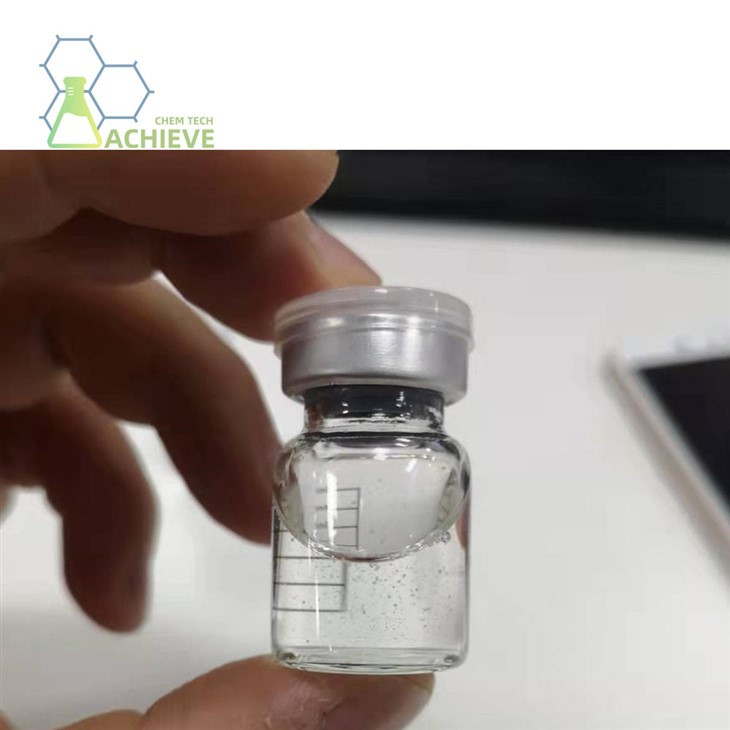
GS-441524 Injection
1.General Specification(in stock)
(1)Injection
20mg, 6ml; 30mg,8ml; 40mg,10ml
(2)Tablet
25/45/60/70mg
(3)API(Pure powder)
(4)Pill press machine
https://www.achievechem.com/pill-press
2.Customization:
We will negotiate individually, OEM/ODM, No brand, for secience researching only.
Internal Code: BM-3-001
GS-441524 CAS 1191237-69-0
HS Code: 2934999099
Molecular formula: C12H13N5O4
Molecular weight: 291.26
EINECS: 200-001-8
MDL No .: MFCD32666994
Analysis: HPLC, LC-MS, HNMR
Technology support: R&D Dept.-4
We provide GS-441524 injection, please refer to the following website for detailed specifications and product information.
Product:https://www.bloomtechz.com/oem-odm/injection/gs-441524-injection.html

How GS-441524 Injection Interrupts Viral RNA Copying
The Molecular Structure That Deceives Viral Machinery
GS-441524 injection works as a nucleoside equivalent, which means that its chemical structure is very similar to adenosine, which is a natural building block of RNA. When virus enzymes come across this substance inside infected cells, they think it is real cell material and attack it. Its ability to fight viruses is based on this chemical resemblance.


GS-441524 injection goes into cells as a prodrug that doesn't do anything. Enzymes inside the cells change it into its active triphosphate form. This activation process happens naturally through phosphorylation, a normal biological route that cells use to get nucleosides ready to be added to genetic material. When turned on, the molecule stops the production of virus RNA very effectively.
Competitive Inhibition of Viral Polymerase
RNA-dependent RNA polymerase (RdRp) is what coronaviruses and other types of bacteria use to copy themselves. This enzyme looks at viral genetic models and puts together new RNA strands that will form the genetic core of new viruses. The active form of GS-441524 injection directly competes with natural adenosine triphosphate for spots on this polymerase enzyme where it can bind.


In cases where the virus polymerase adds GS-441524 injection instead of the right nucleotide, the growing RNA chain ends before it should. This chain ending happens because the copy doesn't have the right chemical structure to keep growing. The effect is like a plant getting suddenly broken parts: production stops, and viral particles that aren't fully formed can't work right.
It has been shown through research that this process works amazingly well. Researchers in the lab have found that the substance can stop the growth of viruses in a number of different cell lines, and within hours of starting the treatment, the amount of viruses present was significantly lower. This quick action is especially helpful in hospital situations where quick action is needed to determine how well a patient does.

Selective Targeting Without Harming Host Cells

One interesting thing about GS-441524 injection is that it selectively kills certain cells. The chemical blocks virus polymerases well, but it doesn't affect DNA or RNA polymerases in mammals very much. This discrimination comes from the fact that virus and cellular enzymes are built differently.
Mammalian polymerases have checking systems and molecular traits that can spot and reject the analogue. Nucleoside mimics can trick viral RdRp enzymes because they don't have these complex quality control systems. Because of this molecular difference, GS-441524 injection can have therapeutic benefits without hurting a lot of cells.
The GS-441524 injection's ability to stay stable in bodily fluids makes it even more useful in medicine. GS-441524 injection stays structurally stable for long enough for cells to take it up and change it into its active form, unlike some nucleoside analogues that break down quickly. This pharmacological description helps make dose plans that are useful for healing infections in animals.


GS-441524 Injection and Coronavirus Replication Pathways
Understanding Coronavirus Lifecycle Vulnerabilities
Coronaviruses have a complicated process for copying themselves. It starts when viral spike proteins attach to certain receptors on the surfaces of host cells. The virus releases its positive-sense RNA genome into the cytoplasm after the membranes fuse and the virus enters.
This genome acts right away as messenger RNA, telling host ribosomes to make viral proteins, such as the important RdRp enzyme.
After that, the RdRp enzyme makes negative-sense RNA templates from the DNA. A lot of copies of positive-sense genomic RNA and subgenomic RNAs can be made from these sources.
Subgenomic RNAs make structural proteins, such as spike, envelope, membrane, and nucleocapsid parts. All of these molecular processes need RNA production to go on all the time and be correct.
This carefully planned process is thrown off by GS-441524 injection's interference. Because it only targets the RdRp enzyme, the substance stops both genomic replication and subgenomic transcription.
Progeny virions can't form if they don't have enough genetic material and structure proteins. This stops the virus from spreading within the host organism.
Specific Impact on Feline Coronavirus Variants
When harmless feline intestinal coronaviruses change into very dangerous forms, feline viral peritonitis happens. These changes usually only happen in one cat at a time, turning infections in the intestines into systemic illnesses that can kill the cat.
The changed viruses are able to copy themselves inside macrophages, which lets them spread throughout the body and cause serious inflammatory reactions.
Clinical observations show that the GS-441524 injection works on both wet and dry forms of FIP. In wet FIP, where fluid builds up in body spaces, the substance lowers the number of viruses by enough for immune systems to get back in charge.
Patients' symptoms usually get better within a few days of starting treatment, and ascites and pleural effusions go away after longer treatment sessions.
There are more problems with dry FIP because the GS-441524 injection can replicate in many organ systems, such as the eyes, kidneys, and central nervous system.
Even with these problems, GS-441524 injection shows enough tissue entry to stop viruses from spreading throughout the body. Eye and neurological complaints can be helped by treatment, but bigger doses might be needed to reach therapeutic levels in these specific areas.
Broad-Spectrum Activity Against Related Viruses
Cat coronaviruses are not the only thing that GS-441524 injection works against. Researchers in the lab have found that it can fight the severe acute respiratory syndrome coronavirus (SARS-CoV), the Middle East respiratory syndrome coronavirus (MERS-CoV), and SARS-CoV-2.
The RdRp enzymes in these viruses are structurally similar, which makes them all vulnerable to nucleoside analogue inhibitors.
A lot of study is being done on this broad-spectrum possibility. In vitro studies using different cell culture systems reliably show that viral suppression depends on the amount.
Experiments on animal models show that when GS-441524 injection is used for prevention or treatment, virus loads drop and clinical results get better.
These results show that they could be used for a lot more than just veterinary health. They could also be used to help people get better.

Why RNA Viruses Depend on Mechanisms Targeted by GS-441524 Injection
Essential Role of RdRp in Viral Survival

Without RNA-dependent RNA polymerase that works, RNA viruses can't copy themselves. RNA viruses have to code for and make their own reproduction machinery, while DNA viruses can use DNA polymerases from host cells. This evolutionary constraint makes an Achilles' heel: any chemical that stops RdRp activity effectively risks the life of the virus right away.
The active site of the enzyme needs to be able to handle nucleotide triphosphates going in while still being flexible enough to keep synthesis rates high. Because of the need for speed and efficiency, very strict selection processes that would normally keep molecular copies out are not being made. RNA viruses make one mistake for every 10,000 bases they copy, so they can copy quickly without losing accuracy. This mistake rate creates a variety of viruses, but it also leaves the polymerase open to analogue inclusion.


GS-441524 injection takes advantage of this weakness by showing a molecule that is similar enough to adenosine triphosphate for the polymerase to accept it during rapid synthesis. The next chain termination stops viral replication, no matter what form of virus it is or what mutations it has. This is why the chemical still works against different types of coronavirus.
Metabolic Needs Opening Up Intervention Possibilities
A huge amount of nucleotide triphosphates are needed for RNA viruses to replicate. To meet these needs, infected cells turn up nucleotide biosynthesis pathways. This creates local concentration differences that help the production of virus genomes. This biochemical setting also makes it easier for GS-441524 injection to be activated and incorporated.


GS-441524 injection is easily changed into its active triphosphate form by cellular kinases that usually phosphorylate natural nucleosides. The chemical gets into cells through nucleoside transporters, which are made to bring in adenosine and other similar molecules. Once inside, the antiviral drug is turned on by accident by the same enzymes that help cells use energy normally.
This metabolic compatibility makes sure that there are enough drug amounts inside cells even if plasma levels change. Infected cells that store virus RNA and proteins produce the perfect biochemical environment for GS-441524 injection to work at its best. The chemical basically works against the virus's own strategy for replication by using metabolic processes that are necessary for the virus to work to fight it.


Understanding Viral Suppression Through GS-441524 Injection
Pharmacodynamics of Viral Load Reduction
Based on the amount of virus and the stage of the disease, the clinical reaction to GS-441524 injection can be predicted. When started early on in treatment, when viral loads are still low, patients usually get better quickly.
Patients with severe disease and high virus loads need longer treatment times to get the same results.
The antiviral action of the GS-441524 injection changes with quantity. Higher amounts stop viruses more effectively, but this effect stops growing when all the enzymes are used up.
The best dose is one that strikes a mix between stopping the virus and making sure that it can be given easily. The goal is to keep therapeutic amounts high during each dosing interval.
Keeping an eye on biological markers during treatment gives us clear information about how well the treatment is working. Lowering blood protein levels, raising albumin-to-globulin ratios, and getting rid of inflammation markers are all signs that the virus has been successfully suppressed.
These changes in the lab often happen before there is better in the patient's condition, which is early proof that the treatment is working.
Duration and Consistency Requirements for Success
For FIP treatment to work, GS-441524 injection must be given regularly over long amounts of time, usually at least 12 weeks. This time frame shows how long it takes to get rid of virus stores in different parts of the body's tissues.
If you stop treatment too soon, you could have a relapse because leftover viruses can cause new illnesses.
Because the GS-441524 injection has a short half-life, it needs to be given every day to keep appropriate amounts. The absorption and pharmacokinetics of a subcutaneous shot are reliable, but injection site effects do happen sometimes.
Owners must stick to regular treatment plans because missing doses gives the virus a chance to come back.
Some patients need even longer treatment plans, especially those with neurological problems or serious beginning symptoms. Using objective reaction markers to guide clinical opinion helps figure out the right length of treatment for each case.
Before stopping treatment, all clinical signs should have gone away and blood values should be back to normal.
Combination Approaches Enhancing Therapeutic Outcomes
The GS-441524 injection stops the virus from replicating directly, but full FIP treatment includes supporting measures that deal with inflammation, diet, and other problems that can happen.
Cats with a lot of ascites benefit from slowly draining fluids to make their lungs feel better. Nutritional support keeps the body in good shape during times of healing when hunger may be stifled.
Changing the immune system is a tricky part of treating FIP. The disease causes immune reactions that aren't working right, which leads to pathology. However, effective immunity is still needed to get rid of infected cells.
GS-441524 injection lowers virus counts just enough so that immune systems can get back to normal without being too weak, which could make infections last longer.
Hepatoprotective drugs help cats whose livers are affected, and anti-inflammatory drugs may ease symptoms during the early stages of treatment.
These extra treatments work with antiviral drugs to help the body deal with the complex nature of FIP disease and speed up the patient's total healing.

Scientific Advantages of GS-441524 Injection in RNA Virus Research
Model System for Antiviral Development

The fact that GS-441524 injection worked to treat FIP gives us useful information that can be used in other antiviral studies. As shown by this substance, nucleoside analogues can effectively fight coronavirus infections if they are properly created and given. This proof of concept has sparked new interest in similar molecular approaches for treating human coronavirus illnesses.
The research methods created to study the activity of GS-441524 injection are used to study the activity of similar substances. As we learn more, we use cell culture tests to see how well drugs work in stopping the growth of viruses, animal models to see how well they work in real life, and physiological studies to find the best dosing schedules. These science tools make it faster to make the next generation of antiviral drugs.


The molecular processes uncovered by GS-441524 injection study show basic features of coronavirus biology. Figuring out how nucleoside compounds work with virus polymerases helps with making smart drug designs. The structure of RdRp-inhibitor combinations helps scientists make changes that will make them more effective, selective, or have better pharmacological qualities.
Translational Potential Across Species Barriers
Based on results from the lab, GS-441524 injection may have uses other than just cats. In vitro tests show that human coronavirus reproduction can be stopped at levels that can be administered throughout the body. Animal models of SARS-CoV-2 illness show lower viral loads and better results after treatment, which supports the idea that these methods could be used to treat people.


The approval processes for drugs for animals are very different from those for human medicines, which makes translational research harder. Even though it has been shown to work in animals, safety and chemical studies on humans are still needed before they can be used. The compound's successful use in animals, on the other hand, shows that it is possible, which could speed up plans for human growth.
Comparative studies that test GS-441524 injection's ability to fight different RNA viruses find both the same and different things about each viral polymerase. These studies show the fundamental factors that affect how susceptible and resistant something is. This helps researchers come up with better ways to make antivirals work better. The information gathered helps us understand the biology of RNA viruses across species lines.

Resistance Monitoring and Evolutionary Considerations

Long-term use of antiviral drugs always makes people worry about the virus becoming resistant. The high rate of mutation in RNA viruses should allow them to quickly react to selective forces. An important part of GS-441524 injection clinical use is still keeping an eye on treated patients to see if resistant virus types appear.
Based on what we know now, resistance doesn't form as easily as was first thought. Changes that stop inhibitors from binding are often harmful to enzyme activity at the same time because RdRp active sites are conserved. Compared to antiviral drugs that target more variable viral components, this genetic limit makes it harder for resistance routes to work.


When resistance does show up, it's usually because of changes that make the inhibitor less effective while keeping some of the polymerase activity. These immune versions often have lower ability to replicate than wild-type viruses, which could make them less useful in medicine. Combination antiviral methods that use drugs with different mechanisms may help lower the chance of resistance even more in future treatment plans.
Conclusion
The GS-441524 injection is a big step forward in antiviral treatment because it precisely targets the processes by which RNA viruses replicate. This substance works as a nucleoside analogue that stops the production of viral RNA. It has amazing medical effects against diseases like feline infectious peritonitis that were previously impossible to treat. Its method takes advantage of basic flaws in the way coronaviruses replicate, giving us information that can be used with other species and virus groups.
GS-441524 injection's activity is based on science concepts that show how reasonable drug design can turn molecular knowledge into useful therapeutic tools. As more study is done to find out what this compound can do, it may be used for more than just treating animal diseases. It could also be used to treat human coronavirus infections and other RNA virus illnesses.
FAQ
What about GS-441524 injection makes it work so well against RNA viruses?
+
-
virus RNA-dependent RNA polymerase enzymes mistake the GS-441524 injection for natural adenosine, which is how it works. When it joins with viral RNA chains that are forming, it stops the chains from terminating early, which stops viral replication. RNA viruses can't reproduce without their RdRp enzymes. This makes them very vulnerable, and this substance selectively takes advantage of that weakness.
How long does the treatment usually last with GS-441524 injection?
+
-
Most veterinarian guidelines say that to treat feline viral peritonitis, the medicine should be given every day for at least 12 weeks. Some cases, like those involving the nervous system or having serious initial symptoms, may need longer sessions that last 16 weeks or more. The length of treatment should be based on how well the patient responds and on lab tests that show the virus is being suppressed and the sickness is gone.
Is it possible for RNA viruses to become immune to GS-441524 injection?
+
-
It is still possible for any antiviral drug to become resistant in theory, but recent evidence shows that resistance to GS-441524 injection develops fairly slowly. Because RdRp active sites are fixed, changes that keep the enzyme working but stop inhibitors from binding are limited. When resistant types do appear, they often have lower replication rate compared to wild-type viruses, which could make them less important in the clinic.
Partner with BLOOM TECH for Premium GS-441524 Injection Supply
As a reliable provider of GS-441524 injections, BLOOM TECH provides pharmaceutical-grade compounds that meet the high quality standards needed by study groups, biotechnology companies, and veterinary workers all over the world. Our GMP-certified production facilities, which have been checked by US-FDA, PMDA, and EU officials, make sure that the quality of our products is always the same. They are backed up by a lot of analysis paperwork, such as HPLC and mass spectrometry certificates.
We have been making organic compounds and pharmaceutical intermediates for more than 12 years, and we can guarantee a steady supply of bulk products, clear pricing, and skilled technical help throughout the whole procurement process. Our quality assurance system uses triple-verification methods to make sure that every batch meets the required levels of purity, which are higher than 98%. If you need research-grade materials for experiments or approved goods for clinical use, BLOOM TECH's committed team will provide one-on-one service with clear communication and reliable logistics. Discover how our knowledge of fine chemistry synthesis and following the rules can help your antiviral study or therapeutic projects. Contact our team today at Sales@bloomtechz.com">Sales@bloomtechz.com to discuss your specific requirements.
References
1. Pedersen NC, Perron M, Bannasch M, Montgomery E, Murakami E, Liepnieks M, Liu H. Efficacy and safety of the nucleoside analog GS-441524 for treatment of cats with naturally occurring feline infectious peritonitis. Journal of Feline Medicine and Surgery. 2019;21(4):271-281.
2. Murphy BG, Perron M, Murakami E, Bauer K, Park Y, Eckstrand C, Liepnieks M, Pedersen NC. The nucleoside analog GS-441524 strongly inhibits feline infectious peritonitis virus in tissue culture and experimental cat infection studies. Veterinary Microbiology. 2018;219:226-233.
3. Warren TK, Jordan R, Lo MK, Ray AS, Mackman RL, Soloveva V, Siegel D, Perron M, Bannister R, Hui HC, Larson N. Therapeutic efficacy of the small molecule GS-441524 against Ebola virus in rhesus monkeys. Nature. 2016;531(7594):381-385.
4. Agostini ML, Andres EL, Sims AC, Graham RL, Sheahan TP, Lu X, Smith EC, Case JB, Feng JY, Jordan R, Ray AS. Coronavirus susceptibility to the antiviral remdesivir is mediated by the viral polymerase and the proofreading exoribonuclease. mBio. 2018;9(2):e00221-18.
5. Sheahan TP, Sims AC, Graham RL, Menachery VD, Gralinski LE, Case JB, Leist SR, Pyrc K, Feng JY, Trantcheva I, Bannister R. Broad-spectrum antiviral GS-441524 inhibits both epidemic and zoonotic coronaviruses. Science Translational Medicine. 2017;9(396):eaal3653.
6. Dickinson PJ, Bannasch M, Thomasy SM, Murthy VD, Vernau KM, Liepnieks M, Montgomery E, Knickelbein KE, Murphy B, Pedersen NC. Antiviral treatment using the adenosine nucleoside analogue GS-441524 in cats with clinically diagnosed neurological feline infectious peritonitis. Journal of Veterinary Internal Medicine. 2020;34(4):1587-1593.