


As feline infectious peritonitis (FIP) treatments evolve, many cat owners and veterinarians are turning to oral formulations of GS 441524 tablets as a more convenient alternative to injections. However, concerns about potential gastrointestinal (GI) side effects have emerged. This article explores the GI implications of oral GS-441524, methods to mitigate stomach upset, and compares its side effect profile to other antiviral medications.
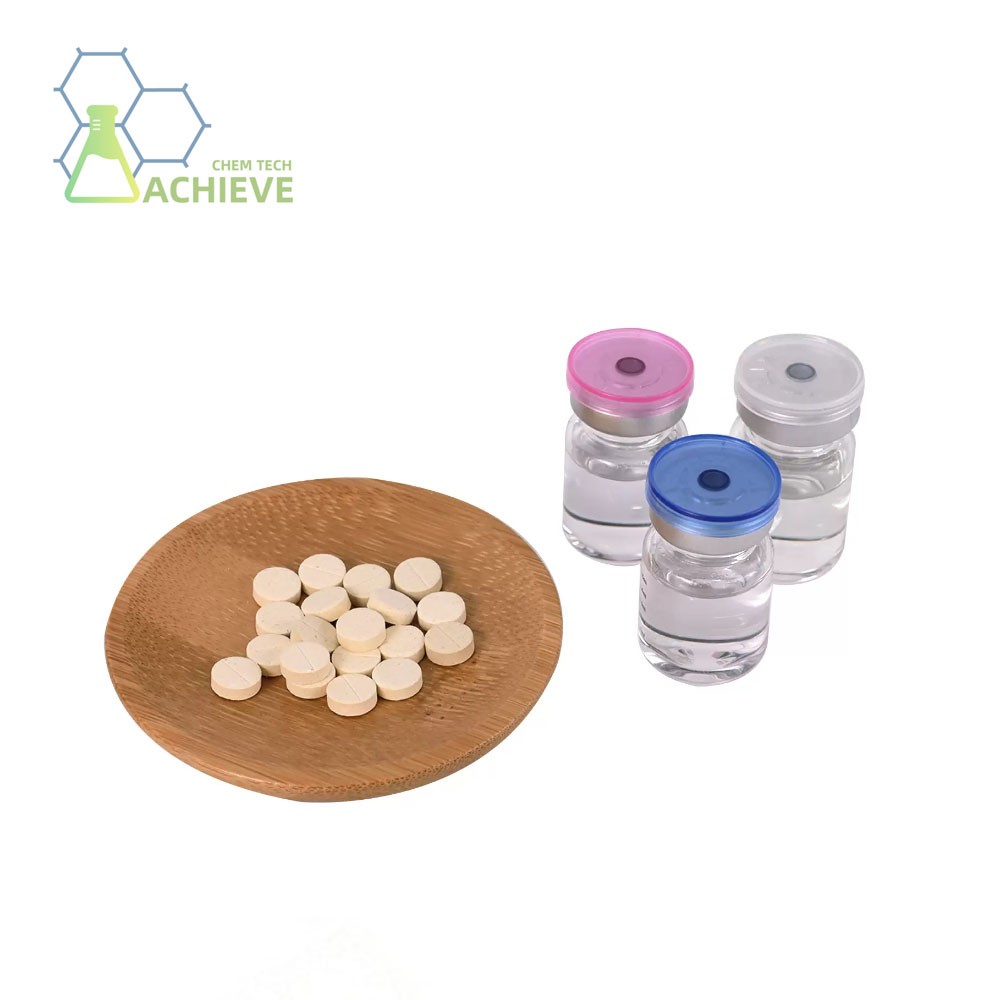
1.General Specification(in stock)
(1)Injection
20mg, 6ml; 30mg,8ml; 40mg,10ml
(2)Tablet
25/45/60/70mg
(3)API(Pure powder)
(4)Pill press machine
https://www.achievechem.com/pill-press
2.Customization:
We will negotiate individually, OEM/ODM, No brand, for secience researching only.
Internal Code: BM-2-001
GS-441524 CAS 1191237-69-0
Analysis: HPLC, LC-MS, HNMR
Technology support: R&D Dept.-4
We provide GS 441524 tablets, please refer to the following website for detailed specifications and product information.
Product: https://www.bloomtechz.com/oem-odm/tablet/gs-441524-tablets.html
Do GS-441524 Tablets Require Enteric Coating?
When considering FIP pills for cats, a common question arises about whether GS-441524 tablets require an enteric coating to avoid irritation of the stomach lining. Enteric coatings are specifically formulated to shield medications from harsh stomach acid and to ensure the drug is released only once it reaches the more neutral environment of the small intestine.
Evaluating the Need for Enteric Coating
Current formulations of GS-441524 tablets, including fip pills for cats, do not typically include enteric coating. The rationale behind this includes:
Rapid absorption: GS-441524 is designed for quick absorption in the upper GI tract.
pH stability: The compound appears relatively stable across different pH levels.
Bioavailability concerns: Enteric coating could potentially reduce overall drug absorption.
While enteric coating might seem beneficial for reducing stomach irritation, it's not currently deemed necessary for GS-441524 tablets. However, ongoing research may provide more insights into optimizing the formulation for feline patients.
How to Reduce Stomach Upset from GS-441524?
Despite the lack of an enteric coating on GS-441524, cat owners have several practical strategies available to help reduce gastrointestinal discomfort when administering the drug orally. These approaches aim to protect the stomach lining and improve tolerance, ensuring the medication is better accepted and more effective for the cat.
Practical Tips for Administering GS-441524 Tablets
To help reduce the likelihood of stomach upset when giving GS 441524 tablets to cats:
Administer with food: Giving the medication with a small meal can help buffer stomach acid and reduce irritation.
Split doses: If permitted by your veterinarian, dividing the daily dose into smaller, more frequent administrations may be gentler on the stomach.
Hydration: Ensure your cat has access to fresh water to help dilute stomach acid and support overall GI health.
Probiotic supplementation: Some veterinarians recommend probiotics to support gut health during treatment.
Anti-nausea medications: In cases of severe nausea, your vet may prescribe anti-emetics to be given alongside GS-441524.
It's crucial to consult with your veterinarian before making any changes to your cat's medication regimen or introducing new supplements.
GI Side Effects Profile of Antiviral Nucleotides
To better understand the potential for gastrointestinal (GI) irritation caused by GS-441524, it is useful to examine and compare its side effect profile alongside other antiviral nucleotide drugs commonly used in veterinary medicine. This comparison helps highlight any unique or shared adverse effects related to GI tolerance.
When examining the GI side effects of various antiviral medications:
GS-441524: Generally well-tolerated, with occasional reports of mild nausea or decreased appetite.
Remdesivir: As a prodrug of GS-441524, it shows a similar GI profile in felines.
Famciclovir: Commonly used for feline herpesvirus, it can cause vomiting and diarrhea in some cats.
Ganciclovir: While less commonly used in cats, it's associated with more severe GI side effects in other species.
Comparatively, GS-441524, commonly used in fip pills for cats, appears to have a favorable GI tolerability profile among antiviral nucleotides. However, individual cat responses can vary, and close monitoring is essential during treatment.

Mechanisms of GI Irritation in Antivirals

Understanding how antivirals might cause GI upset can help in managing potential side effects:
Direct mucosal irritation: Some antivirals can directly irritate the stomach lining.
Alteration of gut flora: Antivirals may disrupt the balance of beneficial bacteria in the GI tract.
Increased gastric acid production: Certain medications can stimulate excess stomach acid secretion.
Delayed gastric emptying: Some antivirals may slow the movement of food through the stomach.
GS-441524 appears to have minimal impact on these mechanisms, which may explain its relatively low incidence of GI side effects compared to other antivirals.
Long-term GI Health Considerations for FIP Treatment
As cats undergo extended courses of GS-441524 therapy for feline infectious peritonitis (FIP), it becomes increasingly important to carefully consider the potential long-term implications this treatment may have on their gastrointestinal (GI) health. Monitoring and managing any adverse effects is essential for ensuring overall well-being during therapy.
Monitoring and Maintaining GI Function During Treatment
To ensure optimal GI health throughout the course of FIP treatment:
Regular veterinary check-ups: Frequent monitoring can help catch and address any developing GI issues early.
Dietary adjustments: Your vet may recommend specific diets to support GI health during treatment.
Liver function tests: Periodic blood work can help assess the impact of long-term antiviral use on liver health, which is closely tied to GI function.
Probiotic therapy: Long-term probiotic supplementation may help maintain a healthy gut microbiome.
Stress reduction: Minimizing stress can positively impact GI health, as stress can exacerbate GI symptoms.
By taking a proactive approach to GI health management, cat owners can help ensure their feline companions tolerate GS-441524 therapy well over extended periods.
Conclusion
While gastrointestinal irritation is a potential concern with any oral medication, GS 441524 tablets have shown a relatively favorable GI tolerability profile in cats being treated for FIP. By implementing strategies to minimize stomach upset and closely monitoring your cat's response to treatment, the benefits of oral GS-441524 therapy can often be realized with minimal GI side effects.
For pharmaceutical companies and research institutions working on antiviral treatments, the insights gained from GS-441524's use in feline patients could inform the development of future medications with improved GI profiles. If you're involved in the pharmaceutical industry and interested in exploring innovative antiviral formulations or require high-quality chemical compounds for your research, Shaanxi BLOOM TECH Co., Ltd. is here to support your efforts.
With our state-of-the-art GMP-certified production facilities and expertise in various chemical reactions and purification methods, we're equipped to meet the demanding needs of the pharmaceutical sector. Whether you're looking for long-term contracts for bulk chemical purchases or specialized compounds for antiviral research, we invite you to reach out to our team. Contact us at Sales@bloomtechz.com to discuss how we can contribute to your antiviral development projects and help advance treatments for challenging conditions like FIP.
References
1. Pedersen, N.C., et al. (2019). Efficacy and safety of the nucleoside analog GS-441524 for treatment of cats with naturally occurring feline infectious peritonitis. Journal of Feline Medicine and Surgery, 21(4), 271-281.
2. Murphy, B.G., et al. (2018). The nucleoside analog GS-441524 strongly inhibits feline infectious peritonitis (FIP) virus in tissue culture and experimental cat infection studies. Veterinary Microbiology, 219, 226-233.
3. Kim, Y., et al. (2020). Reversal of the Progression of Fatal Coronavirus Infection in Cats by a Broad-Spectrum Coronavirus Protease Inhibitor. PLoS Pathogens, 16(3), e1008259.
4. Dickinson, P.J., et al. (2020). Antiviral treatment using the adenosine nucleoside analogue GS-441524 in cats with clinically diagnosed neurological feline infectious peritonitis. Journal of Veterinary Internal Medicine, 34(4), 1587-1593.