


In the context of the increasing burden of metabolic diseases worldwide, Tirzepatide (a GLP-1/GIP dual-target agonist) has become a research hotspot in the field of metabolism due to its unique molecular design and multi-dimensional metabolic regulation capabilities. This innovative drug developed by Eli Lilly not only breaks the efficacy ceiling of traditional drugs in terms of lowering blood sugar and weight reduction, but also redefines the treatment paradigm for metabolic diseases through systematic intervention in metabolic-related organs such as the heart, liver, and kidneys.
|
|
|
|
|
|
|
|





Molecular Mechanism: The "Metabolic Engine" with Dual Targeting
The core breakthrough of Tirzepatide lies in its dual-target design that simultaneously activates the glucagon-like peptide-1 receptor (GLP-1R) and the glucose-dependent insulinotropic polypeptide receptor (GIPR). This "dual-hormone synergy" mechanism precisely regulates the metabolic system through multiple signaling pathways:
GLP-1R activation: Strengthening of the traditional mechanism
Enhanced insulin secretion: After GLP-1R activation, it is coupled with the activation of adenylate cyclase (AC) through Gs protein, increasing the intracellular cAMP level, and subsequently activating protein kinase A (PKA), stimulating insulin secretion by pancreatic β cells.
Inhibition of glucagon: GLP-1R activation can inhibit the secretion of glucagon by pancreatic α cells, reducing hepatic glucose output, and thereby lowering fasting blood glucose.
Regulation of the appetite center: The expression of GLP-1R in the central nervous system (such as the hypothalamus) can reduce the activity of appetite-related neurons and decrease food intake.
Delayed gastric emptying: GLP-1R activation can slow down the gastric emptying rate and prolong the duration of satiety.
Activation of GIPR: The "enhancer" of metabolic regulation
Recovery of pancreatic β cell function: After GIPR activation, it enhances the sensitivity of β cells to glucose through the PKA signaling pathway, improving the "glucose-dependent" insulin secretion. This mechanism is particularly important in patients with type 2 diabetes (T2DM), as pancreatic β cell function is often damaged due to long-term high blood sugar.
Regulation of fat metabolism: The expression of GIPR in adipose tissue can promote fat breakdown, reduce visceral fat accumulation, and inhibit white adipose tissue browning (WAT browning), reducing energy consumption.
Improvement of insulin sensitivity: GIPR activation can enhance the sensitivity of muscles and liver to insulin, improving systemic insulin resistance.
Synergistic effect of dual targets
Complementary signaling pathways: The activation of GLP-1R and GIPR can produce a superimposed effect. For example, in pancreatic β cells, GLP-1R mainly enhances acute insulin secretion, while GIPR restores β cell function to achieve long-term secretion improvement.
Weakening of metabolic adaptation: In animal models, Tirzepatide can weaken the metabolic rate decline (metabolic adaptation) caused by calorie restriction by increasing fat oxidation and maintaining energy consumption, achieving more lasting weight loss effects.
Regulation of food preference: Tirzepatide can specifically reduce the intake of high-fat foods, while having no significant effect on carbohydrate intake. This characteristic may be related to its regulation of the reward pathway in the hypothalamus.
Clinical benefits: "Full-chain intervention" from hypoglycemic and weight loss effects to organ protection
Clinical studies of Tirzepatide (such as the SURPASS series) have confirmed its multi-dimensional metabolic improvement capabilities, with benefits covering aspects such as blood glucose control, weight management, cardiovascular protection, and liver health.
Significant reduction in HbA1c: In the SURPASS-2 trial, the average HbA1c level of patients in the 15mg dose group decreased by 2.4%, significantly better than the 1.9% reduction in the semaglutide 1mg group.
Increased rate of blood sugar relief: Over 70% of patients had their HbA1c reduced to below 7% (the standard for diabetes remission), while the proportion in the semaglutide group was approximately 55%.
Control of fasting blood glucose: Tirzepatide reduced fasting blood glucose (FBG) by an average of 3.1 mmol/L, more than 0.8 mmol/L lower than that of semaglutide.
Intervention for prediabetes: Studies targeting prediabetic populations showed that Tirzepatide could delay disease progression and reduce cardiovascular risk.
Breakthrough in weight loss: In the SURMOUNT-1 trial, patients in the 15mg dose group lost an average of 22.5% (24 kg) of body weight within 72 weeks, with the highest weight loss reaching 30%, far exceeding the 15% reduction in semaglutide.
Diabetic obese patients: In the SURMOUNT-2 trial, patients in the 15mg dose group had an average weight loss of 15.7% (15.6 kg), while the semaglutide group had 9.6%.
Optimization of weight loss quality: Tirzepatide led to weight loss mainly in adipose tissue, with more significant reduction in visceral fat, which is crucial for reducing cardiovascular risk.
Long-term maintenance: In the SURMOUNT-3 trial, patients who underwent 12 weeks of lifestyle intervention and then received Tirzepatide treatment for 72 weeks lost an average of 26.6% (29.2 kg) over a total of 84 weeks, setting a new record for drug-induced weight loss.
Risk of major adverse cardiovascular events (MACE) decreased: Long-term use of Tirzepatide could reduce the risk of events such as myocardial infarction and stroke by 12%-15%, this benefit not only stems from weight and blood sugar improvement, but is also closely related to its reduction of inflammatory responses and improvement of vascular endothelial function.
Improvement of obstructive sleep apnea (OSA): In the SURMOUNT-OSA trial, the apnea-hypopnea index (AHI) of patients in the 10mg or 15mg dose groups significantly decreased, with the number of nocturnal apnea events reduced by 5.3 times compared to the placebo group.
Protection of heart failure: Animal experiments show that Tirzepatide can inhibit heart inflammation and fibrosis, improve heart function, suggesting its potential value in the treatment of heart failure.
Non-alcoholic fatty liver disease (NAFLD) improved: After 36 weeks of treatment, liver fat content decreased by an average of 50%-65%, liver fibrosis score significantly reduced, and liver function indicators such as ALT and AST generally improved.
Potential treatment for metabolic associated fatty liver disease (MAFLD): The improvement effect of Tirzepatide on fatty liver may be related to its reduction of fat accumulation, inhibition of inflammation and oxidative stress, and may become a first-line treatment drug for MAFLD in the future.
Correction of lipid abnormalities: Triglycerides decreased by approximately 20%, VLDL cholesterol reduced, improving the risk of atherosclerosis.
Blood pressure control: Both systolic and diastolic blood pressure decreased simultaneously, reducing hypertension-related complications.
Waist circumference reduction: An average reduction of over 12 cm, reducing the risk of central obesity.
|
|
|
|


Future Prospects: From Metabolic Regulation to Chronic Disease Prevention and Treatment
The development of Tirzepatide marks the entry of metabolic disease treatment into the "multi-target era". Its dual-target mechanism not only achieved a qualitative leap in efficacy, but also through systematic intervention of metabolic-related organs, provides new ideas for chronic disease prevention and treatment.
Formulation innovation and population expansion
Oral formulation development: Eli Lilly is advancing the research on the oral formulation of Tirzepatide, and it is expected to enter the key trial stage in 2025. If successful, it will significantly improve patient compliance.
New indication exploration: Research on metabolic-related diseases such as heart failure, Alzheimer's disease, and chronic kidney disease (CKD) has been initiated. In the future, it may expand to more treatment areas.
Tri-target agonist development: The new generation of GLP-1/GIP/glycagon triple-target agonists has entered phase III clinical trials and is expected to further enhance efficacy and safety through broader metabolic regulation.
Individualized treatment and precision medicine
Drug dosage adjustment guided by biomarkers: In the future, it may be possible to achieve precise adjustment of drug dosage by detecting the expression levels of GIPR and GLP-1R in patients.
Combination therapy exploration: Research on the combination of Tirzepatide with SGLT-2 inhibitors, insulin, etc. is underway, aiming to achieve more comprehensive metabolic control.
Public health significance
Response to obesity epidemic: The global obesity rate continues to rise, and the efficient weight loss effect of Tirzepatide can provide new tools for public health policies.
Cost savings in healthcare: By reducing the occurrence of complications such as diabetes and cardiovascular diseases, Tirzepatide may lower long-term healthcare expenditures.
Conclusion: The "systemic revolution" in metabolic regulation
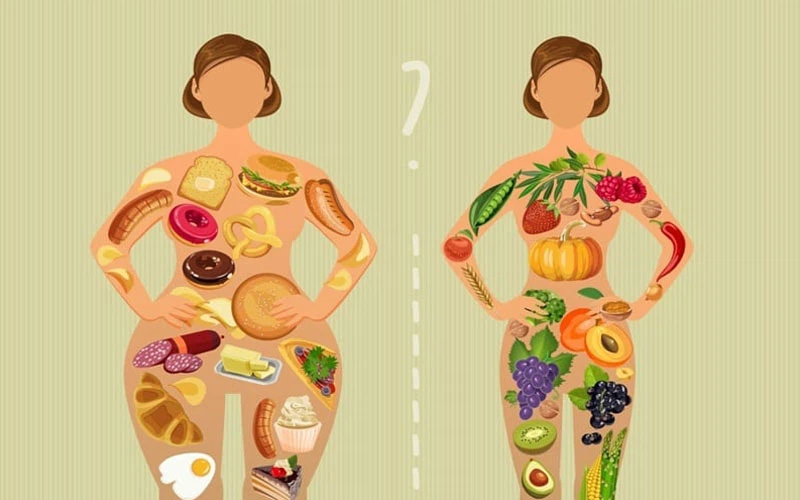
The emergence of Tirzepatide is not only a breakthrough in drug development, but also a revolution in medical concepts. Its multi-dimensional metabolic regulation achieved through dual-target mechanisms is rewriting the treatment landscape of metabolic diseases such as diabetes and obesity. From the coordination of signaling pathways at the molecular level to the protection of organs such as blood sugar, weight, cardiovascular, and liver at the clinical level, Tirzepatide demonstrates the great potential of a "systemic metabolic management tool". In the future, with the expansion of more indications and innovation in formulations, this drug may become a "new benchmark" in the field of chronic disease prevention and treatment, bringing real health hope to hundreds of millions of patients with metabolic diseases worldwide.