


Obesity, as defined by the World Health Organization (WHO), is a chronic metabolic disease rather than a simple "body shape problem". When the body mass index (BMI) is ≥ 28 kg/m ² (Chinese standard) or ≥ 30 kg/m ² (international standard), excess fat is no longer a passive energy warehouse, but an "active lesion" that continuously secretes inflammatory factors, interferes with hormone balance, and compresses organ function. The harm of obesity is not singular, but systemic, cumulative, and involves almost every organ in the human body.

Cardiovascular System: The Number One Killer
This is the first major channel leading to obesity related deaths.
Hypertension: For every 10 kg increase in weight, systolic blood pressure rises by approximately 5-8 mmHg. The release of angiotensinogen and inflammatory factors from visceral fat directly damages the endothelium of blood vessels.
Coronary heart disease: Obese individuals have a 2-4 times higher risk of coronary heart disease compared to individuals of normal weight. Dyslipidemia (high LDL, low HDL, high triglyceride) accelerates atherosclerosis.
Heart failure: The heart needs to continuously overload with excess weight, leading to left ventricular hypertrophy and enlargement of the heart chamber, ultimately leading to heart failure. For every 5 kg/m ² increase in BMI, the risk of heart failure increases by approximately 40%.
Stroke: Obesity increases the risk of ischemic stroke by 64% and hemorrhagic stroke by 24%.
Approximately 2.8 million people worldwide die each year from cardiovascular diseases related to overweight or obesity.

Metabolic system: hotbed of diabetes
Obesity and type 2 diabetes are almost symbiotic.
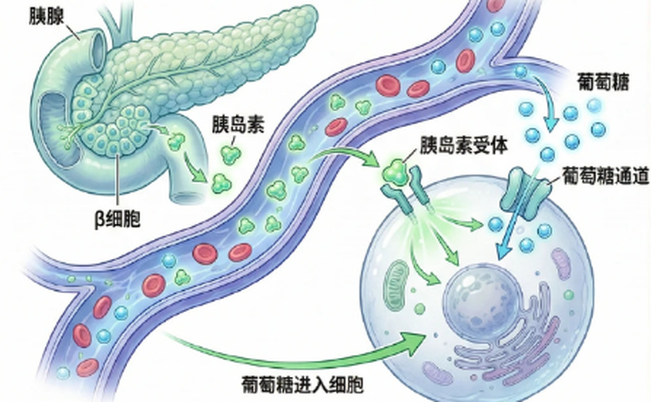
Insulin resistance: visceral fat releases free fatty acids (FFA) and inflammatory factors such as TNF - α and IL-6, which interfere with the insulin signaling pathway and cause cells to turn a deaf ear to insulin.
Beta cell failure: The pancreas is forced to secrete excessive insulin, leading to functional decline and uncontrolled blood sugar levels after prolonged overwork.
Obese people have a 7 – 10 times higher risk of developing type 2 diabetes than normal weight people. About 80% of type 2 diabetes patients are overweight or obese.
Abnormal blood lipid: high triglyceride, low HDL cholesterol, small and dense LDL particles increase - this is the most dangerous "atherogenic blood lipid spectrum".


15.2 billion US dollars! Hengrui Pharmaceutical and Bristol Myers Squibb reached a strategic cooperation agreement
On May 12, 2026, Hengrui Pharmaceutical (600276. SH; 01276. HK) and Bristol Myers Squibb (NYSE: BMY "BMS") announced today that they have reached a global strategic cooperation and licensing agreement to jointly promote 13 early-stage projects covering oncology, hematology, and immunology, in order to accelerate the development of innovative drugs and benefit patients worldwide.
This cooperation agreement includes 4 Hengrui oncology and hematology projects, 4 BMS immunology projects, and 5 innovative projects jointly developed by both parties based on Hengrui's R&D engine and diversified innovation technology platform. Hengrui has the option to jointly develop specific projects and has the opportunity to collaborate with BMS on specific commercial activities worldwide. Under the framework of this cooperation, BMS has obtained the global exclusive rights of the above Hengrui original research projects and joint research and development projects relying on the Hengrui platform, except for Chinese Mainland, Hong Kong Special Administrative Region and Macao Special Administrative Region.
Hengrui Pharmaceutical has obtained the exclusive rights of the above BMS original research projects in Chinese Mainland, Hong Kong Special Administrative Region and Macao Special Administrative Region, and BMS reserves the rights in other regions of the world except these regions. Hengrui Pharmaceutical will be fully responsible for the early clinical development of the above-mentioned projects and accelerate the validation of clinical concepts.
The agreement reached this time is in line with the collaborative innovation strategy of BMS and Hengrui, demonstrating their continued commitment to promoting scientific innovation through cooperation in major and unmet medical needs. Based on the differentiated research and development advantages of BMS, global clinical development capabilities, registered professional capabilities, and commercial scale, as well as Hengrui Pharmaceutical's drug development engine, technology platform, and efficient early research capabilities, this cooperation will accelerate the advancement of a series of high-value projects.
Novo Nordisk: Higher doses of Wegovy @ show an average weight loss of nearly 28% in early responders
On May 12, 2026, Novo Nordisk released a new subgroup analysis from the large-scale clinical trial STEPUP at the European Obesity Conference (ECO) held in Istanbul, Türkiye. The analysis results show that regardless of the speed at which individuals respond to treatment, higher doses of weight loss drug Wegovy @ have shown good efficacy in helping obese patients achieve significant weight loss.
In addition, another STEPUP subgroup analysis published on ECO showed that, Wegovy ® The weight loss achieved mainly comes from the reduction of body fat, while most of the muscle mass is preserved. The STEPUP test conducted in obese patients carried out a 72 week comparative study on the higher dose of smeglutide (7.2 mg), 2.4 mg and placebo. More than 1400 adult obese patients without type 2 diabetes were included.
The research results are impressive. In the 7.2mg dose group, the average weight loss of patients was 21%: calculated based on the average weight of patients before starting treatment with semaglutide of 113k0, the corresponding average weight loss was about 23kg. In comparison, within 72 weeks, the average weight loss of the semaglutide 2.4mg group was about 17.5%, and the placebo group was 2.4%. The 21% weight loss achieved by 7.2mg of semaglutide is consistent with the safety and tolerability characteristics of the 2.4mg dose of semaglutide.