


Diabetes, as a chronic metabolic disease prevalent worldwide, poses a serious threat to human health and quality of life. With the continuous advancement in research on the pathogenesis of diabetes, the development of novel hypoglycemic drugs has become a significant focus in the medical field. Retatrutide, an emerging therapeutic agent, has gradually gained attention, offering new hope and treatment options for diabetes management. This article provides a comprehensive overview of retaglutide, covering its fundamental concepts, mechanism of action, pharmacokinetic characteristics, clinical applications, safety profile, and future development directions.
|
|
|
|
|
|
|
|






The mechanism of action of retatrutide



(1) Stimulating insulin secretion
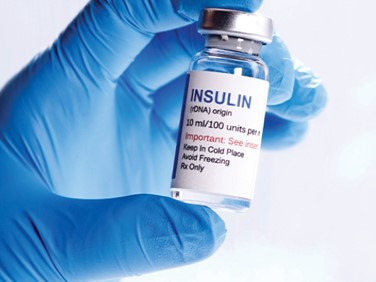
After retinoretinolide binds to the GLP-1 receptor on the surface of pancreatic β cells, it activates intracellular signaling pathways, such as the cyclic adenosine monophosphate (cAMP) - protein kinase A (PKA) pathway and the phosphatidylinositol - 3 - kinase (PI3K) - protein kinase B (Akt) pathway, etc. The activation of these signaling pathways promotes the transcription and translation of insulin genes, increases insulin synthesis and secretion. Moreover, the effect of retinoretinolide in stimulating insulin secretion is glucose concentration-dependent. That is, it only promotes insulin secretion when the blood glucose level is elevated, and does not excessively stimulate insulin secretion when the blood glucose is normal or low, thereby avoiding the risk of hypoglycemia.
(2) Inhibiting glucagon secretion
Glucagon is a hormone secreted by the α cells of the pancreas. Its effect is opposite to that of insulin, and it can increase blood sugar levels. Retatrutide can inhibit glucagon secretion by acting on the GLP-1 receptor on the surface of pancreatic α cells. This inhibitory effect is also glucose concentration-dependent, which helps maintain blood sugar stability when blood sugar levels rise.
(3) Delaying Gastric Emptying
Retatrutide can act on the nerve endings and smooth muscle cells of the gastrointestinal tract, inhibiting gastrointestinal peristalsis and delaying gastric emptying. The delayed gastric emptying causes food to stay in the stomach for a longer time, thereby slowing down the absorption rate of nutrients such as carbohydrates, making the increase in blood sugar more gradual and avoiding a sharp rise in blood sugar after meals. At the same time, delayed gastric emptying also increases satiety, reduces the patient's appetite and food intake, and helps to control weight.
(4) Improving insulin sensitivity
Long-term use of retatrutide can also improve insulin sensitivity, enhancing the effect of insulin on peripheral tissues (such as muscles, fat, etc.), promoting glucose uptake and utilization, and further lowering blood sugar levels. This may be related to the effects of retinoreticulin in regulating fat metabolism and reducing inflammatory responses.
Clinical Applications
Treatment of Type 2 Diabetes
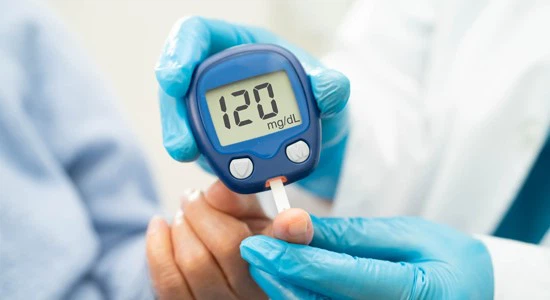
Retatrutide is primarily used for glycemic control in patients with type 2 diabetes. Multiple clinical trials demonstrate that monotherapy with ritalinagliptin significantly reduces fasting blood glucose, postprandial blood glucose, and glycated hemoglobin (HbA1c) levels. For patients with inadequate response to oral hypoglycemic agents alone, combination therapy with Retaglipin further enhances glycemic control and improves rate of achieving target blood glucose levels. Additionally, Retaglipin offers extra benefits including weight reduction, blood pressure lowering, and improved lipid metabolism, thereby helping reduce the risk of cardiovascular disease in diabetic patients.
Combination Therapy with Other Medications
Retatrutide can be combined with various other antidiabetic agents, such as metformin, sulfonylureas, thiazolidinediones, and basal insulins. Combination therapy leverages synergistic effects among different drugs to achieve more comprehensive glycemic control while reducing the dosage of individual agents and lowering the risk of adverse reactions. For example, when combined with metformin, metformin enhances insulin sensitivity and reduces hepatic glucose output, while liraglutide stimulates insulin secretion, inhibits glucagon release, and delays gastric emptying. This combination achieves superior glycemic control.

Future research directions
Currently focused on select metabolic disorders, Retatrutide holds promise for broadening its therapeutic scope. While demonstrating efficacy in obesity treatment, further exploration is warranted regarding its effectiveness across varying degrees of obesity severity and etiologies. For instance, investigating combined therapies-such as Retatrutide paired with surgical interventions or other treatments-could yield enhanced outcomes for morbidly obese patients. Additionally, non-alcoholic fatty liver disease (NAFLD) is closely linked to metabolic disorders. Retatrutide holds promise in improving hepatic steatosis and inflammatory responses by modulating metabolic pathways, thereby delaying disease progression to cirrhosis and hepatocellular carcinoma. Conducting large-scale clinical trials to validate its efficacy and safety in NAFLD treatment represents a key direction. Furthermore, patients with polycystic ovary syndrome (PCOS) often exhibit insulin resistance and metabolic abnormalities. Retatrutide may positively impact reproductive function and metabolic disorders in PCOS patients by improving metabolic markers, warranting further investigation.
Regarding dosage and frequency, future pharmacokinetic and pharmacodynamic studies could enable personalized precision dosing. Tailored dose adjustment protocols based on patient age, weight, metabolic status, and other factors could enhance therapeutic efficacy while reducing adverse reactions. For instance, elderly patients or those with hepatic or renal impairment may require dose modifications to ensure drug safety and effectiveness. Simultaneously, exploring more convenient administration methods is crucial for optimizing treatment regimens. Currently administered primarily via injection, developing oral formulations or alternative non-injection routes-such as transdermal patches or inhalers-would significantly improve patient compliance, particularly for those requiring long-term therapy.
Combination use with other medications represents a key future development trend for Retatrutide. Co-administration with traditional hypoglycemic agents like metformin or sulfonylureas can produce synergistic glucose-lowering effects while reducing the required dose of any single drug and lowering the risk of adverse reactions. In cardiovascular disease prevention and management, Retatrutide can be combined with antihypertensive and lipid-lowering agents to comprehensively improve metabolic markers and reduce the risk of cardiovascular events. Furthermore, combination with emerging biologics like GLP-1 receptor agonists and SGLT-2 inhibitors may yield enhanced metabolic regulation, offering superior treatment options for patients with metabolic disorders.
As Retatrutide gains broader adoption, long-term safety monitoring becomes critical. Establishing a robust adverse drug reaction surveillance system is essential for promptly identifying and managing rare yet severe adverse events. Concurrently, conducting long-term follow-up studies will provide deeper insights into the drug's long-term effects on patients, including potential impacts on tumor risk and bone health, thereby furnishing scientific evidence for rational clinical use.