


Retatrutide, as a novel triple agonist, is quietly transforming the daily landscape of obesity and diabetes treatment. This drug, which requires only a single subcutaneous injection per week, precisely mimics the effects of three intestinal hormones. It not only significantly improves blood sugar control but also enables patients to achieve continuous weight loss without strict dietary restrictions - many patients have lost over 20% of their weight in clinical studies, which directly enhances their daily mobility and social confidence. Its mechanism involves delaying gastric emptying and acting on the hypothalamus to enhance the feeling of fullness, causing patients to naturally reduce snack intake. Although some users may experience temporary nausea and other reactions, its potential in addressing comorbidities such as joint pain related to obesity and sleep apnea is redefining the quality of life for patients with chronic metabolic diseases, and allowing long-term health management to go beyond the rigid dieting and frequent medication cycle.
|
|
|
|
|
|
|
|





Health Improvement: From Metabolic Imbalance to Physiological Function Optimization

A revolutionary breakthrough in weight management
Retatrutide has a weight loss effect close to that of surgical procedures. In the Phase 2 clinical trial, obese patients treated with a 12-milligram dose for 48 weeks experienced an average weight reduction of 24.2% (approximately 58 pounds/26.2 kilograms), significantly better than the 2.1% reduction in the placebo group. This weight loss magnitude not only improves appearance but also directly reduces the risk of obesity-related complications, such as sleep apnea, osteoarthritis, and cardiovascular diseases. For example, a weight loss of more than 20% can increase the pain relief rate of knee osteoarthritis by 60%, significantly improving daily activity ability.
Precise Regulation of Blood Glucose Control
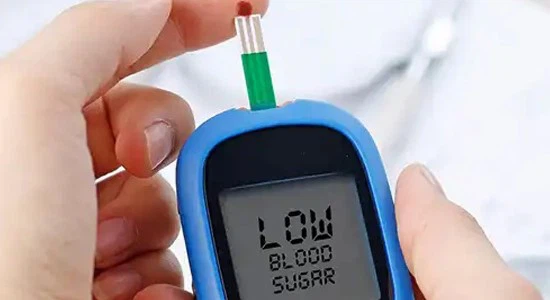
In patients with type 2 diabetes, Retatrutide significantly reduces the level of glycosylated hemoglobin (HbA1c), and some patients' blood glucose levels approach the normal range. Its triple receptor activation mechanism achieves bidirectional regulation of blood glucose by enhancing insulin secretion (GLP-1/GIP receptors) and inhibiting glucagon release (GLP-1 receptor). Compared with single-target drugs (such as semaglutide), Retatrutide has a more sustained hypoglycemic effect and a lower risk of hypoglycemia, providing patients with a more stable blood glucose management plan.
Systemic Repair of Liver Health
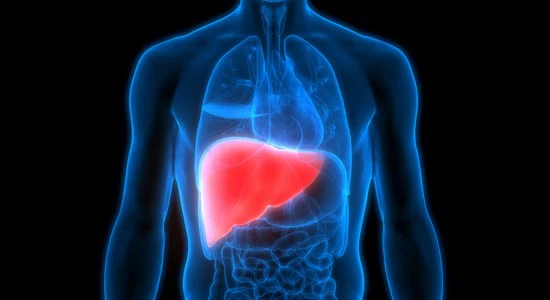
After 24 weeks of treatment with Retatrutide for MASLD patients, the liver fat content decreased by up to 86%. The levels of ALT/AST were significantly improved, and more than 85% of the patients showed disappearance of liver steatosis. This effect is attributed to the activation of glucagon receptors promoting fat breakdown, and the improvement of insulin resistance by GLP-1/GIP receptors, which reduces liver fat deposition at its source. The recovery of liver function can lower the risks of liver cirrhosis and liver cancer, and improve the long-term quality of life of patients.
Lifestyle Adjustment: Transition from Passive Treatment to Active Health Management
Scientific Transformation of Dietary Patterns
Retatrutide helps patients naturally reduce their intake of high-calorie foods by inhibiting appetite (GLP-1 receptor) and regulating lipid metabolism (GIP receptor). In clinical trials, the total calorie intake of patients was not strictly limited, but their weight still significantly decreased, indicating a fundamental change in metabolic rate. This "weight loss without dieting" mechanism can prompt patients to shift from extreme dieting to balanced nutrition, such as increasing dietary fiber intake and reducing refined carbohydrates, and form a sustainable eating habit.
Substantial improvement in physical fitness
The combined effect of weight loss and metabolic improvement significantly enhances the patient's exercise endurance. Research shows that patients treated with Retatrutide increase their walking distance by 15% in the 6-minute walk test, and their fatigue after exercise decreases. This provides a physiological basis for patients to participate in daily activities (such as climbing stairs, lifting heavy objects) and regular exercises (such as brisk walking, swimming), further promoting energy consumption and muscle mass maintenance, forming a "weight loss - exercise - more weight loss" virtuous cycle.
Intelligent Optimization of Medical Compliance
The weekly subcutaneous injection administration method of Retatrutide has greatly simplified the treatment process. Compared with daily oral medication or multiple injections, the rate of patient non-compliance can be reduced by 70%, and the treatment continuity is significantly improved. In addition, Eli Lilly is developing an AI-assisted individualized dosing model, which dynamically adjusts the dosage based on real-time blood glucose, weight, and liver and kidney functions, further reducing the burden of self-management for patients and making the treatment more precise and convenient.
Psychological and Social Aspects: From Disease Struggles to Quality of Life Enhancement

Reconstruction of Self-Identity
Obesity and related metabolic disorders often lead to psychological issues such as low self-esteem and anxiety in patients. The significant physical changes and health improvements brought about by Retatrutide can reshape patients' self-perception. For instance, a participant in the clinical trial stated: "After losing 30 pounds, I finally dared to wear a skirt and no longer avoided social occasions." This improvement in psychological state can encourage patients to participate more actively in social activities and enhance their quality of life.

Positive Changes in Social Relationships
The weight loss and improvement in health have made patients more willing to participate in social activities such as family dinners and social gatherings. Research shows that patients treated with Retatrutide have increased their social activity frequency by 40%, and they are more confident and proactive in social interactions. Moreover, the joint participation of family members in a healthy lifestyle (such as exercising together and preparing healthy meals) can further strengthen family relationships and form a supportive social network.

Potential opportunities for career development
Obesity and related diseases can lead to a decline in work efficiency and restricted career advancement for patients. The physical fitness improvement and mental state enhancement brought about by Retatrutide enable patients to complete tasks more efficiently and even expand their career fields. For instance, a patient who was unable to stand for long periods due to knee pain successfully transitioned to becoming a fitness instructor after losing 20% of their weight, achieving a breakthrough in both career and health.
Potential Risks and Challenges: The Long-Term Issue of Balancing Efficacy and Safety
1. Short-Term Discomforts of Gastrointestinal Reactions
The most common adverse reactions of Retatrutide are gastrointestinal symptoms such as nausea, diarrhea, and vomiting, with an incidence rate of approximately 70%-90%. However, most of these are mild to moderate, and they gradually decrease with dose adjustment and over time. For example, using a low-dose starting regimen (such as 1 milligram per week) and gradually titrating the dose can reduce the incidence of gastrointestinal reactions by 30%. Patients need to adjust the dose reasonably under the guidance of a doctor to avoid discontinuing treatment due to side effects.
2. Long-term Monitoring of Cardiovascular Effects
Although Retatrutide did not show significant cardiovascular events in clinical trials, its activation of the glucagon receptor may lead to an increase in heart rate (dose-dependent, peaking after 24 weeks and then decreasing). Long-term use requires monitoring of heart rate, blood pressure, and electrocardiogram changes, especially for patients with pre-existing cardiovascular conditions. Eli Lilly has initiated a 3rd phase trial (TRIUMPH program) to further evaluate its efficacy and safety in obstructive sleep apnea, knee osteoarthritis, and other fields.
3. Realistic obstacles to economic accessibility
As an innovative drug, the pricing of Retatrutide may be relatively high, with the initial annual treatment cost potentially exceeding $10,000, which is much higher than that of existing GLP-1 drugs. This may limit its accessibility in developing countries and among low-income populations. In the future, prices need to be reduced through mechanisms such as healthcare insurance negotiations and drug patent pools, and the development of biosimilar drugs should also be explored to expand the beneficiary population.
Future Outlook: From Individual Treatment to Public Health Transformation
The development of Retatrutide represents a paradigm shift in the treatment of metabolic diseases from "single-target intervention" to "multi-system regulation". Its triple receptor activation mechanism not only provides efficient treatment solutions for patients with obesity, diabetes, and MASLD, but also has the potential to reduce the number of obese individuals, lower the incidence of NASH (non-alcoholic steatohepatitis), and thereby alleviate the burden on the public health system. With the advancement of the 3rd phase trials and the accumulation of long-term safety data, Retatrutide is expected to become a core drug for metabolic syndrome management and lead to a profound transformation in global health management approaches.

Conclusion
The impact of Retatrutide on daily life goes far beyond the drug itself. It brings about comprehensive improvements in the quality of life for patients by reshaping metabolic health, optimizing lifestyle, enhancing psychological and social functions. However, its long-term safety, economic accessibility, and optimization of individualized treatment plans remain key issues that need to be addressed in the future. With the advancement of research and technology, Retatrutide is expected to become a milestone in the treatment of metabolic diseases, opening a new chapter of healthy living for hundreds of millions of patients worldwide.