




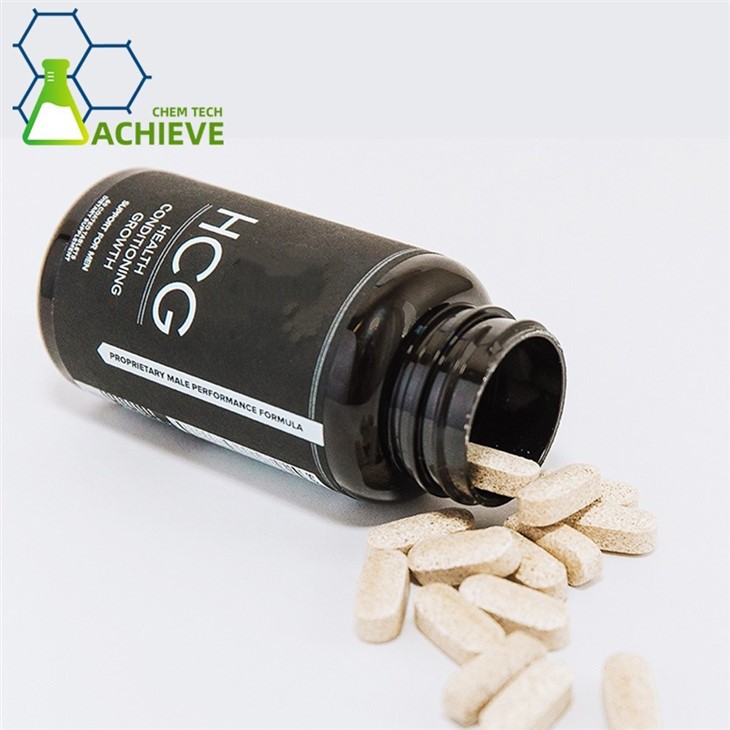

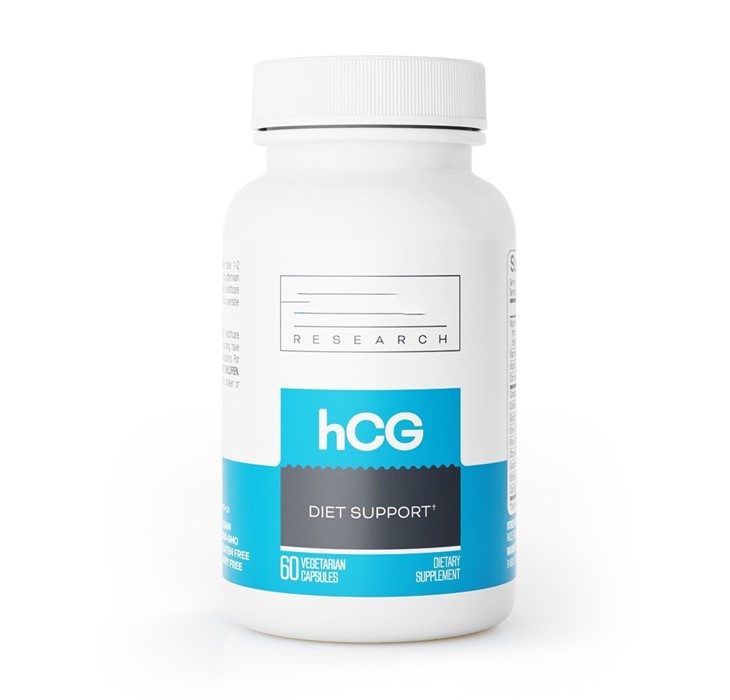
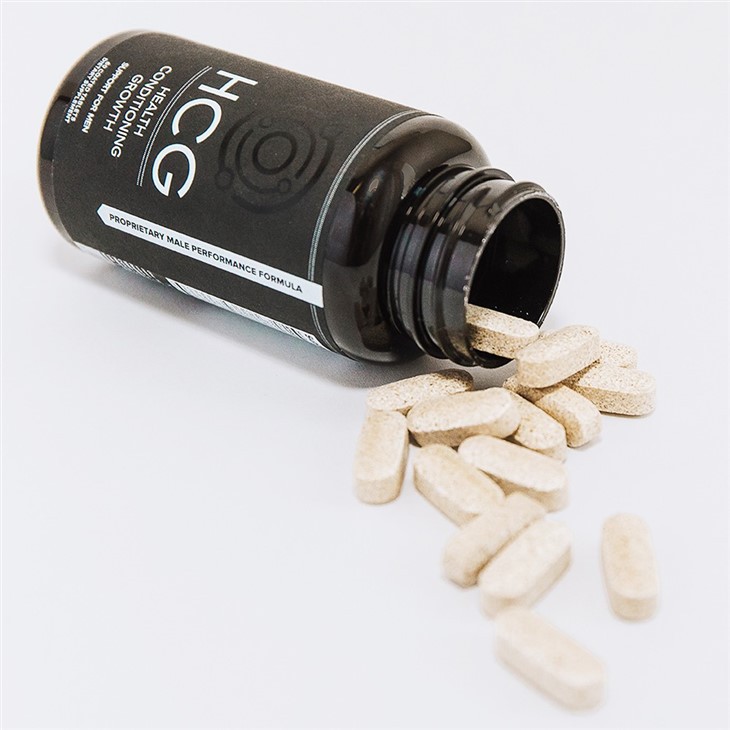
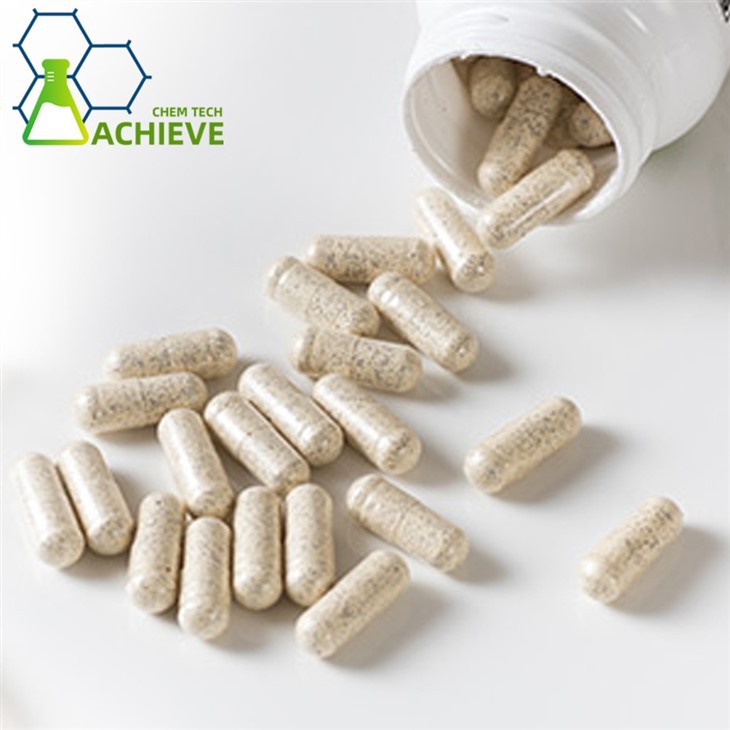
HCG diet capsules, also known as human chorionic gonadotropin (HCG) dietary capsules, are a product that has received much attention in the field of weight loss in recent years. Its core ingredient HCG was originally a hormone produced by the placenta during pregnancy in women. The weight loss principle claimed by these capsules is mainly based on two aspects. On the one hand, HCG is believed to act on the hypothalamus of the human body, regulate the appetite center, reduce hunger, make it easier for users to adhere to low calorie diets, and reduce overeating caused by hunger. On the other hand, it can promote the body to break down abnormally accumulated fat, especially stubborn fat in the abdomen, thighs, and other areas, providing energy for the body and achieving weight loss goals. Usually, using HCG requires a specific low calorie diet plan, with a daily calorie intake controlled at around 500-800 calories. Users should take the capsules according to the recommended dosage in the product manual, usually 1-3 times a day before meals.

Additional information of chemical compound:

Our product form
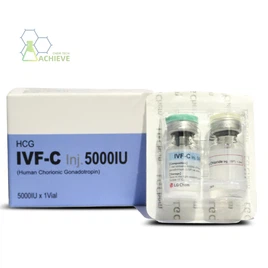
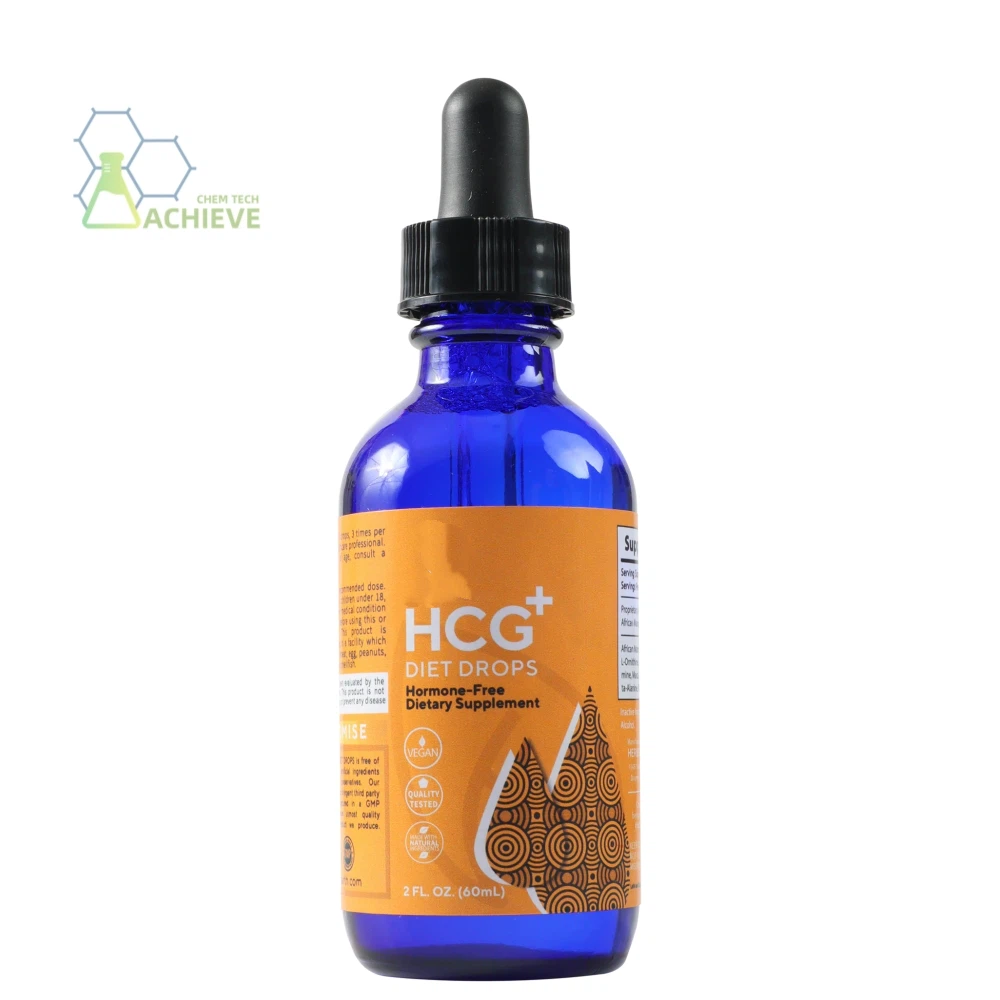

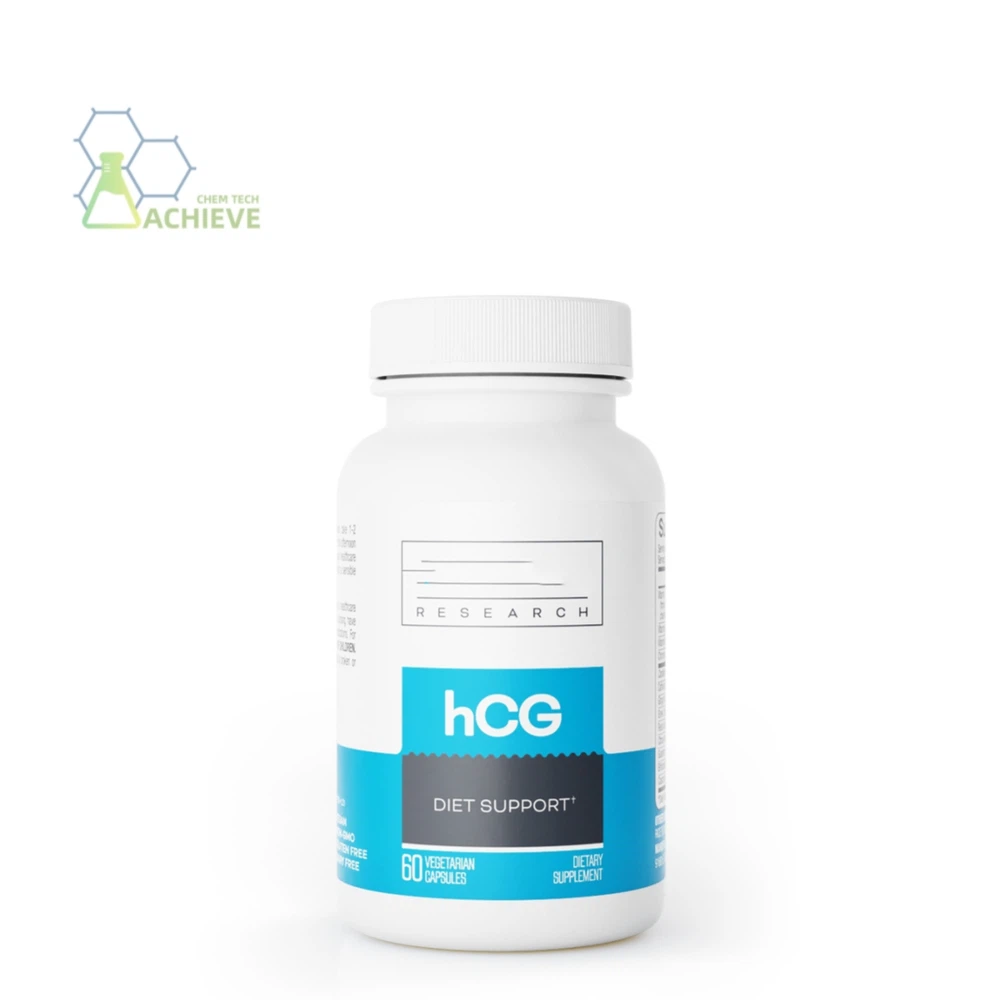
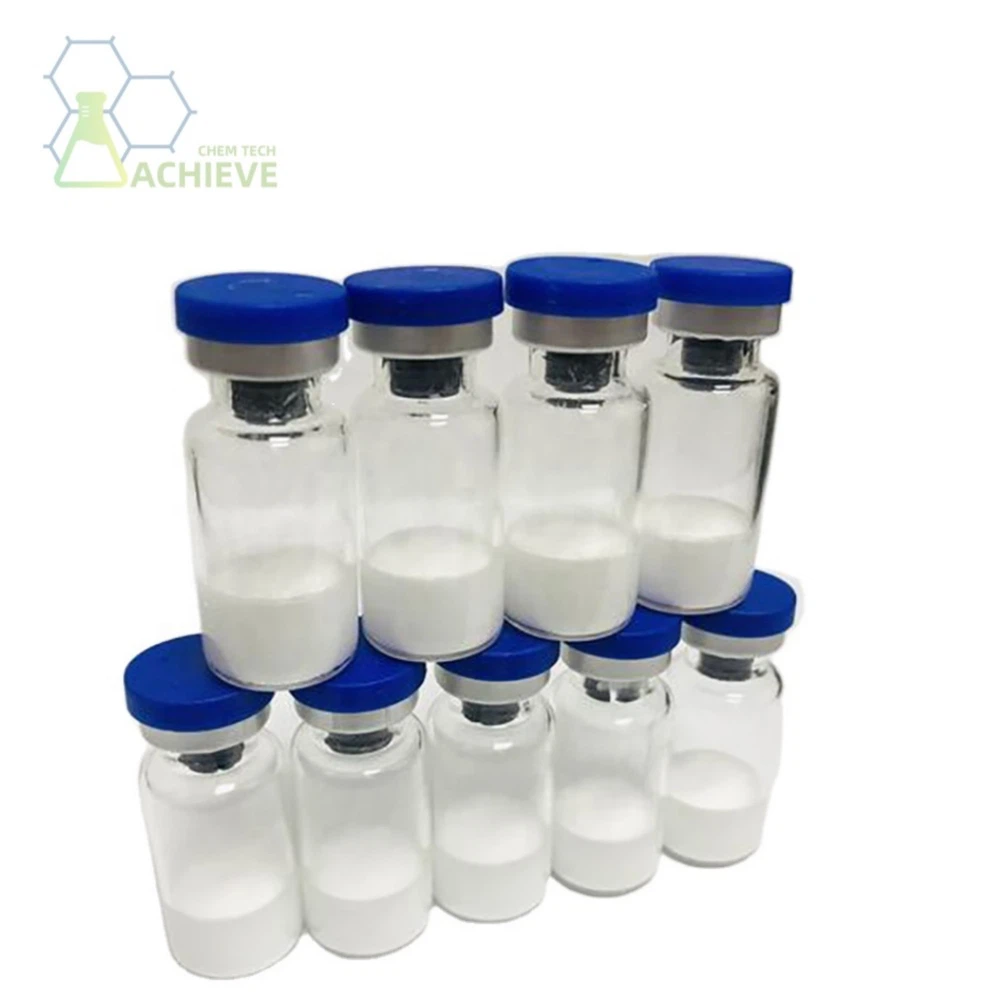
Chorionic Gonadotropin COA


HCG diet capsules is a glycoprotein hormone synthesized by syncytiotrophoblasts of the placental chorion, playing a crucial role in the human reproductive system and embryonic development. Its mechanism of action involves multiple physiological levels, ranging from promoting follicular development and ovulation, maintaining pregnancy corpus luteum function, regulating the immune system to ensure embryo implantation and development, and affecting fetal sexual differentiation, all of which demonstrate its complex and delicate regulatory functions.
Substructure and receptor characteristics
Molecular Structure
Composed of two subunits, alpha and beta, with a molecular weight of approximately 39kD. Among them, the alpha subunit is structurally similar to pituitary secreted hormones such as luteinizing hormone (LH), follicle stimulating hormone (FSH), and thyroid stimulating hormone (TSH), and has immune cross reactivity, especially highly homologous to the alpha subunit of LH. The β subunit is unique to HCG, and its sequence and structure determine biological specificity, which can reflect the proliferation activity of nourishing cells. The presence of beta subunits enables HCG to specifically bind to receptors on the surface of target cells, thereby exerting its unique physiological functions.
Receptor characteristics
It mainly acts on the luteinizing hormone/follicle stimulating hormone receptor (LHCGR), which is an A-class G protein coupled receptor (GPCR). Unlike most A-class GPCRs, LHCGR has a large N-terminal extracellular domain (ECD) composed of leucine rich repeat sequences and complex glycosylation modifications. This special structure enables LHCGR to specifically recognize and bind to HCG, while also binding to LH, but HCG typically has a higher affinity for LHCGR than LH.
In 2021, Xu Huaqiang/Jiang Yi team of the Chinese Academy of Sciences Shanghai Institute of Materia Medica, together with Zhang Yan team of Zhejiang University, published the research results in the journal Nature, which first analyzed the structure of the full-length LHCGR in inactivated and multiple activated states, and revealed the molecular mechanism of HCG recognition of LHCGR. Research has found that after HCG binds to LHCGR, the ECD of the receptor undergoes a deviation of approximately 45 degrees. Through the activation model of "Push and Pull", the receptor undergoes conformational changes, thereby activating downstream signaling pathways. This discovery provides an important structural basis for understanding how HCG activates intracellular receptors.

1. Promote follicular development and ovulation
It plays a crucial role in promoting follicular development and ovulation during a woman's menstrual cycle. During the natural cycle, the LH peak secreted by the pituitary gland is a key signal that triggers ovulation. HCG diet capsules due to its molecular structure similar to LH, can simulate physiological LH peaks, bind to LHCGR on follicular membrane cells, activate adenylate cyclase, leading to an increase in intracellular cyclic adenosine monophosphate (cAMP) levels, and subsequently activate signaling pathways such as protein kinase A (PKA). The activation of these signaling pathways promotes the rupture of the follicular wall, the release of eggs, and the release of factors such as prostaglandins in follicular fluid, further assisting in the ovulation process.


In assisted reproductive technology, such as in vitro fertilization and in vitro fertilization, it is often used to promote the development and discharge of multiple follicles. By injecting exogenous substances, ovulation time can be precisely controlled and the success rate of conception can be improved. For example, in the controlled ovarian hyperstimulation protocol, when the follicle develops to a certain stage, injection can induce the follicle to eventually mature and ovulate, providing a suitable timing for subsequent egg retrieval and in vitro fertilization.
2. Maintain luteal function during pregnancy
After ovulation, it plays a crucial role in maintaining luteal function. In natural pregnancy, after the fertilized egg implants, the trophoblast cells begin to secrete HCG. Binding to LHCGR on the membrane of luteal cells activates adenylate cyclase, preventing the corpus luteum from dissolving and promoting the enlargement of the menstrual corpus luteum into the pregnancy corpus luteum. The corpus luteum of pregnancy can continuously secrete estrogen and progesterone, maintain the morphology of the endometrium, promote the formation of the endometrium, and provide a suitable endocrine environment for embryo implantation and development.


It can extend the lifespan of the corpus luteum from 2 weeks in non pregnancy to 6-7 weeks in early pregnancy, ensuring that the corpus luteum can continue to provide necessary hormone support until the placenta is fully formed and begins to secrete hormones. If the level is insufficient, luteal function may be affected, leading to reduced secretion of estrogen and progesterone, which in turn can cause adverse pregnancy outcomes such as miscarriage. Therefore, for patients with luteal insufficiency, it is often used clinically to support luteal function, treat threatened miscarriage and habitual miscarriage.
3. Regulating endometrial receptivity
In the early stages of pregnancy, it is an important embryonic source signal that regulates endometrial receptivity. After binding to its receptors, it can activate various intracellular signaling pathways, regulate gene expression and functional changes in endometrial cells, thereby promoting successful embryo implantation.
On the one hand, HCG can promote uterine angiogenesis. By activating the expression of angiogenesis related factors such as vascular endothelial growth factor (VEGF), the blood supply to the endometrium is increased, providing sufficient nutrients and oxygen for the embryo. On the other hand, it can maintain the relative stillness of the uterine muscle layer, inhibit uterine contractions, and reduce mechanical interference during embryo implantation.


In addition, it also participates in immune regulation at the maternal fetal interface, by affecting the functions of immune cells such as natural killer cells (uNK cells), regulatory T cells (Tregs), and dendritic cells (DCs), creating an immune tolerant microenvironment that is conducive to embryo implantation and development.
For example, studies have shown that the expression of some implant promoting factors such as prokinetic protein 1, IL-11, LIF, etc. can be upregulated in endometrial epithelial cells, which play important roles in the process of embryo implantation. At the same time, it can attract and enhance the recruitment of Tregs around the trophoblast cells, increase their immunosuppressive function, and suppress the maternal immune system's attack on the embryo. In addition, it can also hinder the maturation of bone marrow DCs, increase the number of Tregs, prevent miscarriage, and maintain maternal fetal immune tolerance.
1. Promote the function of testicular interstitial cells
In the male body, it can stimulate the activity of testicular interstitial cells and promote the secretion of androgens (such as testosterone). After HCG binds to LHCGR on the membrane of testicular interstitial cells, it activates intracellular signaling pathways, leading to an increase in the activity of key enzymes such as cholesterol side chain lyase, promoting the conversion of cholesterol to pregnenolone and subsequently synthesizing testosterone. Testosterone is an important hormone for the development of the male reproductive system and the maintenance of normal physiological functions. It supports the development of the male reproductive organs and the maturation of secondary sexual characteristics, such as promoting the development of the penis and scrotum, promoting body hair growth, and making sounds thicker.


2. Promote sperm production and testicular descent
It also has a promoting effect on sperm production. By increasing the secretion of testosterone, it provides the necessary endocrine environment for spermatogenesis. Testosterone can regulate the functions of supporting cells and spermatogenic cells in the seminiferous tubules, promoting the occurrence and maturation of sperm. In addition, it can also be used to treat cryptorchidism. Cryptorchidism refers to the condition where the testicles fail to descend into the scrotum and remain in the abdominal cavity or inguinal canal. It can stimulate testicular interstitial cells to secrete testosterone, promote testicular descent, and in some cases, can be used as an auxiliary means of surgical treatment to improve treatment effectiveness.
1. Promote fetal sexual differentiation
During fetal development, it plays a crucial role in the sexual differentiation of male fetuses. Before the fetal pituitary secretes LH, it can promote the secretion of testosterone by the fetal testes. Testosterone is a key hormone in male sexual differentiation, which can induce the development of the mesonephric duct into male reproductive organs such as epididymis, vas deferens, and seminal vesicles, while inhibiting the development of the accessory mesonephric duct and promoting the formation of male external genitalia. If there is insufficient secretion or abnormal function during this period, it may lead to abnormal fetal sexual differentiation and sexual development disorders.


2. Participate in embryonic immune regulation
As a semi allogeneic tissue, embryos need to evade attacks from the maternal immune system to survive in the mother's body. Plays an important role in embryonic immune regulation. On the one hand, it can inhibit the stimulating effect of plant lectins on lymphocytes and adsorb onto the surface of trophoblast cells, forming a protective barrier to prevent embryonic trophoblast cells from being attacked by maternal lymphocytes. On the other hand, the function of immune cells can be regulated through various pathways to create a microenvironment of immune tolerance. For example, the Fas/Fas receptor pathway can increase the number of NK cells in the uterus and induce T cell apoptosis; Regulating the proliferation of uNK cells through the mannose receptor pathway; Increase the expression of anti-inflammatory factors IL-10 and IL-27, and reduce the levels of pro-inflammatory factors IL-17 and tumor necrosis factor alpha (TNF - α); Inducing TH1 cells to transform into TH2 cells, inhibiting T lymphocyte activity, inducing T lymphocyte apoptosis, etc.
1. Hormone level regulation
The effect is regulated by the levels of other hormones in the body. For example, in early pregnancy, as HCG levels increase, it negatively regulates the secretion of LH and FSH by the pituitary gland, inhibiting further development and ovulation of ovarian follicles, ensuring a smooth pregnancy. At the same time, it has the same alpha subunit as thyroid stimulating hormone (TSH), therefore it has a certain TSH activity and can enhance thyroid TH secretion function. Under normal thyroid function, this regulation helps maintain maternal metabolic balance; However, in cases of hypothyroidism, supplementation may further exacerbate the symptoms of hypothyroidism, so the use of HCG in clinical practice needs to consider the patient's thyroid function status.


2. Regulation of receptor expression
The expression level of LHCGR can also affect the efficacy of HCG diet capsules. The expression level of LHCGR changes with physiological status in tissues such as the ovaries, uterus, and testes of females and males. For example, before ovulation, the expression of LHCGR on follicular membrane cells increases, making follicles more sensitive to it and easier to induce ovulation. During pregnancy, the expression of LHCGR on endometrial cells also changes to adapt to the regulation of endometrial receptivity. In addition, some disease states, such as ovarian cancer, testicular cancer, etc., may lead to abnormal expression of LHCGR, which in turn affects the mechanism of action and disease progression.
3. Individual differences have an impact
Different individuals may have different responses to it, which are influenced by various factors such as genetic factors, age, gender, physiological status, etc. For example, in assisted reproductive technology, different patients may have different responses to ovulation induction. Some patients may require higher doses to achieve the desired ovulation effect, while others may have better responses to lower doses. In addition, individual metabolic differences can also affect the half-life and duration of action in the body. The average half-life in adults is approximately 24-36 hours, but there may be some differences between individuals, which may affect the interpretation of treatment efficacy and monitoring results.

Frequently Asked Questions
What does hCG do to your body?
+
-
Human chorionic gonadotropin (hCG) is a hormone produced by the placenta during pregnancy. It helps thicken your uterine lining to support a fetus and tells your body to stop menstruating. HCG levels rise after conception and continue to rise until about 10 weeks in pregnancy.
What does hCG mean?
+
-
Human chorionic gonadotropin (hCG) is a hormone produced by trophoblast tissue, which is typically found in early embryos and eventually develops into part of the placenta. Measuring hCG levels can help distinguish between normal and abnormal pregnancies and is also useful for monitoring after a pregnancy loss.
What happens if hCG is positive?
+
-
Your hCG levels may be higher than normal for many different reasons. The level of hCG in your blood may be higher than normal because you are pregnant or you have a certain kind of bowel disease, a stomach ulcer or cirrhosis of the liver.
Hot Tags: hcg diet capsules, suppliers, manufacturers, factory, wholesale, buy, price, bulk, for sale