


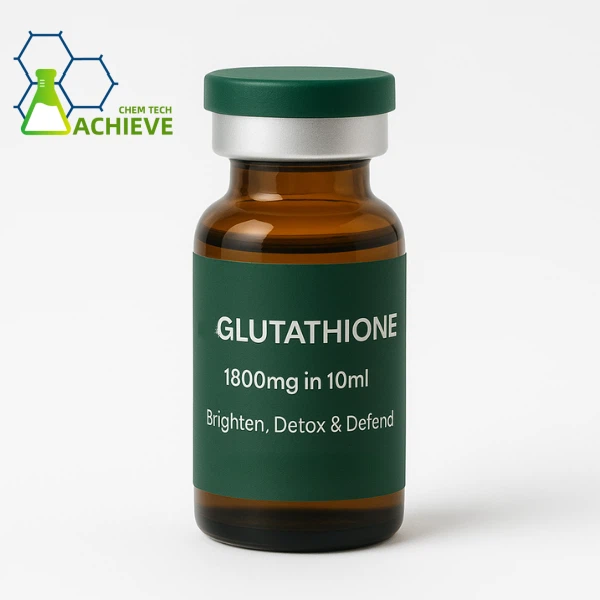


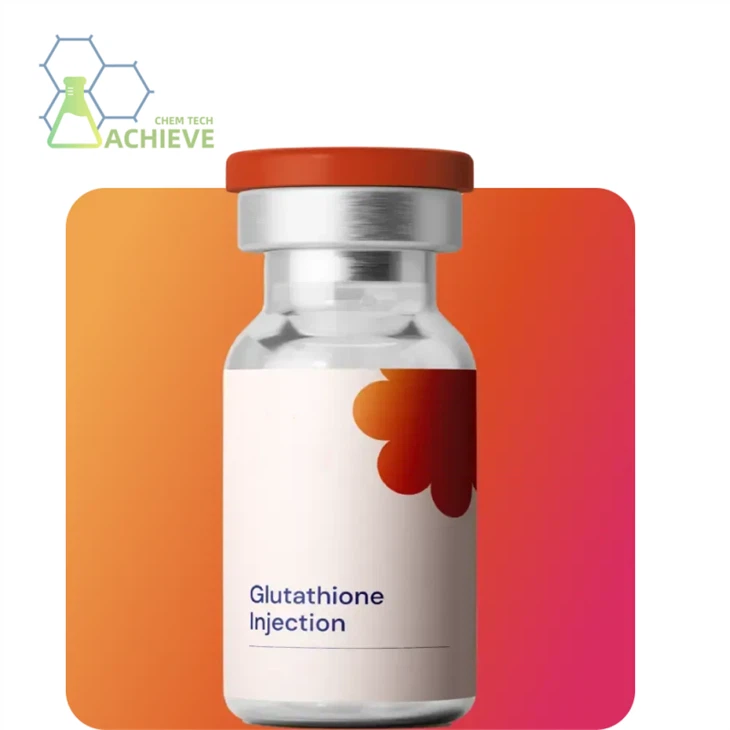


Best Glutathione Injections refer to the method of supplementing the body with glutathione through intravenous or intramuscular administration. It, composed of glutamic acid, cysteine, and glycine, is a tripeptide synthesized in the liver. It is one of the body's most important antioxidants, capable of neutralizing free radicals, detoxifying harmful substances, enhancing immune function, and regulating cellular processes. Glutathione injections directly deliver a concentrated dose of it into the bloodstream, bypassing the digestive system. This allows it to be rapidly distributed throughout the body, including the brain, heart, lungs, and muscles, exerting its antioxidant effects at the cellular level. Once absorbed, it can neutralize free radicals, reduce oxidative stress damage to cells, protect cells from damage, and bind to toxins in the body to aid their excretion. Additionally, it can regulate immune cell function, enhance immune response, and inhibit melanin synthesis to achieve skin lightening effects.
Glutathione in different forms


| Product Name |
Glutathione Powder |
Glutathione Injection |
Glutathione Capsule |
Glutathione Tablet |
| Product Type | Powder | Injection | Capsules | Tablet |
| Product Purity | ≥99% | ≥99% | ≥99% | ≥99% |
| Product Specifications | 10g/100g/500g/etc. | 1500mg/vial | 50mg/100mg/etc. | 50mg/100mg/etc. |
How Do Glutathione Injections Work?
Best Glutathione Injections deliver glutathione directly into the bloodstream, where it exerts its antioxidant effects, neutralizes free radicals, reduces oxidative stress on cells, and protects cells from damage. It also plays a role in detoxification by binding to toxins in the body, aiding their excretion.

Suppose a person has liver disease.
The liver is responsible for detoxifying harmful substances in the body. However, in cases of liver disease, the liver's detoxification function may be impaired. Glutathione injections can directly deliver to the liver, where it binds to toxins such as alcohol and drugs, helping to eliminate them from the body. This process reduces the burden on the liver, protects liver cells from damage, and helps improve liver function.
Another example is in skin care
Free radicals in the environment, such as ultraviolet radiation and pollution, can cause oxidative stress to the skin, leading to premature aging and dark spots. Glutathione injections deliver glutathione to the skin, where it neutralizes free radicals, reduces oxidative stress on skin cells, and protects the skin from damage. This process helps slow down skin aging, reduce dark spots, and achieve skin lightening effects.

In summary, glutathione injections directly deliver glutathione to the body, where it exerts its antioxidant effects and participates in detoxification processes, helping to protect cells from damage and improve overall health.
application

Chemotherapy and radiotherapy adjuvant therapy: glutathione has an important role in the process of chemotherapy and radiotherapy. It can reduce the toxicity of certain chemotherapeutic drugs such as cis-chloroammonium platinum, cyclophosphamide, etc. on normal cells, protect tissue cells from damage, reduce the side effects of chemotherapy and radiotherapy, such as nausea, vomiting, bone marrow suppression, etc., and at the same time, enhance the patient's tolerance of the treatment.
Liver disease treatment: For all kinds of liver diseases such as viral hepatitis, drug-induced liver injury, alcoholic liver disease, glutathione injection can participate in the detoxification process of the liver, help to repair the damaged liver cells, promote the recovery of liver function, reduce the level of aminotransferases in the blood, and improve the metabolic function of the liver.
Detoxification: In the case of poisoning by organophosphorus, amine or nitro compounds, etc., glutathione can combine with these toxic substances and transform them into non-toxic or less toxic substances, which can be easily discharged out of the body, thus playing the role of detoxification and alleviating the damage caused by toxins to the body.


Auxiliary treatment of cardiovascular disease: Some studies have shown that glutathione may have a certain auxiliary therapeutic effect on cardiovascular disease. For example, in myocardial ischemia-reperfusion injury, glutathione can reduce oxidative stress and inflammatory response and protect cardiomyocytes. In addition, it may help to reduce homocysteine levels in the blood, thereby reducing the risk of cardiovascular disease.
Neurological Disease Research: In studies of neurological diseases such as Parkinson's disease, glutathione levels have been found to be associated with disease progression. Although still in the research phase, some small studies and case reports suggest that intravenous glutathione may have some potential benefit in improving symptoms in Parkinson's disease patients.
Skin whitening: Glutathione injections are one of the commonly used means of skin whitening in the cosmetic industry. It works by inhibiting the activity of tyrosinase, reducing melanin production and converting the melanin that has been produced into lighter pigment, thus achieving skin whitening effects, resulting in a more even and translucent skin tone, and lightening discoloration and acne marks.
Anti-aging: With its powerful antioxidant ability, glutathione can neutralize free radicals in the body, reduce the damage of free radicals to cells, slow down the aging process of the skin, increase the elasticity and luster of the skin, and make the skin look more youthful and energetic.

Importance of Skin Color in Social Psychology
|
|
|


KEY FACTORS OF FIRST IMPRESSION: Humans are highly visual creatures, and skin color is often one of the first physical features people notice in interpersonal interactions, and it plays a key role in forming a first impression on an individual within the first few seconds. For example, in social situations or job interviews, a fairer complexion may be unconsciously associated by some people with positive traits such as cleanliness, neatness, and good health, thus leaving a better first impression and increasing the other person's favorability.
Influence Judgment of Others: Skin color affects people's judgment of others' character, abilities, and other aspects of their lives. In some cultures, darker skin color may be stereotypically associated with character traits such as hard work and perseverance, while lighter skin color may be perceived as gentler and more delicate. These stereotypes based on skin color, although inaccurate, influence the perception and evaluation of individuals with different skin colors to some extent.
Skin color preferences in culture: different societies and cultures have different aesthetic standards and preferences for skin color. In some Western countries, wheatish skin color used to be regarded as a symbol of health and beauty, as it represents having enough time and resources to enjoy leisure activities such as outdoor beach vacations. In some Asian cultures, on the other hand, a fair complexion was traditionally preferred, representing hard work, high status, etc. This cultural difference reflects the social significance and aesthetic value of skin color in different cultural contexts.
Influence of the fashion and beauty industries: The fashion and beauty industries have a profound impact on the public's perception of skin color by constantly reinforcing specific skin color aesthetic standards through advertising and media channels. For example, advertisements for skin-whitening products often convey the idea that a fairer complexion is more beautiful, which shapes people's pursuit of skin color and aesthetic tendencies to a certain extent, and also influences individuals' satisfaction and self-perception of their own skin color.
Signs of Racial and Ethnic Identity: skin color is one of the most important outward signs of an individual's racial and ethnic identity, and it is significant in people's sense of identity and group belonging. People with the same skin color are often more likely to develop a natural sense of identity and closeness, believing that they belong to the same group and share a common cultural background and historical heritage. For example, in some multicultural communities, people with similar skin color may be more likely to come together and form specific social circles and cultural groups.
Influence on social status and treatment: Historically and in the real world, there is a correlation between skin color and aspects of social status, rights and treatment. In some regions with serious racial discrimination, people with dark skin color may face social exclusion, employment discrimination, unequal education and other treatments, which makes skin color one of the important factors affecting the social identity and status of individuals.
Influence on Self-image and Self-esteem: an individual's satisfaction with his or her skin color can have a direct impact on his or her self-image and self-esteem. If an individual is dissatisfied with his or her skin color, he or she may develop negative emotions such as low self-esteem and anxiety, which in turn affects his or her mental health and daily life. Conversely, people who are satisfied and confident with their skin color tend to have a more positive self-image and higher levels of self-esteem.
Relationship to body imagery: skin color is an important part of body imagery, and it is closely related to an individual's overall perception and evaluation of his or her body. When individuals are disturbed or dissatisfied with their skin color, it may trigger a series of problems related to body imagery, such as excessive concern about appearance and the pursuit of unrealistic skin color standards, thus adversely affecting mental health.
Influences on Interpersonal Attractiveness: Skin color also influences interpersonal attractiveness in the process of establishing and developing relationships. People with similar skin color may be more likely to be attracted to each other and form friendships or close relationships because of their shared sense of identity and cultural background. In addition, some studies have also shown that people are often influenced by skin color when choosing a spouse, and tend to choose a partner who has a similar skin color or conforms to society's aesthetic standards....
Inequalities in Social Opportunities: Skin color differences may lead to differences in the opportunities and treatment that individuals receive in social situations. In some social environments where skin color discrimination exists, people with darker skin color may face limited social opportunities and exclusion from certain social circles or activities, thus affecting the scope and quality of their social interactions.
Frequently Asked Questions
Why is there a huge difference in the effectiveness between self supplementation and oral health supplements?
+
-
Oral glutathione is easily broken down into three types of amino acid precursors in the gastrointestinal tract, and after absorption, it needs to be re synthesized by cells themselves. The significant differences in synthesis ability between individuals (influenced by age, disease, and genetics) are the main reasons for the varying effects.
What is its core role in protecting mitochondrial function beyond whitening?
+
-
As a key antioxidant in mitochondria, it directly neutralizes free radicals produced by energy metabolism, protects mitochondrial DNA and membrane structure, and is crucial for maintaining the normal operation of cellular energy factories.
Hot Tags: best glutathione injection, suppliers, manufacturers, factory, wholesale, buy, price, bulk, for sale